
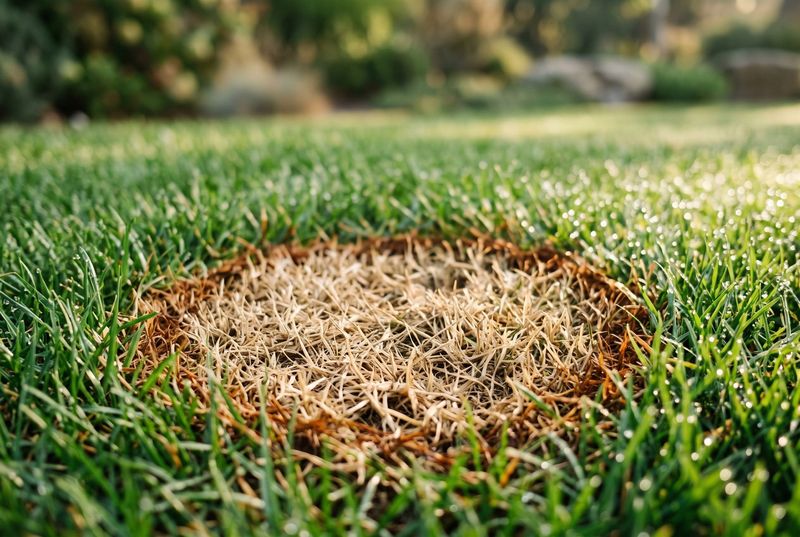
November feels like the month you can finally stop worrying about the lawn. In the South, though, warm-season grasses like St. Augustine, Bermuda, and Zoysia are still quietly storing energy for winter, and what you do now shapes how they wake up in March.
A few common fall chores can weaken roots, invite disease, and leave bare spots you will not notice until spring green-up. Here are seven November habits worth rethinking if you want thicker grass next year.
1. Feeding with high-nitrogen fertilizer
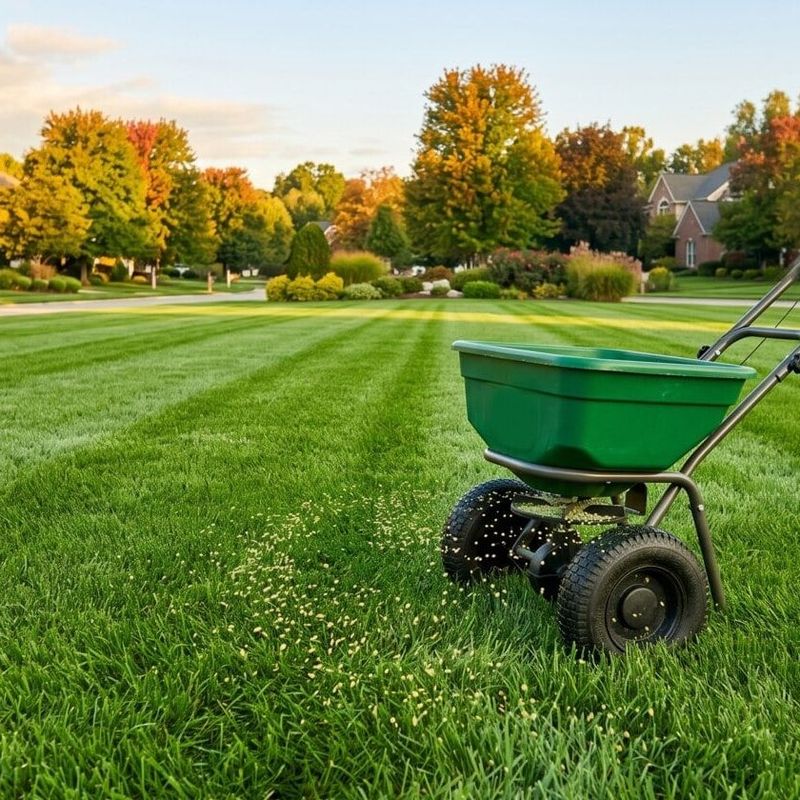
Picture a neighbor in Houston proudly spreading a bag of bright green fertilizer the week before Thanksgiving. The lawn looks great for about ten days.
Then a cold snap rolls in, and that tender new growth turns brown and mushy.
Warm-season grasses are slowing down in November, not gearing up. A heavy dose of nitrogen pushes soft leaf growth when the plant should be moving sugars down into its roots and runners.
That lush top growth is more likely to suffer frost damage, and it can also feed fungal problems like large patch, which loves cool, damp St. Augustine and Zoysia lawns.
A better plan is to skip nitrogen once soil temperatures start dropping below the mid-60s. Many Southern extension services suggest your last nitrogen feeding happen in early fall, roughly six to eight weeks before the average first frost.
In South Florida, where grass stays active longer, timing can stretch later, so check your local guidelines.
If a soil test shows low potassium, a potassium-only product may help support cold tolerance without pushing tender blades. Otherwise, the kindest move in November is often to put the spreader away and let the grass rest.
2. Letting leaves pile up on the grass
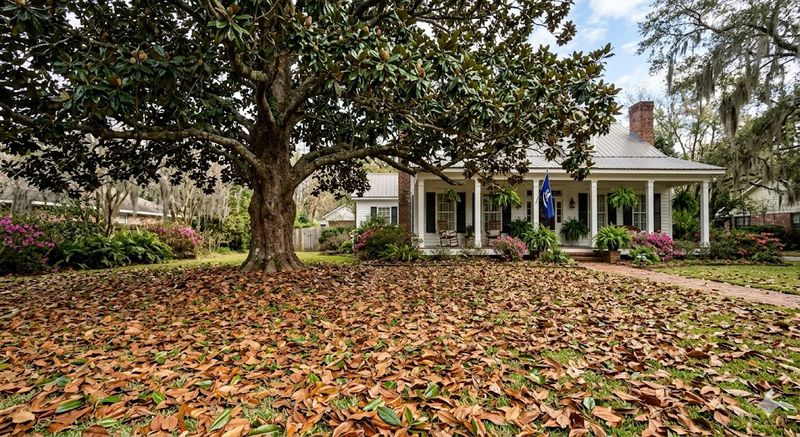
Leaves look harmless, even pretty, scattered across the yard. Let them sit in a thick, soggy layer for a few weeks, though, and you may lift them in spring to find yellow, matted grass underneath.
A dense leaf blanket blocks sunlight that warm-season turf still uses on mild November days. It also traps moisture right against the blades, which creates the cool, damp conditions where disease thrives.
Live oaks, pecans, and sweetgums are common culprits across Texas and the Gulf Coast, and they can drop leaves well into winter.
The fix does not have to be a weekend of raking. Running a mulching mower over light leaf cover chops it into small bits that can settle into the turf and break down, which may even add a little organic matter.
When leaves pile up more than an inch or so deep, rake or bag the extra and toss it into a compost pile or flower beds.
Shaded spots under trees deserve the most attention. Grass there is already struggling for light, so a smothering leaf layer can turn a thin patch into a bare one by March.
3. Scalping the lawn with a too-short final mow
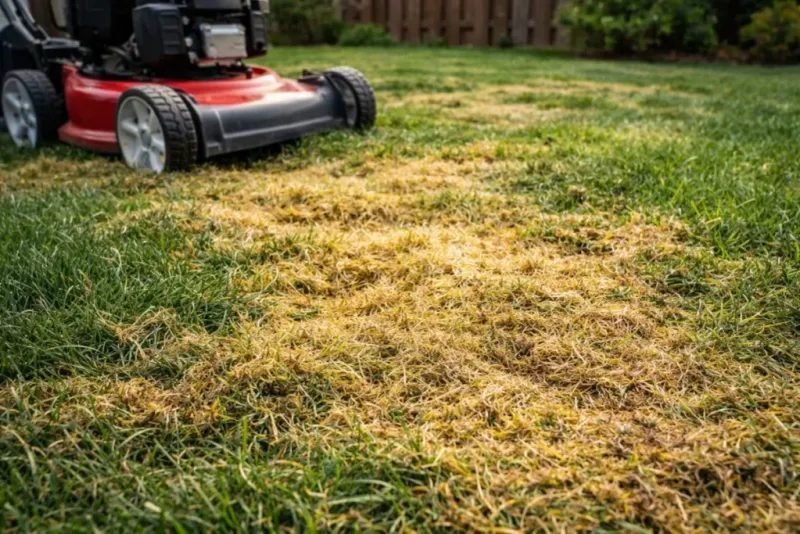
There is a popular idea that a buzz-cut final mow means less work later. Sounds efficient, right?
Unfortunately, warm-season grass usually pays the price.
Cutting too low in November removes the leaf surface the plant still needs to make energy before dormancy. It can expose runners and crowns to cold air and frost, and in sandy Florida soils it may also dry out roots faster.
St. Augustine is especially touchy, since its stolons sit close to the surface and do not bounce back quickly from damage.
Instead, keep your mower at the upper end of the recommended range for your grass type through the last few cuts. For St. Augustine, that often means around 3.5 to 4 inches.
Bermuda and Zoysia can stay a bit shorter, but still avoid shaving them down.
Follow the one-third rule, too: never remove more than a third of the blade in a single pass. If the lawn got shaggy during a busy October, bring it down gradually over two mowings.
Scalping does have a place, but it belongs in early spring for some Bermuda lawns, not right before cold weather.
4. Watering on a summer schedule
Sprinkler timers are wonderful until everybody forgets about them. Many Southern lawns are still getting July-level watering in November, and the grass simply cannot use it.
Cooler temperatures and shorter days mean less evaporation and slower growth. Extra water sits in the soil, roots stay soggy, and fungal diseases like brown patch and take-all root rot get an easy foothold.
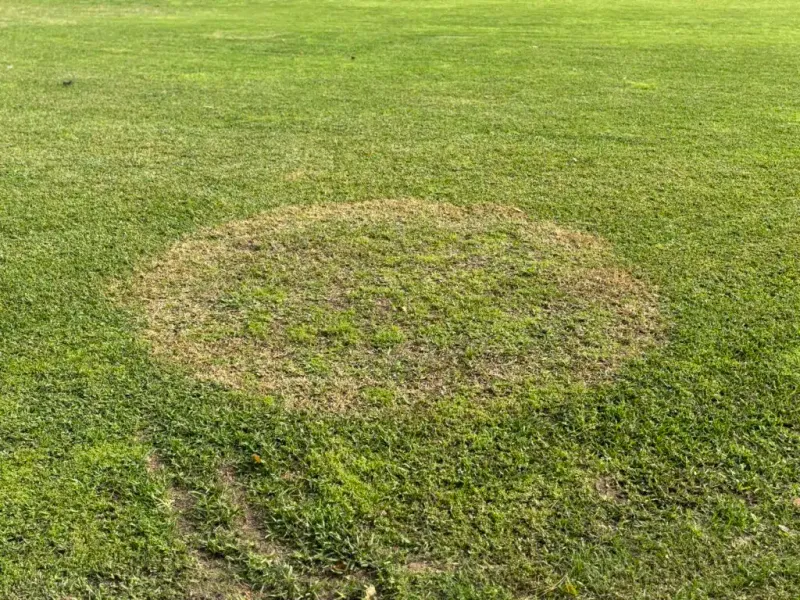
Those circular tan patches you see next spring often trace back to wet fall conditions.
Start by cutting back your irrigation schedule. In much of Texas and Florida, once a week or even less is often enough during dormancy, depending on rainfall and soil type.
A simple rain gauge helps you skip watering after a good storm.
Timing matters as much as amount. Water in the early morning so blades dry during the day, rather than in the evening when moisture lingers overnight.
Do not swing too far the other way, though. Dormant grass in a dry winter still needs occasional deep drinks, especially before a hard freeze, since moist soil tends to hold warmth better than dry ground.
The goal is balance, not neglect.
5. Skipping fall weed control
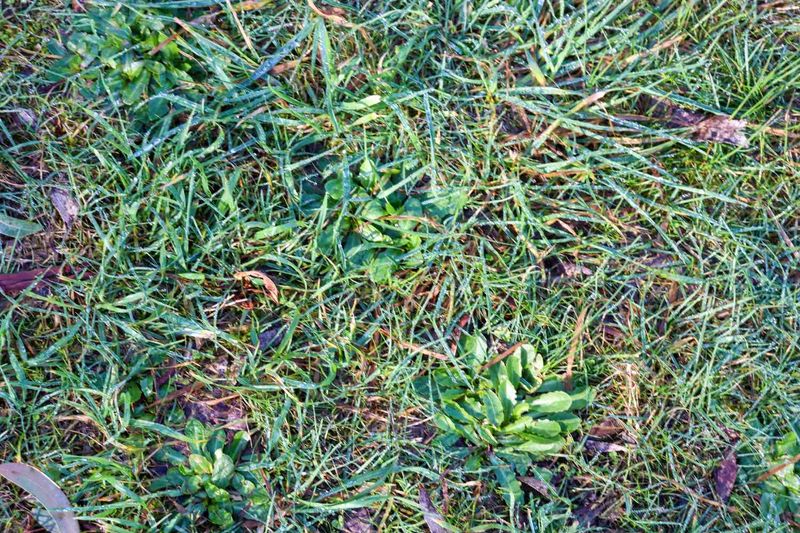
Here is a sneaky one. Winter weeds such as henbit, chickweed, annual bluegrass, and burweed often sprout in fall, stay tiny through the cool months, and then explode in late winter while your grass is still brown.
By spring, those weeds have spread out and claimed space your turf would normally fill. Burweed, also called lawn burweed or sticker weed, is a familiar headache in Texas and the Deep South, with spiny seed heads that show up just as families head outside barefoot.
Pulling a few stray weeds by hand in November is easy when they are small. For larger problems, a pre-emergent applied in early fall, or a post-emergent labeled for your grass type while weeds are young, can reduce the spring invasion.
Always read the label, since some products can injure St. Augustine or newly seeded areas.
The real secret, though, is that thick, healthy grass is often the best weed blocker. Weeds tend to move into thin, stressed spots first.
Spending twenty minutes walking the lawn this month to spot early seedlings may save you hours of frustration when March arrives.
6. Overseeding warm-season grass with ryegrass carelessly
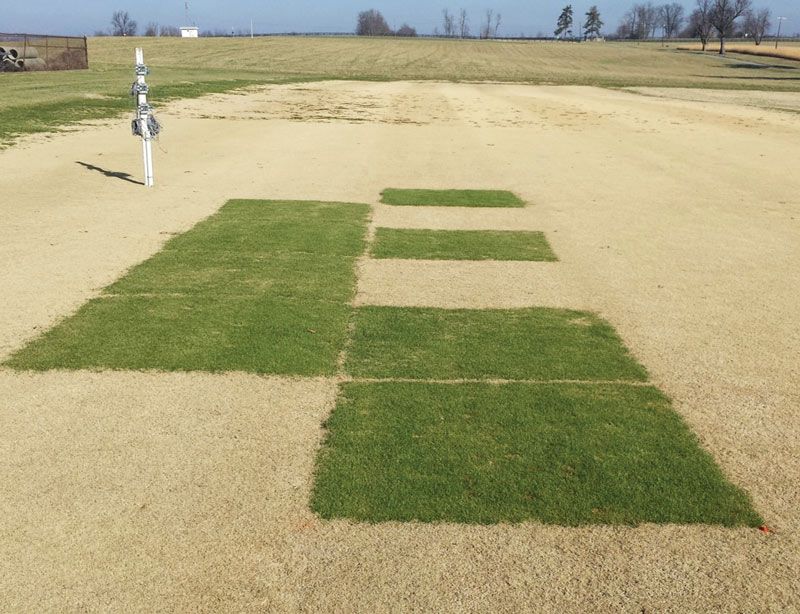
A green winter lawn is tempting. Overseeding Bermuda with annual or perennial ryegrass has been a Southern tradition for decades, especially on golf courses and showcase yards.
Done poorly, though, it can backfire. Ryegrass competes with your warm-season grass for water, light, and nutrients.
In spring, when Bermuda tries to green up, a thick, healthy rye stand can shade it out and delay recovery, leaving thin spots once the rye finally dies in the heat.
St. Augustine and Centipede are generally poor candidates for overseeding, since they tend to suffer more from the competition. Zoysia can also struggle.
If you love a green winter lawn, a few habits may help. Use a lighter seeding rate, mow the rye low as spring approaches, and cut back on water and fertilizer to encourage the transition.
Some homeowners skip overseeding the whole yard and only do high-visibility front areas.
Honestly, a tan dormant lawn is not a problem to fix. It is grass resting.
Letting it go dormant naturally is often the simplest route to a thicker, healthier spring stand.
7. Ignoring heavy foot traffic and parked items
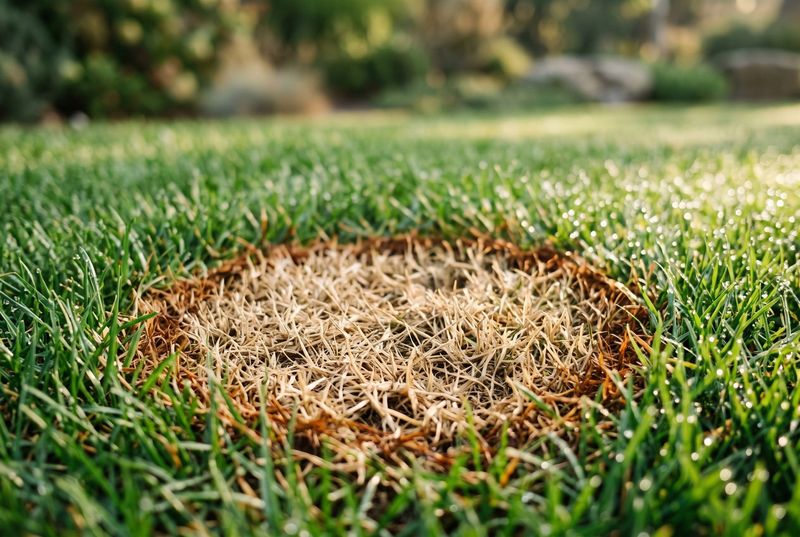
Ever moved a trampoline in spring and found a perfect circle of dead grass? Dormant turf is far more fragile than it looks.
When warm-season grass is not actively growing, it cannot repair itself from wear. Repeated walking along the same shortcut, kids playing ball in one corner, or a holiday crowd parking on the edge of the yard can crush crowns and compact soil.
Frosty mornings make it worse, since frozen blades snap easily under foot.
Items left sitting on the lawn cause trouble too. Kayaks, play sets, pallets of firewood, and even holiday inflatables block light and trap moisture for weeks.
The grass underneath may thin out or die completely before spring.
A few easy changes can protect your turf:
Lay stepping stones or a mulch path along spots where people always cut across. Move furniture and toys around every week or two.
Store firewood on a patio or gravel pad instead of the grass.
For holiday parties, consider directing guests to park on the street or driveway. Your lawn will thank you with fewer bare spots once warm weather returns.