

Walk out one morning and find your shrubs nibbled down to ragged stubs, and it is hard not to blame the calendar. Deer do change what they eat as the seasons turn, but the timing and the damage depend on where you live.
Strong smells get a lot of credit as a fix, yet some work better than others. Here is how to size up the risk, pick a product wisely, and know when a fence is the smarter move.
Fall browsing can rise, but November is not a universal trigger
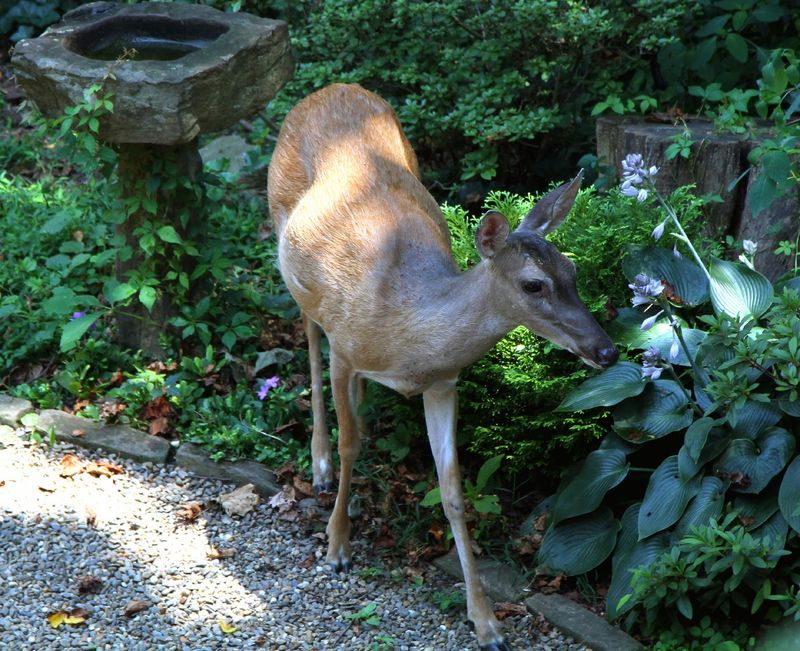
Late summer and fall can change what deer eat. In the Texas Hill Country, Texas Parks and Wildlife research on deer habitat describes deer using fewer forbs as those plants become scarce, then leaning more on woody browse.
That finding is a good reason to watch your shrubs this time of year. It is not a promise that every yard from Florida to East Texas gets hit in November.
Local rainfall, acorn crops, nearby woods, and neighbors’ gardens all shape what deer find to eat.
It also does not show that fall greens like collards, kale, or lettuce suffer more damage in a particular month. Think of the regional study as a hint to start scouting, not a deadline.
Look for torn, ragged leaf edges on shrubs, since deer lack upper front teeth and tend to tug rather than cut cleanly. Hoof prints in soft bed soil are another clue.
If you see them, you can plan before the damage piles up.
Some repellents have evidence, but strong smells are no guarantee
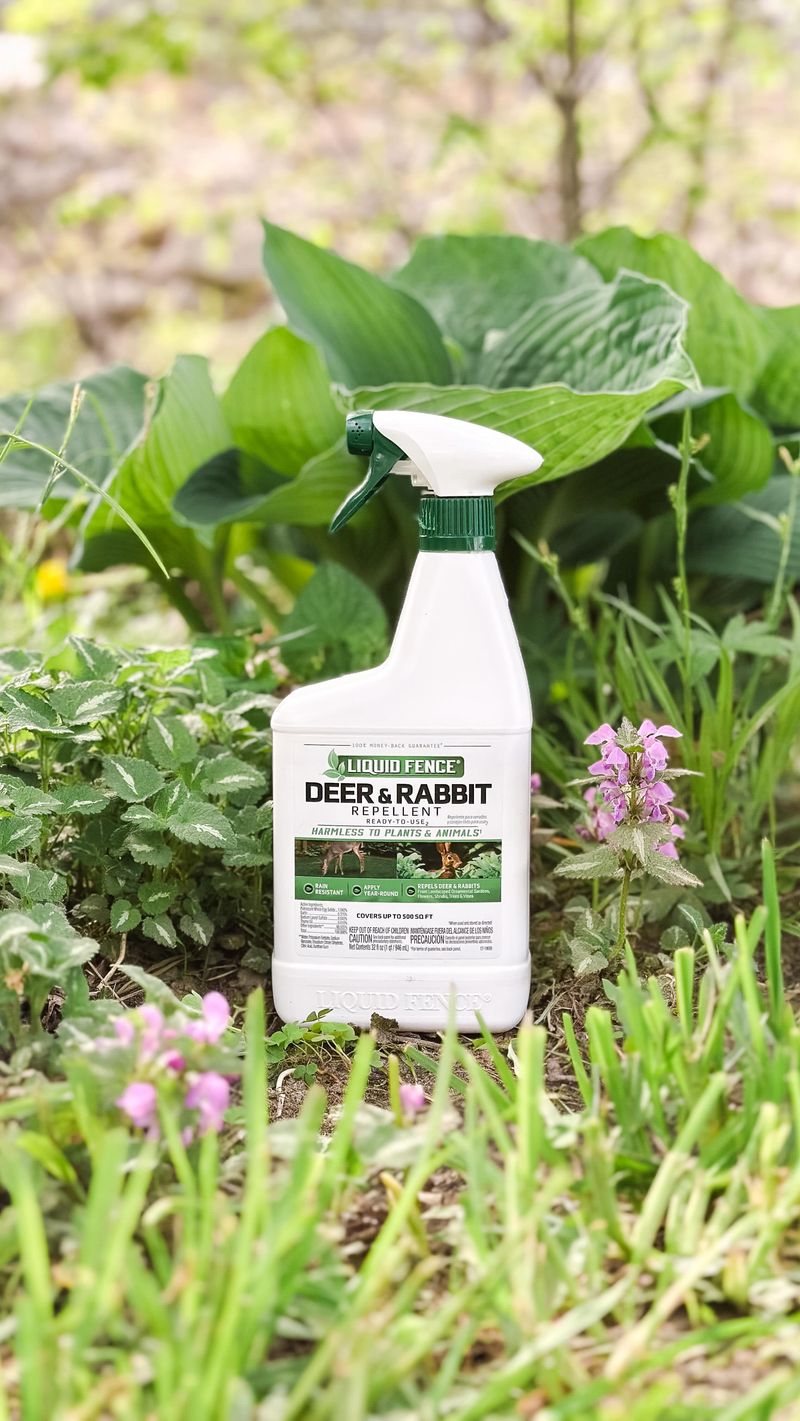
A strong smell sounds like it should work, and for a few products there is real research behind the idea. A worldwide review of deer repellents found odor-based approaches among those linked to reduced deer damage.
Even so, outcomes depended on the product and the conditions.
Formulations built on putrescent egg or blood and meat ingredients are the ones with the clearest track record. That support belongs to those specific products.
It does not stretch to every pungent item in your garage or kitchen.
In fact, UGA Extension says popular remedies such as human hair, soap, and animal dung have not shown lasting effects.
So a smell being loud tells you little. A better test is whether a tested, labeled product exists for your situation.
Even then, expect fewer bites rather than a deer-free yard.
Choose a labeled repellent for the plant and application site
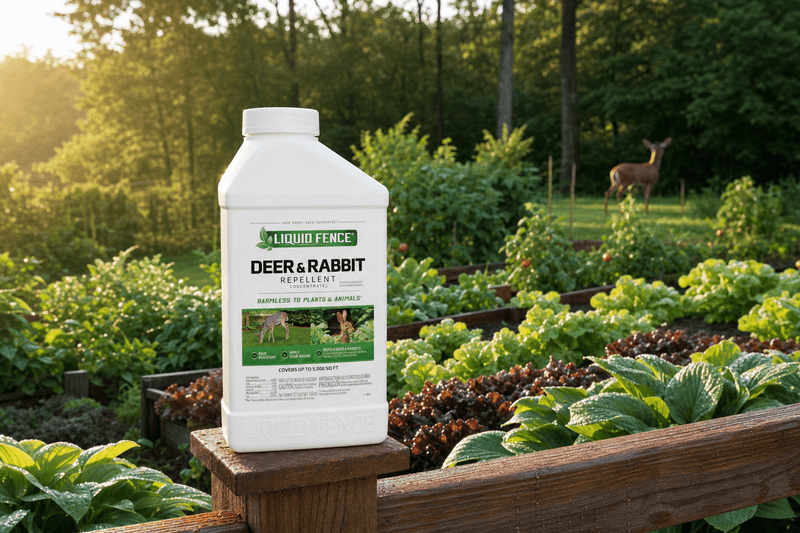
Walk the repellent aisle and you will see two broad types. Some products are sprayed on leaves so the treated growth smells or tastes bad.
Others are meant to sit near plants, such as packets or stakes.
The difference matters because each type is designed for a certain placement. UGA Extension guidance on repellents stresses matching the product to how it works.
Read the label for the plant you want to protect and where the product is allowed to go.
Then follow the directions exactly, including mixing, coverage, and spacing. Skipping steps is a quiet way to waste money.
One thing to leave out is mothballs. The National Pesticide Information Center says they have little or no effect as repellents and should not be used outdoors unless the label specifically allows it.
Vapors can pose risks to people and pets.
Skip the swaps and homemade recipes, too. Stick to what the label covers.
Apply repellents early and maintain them according to the label
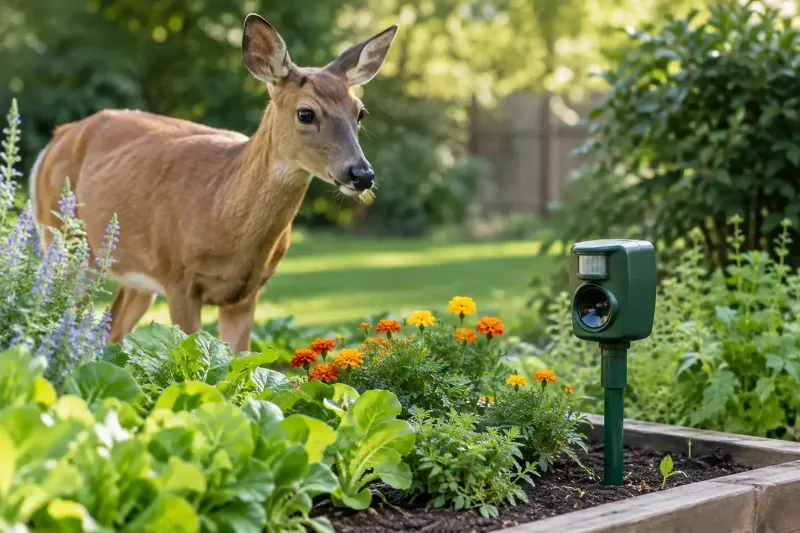
Timing is where many gardeners lose ground. Repellents tend to work best as prevention, so put one on before deer settle into a habit of feeding at your shrubs.
After that, check plants every few days for fresh damage.
Rain and irrigation can wash product off, and new growth comes in untreated. The label will say how often to reapply, and following it keeps protection from fading without you noticing.
Calendars from other states are only loose guides. Missouri Extension suggests applications in midfall and early winter for dormant-season protection.
That advice comes from Missouri, so do not treat it as a set schedule for Florida or Texas.
Other things can undercut results too. UGA Extension notes that scarce alternative forage, deer getting used to a product, and high deer numbers can all reduce performance.
Hungry deer may ignore a treated plant entirely.
Keep notes on what you sprayed and when, so you can tell whether it is helping.
Check food-plant directions before treating harvestable greens
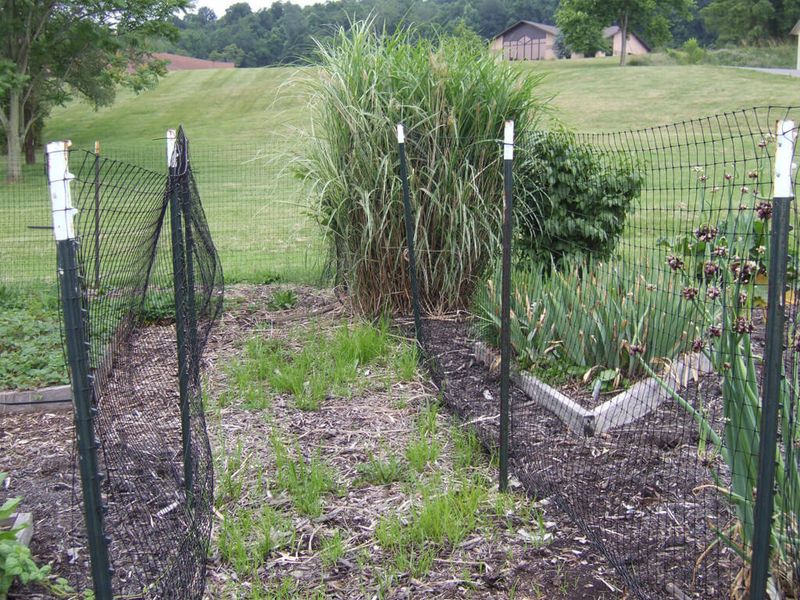
Your boxwoods and your collards are not the same job. Ornamental shrubs can take products that are not meant for anything you plan to eat.
Edible beds need a closer look at the label before anything gets sprayed.
Products differ on whether they may be used on food plants at all, and if so, how long before harvest. UGA Extension warns against putting products containing putrescent egg on food intended for people to eat.
Homemade mixes deserve the same caution. Minnesota’s extension service offers an egg-and-water spray, but UMN Extension describes it as a summer option, says it is not effective over winter, and advises avoiding it on food before harvest.
Treat that as a caution about the recipe, not a Southern timing tip.
If the label does not clearly allow use on your greens, leave them untreated and protect them another way.
Use barriers when a vulnerable bed needs more dependable protection
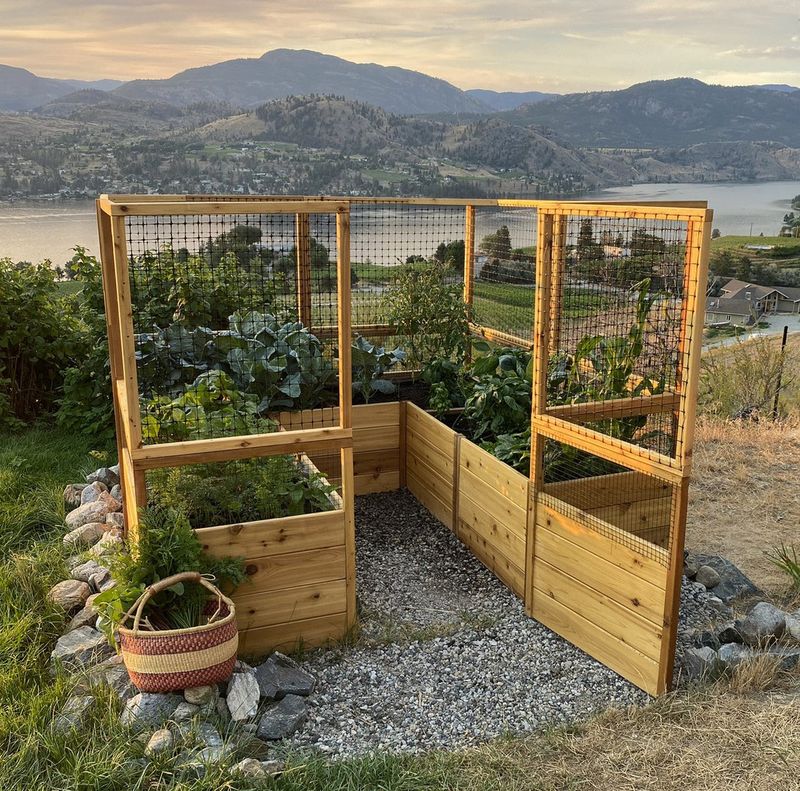
For one small bed or a prized young shrub, a physical barrier can beat any bottle. UF/IFAS Extension lists barriers among its core options for deterring wildlife damage in yards.
The reason is simple. A fence, tall netting, or a cage around a shrub works whether or not deer find a scent offensive.
The UC Statewide IPM Program points to exclusion as the most dependable long-term control where deer pressure is substantial.
Small spaces make this practical. Posts and netting around a raised bed of greens cost less than repeated repellent purchases for a single season.
Repellents can still play a part as one layer, especially on shrubs you cannot easily fence. Just expect fewer bites, not a yard cleared of deer.
A fence does not ask the deer for their opinion.