
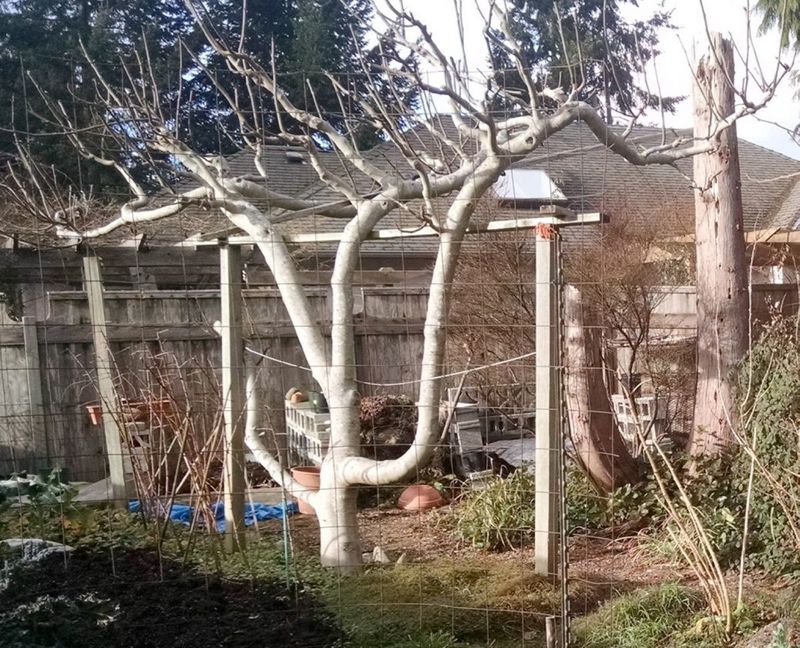
That tidy fall trim on your fig tree might cost you the first figs of summer. Those early fruits grow on wood from last year, and a pair of loppers can remove it fast.
Waiting for late winter sounds smarter, but it does not solve the problem by itself. Here is how to prune so you keep the figs you want.
Breba figs form on last year’s shoots
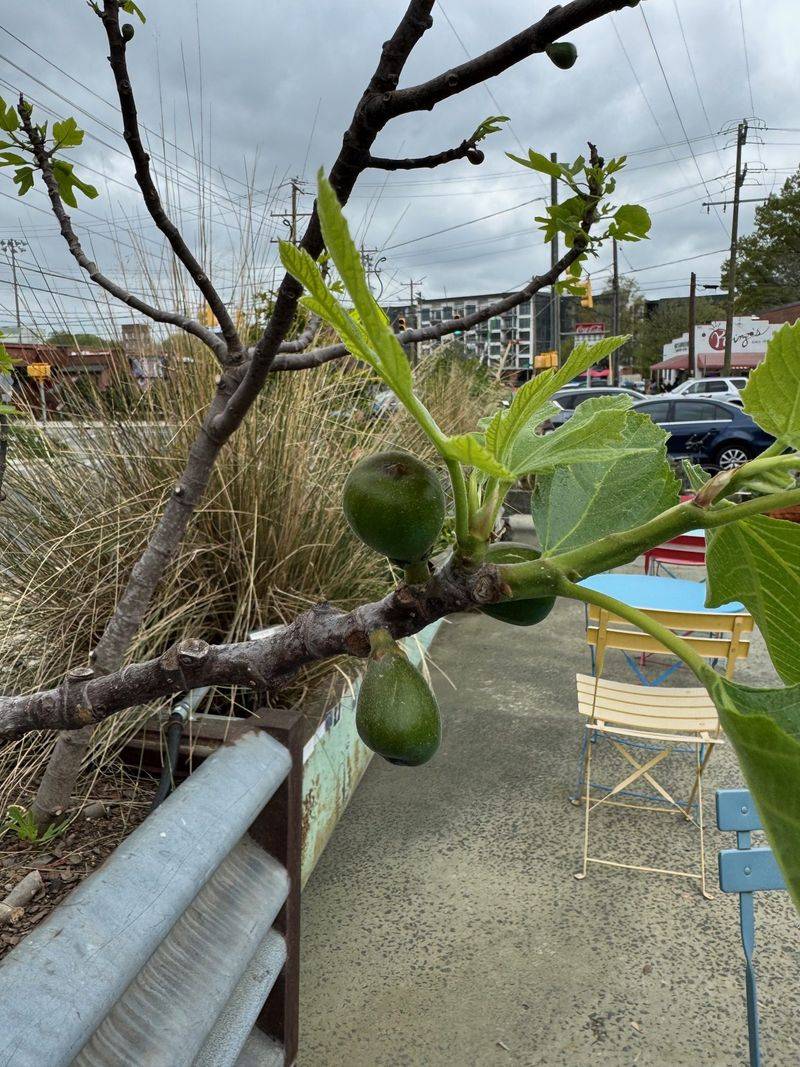
Fig trees can bear two crops, and they grow in different places. The early crop, called brebas, develops on shoots from the previous year, as Rutgers Cooperative Extension explains.
The later main crop forms on growth the tree makes during the current season.
That difference is the key to pruning. A branch that grew last summer can carry tiny embryo figs that start swelling the next spring.
Cut that branch off, and you also cut off its potential early figs.
Current-season shoots are still free to make the main crop, so the tree is not left empty-handed. Still, UF/IFAS notes that figs fruit on the ends of previous-year wood, which is why heavy cutting can shrink the following year’s harvest.
Not every tree sets many brebas, but when yours does, those older branches are where the first figs ride.
Does waiting until late winter save that crop?
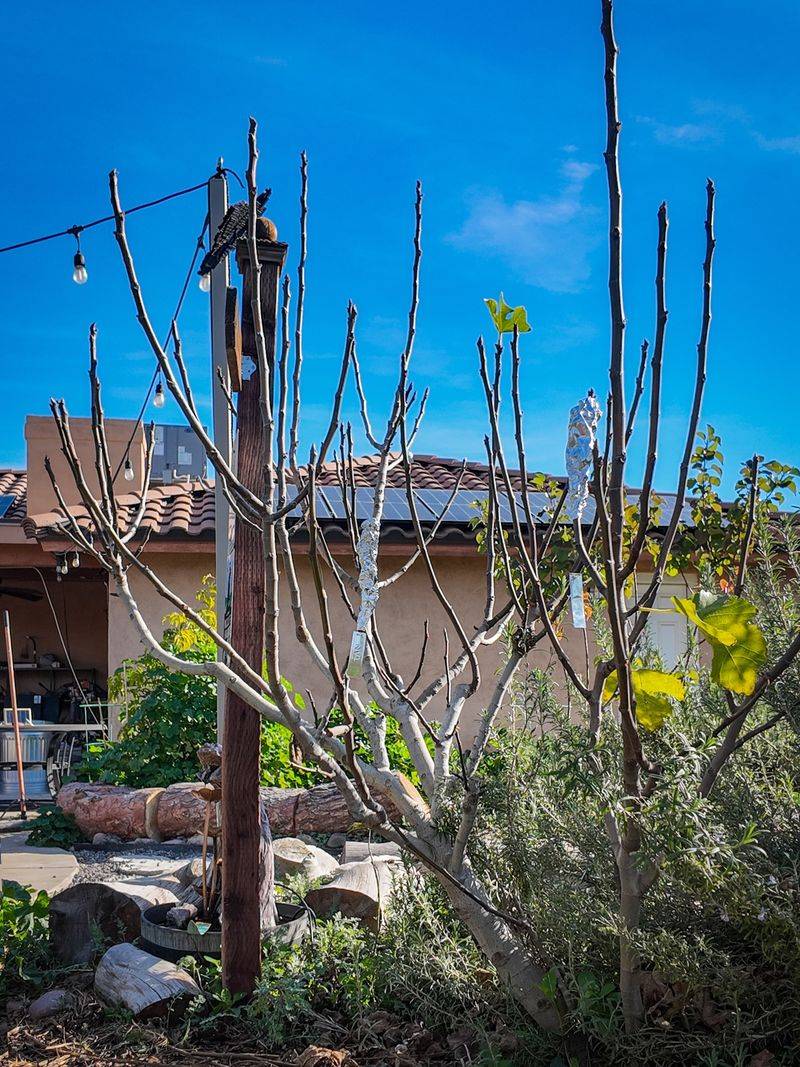
Late winter has a reputation as the safe time to prune, but the calendar does not change where the early figs sit. A cut in October and a cut in February can remove the exact same previous-year branch.
Either way, that branch’s potential brebas go with it.
This follows from how the tree fruits. Since brebas form on last year’s growth, the question that matters is which wood you remove, not the month you remove it.
Late winter may suit your region for other reasons, but it is not a crop shield.
The size of the loss also varies. Taking off a few crowded or damaged limbs is very different from cutting back every long shoot.
UF/IFAS warns that heavy winter pruning can eliminate the next year’s crop, so the amount you cut counts more than the date.
Florida advice and a Central Texas example
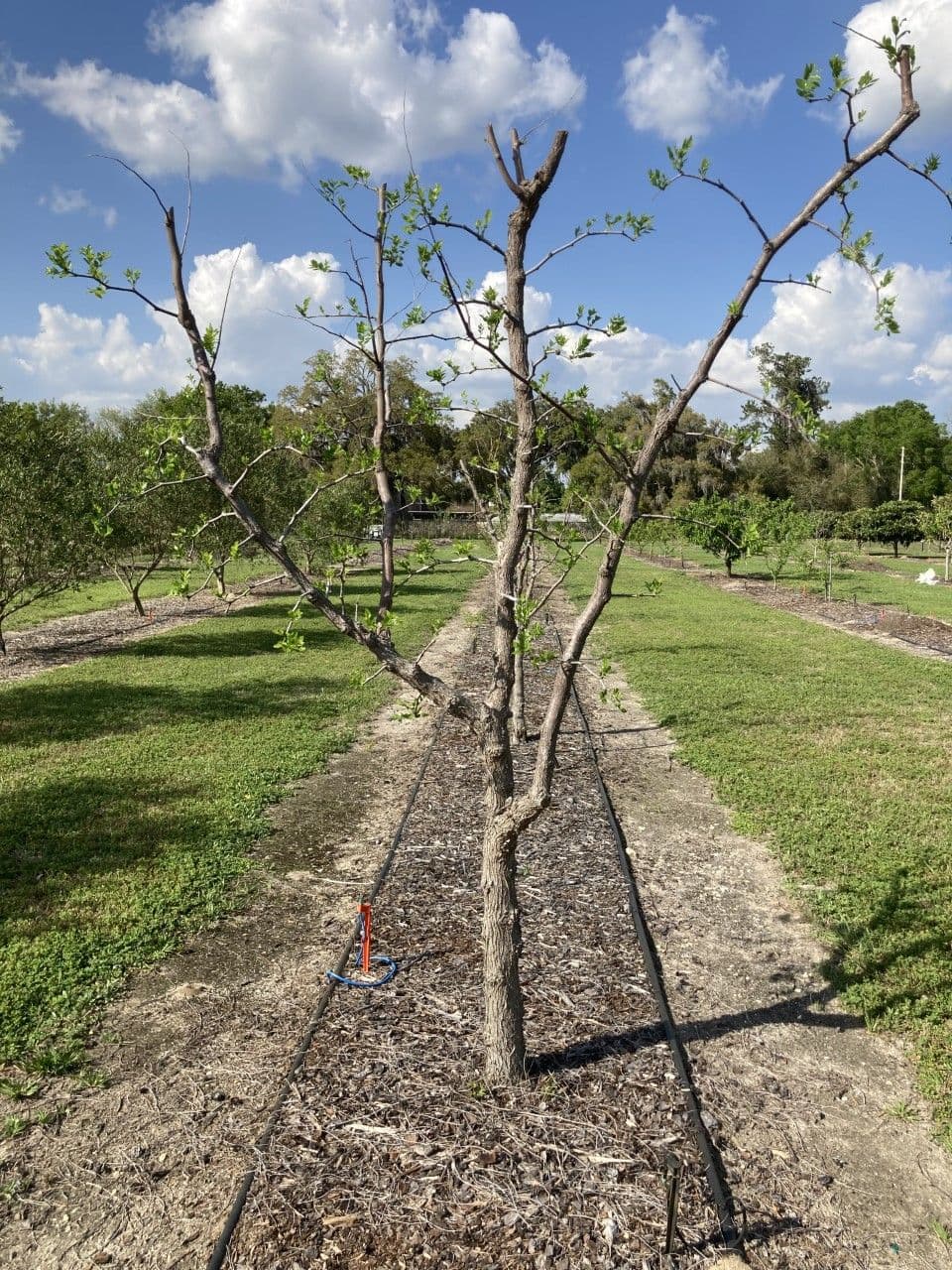
Timing advice depends on where you garden. For Florida, UF/IFAS guidance recommends pruning after harvest.
It also cautions that post-harvest pruning may reduce yield for late-maturing cultivars, so even that window has a tradeoff.
The UF/IFAS Gardening Solutions fig page is a good companion read for Florida growers who want the basics in one place.
Texas is a different story. In a Central Texas response from Texas A&M AgriLife, the advice was to prune in early spring when pruning is needed, letting the tree’s growth and any cold damage guide how much to take.
That is one local answer to one gardener’s question, not a statewide calendar. Treat both as regional examples and match them to your own tree.
Keep some old branches if you want brebas
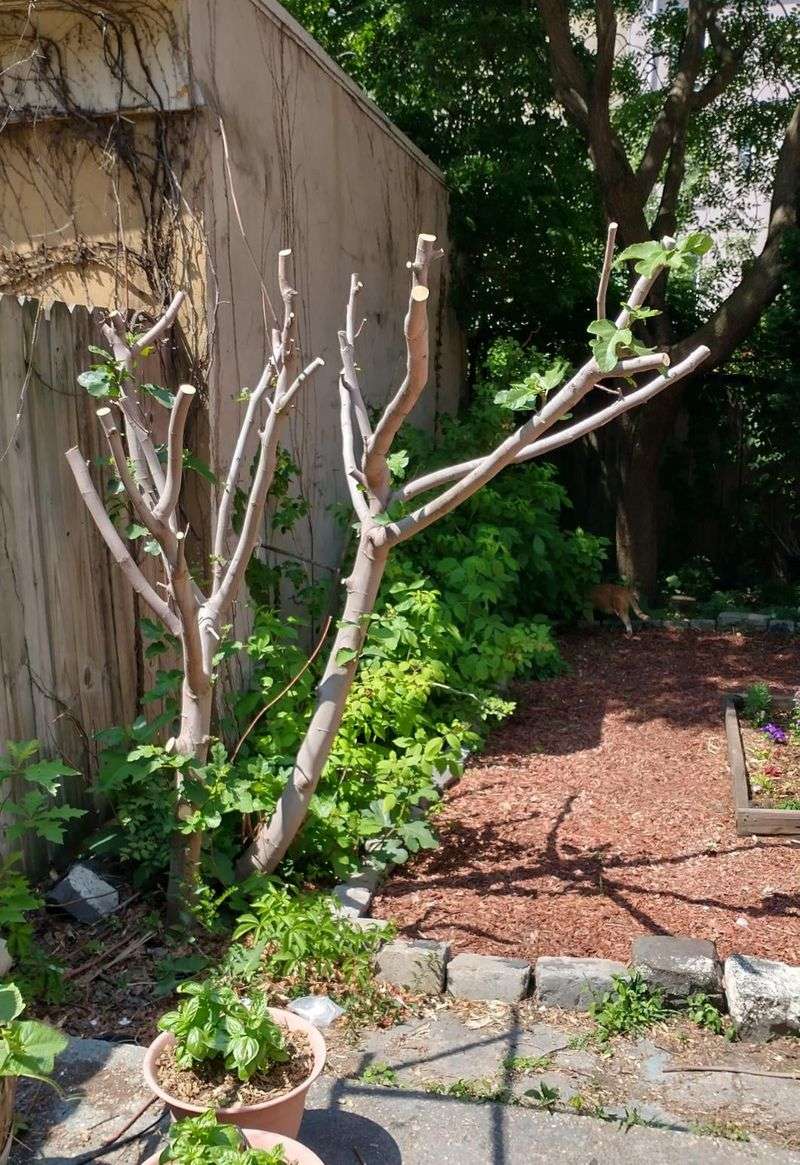
Figs usually do not need much pruning to produce fruit, which gives you room to be choosy. If early figs matter to you, Rutgers advises keeping some full-length branches from the previous year when you prune a mature tree.
Those branches hold your potential breba sites.
Think of two separate jobs. One is removing wood that is dead, weak, or diseased, which is routine care.
The other is shaping or trimming for size, and that is where you decide how much fruiting wood to spare.
The Central Texas response mentioned earlier suggests pruning only as needed to manage size or stimulate growth. It also says a tree already making about a foot of new growth a year can often be left alone, though that is local expert advice rather than a rule for every site.
You can read the full answer here. Since UF/IFAS also notes that figs need little pruning, restraint is a sound default.
Cultivar and growing conditions change the payoff
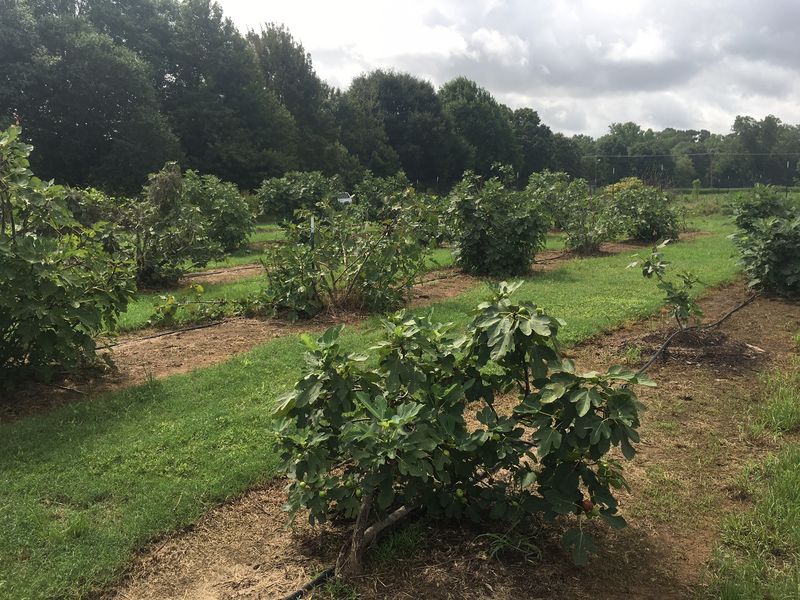
Not every fig tree gives a big early harvest. A variety that can make two crops may skip one in a given year, and some varieties mostly produce the second crop.
Rutgers notes that pruning intensity and cold exposure both affect how much fruit you get.
Texas guidance gives cultivar-specific examples. Texas A&M AgriLife material says mature Celeste and Alma trees generally should not be pruned, because pruning reduces their crop size.
The same source says Texas Everbearing can still produce a fair crop after heavy winter pruning.
Those are examples, not guarantees. A frosty winter can thin the early crop even if you never touch the tree.
Watch how your own variety performs over a few seasons and adjust from there.
Protect your skin from fig sap
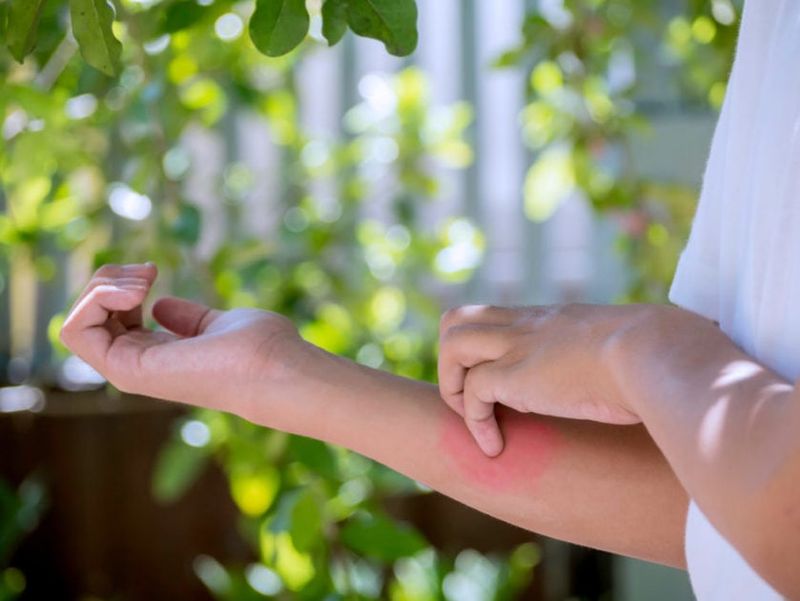
Pruning a fig means handling milky latex, and it can irritate bare skin. UF/IFAS recommends gloves and protective clothing for the job.
Long sleeves and pants are easy extras.
Sunlight adds a bigger risk. Sap on skin followed by sun exposure can cause phytophotodermatitis, a painful and sometimes blistering reaction, as described in a BMJ Case Reports article on severe cases.
If sap lands on you, wash it off promptly and keep the area out of the sun.
Prune with the crop you want in mind
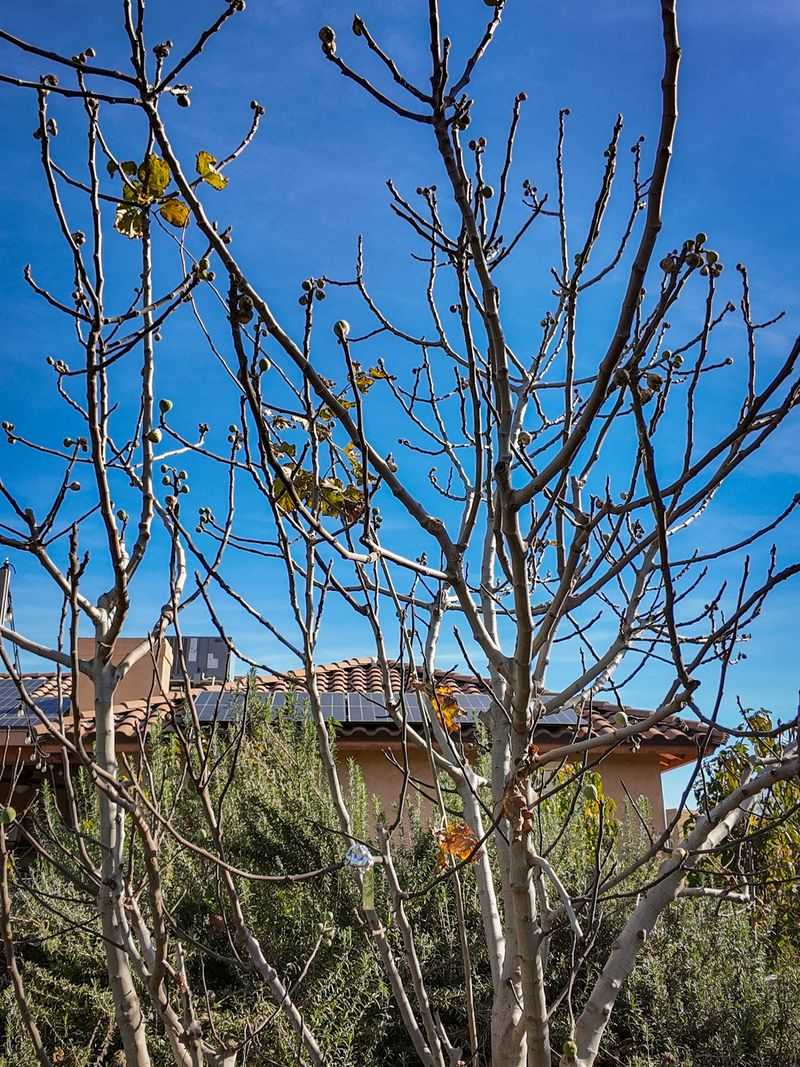
If brebas matter to you, spare some of last year’s wood and cut selectively. Check UF/IFAS guidance if you garden in Florida, or Central Texas advice if your conditions are similar, and consider your cultivar and the tree’s condition.
The season you choose matters less than the branches you leave standing.