
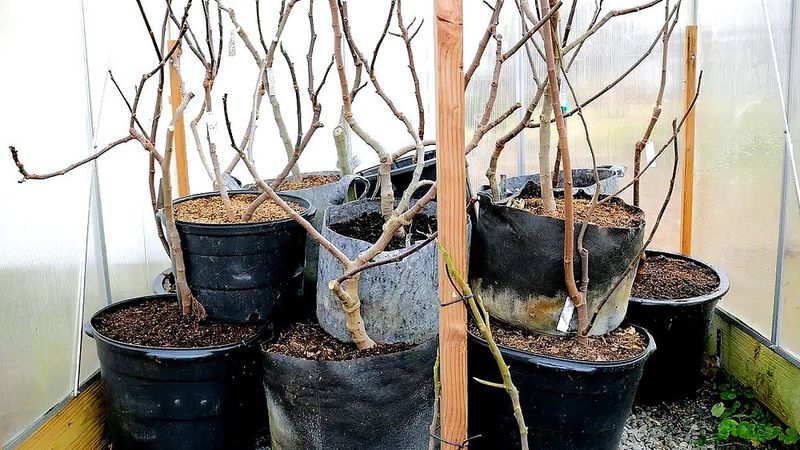
A fig in a pot can look fine all winter and still have trouble below the surface. The roots sit in a small block of potting mix that is open to the air on every side.
For Florida and Texas gardeners, one hard freeze can matter more than weeks of mild weather. Knowing where to put the pot and when to move it can help protect next summer’s growth.
A patio pot leaves fig roots unusually exposed
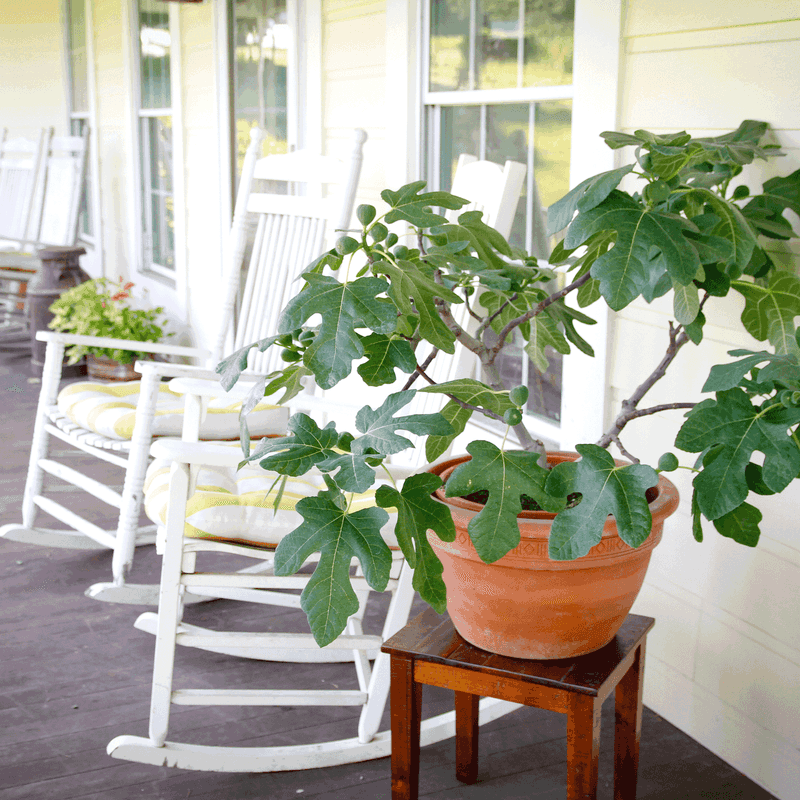
Roots in garden soil get a thick blanket of earth around them. That soil changes temperature slowly, so a cold night does not hit the roots all at once.
A pot has no such blanket, and cold can reach the root ball from the sides, the top, and the bottom.
Guidance on container gardening from Virginia Tech Extension points out that roots in containers face colder and faster-changing conditions than roots planted in the ground. For that reason, an outdoor pot is one of the weak points in a fig’s winter setup.
Fig shoots are generally tougher against cold than the roots are. Illinois Extension advice on overwintering potted plants explains why potted roots deserve extra attention in cold months.
More exposure does not mean every pot will freeze solid or every root system will fail. Pot size, the variety, how long the cold lasts, and where the pot sits all change the outcome.
Think of the pot as a spot that needs a plan, not a guaranteed loss.
Visible branches do not tell the whole story
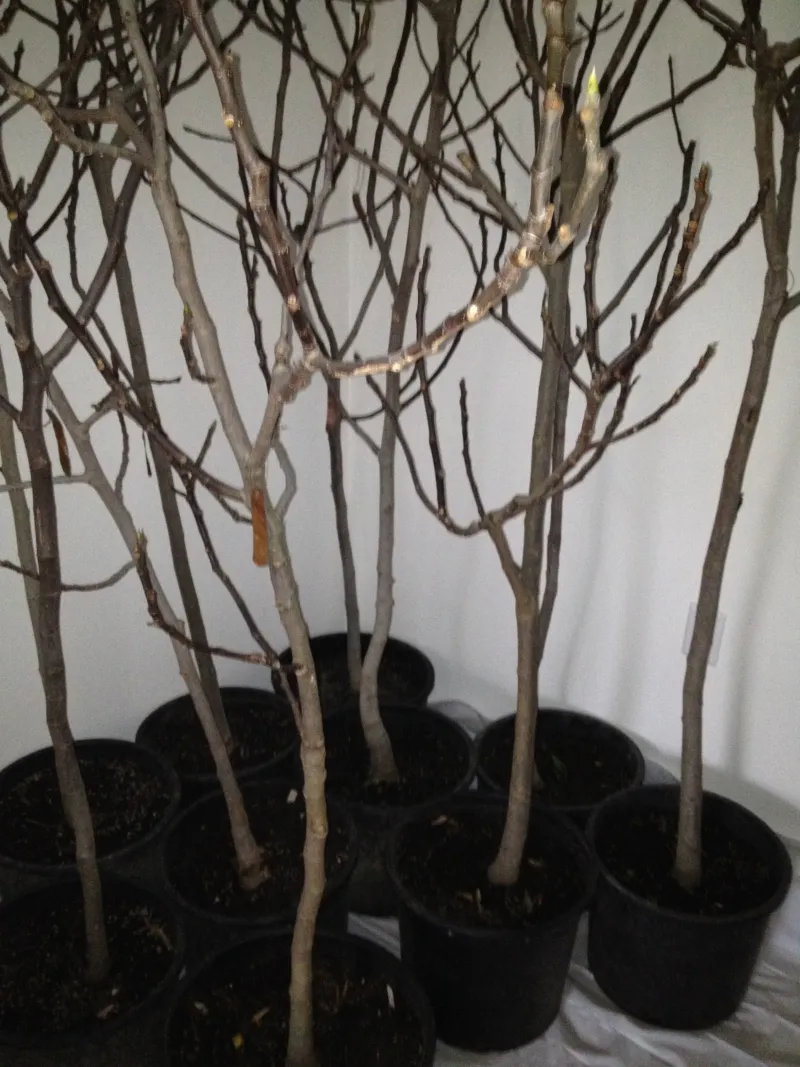
Looking at the branches is the easy way to judge a fig, but it cannot tell you everything about the roots. The root zone sits hidden under the potting mix, so a tree can seem untroubled while its lower parts have been through a hard chill.
Cold injury can also show up late. Texas A&M AgriLife guidance on winter or frost injury says damage may not become obvious until spring or summer.
That advice covers landscape plants broadly. It does not say that fig roots in containers always show damage before the branches do, and there is no reliable order in which injury appears.
The practical lesson is simple. Because a quick glance at the branches can miss problems, the safer move is to protect the pot ahead of the cold instead of waiting for a clue.
Move the dormant fig before the potting mix faces a freeze
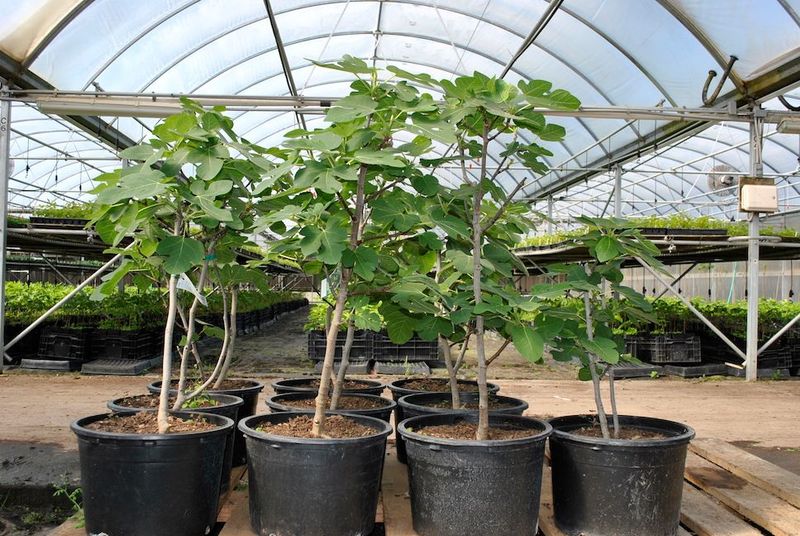
Timing is the key. Once the fig has gone dormant and dropped its leaves, move it to a protected place before forecast cold threatens to freeze the potting mix.
Watch the forecast, because a single cold night can be enough to chill a small pot.
Maryland Extension’s fig guide describes protected winter storage for container figs, and it does not give one move-in temperature for every tree. Dormancy, variety, pot size, and how long the cold lasts all shift the risk.
Iowa State Extension lists hardiness figures for a common fig, but those numbers describe plants growing in the ground. A pot sitting above ground should not be judged by them.
In Florida and Texas, winters vary a lot from one region to the next. Check your local forecast and your county Extension office, and see what Texas A&M AgriLife says about figs in cold winters.
Choose cool, protected winter quarters
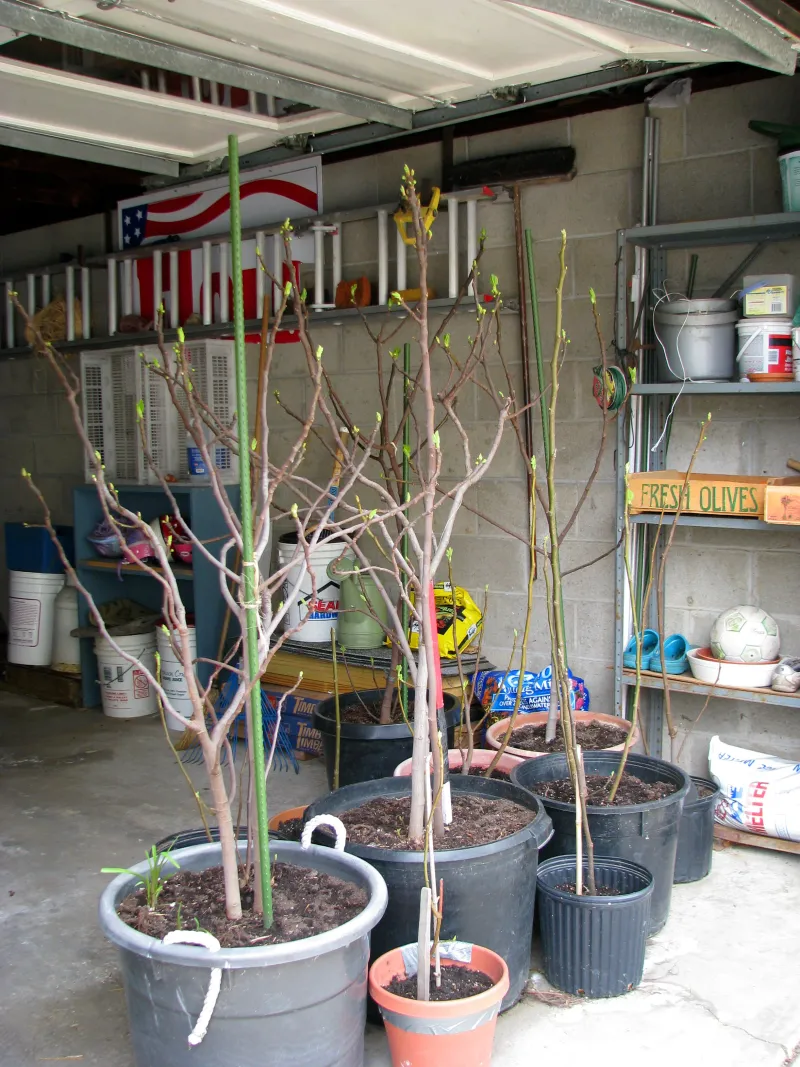
A dormant fig does not need a warm living room. It needs a spot that is cool, sheltered, and out of reach of a hard freeze.
An insulated garage is a common choice, and a similar protected space can work too.
Maryland Extension recommends protected, temperature-controlled winter storage for container figs. The aim is to keep the potting mix from freezing while the tree stays at rest.
Pick a place that stays steadier than the patio. A corner away from the door, with the pot off bare cold ground, can help.
Southern garages and sheds vary, so a quick look at the coldest spot on a chilly night tells you more than a guess.
Skip bright warmth that might wake the tree too early. Quiet, cool, and protected is the goal.
If the pot must stay outside, insulate it

Some gardeners cannot move a heavy pot. In that case, group the containers together in a sheltered spot, such as against a wall that blocks wind.
Packing mulch or leaves around the pots can slow the loss of heat from the sides.
Guidance from Illinois Extension and Texas A&M AgriLife supports these steps. They can reduce heat loss, but they cannot promise protection through a prolonged or severe freeze.
A freeze cover is a different tool. UF/IFAS Extension notes that coverings protect better against frost than against extreme cold, and plastic touching foliage can cause injury.
So insulate the pot first, then add a cover if needed. Treat the cover as a helper, and move the pot to shelter when a hard freeze looks likely.
Check stored soil without keeping it soggy
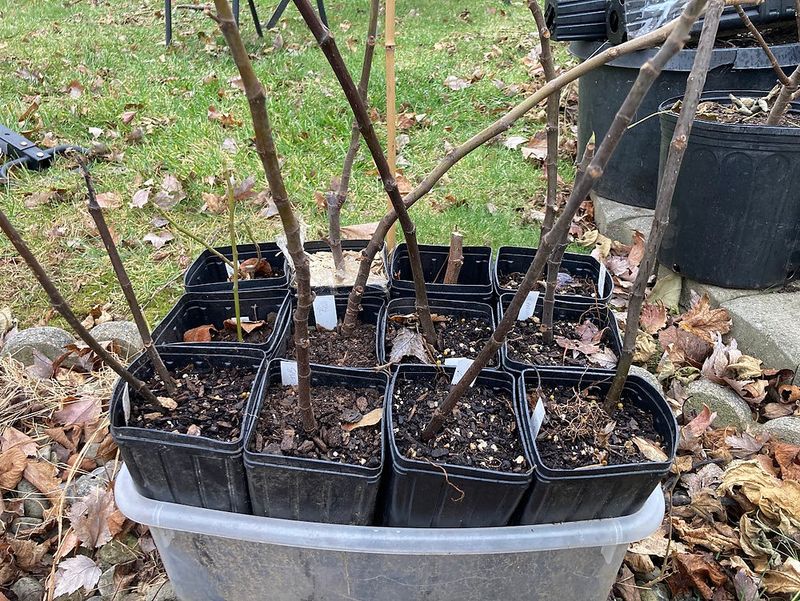
Once the fig is tucked away, do not forget about it. Every so often, press a finger into the potting mix and see how it feels.
The goal is to keep the soil from drying out completely.
Illinois Extension explains that dormant roots still take up water, so they should not be left bone dry for the whole season.
Wet is not the answer either. Maryland Extension cautions against potting mix that stays constantly wet.
The sources do not set a watering schedule, so use the feel of the mix as your guide. If it is dry throughout, give it a light drink.
If it is damp, leave it alone and check again later.
Root survival does not guarantee next summer’s figs
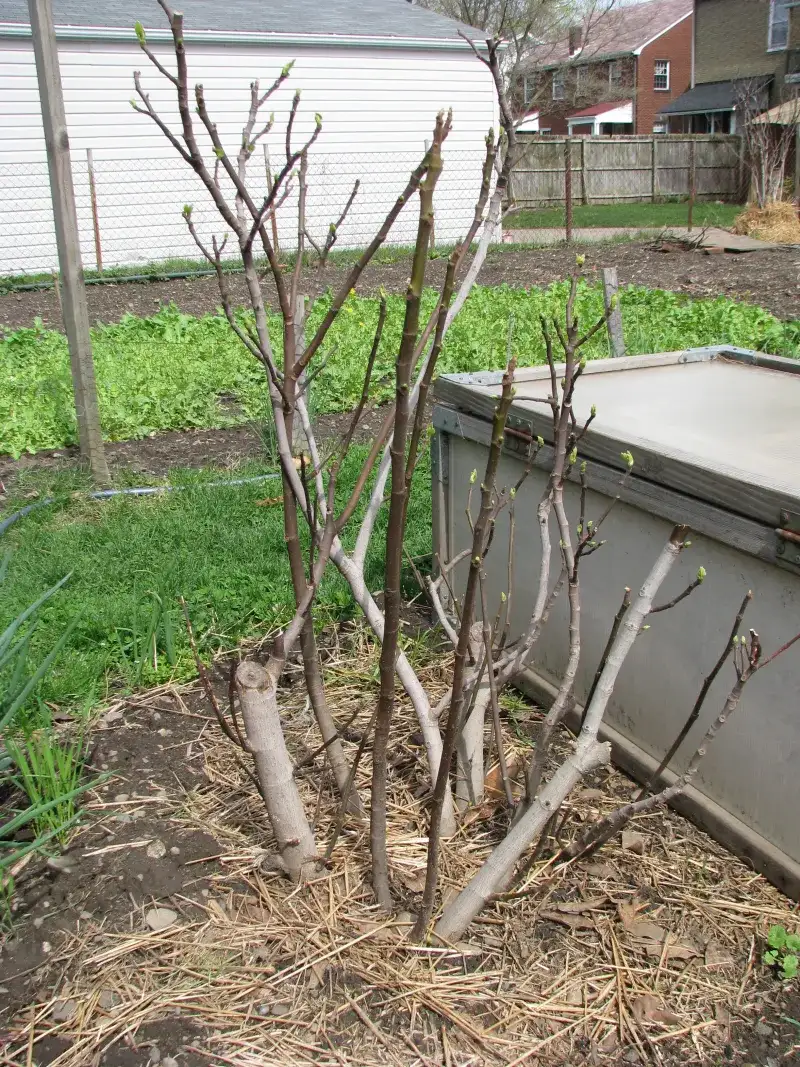
A living root system is good news, but it is only part of the story. Fruit depends on the stems as well.
Maryland Extension reports that shoots growing from roots after severe top damage rarely mature fruit that same season.
Damage to main stems can also reduce production the following summer. A tree can bounce back with plenty of green growth and still give a smaller crop, or none at all.
That is why protecting only the roots does not promise ripe figs. Protection improves the odds that the tree comes through in better shape, but it cannot lock in a harvest.
Cold is rarely kind to a pot left in the open. Move or insulate it before the freeze arrives, and let spring show what you saved.