
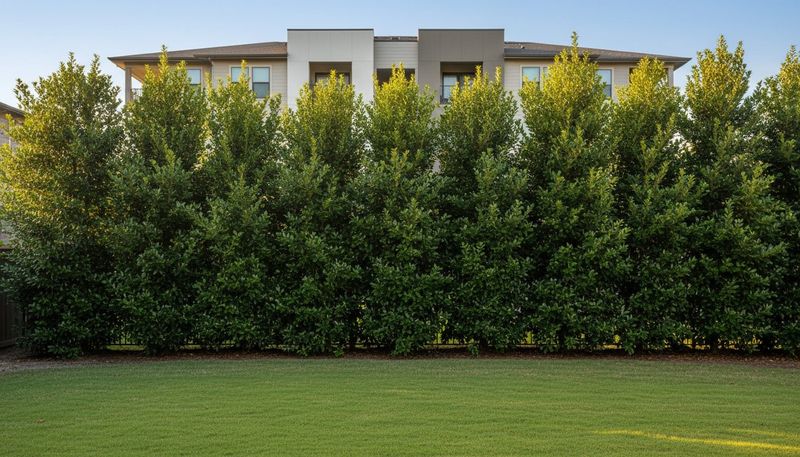
A heavy Texas thunderstorm can wash a sloped yard right down into the street in a single afternoon. Many homeowners think a costly retaining wall is the only fix, but tough native shrubs can do much of that work with their roots.
These plants grab soil, slow runoff, and shrug off triple-digit heat once they settle in. Here are ten Texas natives that can turn a crumbling hillside into a living, blooming slope.
1. Texas Sage (Cenizo)
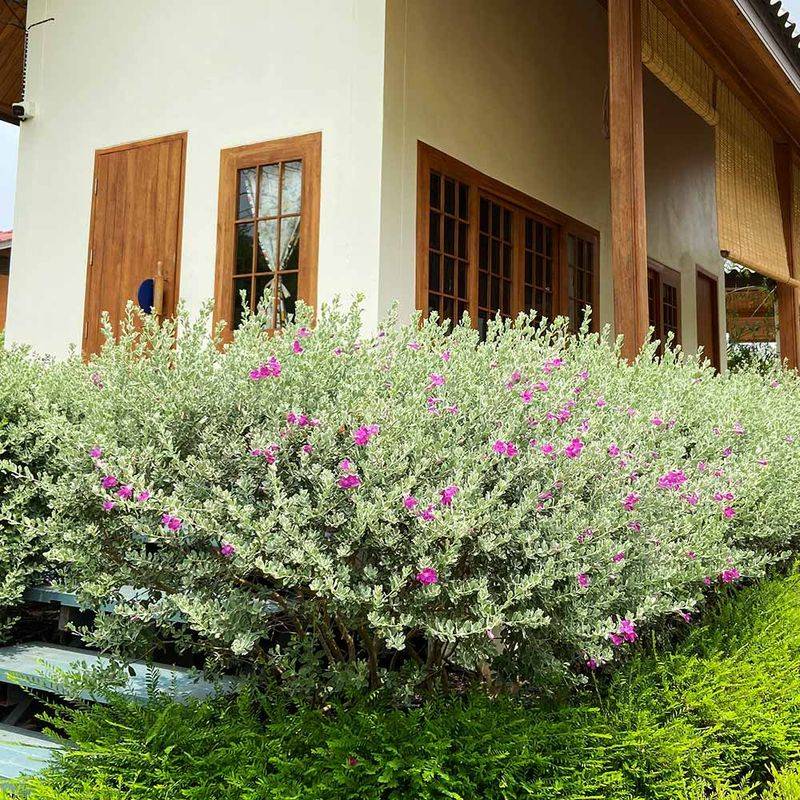
Old-timers in the Hill Country call it the barometer bush, because cenizo often bursts into purple flowers right after a rain. That quirky habit makes it fun to watch, but its real gift to a slope is underground.
Texas sage sends deep, woody roots down through caliche and rocky soil, pinning loose ground in place. Its silvery leaves reflect heat, so it handles west-facing hillsides that bake all afternoon.
Plant it in full sun with sharp drainage, since soggy feet are the one thing it hates. A slope actually suits it, because water runs off before it can rot the roots.
Space plants about four to five feet apart and skip the fertilizer.
2. Fragrant Sumac
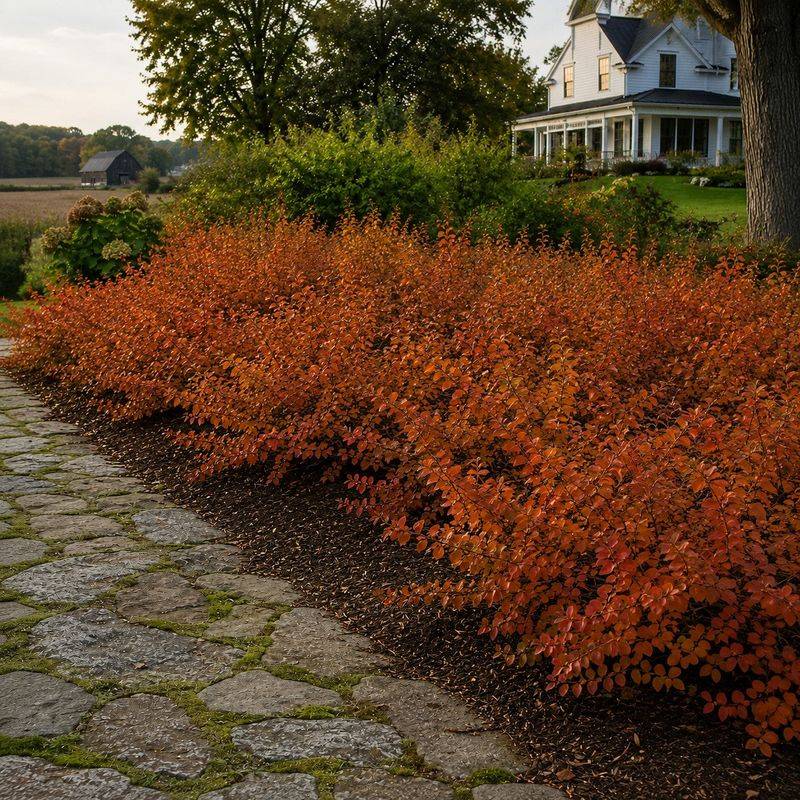
If your slope needs a carpet more than a hedge, fragrant sumac is the quiet workhorse you want. It spreads by suckering stems that knit together into a dense, low mat.
That suckering habit is exactly what stops soil from sliding. Each new stem adds more roots, so the planting grows stronger every year without you lifting a shovel.
Gardeners love the bonus show, too. Leaves turn fiery orange and red in fall, and small fuzzy red berries feed birds.
The low-growing Gro-Low variety stays around two feet tall, which makes it handy on steep banks you would rather not mow.
3. Agarita
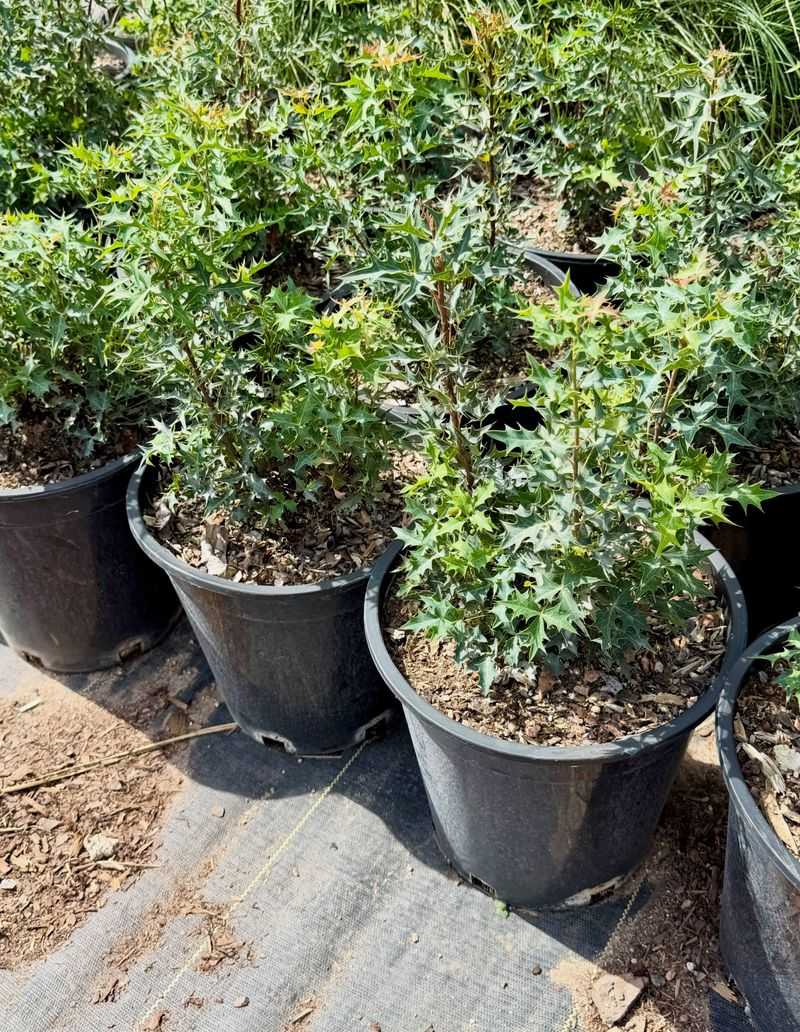
Picture a shrub so tough that deer walk right past it. Agarita wears holly-like leaves edged with sharp spines, and it has been gripping Texas limestone ridges for centuries.
Its roots dig into thin, rocky soil where few plants survive. Once established, it rarely needs a drop of extra water, even through a dry July.
In late winter, tiny yellow blooms smell sweet and wake up early bees. Red berries follow, and folks have used them for jelly for generations.
Tuck agarita along the top edge of a slope where its prickly leaves can also guard the bank from foot traffic.
4. Coralberry
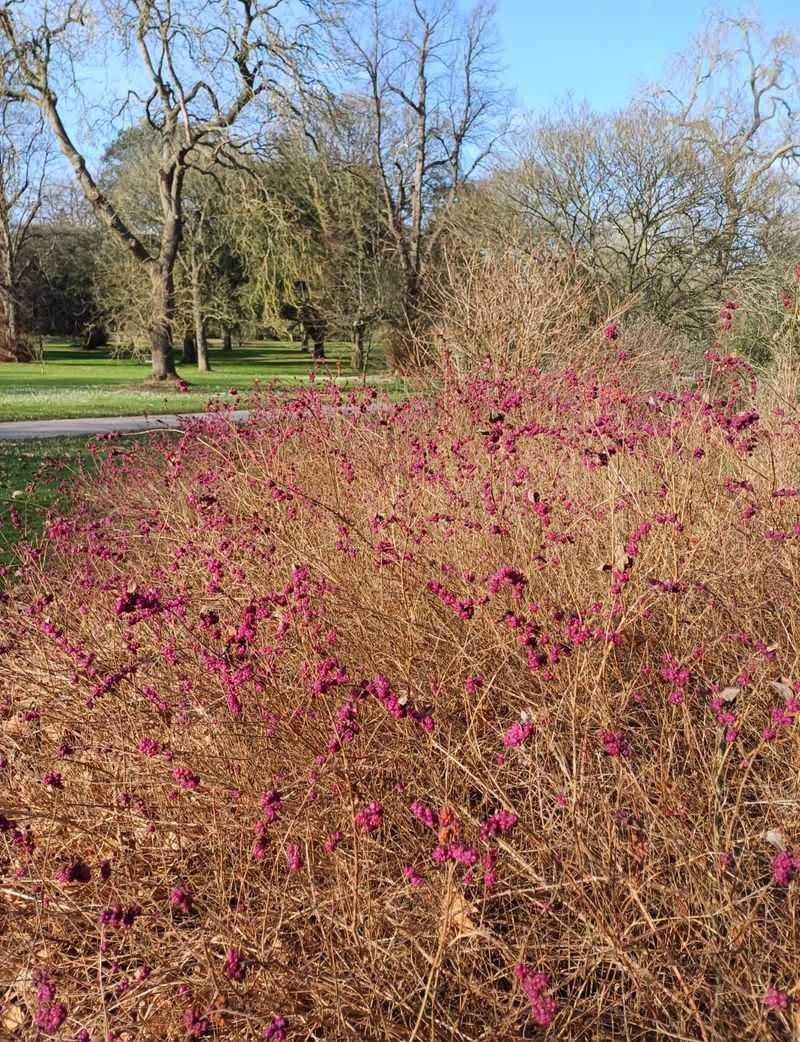
Shady slopes are tricky. Grass thins out under trees, bare dirt appears, and every rain carries more of it away.
Coralberry steps in where sun-loving shrubs give up. It spreads by underground runners and arching stems that root where they touch the ground, forming a thick, soil-holding thicket.
Come fall, the stems fill with clusters of pinkish purple berries that last into winter and give birds a snack in lean months. It tolerates clay and partial shade, which makes it a smart pick for East Texas and the Dallas area.
Plant several in a staggered pattern so they fill gaps quickly.
5. Flame Acanthus
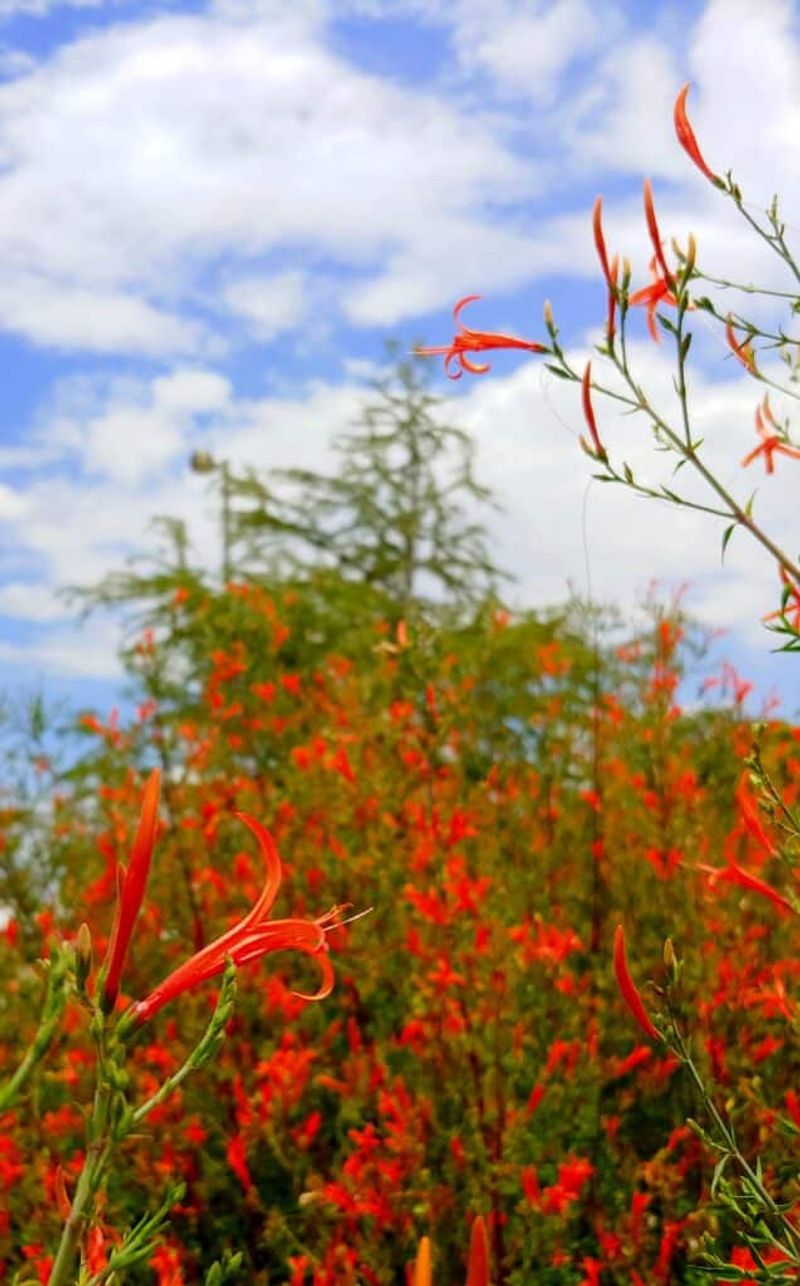
Hummingbirds treat flame acanthus like a roadside diner, zipping in for its orange tubular flowers from summer through fall. You get a front-row show while the plant handles the dirt work.
Its fibrous roots spread widely and hold topsoil well on gentle to moderate slopes. It grows three to four feet tall and tolerates heat that wilts most flowering shrubs.
Cut it back hard in late winter to keep it full and bushy. It bounces back fast, often blooming within weeks.
For a sunny bank you want to stabilize and enjoy at the same time, this one earns its spot.
6. American Beautyberry
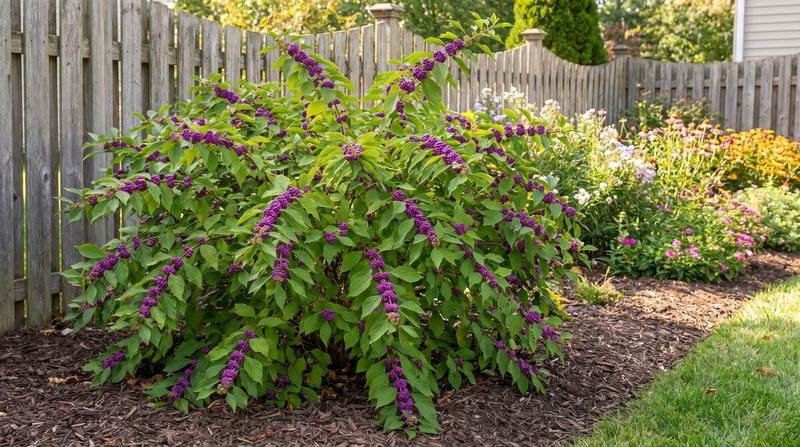
Nothing in a Texas fall garden quite matches those jewel-bright purple berries wrapped around every stem. Neighbors will ask what it is.
Beautyberry grows quickly to about five feet and builds a wide, fibrous root system that suits banks and drainage edges. It handles part shade, sandy soil, and the humid Gulf Coast without complaint.
Mockingbirds, cardinals, and other birds strip the berries in winter. Many Texans also rub crushed leaves on their skin, as some studies suggest compounds in them may help repel mosquitoes.
Plant it partway down a slope where runoff collects, since it appreciates a bit of extra moisture.
7. Yaupon Holly
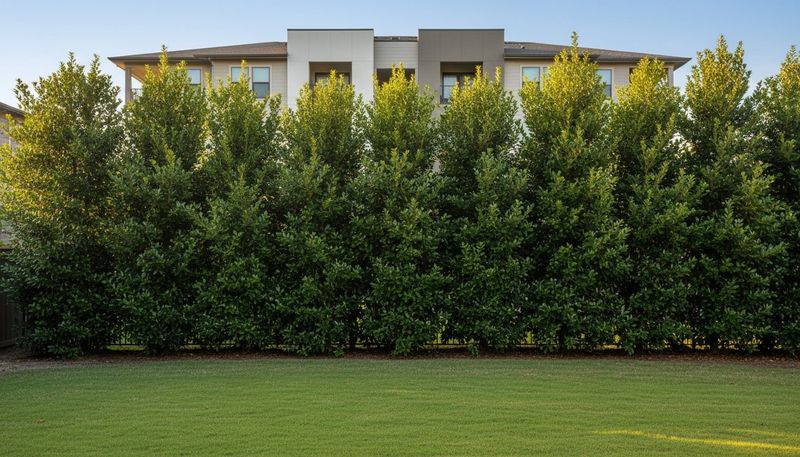
Evergreen structure matters on a slope, because bare winter soil erodes just as easily as summer soil. Yaupon holly keeps its small glossy leaves all year.
It handles almost anything Texas throws at it: clay, sand, drought, salt spray, and soggy spells along the coast. Dense branching slows rainwater as it hits the ground, while the roots keep the bank firm.
Dwarf forms stay compact for low hillsides, and full-size plants can screen a view on bigger banks. Female plants carry red berries birds love.
Fun fact: yaupon is the only native North American plant with caffeine, and some folks brew it as tea.
8. Turk’s Cap
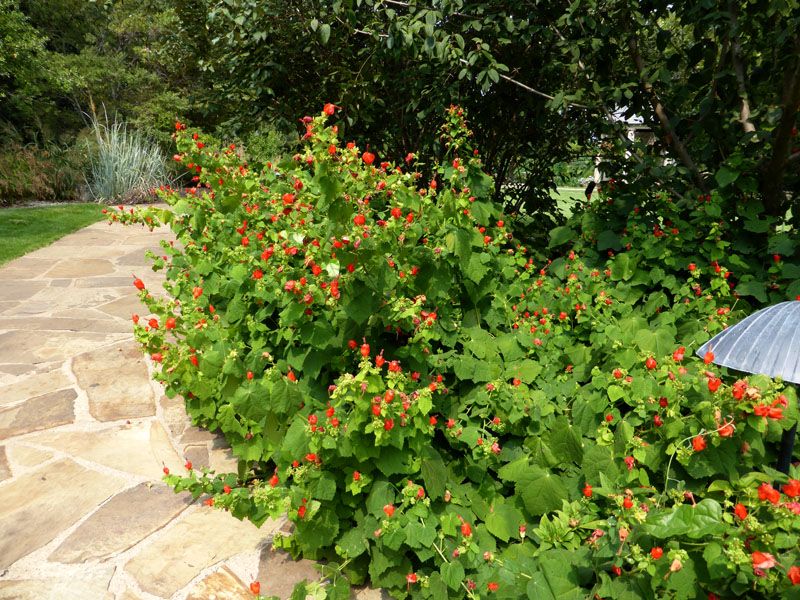
Red flowers that never fully open, like tiny swirled turbans, give Turk’s cap its name and its charm. Butterflies and hummingbirds keep it busy all summer.
For slopes, its strength is how it spreads. Turk’s cap fills out in wide, leafy clumps that shade the soil and keep rain from hitting bare ground directly.
It thrives in sun or shade and grows happily under live oaks where little else will. Trim it back in winter, and it returns thick in spring.
Because it can spread vigorously, give it room on a bank rather than a tidy border.
9. Rock Rose (Pavonia)
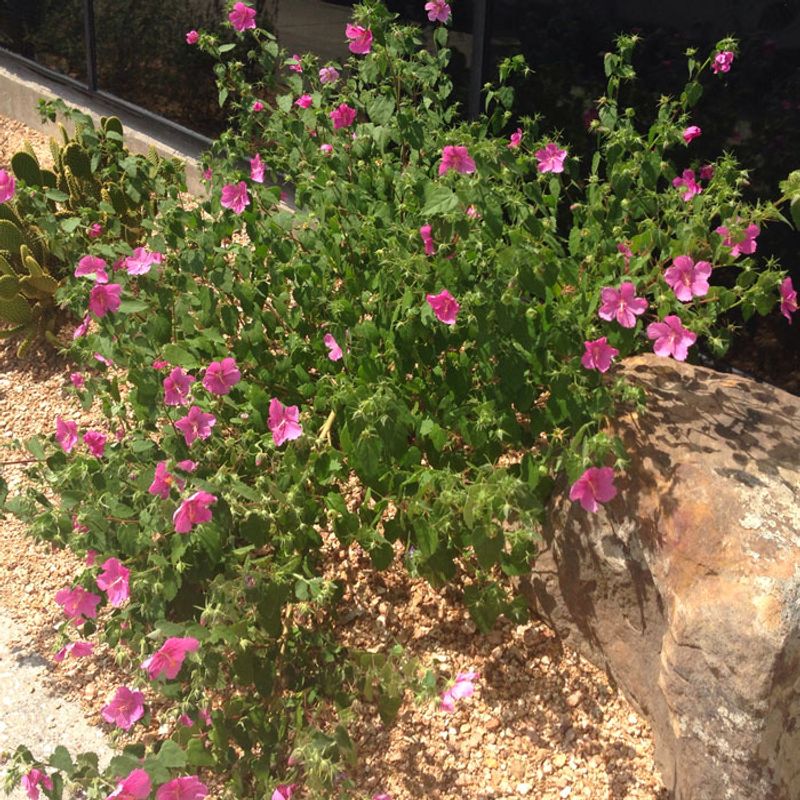
Small but scrappy, rock rose shines on steep spots with almost no topsoil. It settles in among rocks and keeps blooming pink hibiscus-like flowers from spring until frost.
At two to three feet tall, it works well tucked between boulders on a terraced hillside. Its roots wedge into cracks and help hold the loose fill around stones.
Each flower lasts only a day, but new ones keep coming even in August heat. It self-seeds a bit, which helps fill bare patches on a bank over time.
Pair it with Texas sage for a low-water slope that looks good nearly all year.
10. Dwarf Wax Myrtle
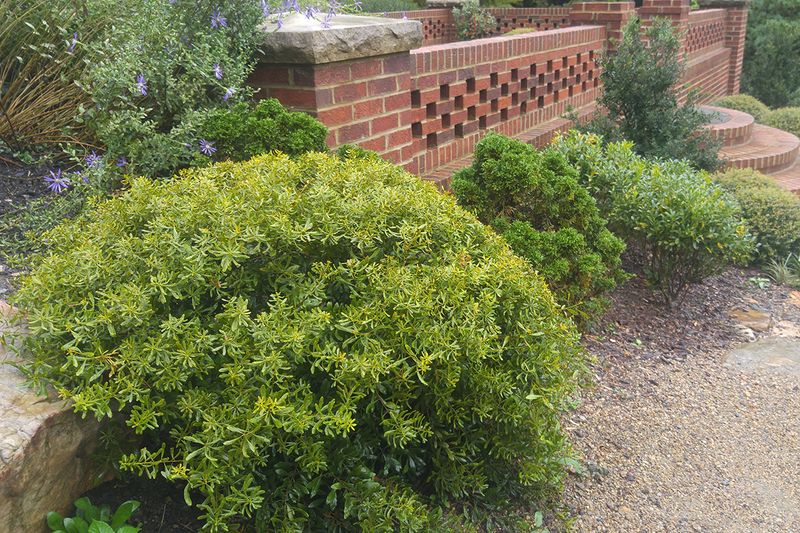
Gulf Coast homeowners know storms can hammer a slope with wind and sheets of rain. Dwarf wax myrtle stands up to that punishment better than most.
It forms a dense, rounded evergreen mass three to five feet tall, with roots that spread to anchor sandy or clay soils. It also fixes nitrogen, so it can grow in poor ground without much feeding.
The leaves give off a pleasant spicy scent when brushed, and colonial settlers once boiled the berries for candle wax. Plant a row along the lower half of a slope to catch runoff before it reaches your driveway.
Once these ten shrubs take hold, your hillside can stay put for years with far less work than a wall.