
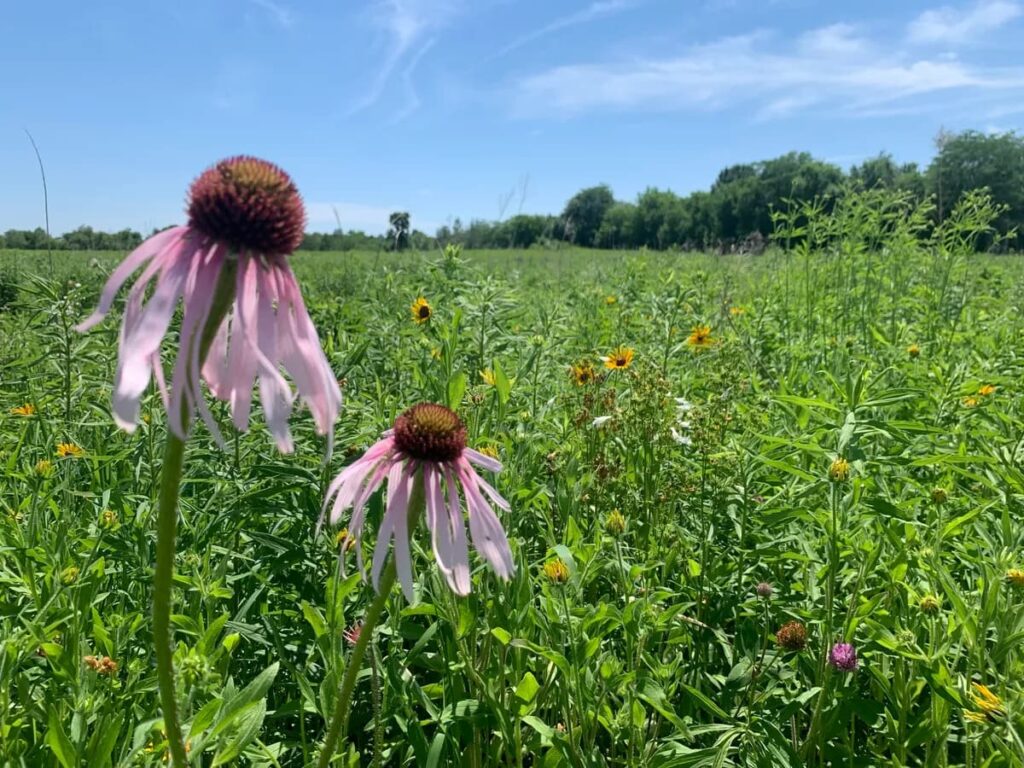
Bare dirt in a Texas flower bed is an open invitation for weeds, runoff, and a yard that looks unfinished all summer. The good news is that some tough perennials spread quickly enough to cover that ground in a single growing season.
Many of them are Texas natives or proven performers that shrug off triple-digit heat and watering limits. Plant them this fall or next spring, and your beds can look full and settled by next summer.
1. Frogfruit (Phyla nodiflora)
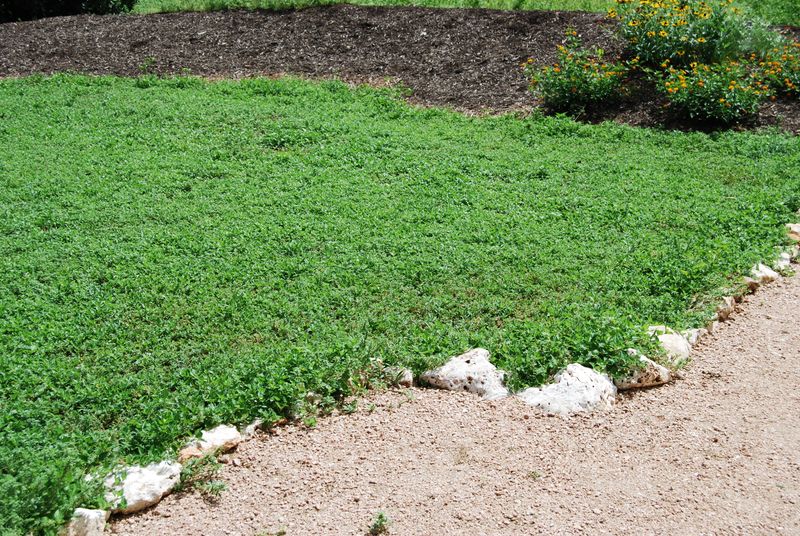
Few plants earn the nickname living mulch as honestly as frogfruit. A single four-inch pot can creep two to three feet across in one warm season, rooting as it runs along the ground.
Native across much of Texas, it handles heat, light foot traffic, and both dry spells and occasional flooding. Its tiny white blooms feed phaolas butterflies, buckeyes, and native bees from spring until frost.
Use it along path edges, under roses, or in spots where turf keeps failing. Space plants about 18 inches apart, water them in through the first month, and expect a solid green carpet by next summer.
2. Mexican Feathergrass Alternative: Gulf Muhly
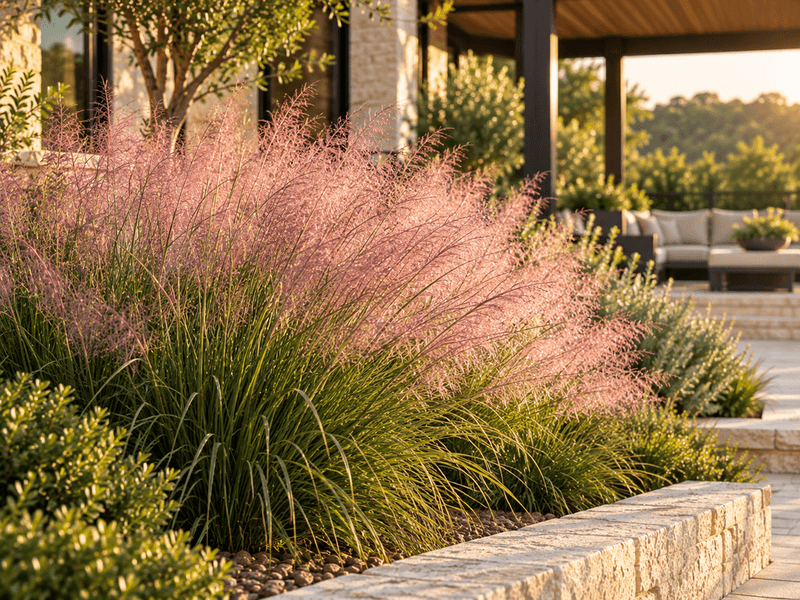
Picture a pink haze rolling across your border every October. Gulf muhly delivers that show, and it does it fast compared to most ornamental grasses.
Small plugs bulk up into two-foot clumps within a year, especially in well-drained soil and full sun. It is native to Texas, tolerates salty Gulf Coast air, and needs little water once settled.
Because it forms clumps rather than running, it fills space without invading your neighbor’s yard. Plant in groups of five or more, about two feet apart, for a mass that reads as one flowing sweep.
3. Blackfoot Daisy
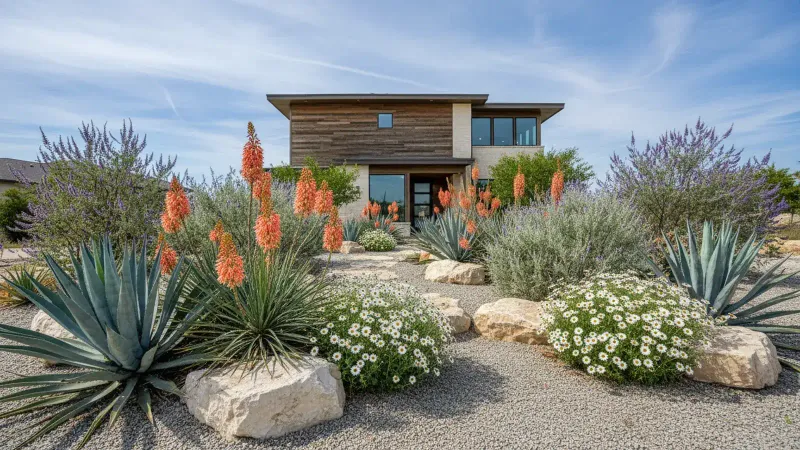
Hot, rocky, and forgotten corners are where blackfoot daisy shines. The plant actually prefers lean soil and sulks if you pamper it with too much water.
Within one season, a single plant can mound up to two feet wide, covered in honey-scented white daisies from spring through fall. It is native to the Hill Country and West Texas, so caliche and limestone feel like home.
The one rule: give it sharp drainage. Tuck it beside driveways, along rock walls, or in gravel beds, and skip the extra watering once it is established.
4. Turk’s Cap
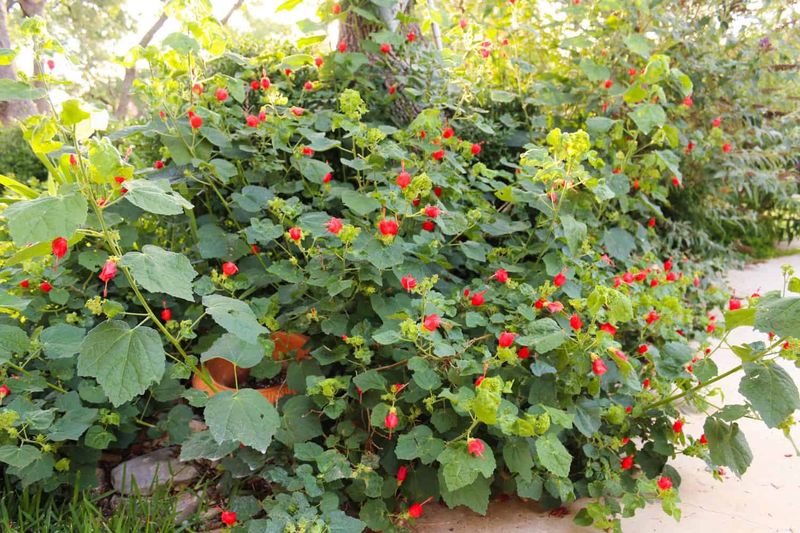
Shade gardeners, this one is your shortcut. Turk’s cap grows three to five feet tall and wide in a single year, spreading by suckers to fill those dim spots under live oaks.
Its red, never-quite-open flowers look like tiny swirled turbans, and hummingbirds visit them nonstop from summer into fall. Later, small red fruits draw mockingbirds and other songbirds.
Plants handle drought, deer pressure, and heavy clay soils. Cut them back hard in late winter, and they return fuller each spring, so give them room or edge them where you want a clean line.
5. Trailing Lantana
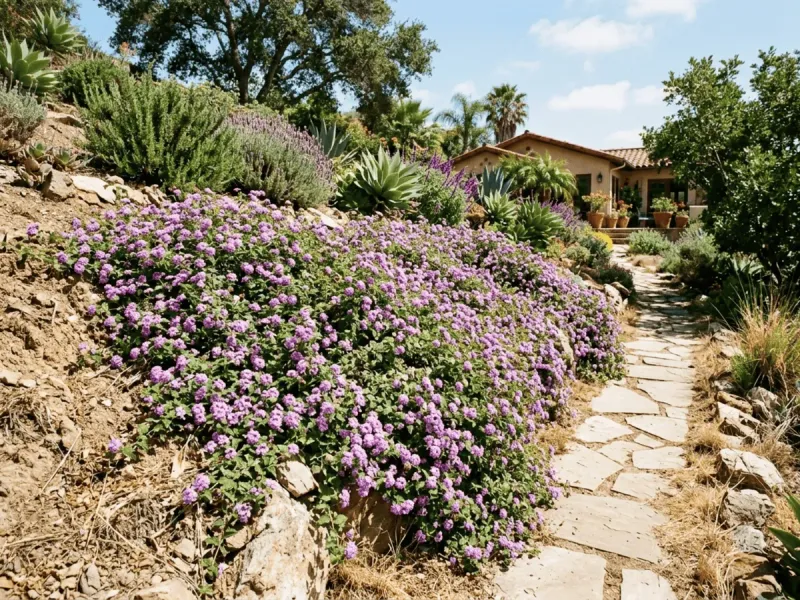
When July hits 105 degrees and everything else looks tired, trailing lantana keeps blooming like nothing happened. Its purple or white flowers carpet the ground for months.
One plant easily spreads three to four feet across by its first fall. It thrives in full sun, poor soil, and tight watering schedules, making it a favorite for slopes and hot curbside strips.
Butterflies cover it all season long. Trim it back after a freeze in North Texas, and it may return from the roots, while Gulf Coast and South Texas gardens often see it stay green all year.
6. Mexican Mint Marigold
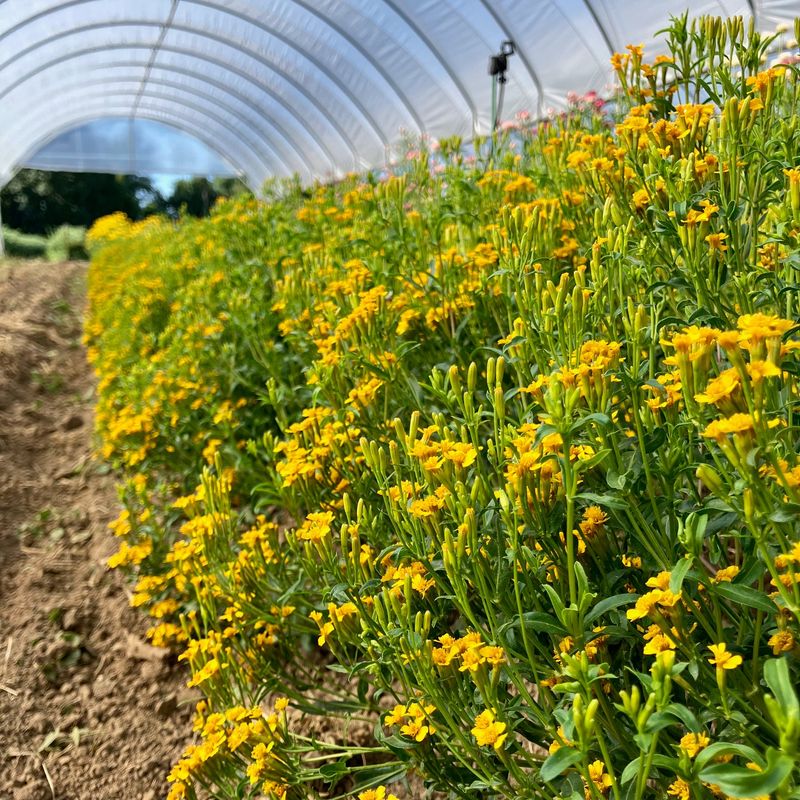
Here is a plant you can admire and cook with. Mexican mint marigold smells like anise and stands in for French tarragon in Texas kitchens where true tarragon melts in the heat.
Plants reach two to three feet in a season and fill out into tidy, bushy mounds. Then fall arrives, and they explode with golden blooms just as many summer flowers fade.
Plant a few in a sunny bed and they will self-sow gently, filling gaps by next year. Snip leaves for chicken or tea, and enjoy the bonus of a deer-resistant border.
7. Cherry Sage (Salvia greggii)
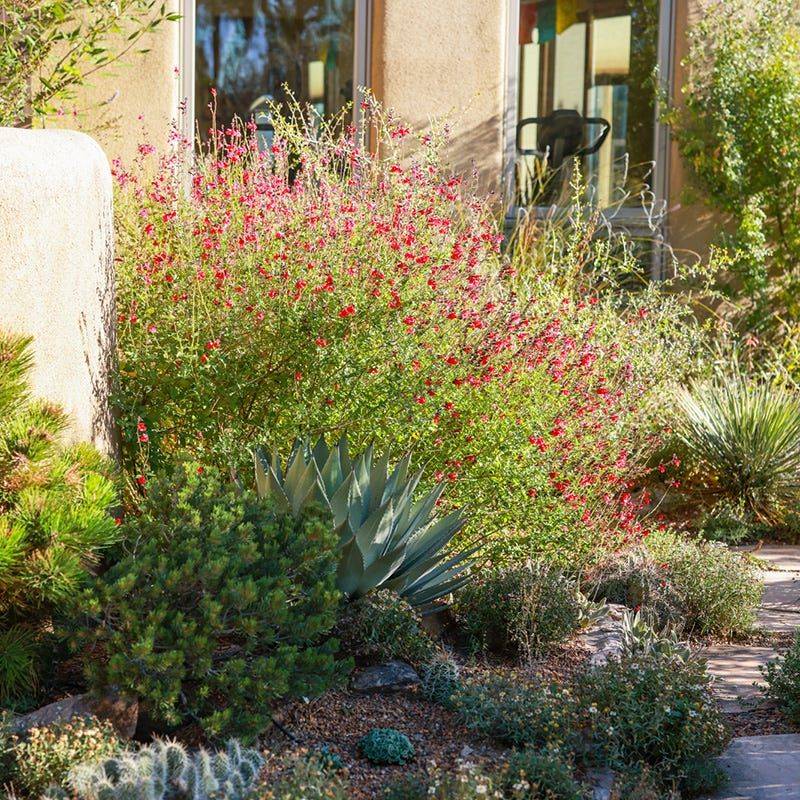
Ask any Texas nursery worker for a sure bet, and Salvia greggii will probably come up first. Autumn sage, as many call it, is a Hill Country native that grows into a full two- to three-foot shrub within a year.
It blooms in waves from spring to frost in red, pink, coral, or white. Hummingbirds treat it like a refueling station.
Plant on three-foot centers in sunny, well-drained beds. A light shearing in midsummer encourages a fresh flush, and that is about all the upkeep it asks for.
8. Horseherb
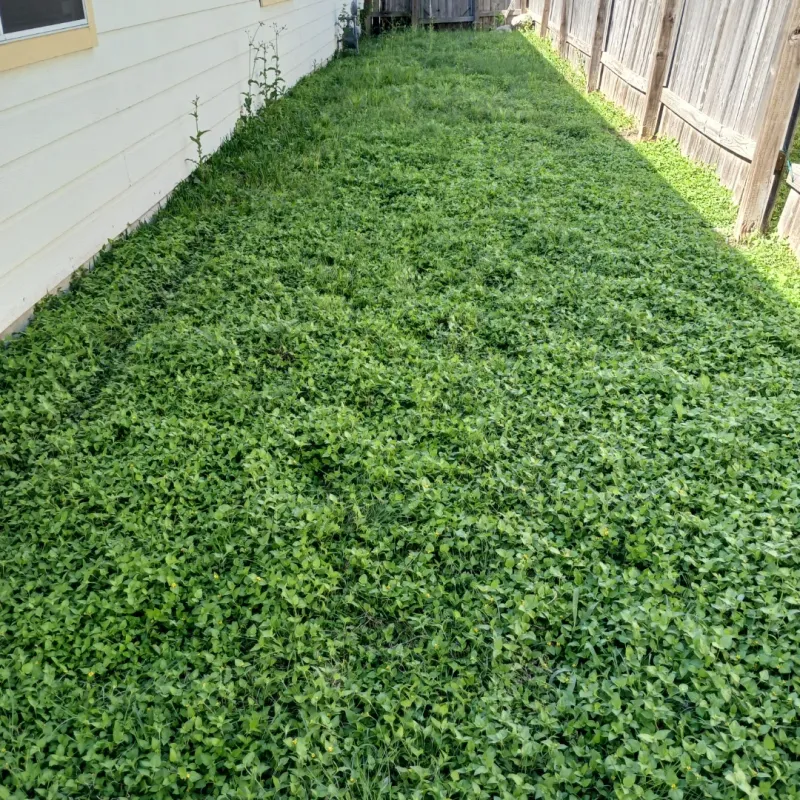
Many Texans already have horseherb and call it a weed. Look again, because this low native groundcover may solve the bare dirt problem under trees where grass refuses to grow.
It spreads quickly by runners and seed, making a soft green mat just a few inches tall. Tiny yellow flowers appear through the warm season and draw small butterflies.
Horseherb can tolerate some mowing and light foot traffic. It may go dormant in a hard freeze or deep drought, but it usually bounces back fast once conditions improve.
9. Purple Coneflower
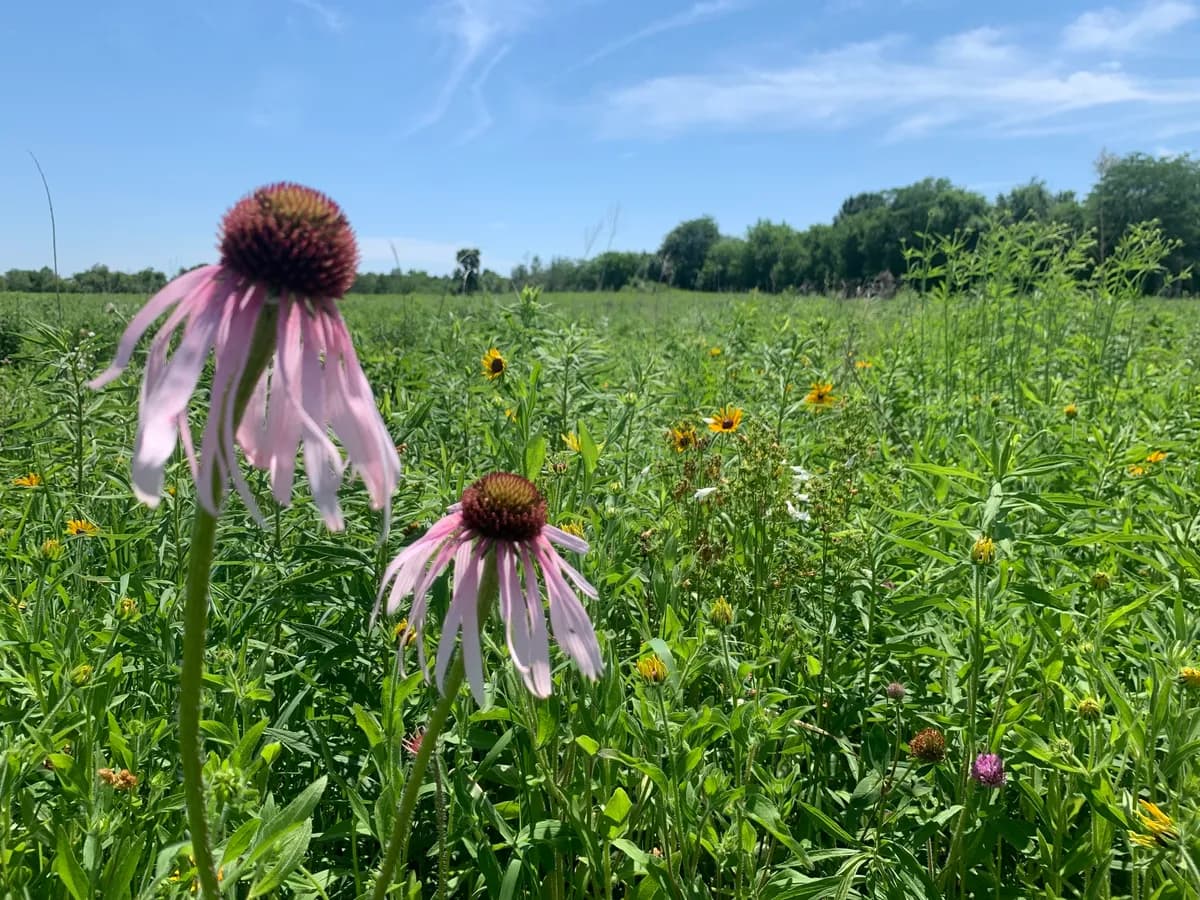
Classic for a reason, purple coneflower brings cottage garden charm that holds up to Texas summers. Native to the eastern half of the state, it handles heat far better than most showy perennials.
Clumps widen each year, and dropped seed fills nearby gaps. Bees and butterflies visit the flowers, and leaving seed heads standing in fall can help feed goldfinches.
Give it sun and decent drainage, and avoid overwatering. Plant in fall for the strongest roots and the fullest bloom the following June.
10. Zexmenia
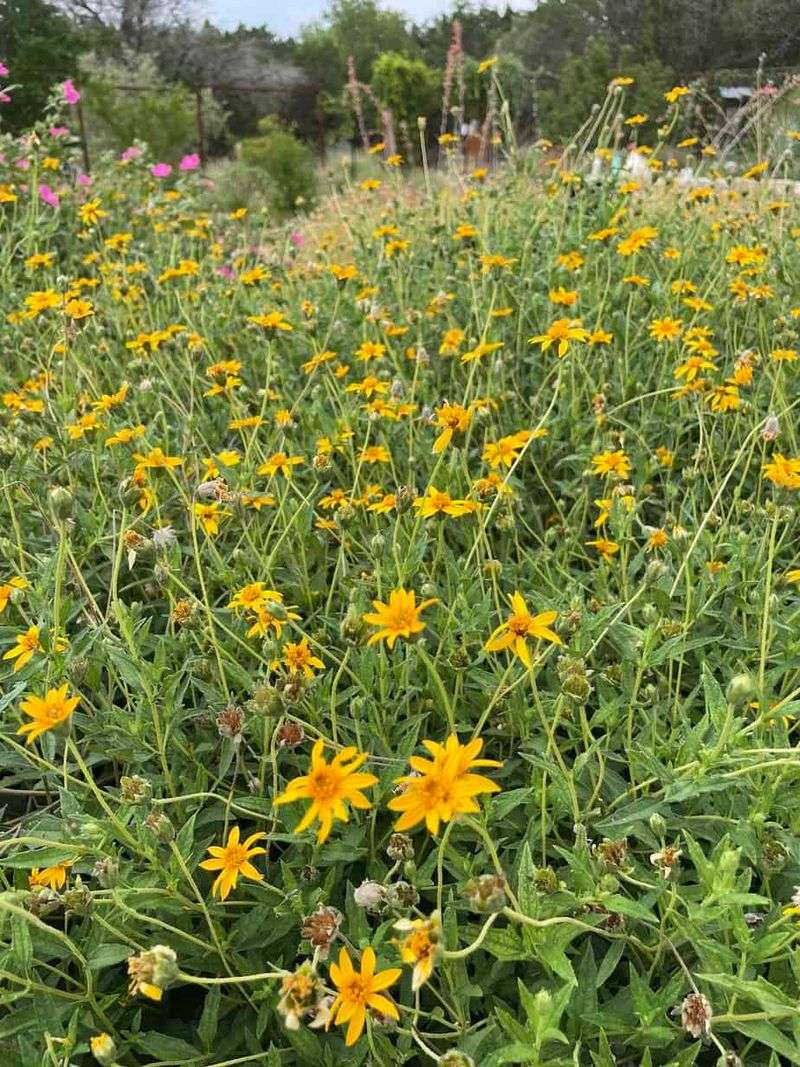
South Texas gardeners have quietly relied on zexmenia for years. This tough native forms a rounded, two-foot mound of golden orange daisies that blooms from late spring into fall.
It fills space quickly in its first season and needs only occasional deep watering once settled. Deer usually leave it alone, which matters in suburban Hill Country yards.
Pair it with blackfoot daisy and lantana for a bed that stays colorful through water restrictions. Shear it back in late winter, and it returns dense and fresh by May.
For the fastest fill, plant most of these perennials in fall, mulch the soil between them, and water deeply but not often through their first summer.