
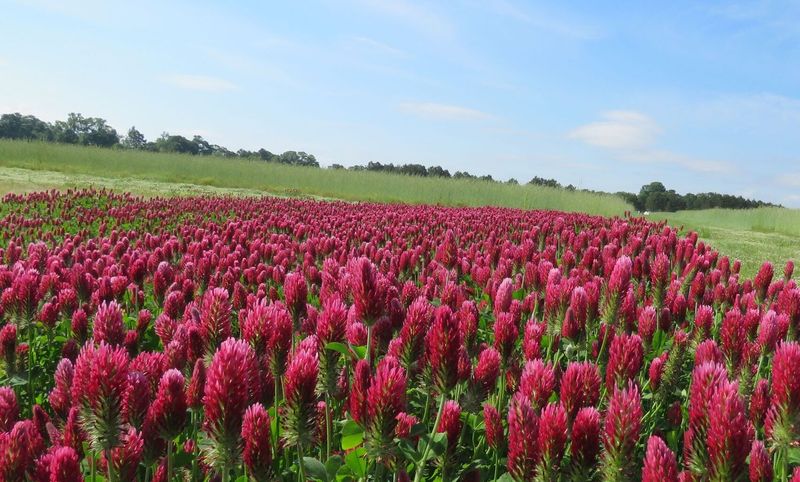
Crimson clover can turn a bare vegetable bed into a patch of red blooms by spring. But a sowing right before Thanksgiving is a gamble in much of North Carolina.
Timing decides whether the seed makes a thick cover or a thin, struggling stand. Here is how to tell if your bed still has a chance, and what to do next.
Is Thanksgiving Too Late for Crimson Clover in North Carolina?
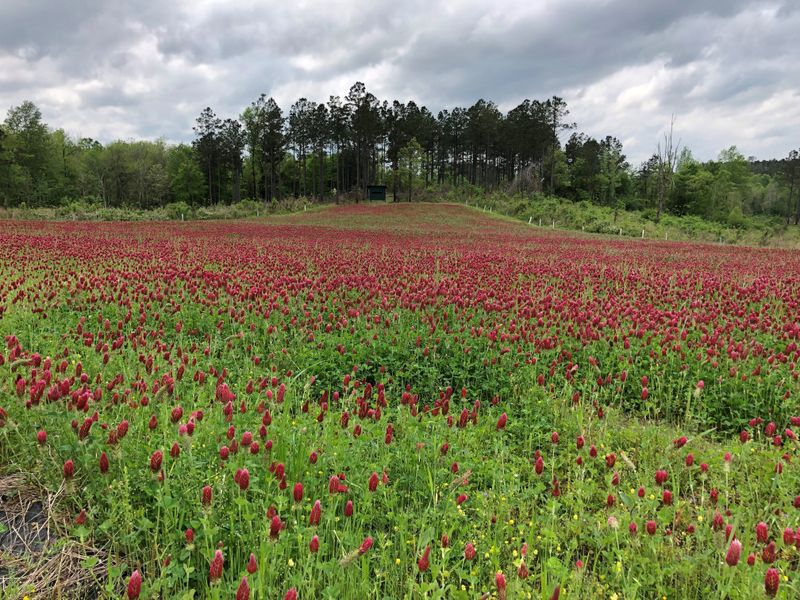
Sowing crimson clover just before Thanksgiving is a late and uncertain move, not a standard North Carolina routine. Nothing suggests gardeners commonly or reliably do it, and the dates from NC State point to earlier sowing.
There are two sets of dates to sort out. NC State’s home-gardening handbook gives a broad September to November sowing window for crimson clover.
That wide range is easy to read as permission to plant anytime in fall, but it is a general guide.
The specialist calendar is tighter. According to NC State’s winter annual cover crop guidance, the recommended dates are:
Mountains: August 10 to September 15. Piedmont: August 25 to October 1.
Coastal Plain: September 1 to 30 is preferred.
On the Coastal Plain, October 30 is described as a possible latest date. That means it can work in some years, not that it is a good target or a promise.
NC State also warns that planting from late October into November raises the risk of winter kill in the Piedmont and mountains. Young clover that has not had time to grow may not handle a hard cold snap.
So if you are in Raleigh, Asheville, or Charlotte and the calendar already says late November, treat a sowing as a long shot. Along the coast, you are also past the possible window, so the odds are not on your side either.
What a Successful Stand Can—and Cannot—Do
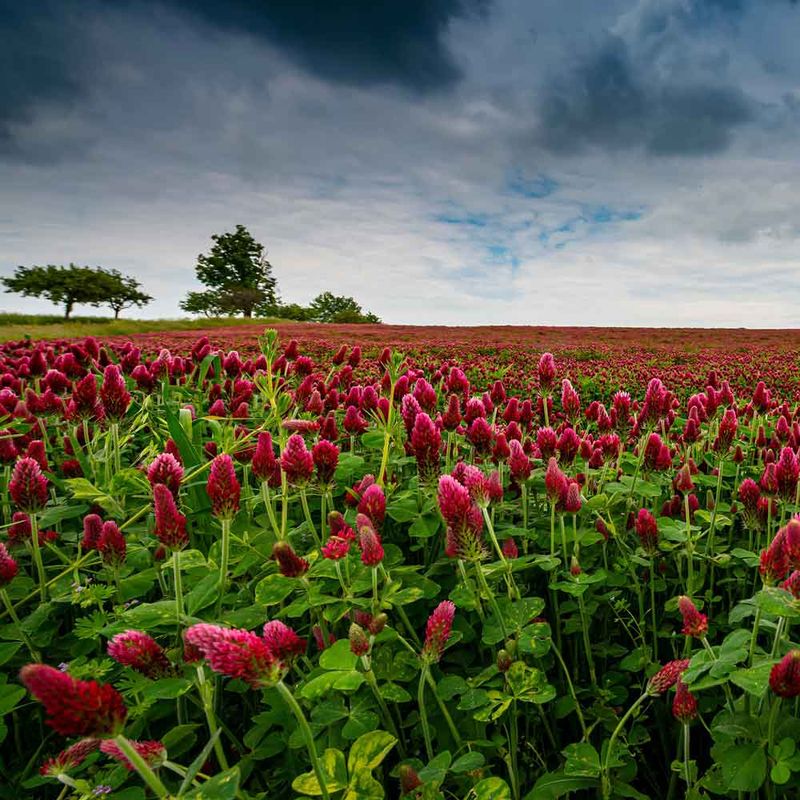
When crimson clover gets established, it can do real work in an empty bed. Living cover over the soil can help limit erosion and weed establishment, and the leftover plant material can add organic matter.
The plant is also a legume, so it can pull nitrogen from the air and store it in its tissues. Per University of Minnesota Extension, that nitrogen stays in the plant until residues decompose and release it.
It does not appear in the soil the moment the clover grows.
How much you get varies with growth and management. NC State notes that terminating a cover crop early limits biomass and nutrient accumulation.
A small stand gives you little to work with, and it is not a stand-in for fertilizer.
The spring show is a separate matter. NC State’s plant profile says crimson clover flowers in spring in North Carolina and that its blooms attract bees.
Think of soil benefits and flowers as two possible payoffs, not a package deal. A late or thin planting may deliver neither, so keep your expectations modest.
How to Sow a Home-Garden Bed
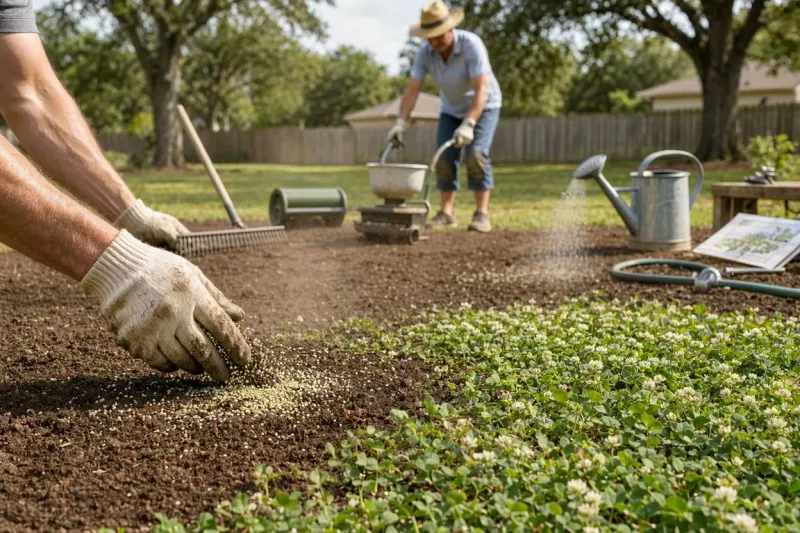
Start with a reasonably smooth seedbed. Clear old crop debris, loosen the top layer, and rake out clumps so the tiny seeds can touch soil.
For a home bed, NC State’s handbook lists one-half to one pound of crimson clover seed per 1,000 square feet. That is a home-garden rate, not an agricultural field recommendation, so do not scale up from farm numbers.
The handbook also says it can be sown into fall vegetable crops.
Broadcast the seed evenly, then rake it in lightly. UGA Extension advises covering clover seed only slightly, because deep burial can keep it from coming up.
Press or walk the surface to firm it so seed and soil make good contact.
Water if rain is not enough while seedlings get going. A dry spell right after sowing can undo the effort.
One more step is worth considering. If your seed is not pre-inoculated and the bed has no history of legumes, a clover-compatible inoculant may help.
The USDA NRCS fact sheet points to the importance of the right Rhizobium strain for nitrogen fixation.
Check the seed label first, since many bags come pre-treated.
Choose Between Spring Flowers and an Early Vegetable Crop
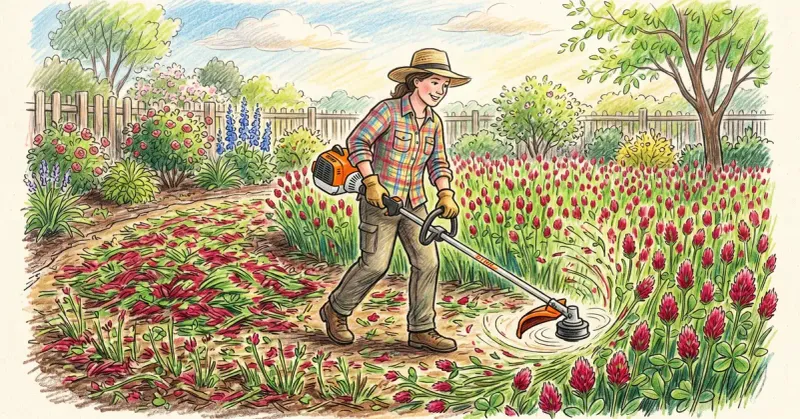
Your bed can only do one job well in early spring. Flowers need time, while early vegetables need a clear bed.
If you want blooms, leave the clover growing. NC State’s plant profile notes spring flowering, so the plants must stay in place until they bloom.
That runs later than many gardeners want to plant.
If you want vegetables, cut or turn under the clover sooner. Penn State Extension commonly advises allowing about two to three weeks after termination before planting, so residue can begin to break down.
How you terminate matters too. NC State explains that residue left on the surface breaks down more slowly than residue worked into the soil.
Surface mulch can be handy, but it may slow your planting.
Say you want tomato transplants in late April. Mark your calendar backward by those few weeks and decide whether blooms are worth the squeeze.
Either way, do not let the clover go to seed if you do not want volunteers. Cut it after bloom but before seed heads mature.
Why Late Plantings May Produce a Thin Cover
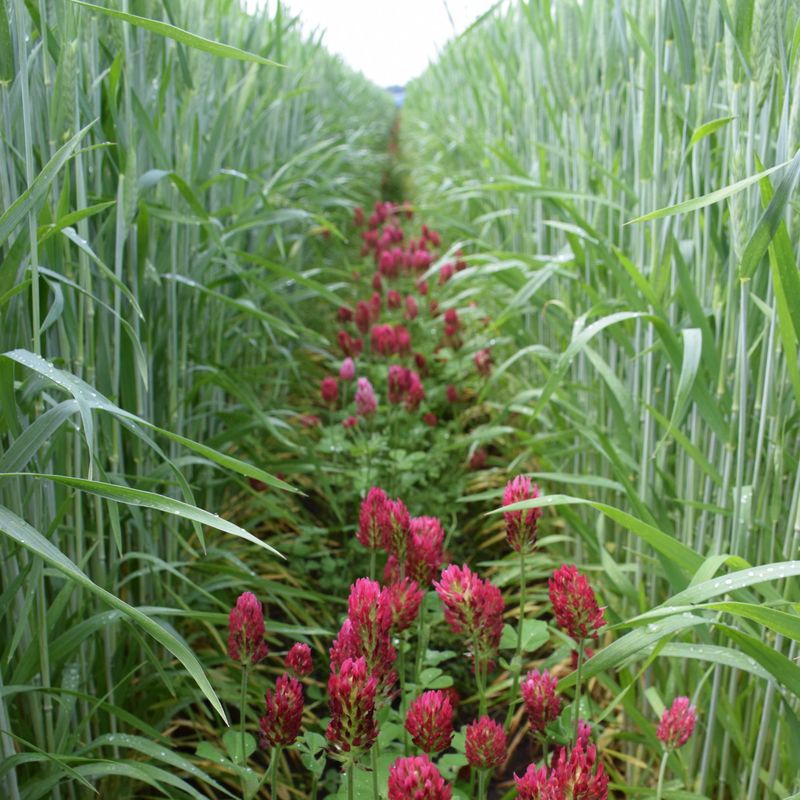
Late sowing often means slow growth, and slow growth means less cover. NC State documented a thin stand from a November 19 planting when compared with an October 12 planting, as described in its winter cover crop guidance.
A Mississippi trial offers another look. In a two-season USDA NRCS study, November crimson clover failed to emerge or suffered winter kill in one season.
In the other, late plantings grew more slowly and generally made less biomass than earlier ones. It shows how much results can swing, not what will happen in your yard.
That is why a thin stand should not be expected to smother weeds all winter or greatly enrich the soil by spring. Nitrogen release depends on how much the plants grew and how their residue decomposes, as University of Minnesota Extension describes.
Keep in mind what this plant is. NC State’s profile identifies crimson clover as nonnative and weedy.
It is a managed cover crop, not a native wildlife planting.
Plan to stop it before seed forms. Penn State Extension advises preventing seed set when volunteers are unwanted.
Make the Decision Before You Sow
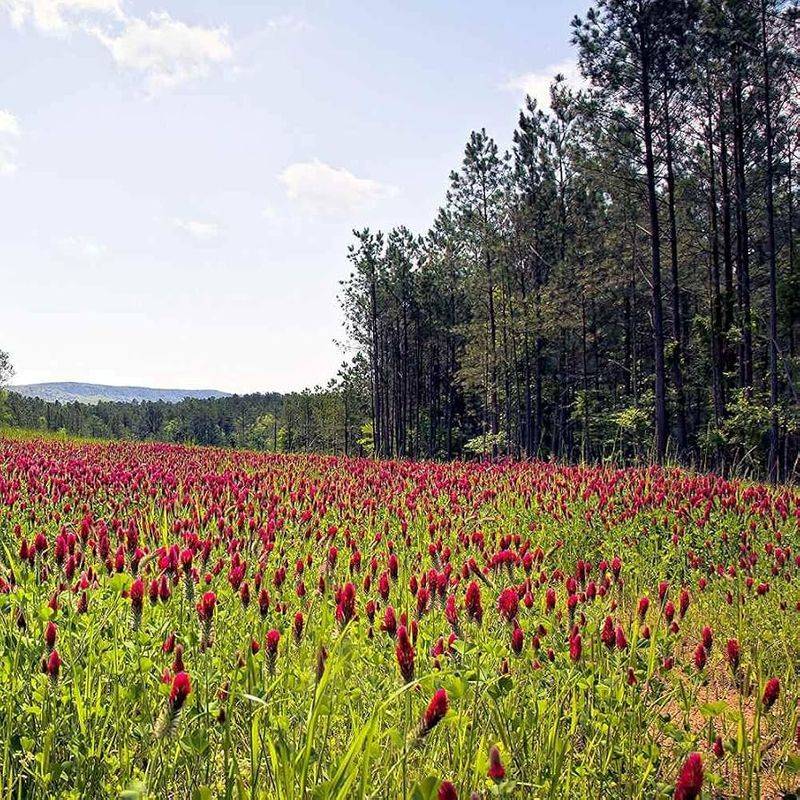
Start with your region’s dates from NC State. If you are already past them, treat a Thanksgiving sowing as a gamble you can afford to lose, not a sure project.
Then pick the bed’s spring job. If it is flowers, let it grow.
If it is vegetables, plan the cutting date using Penn State’s two-to-three-week guidance.
A bed left on the calendar’s edge rewards the gardener who already knows what spring will bring.