
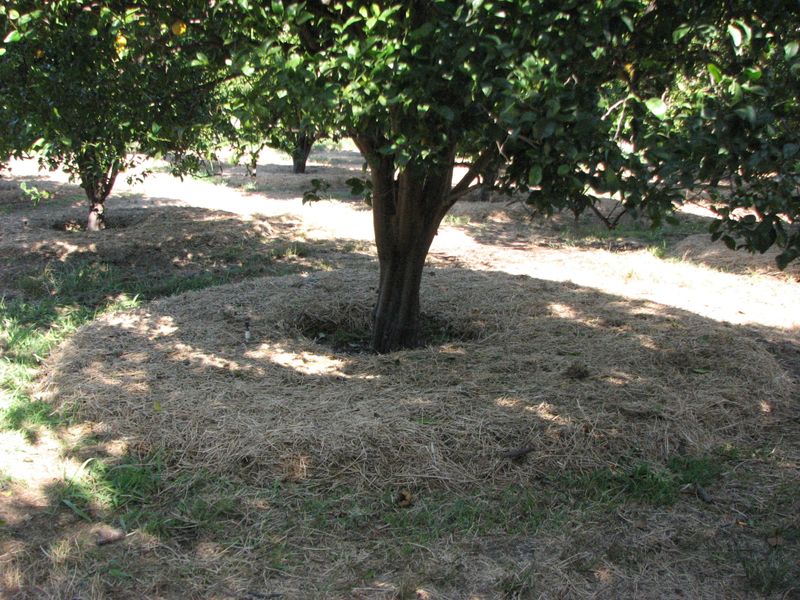
You glance out the kitchen window on a chilly morning and spot a lean, gray dog-like animal trotting past your raised beds. Coyotes now live in nearly every Southern town, from Houston suburbs to Orlando cul-de-sacs, and winter is when they roam more because food gets scarce and breeding season begins.
What you do in the first few minutes can decide whether that visitor moves on for good or starts treating your yard like a regular stop. Here is how to react right away, plus the three common slip-ups that quietly invite coyotes back.
1. Make noise and look big, but never run
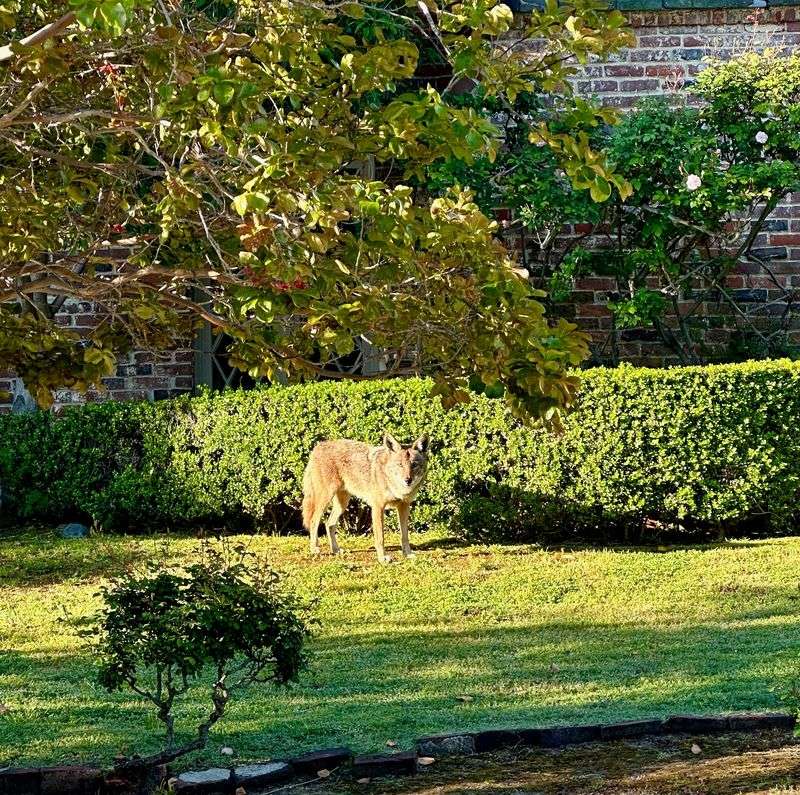
Picture a coyote pausing near your tomato cage, staring right at you. Your instinct might be to freeze or back away quietly, yet the better move is the opposite.
Wildlife experts call it hazing, and it simply means making the animal feel unwelcome.
Stand tall, raise your arms, and yell in a deep, firm voice. Clap, bang a pot lid, or shake a can filled with coins.
Spraying a garden hose toward it or tossing a small object near its feet, not at it, can add to the message.
Keep going until the coyote leaves your property completely. A half-hearted shout followed by silence may teach it that people are noisy but harmless.
Never turn and run, since a fleeing shape can trigger a chase response in many predators.
Bring small dogs and cats inside right away, and keep kids close. Most coyotes are wary of people and will usually trot off within seconds.
If one acts bold, limps oddly, or approaches without fear, stay inside and call your local animal control or state wildlife agency, such as Texas Parks and Wildlife or the Florida Fish and Wildlife Conservation Commission, for guidance.
2. Mistake 1: Leaving easy food around the garden
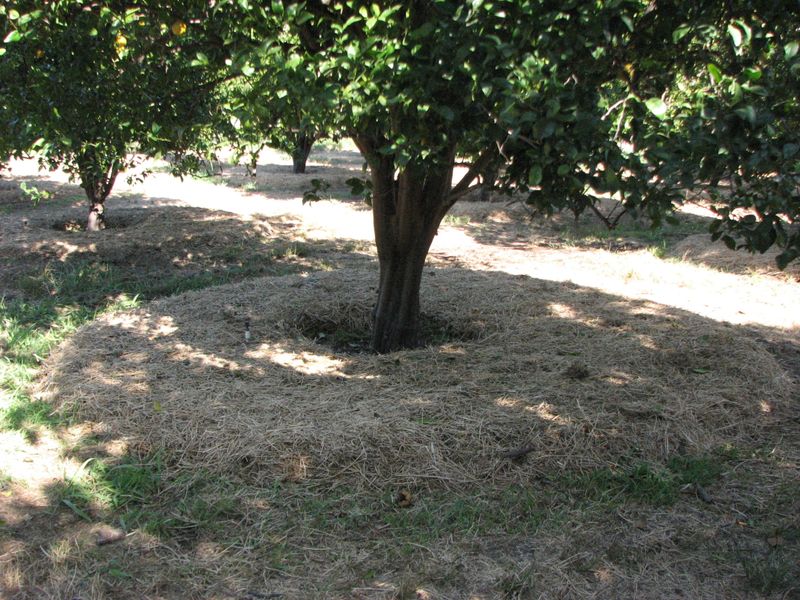
Fallen oranges, a bowl of kibble, spilled birdseed. To a hungry coyote in January, that list reads like a dinner menu.
Many homeowners never realize they are running a buffet until the same animal shows up three nights in a row.
Citrus trees are a big culprit across Florida and South Texas, because dropped fruit piles up fast in winter. Rake it daily if you can.
Bird feeders matter too, since scattered seed draws rodents and squirrels, and those little critters draw coyotes.
Feed pets indoors, or pick up bowls as soon as meals end. Secure trash cans with tight lids or bungee cords, and avoid tossing meat scraps into an open compost pile.
A closed bin or tumbler can help keep smells contained.
Vegetable growers should also watch overripe winter crops. Melons left from a late harvest or split tomatoes may tempt more than you expect, because coyotes happily eat fruit and vegetables alongside small animals.
Cutting off food will not guarantee a coyote-free yard. Still, it often removes the main reason one keeps coming back, and that makes every other step work better.
3. Mistake 2: Ignoring hiding spots and fence gaps
Coyotes are part sprinter, part escape artist. They can clear a five-foot fence in one leap and squeeze under a gap the size of a dinner plate.
Once they find a cozy, hidden corner, your yard may start to feel like home base.
Walk your property line this week. Look for dug-out spots beneath fences, loose boards, and gaps under sheds or decks.
Late winter is denning season in much of the South, so those dark crawl spaces become extra appealing to expecting females.
Thin out dense shrubs near the house and clear old brush piles where rabbits and rats hide. Fewer prey animals often means fewer reasons for a coyote to linger.
Motion-activated lights or sprinklers near entry points can also help startle visitors, though results vary from yard to yard.
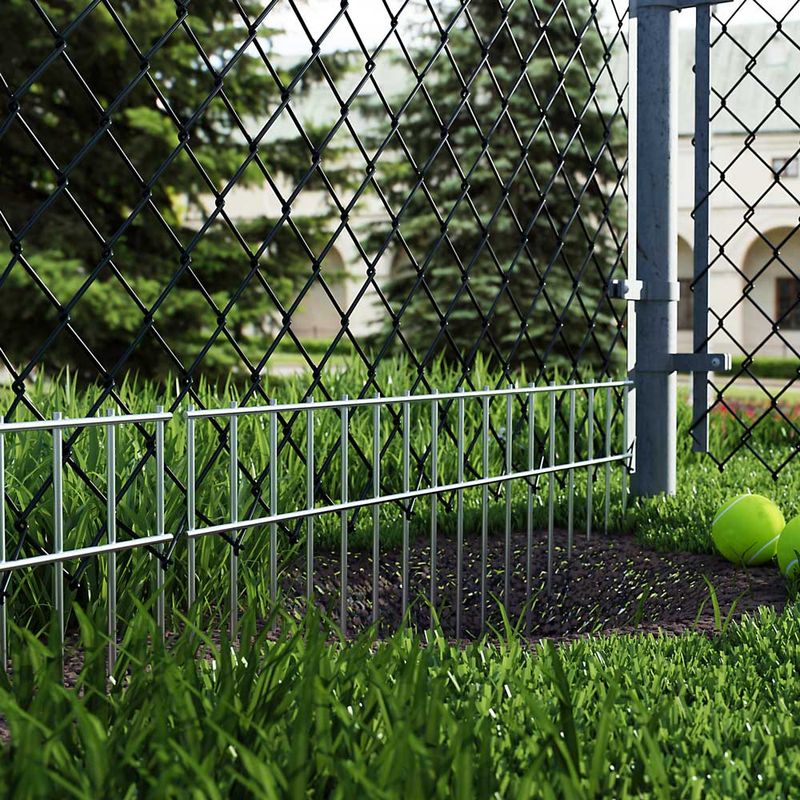
For stronger protection, bury hardware cloth or wire mesh about a foot deep along fence bottoms. Some gardeners add coyote rollers to the top rail, which spin and prevent a solid grip.
Fun fact: coyotes have been clocked running up to 40 miles per hour. Blocking access early beats trying to outpace one later.