
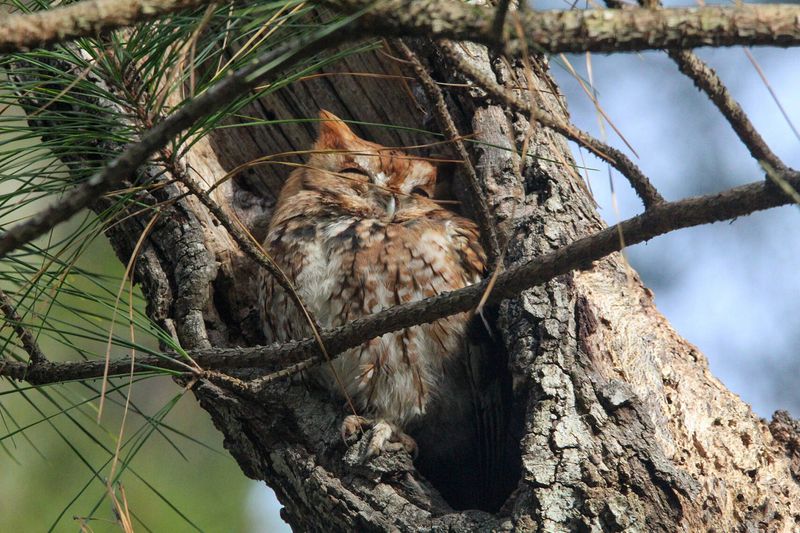
A single barn owl family can eat thousands of rodents in a year, and a great horned owl will happily snag a rat off your woodpile at midnight. Owls are not picky about fancy feeders, but they are picky about trees.
Give them the right roost, nest cavity, or hunting perch, and North Carolina’s owls may start working your yard for free. Here are eight native trees that can turn your property into owl territory as fall settles in.
1. Eastern White Pine
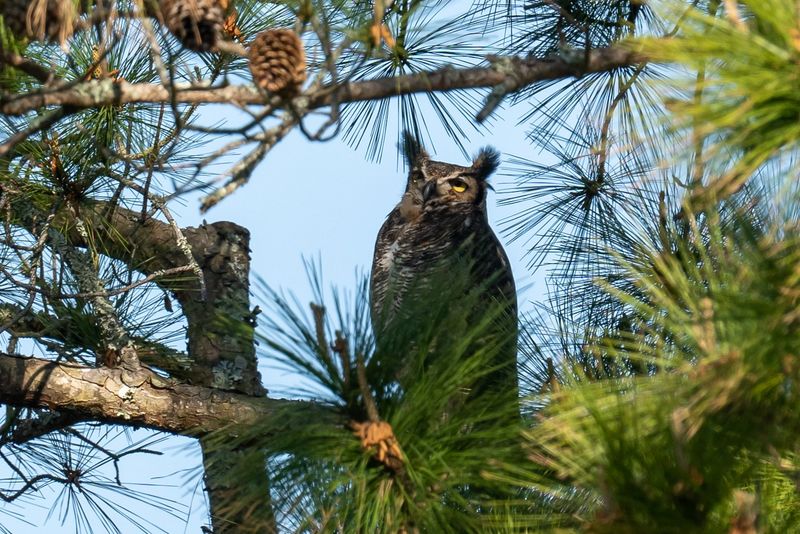
Picture a great horned owl at dusk, tucked against the trunk of a big pine so well you would walk right past it. Eastern white pine gives owls that kind of hiding spot.
Its soft, layered branches block wind and keep roosting birds out of sight from crows and hawks.
Great horned owls often nest in old hawk or crow nests high in pines, and they start courting in late fall and nesting as early as January. A mature pine in your yard can become their winter headquarters.
From there, they hunt rats, voles, and even the occasional rabbit raiding your garden.
White pine grows best in the mountains and Piedmont, where it handles clay soil if drainage is decent. Plant it at least 20 feet from the house, since it can top 80 feet.
Fall is a smart planting window in NC, giving roots months to settle before summer heat.
2. Southern Live Oak
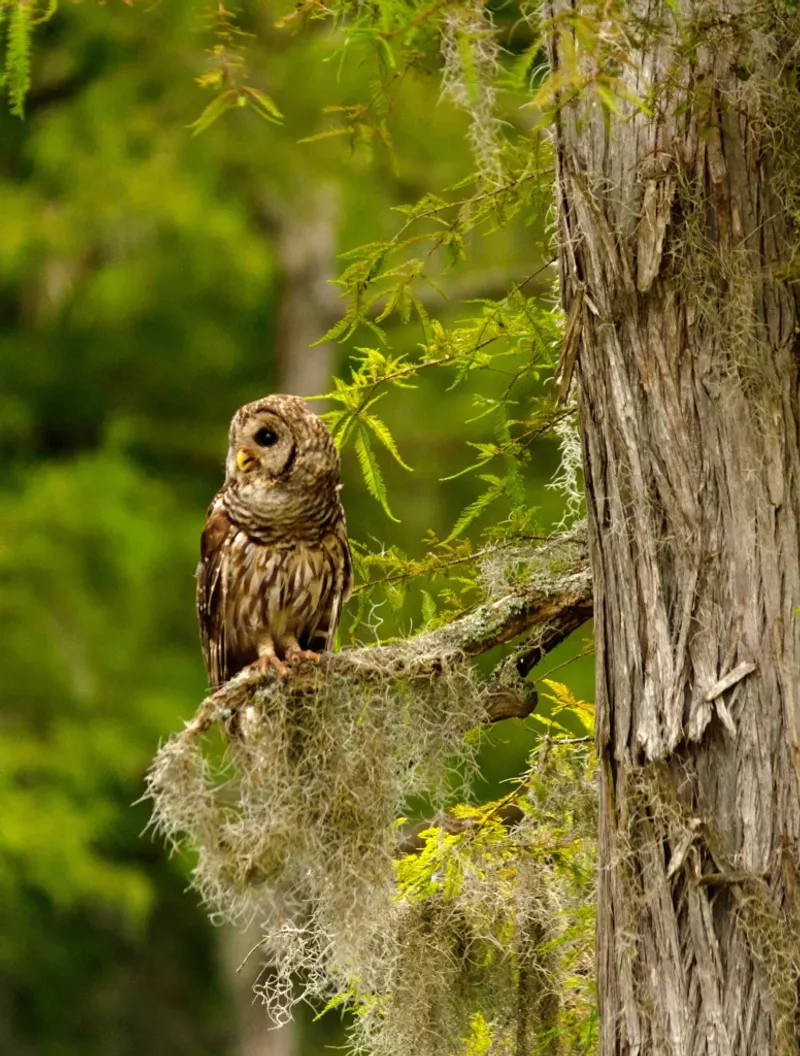
Few trees say coastal Carolina like a live oak draped in moss. Those wide, nearly horizontal limbs are owl furniture.
Barred owls love sitting low and still, scanning the ground for anything that rustles.
Live oaks keep their leaves year-round, so they offer shelter even in January when most trees stand bare. As they age, broken limbs can form hollows that screech owls and barred owls may use for nesting.
Acorns also feed squirrels and mice, which, honestly, is part of the deal. More prey on the ground can mean more reasons for owls to stick around.
Live oak suits the coastal plain and warmer eastern Piedmont best. It is slow to start but lives for centuries, so think of it as a gift to whoever owns your house in 2150.
3. White Oak
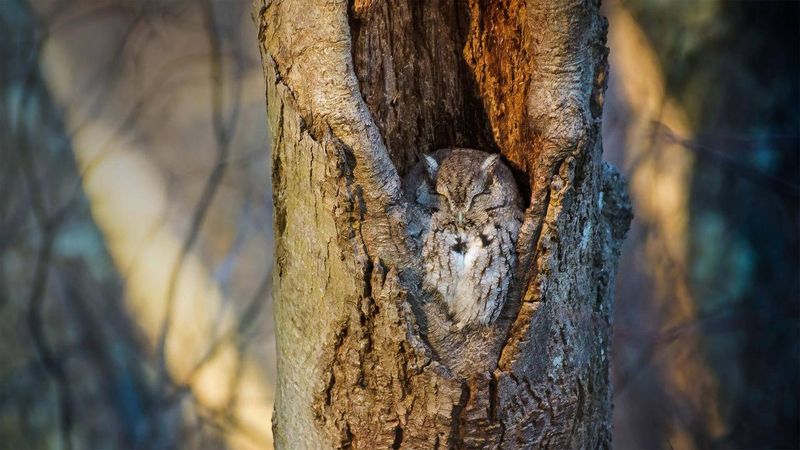
Ask a wildlife biologist which tree supports the most life in the Southeast, and white oak usually makes the short list. It hosts hundreds of caterpillar species, which feed songbirds, which in turn draw small owls like the eastern screech owl.
Here is the owl angle that matters most. Old white oaks naturally form cavities where branches drop off, and screech owls nest in those hollows rather than building nests.
One small screech owl may not sound like much, but they eat mice, large insects, and young rats through much of the year.
White oaks grow statewide, from the mountains to the coast. If you already have an older one, leave dead limbs in place when they pose no risk to people or roofs.
Those imperfect spots are often the exact real estate owls are hunting for.
4. American Sycamore
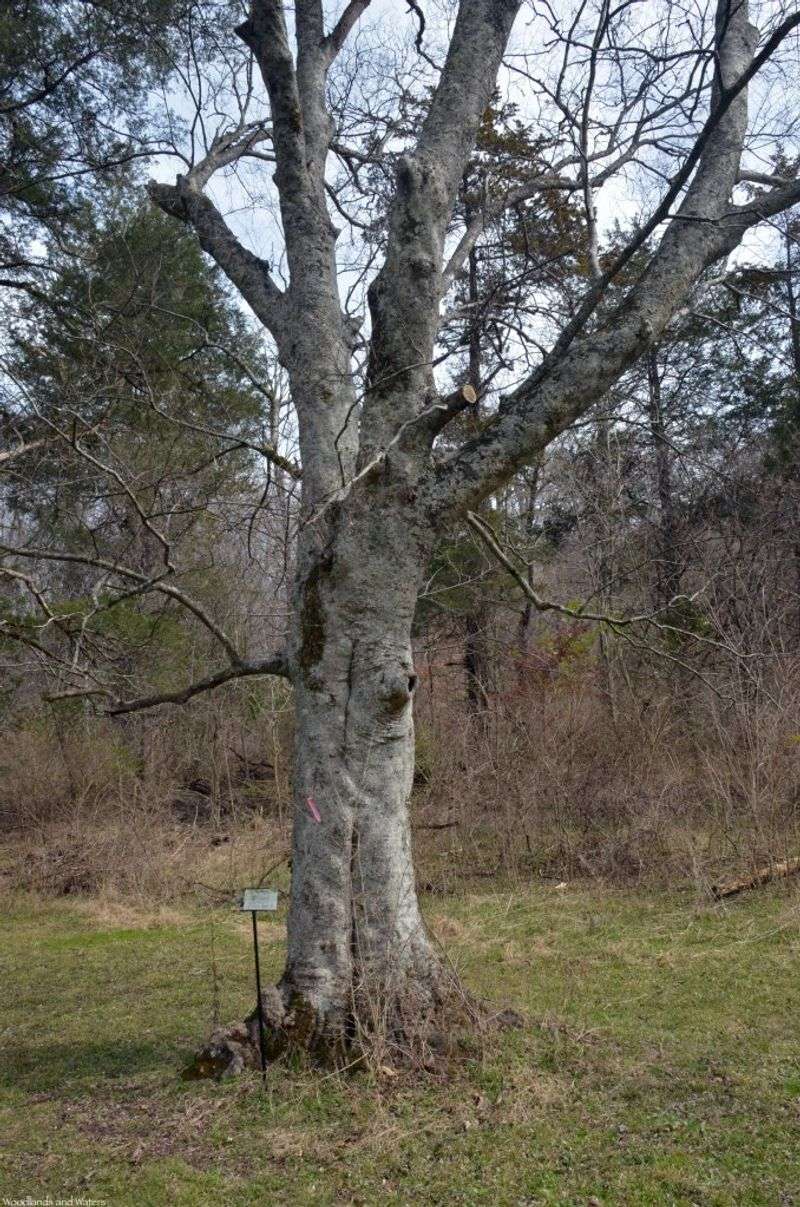
Got a creek, ditch, or soggy back corner? Sycamore might be your owl tree.
Its ghostly white bark glows at twilight, and it grows fast in wet ground where many trees sulk.
Sycamores are famous for going hollow as they age. Pioneers once used giant sycamore trunks as shelters, and today barred owls, wood ducks, and screech owls take advantage of those same hollows.
Barred owls tend to favor wooded stream corridors, so a sycamore near water is a strong signal they might move in.
Fair warning, sycamores drop big leaves and bark in fall. Rake them into beds as mulch instead of bagging them, since leaf litter shelters the insects and small creatures that keep the whole food chain humming.
5. Eastern Red Cedar
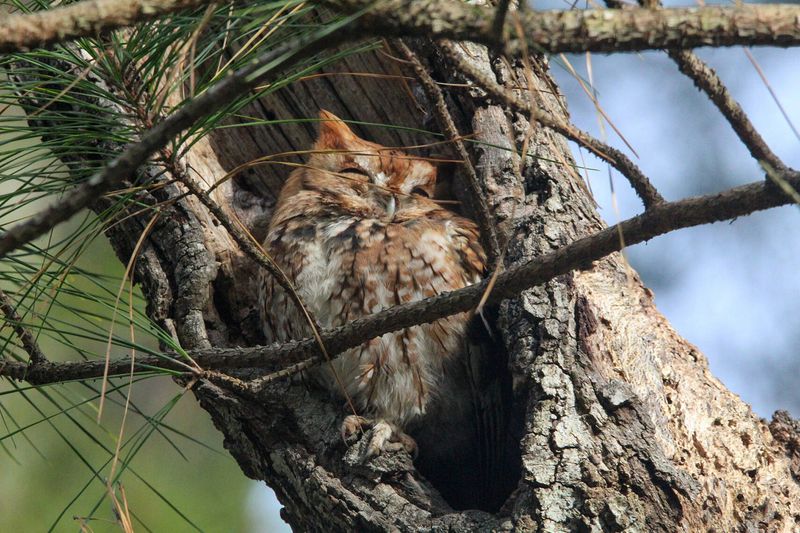
Tough, scrappy, and almost impossible to kill, eastern red cedar is the tree that shows up in old fence rows all over NC. Owls have noticed.
Its dense evergreen foliage makes a cozy daytime roost, especially during cold winter snaps.
Northern saw-whet owls, tiny visitors that sometimes winter in NC, are known to tuck into thick conifers like cedar. Screech owls and long-eared owls may use them too.
A row of cedars along a property edge creates a sheltered hallway between roost and hunting ground.
Cedar handles drought, poor soil, and hot sun, which makes it a low-effort pick for Piedmont and coastal yards. Keep it away from apple trees, though, since it hosts cedar-apple rust.
Plant in fall and water through the first summer.
6. Tulip Poplar
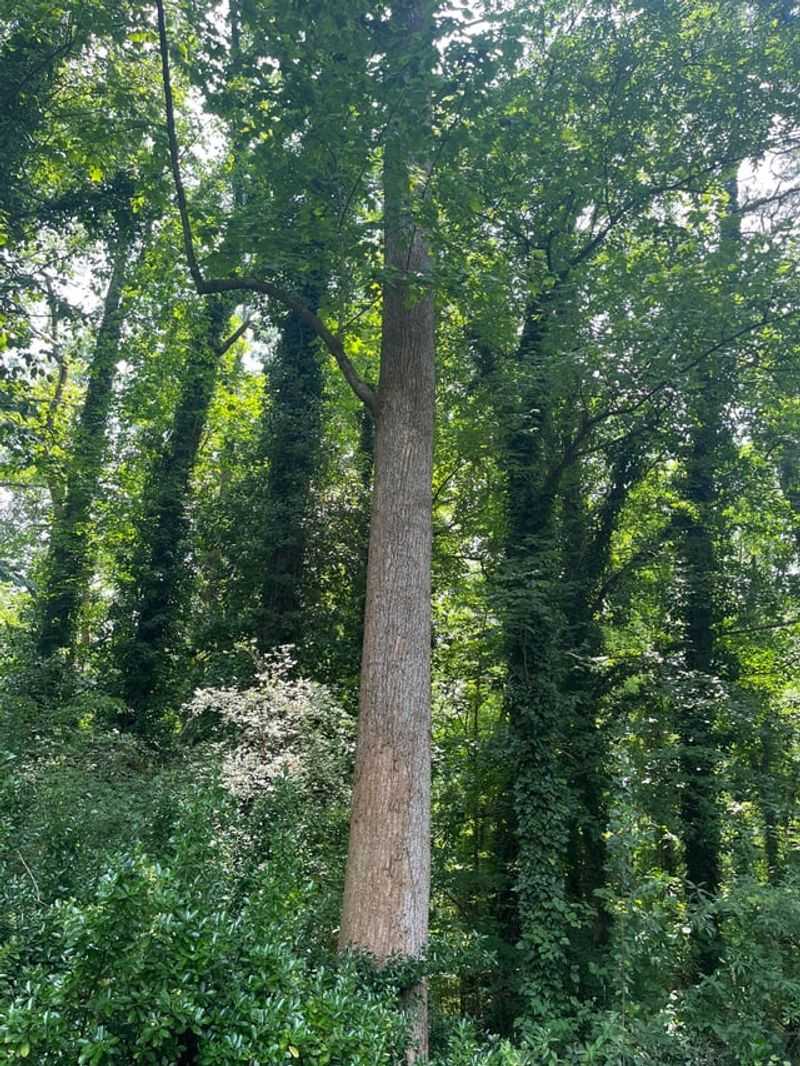
North Carolina’s state tree isn’t actually a poplar, but it is a giant. Tulip poplars shoot up tall and straight, often over 90 feet, and that height is exactly what makes them handy for owls.
Owls hunt by listening and watching from above, and a tall tree beside a lawn, meadow, or field is a perfect lookout. Tulip poplars also work great for mounting an owl nest box.
A box placed 12 to 20 feet up on a sturdy trunk can attract screech owls or barred owls, depending on its size.
Plant tulip poplar in rich, moist soil in the mountains or Piedmont. It grows quickly, so you won’t wait decades for results.
Add a box this fall, since many owls scout nest sites over winter.
7. Loblolly Pine
Drive anywhere east of Raleigh and you will see loblolly pine. It is the workhorse tree of the Southeast, and it pairs nicely with the open spaces where rodents roam.
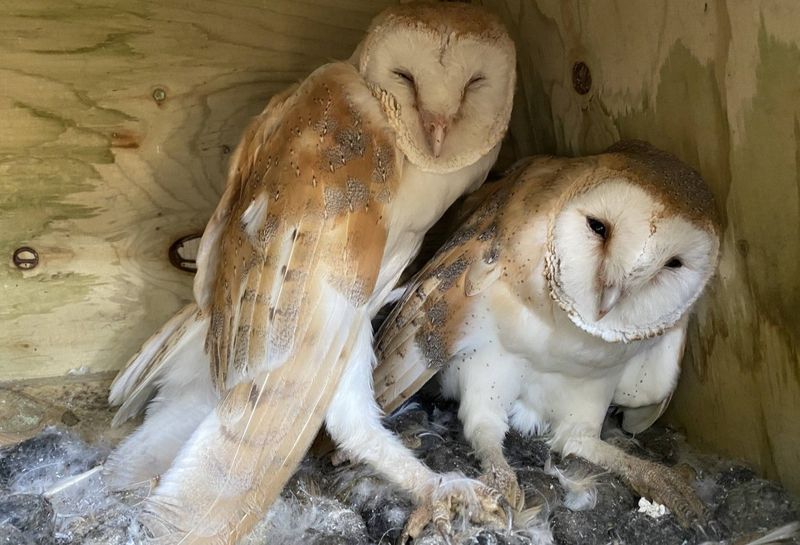
Barn owls are the rat specialists here. A nesting pair may catch well over a thousand rodents in a year, according to many wildlife studies.
They hunt open fields and grassy edges, so a stand of loblollies next to a meadow, pasture, or unmowed patch can provide perching and cover nearby.
Loblolly grows fast and handles the heat and sandy soils of the coastal plain. Combine it with a barn owl box mounted on a pole near open ground.
Owls may not move in right away, but you are setting the table for them.
8. Black Gum
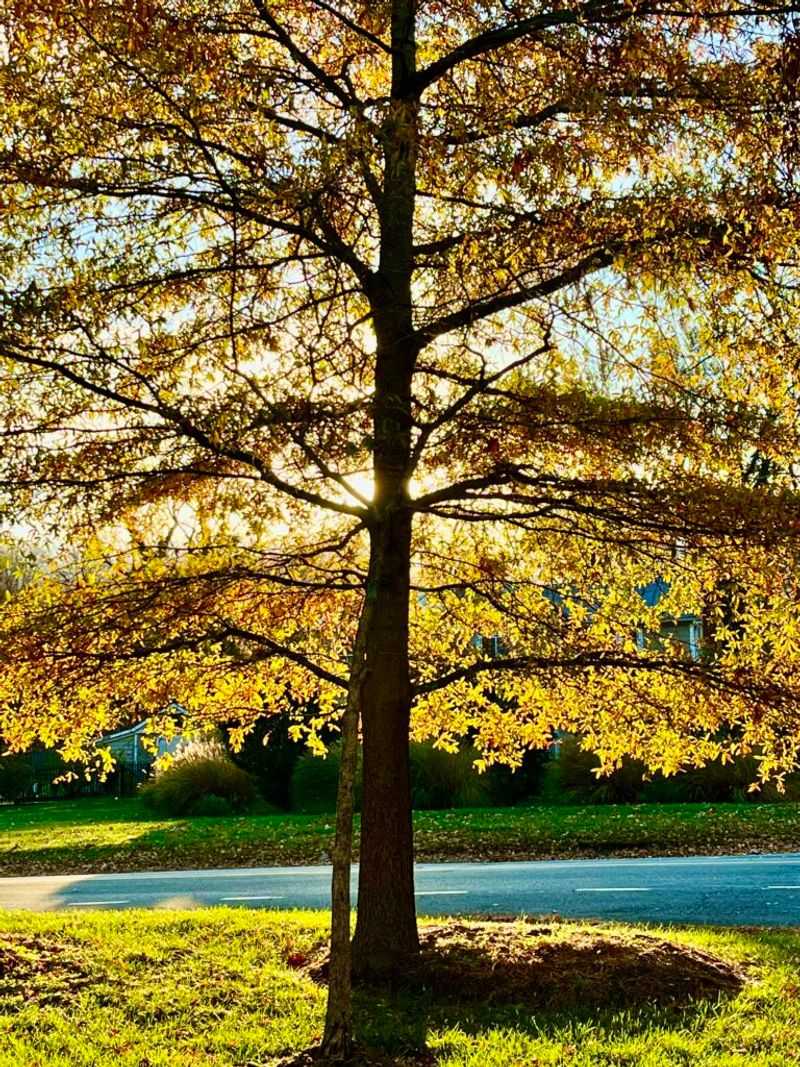
Come October, black gum lights up like a red lantern. It is one of the first trees to color in NC, starting in the mountains by early October and reaching the coast later in the month.
Beauty aside, it has a secret talent for owls.
Black gum trunks often go hollow with age while the tree stays healthy. Old-timers even cut hollow gums into beehives called bee gums.
Those same cavities can host screech owls and other cavity nesters.
The tree tolerates wet and dry spots and grows statewide, making it a flexible choice for almost any yard. Its berries also feed migrating birds in fall.
Plant one now, and you get fall color, wildlife food, and a future owl home rolled into one tree.
Remember, owls may help reduce rodents, not erase them, so keep trash and pet food sealed too.