
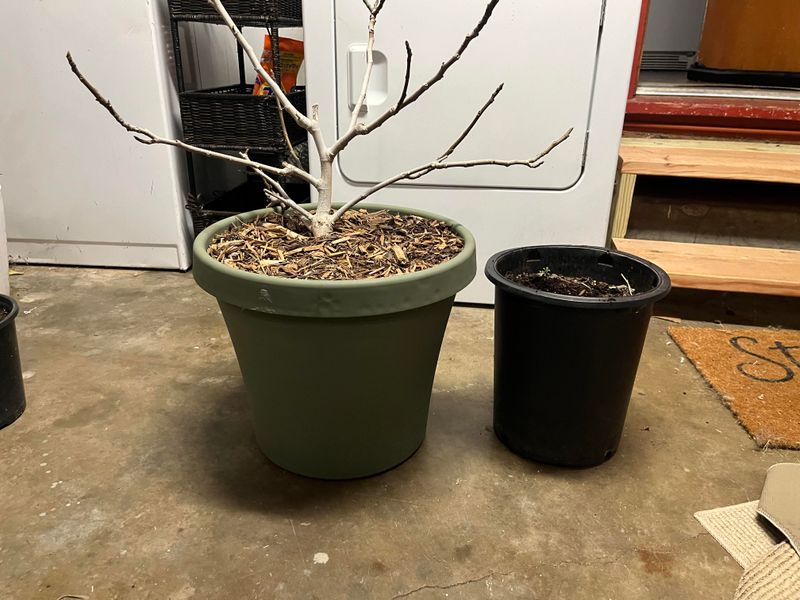
A fig in a pot has a harder winter than one planted in the ground, because cold reaches the roots from every side. Some Southern gardeners need to move the tree under cover, and others can leave it right where it is.
An unheated garage works well for many people, but only if you set it up and water it the right way. Here is how to decide, and how to keep the roots alive until spring.
When does an unheated garage make sense?
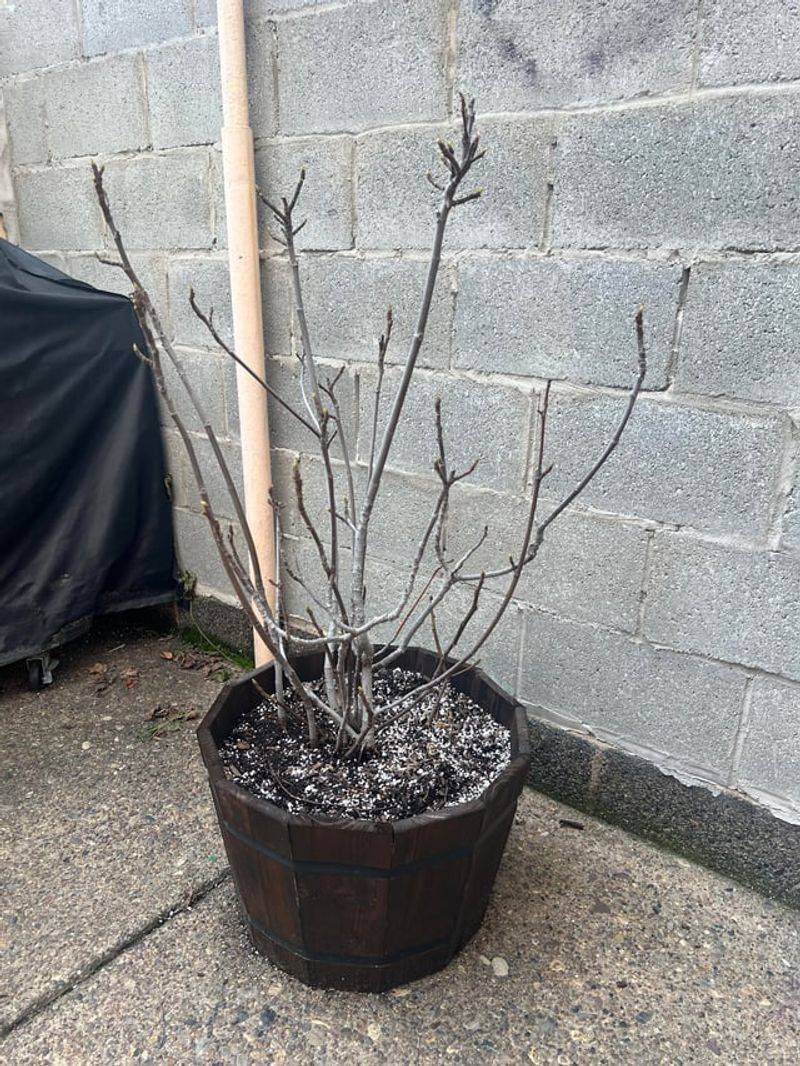
Before picking a winter home, check what your winter actually looks like. Figs in the South do not all face the same cold, so the title’s idea that a garage is the safest place for every potted fig needs a qualification.
A garage is a good option when local cold threatens the pot and roots, not a rule for everyone.
As one regional example, Alabama Extension’s fig guide suggests bringing potted figs into an unheated garage or shed where winter temperatures fall below roughly 15 to 20°F. That is practical advice for places where cold reaches that range, not a hard line for every variety or yard.
Florida shows how much the answer can change. UF/IFAS says figs get enough winter chilling in Florida except in the south, and fully dormant trees are reported hardy to about 15 to 20°F.
Many Florida gardeners will not need routine garage storage. Still, a hard freeze in the forecast is a good reason to protect a pot, since its roots are more exposed than roots in the ground.
Move a fig that needs protection as it goes dormant
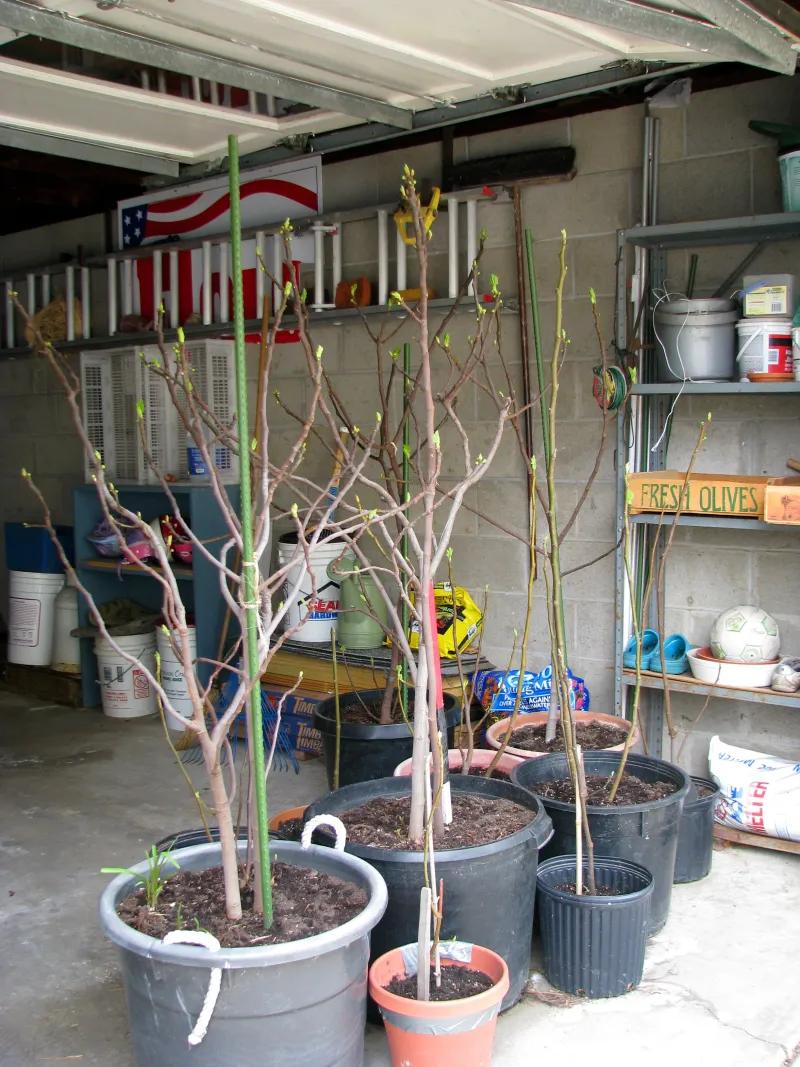
Timing matters as much as location. If your fig needs protection, wait until its leaves begin to fall, or move it before the first killing frost.
That lets the tree settle into dormancy while keeping the pot and roots away from damaging cold.
Guidance from Illinois Extension and UNH Extension both point toward a cool, protected spot for the dormant tree.
Skip the warm living room if your goal is to rest the plant. A heated space tends to keep a fig trying to grow, and that works against the dormant rest you want.
This does not mean every bit of indoor growth is poor. It just means the plan here is dormancy with less water.
On a practical note, a rolling plant caddy makes the move easier, and you can pick a day when the forecast is still mild.
Check the garage’s actual temperature
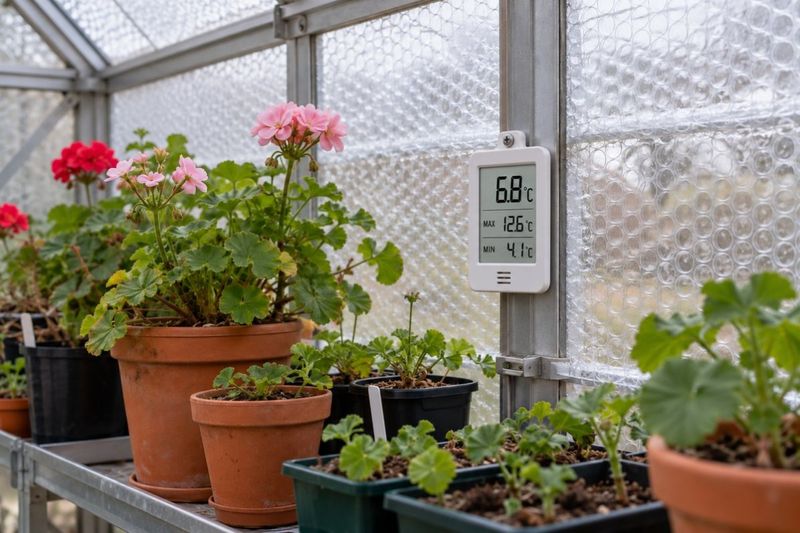
Unheated does not mean safe. A garage can swing from mild afternoons to a hard chill overnight, depending on insulation, doors, and walls that face the wind.
Iowa State describes roughly 20 to 45°F as a good range for overwintering container-grown woody plants. That is general guidance for those plants, not a fig-specific guarantee, and the same page notes that unheated garages can fluctuate.
Why watch so closely? Container roots take a bigger hit from cold than roots in the ground.
Texas A&M AgriLife notes that container roots may be harmed when the pot gets much below 32°F.
Put a min-max thermometer next to the pot and check it after cold nights. If the garage gets too cold, move the tree to a more protected spot or add protection around the pot.
Water by soil condition, not by calendar
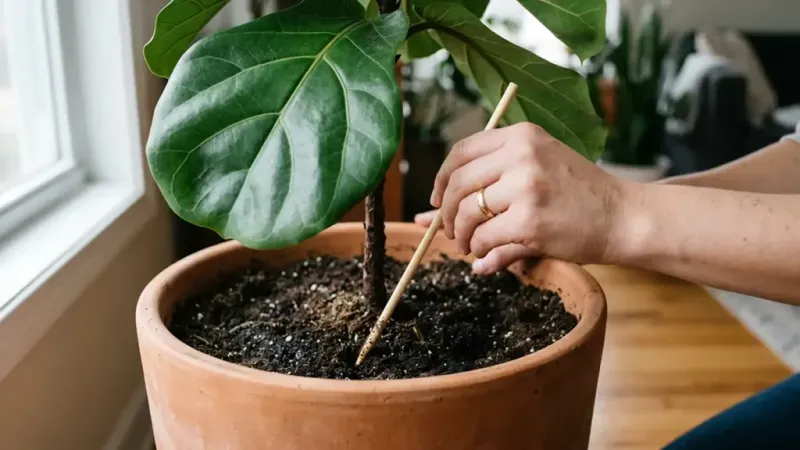
Forget the idea that a dormant fig needs water exactly once a month. Pot size, soil mix, and garage temperature all change how fast the mix dries, so a calendar will often be wrong.
Check the soil instead. Illinois Extension suggests watering infrequently once the top 2 to 3 inches are dry, while UNH Extension says to cut back watering a lot and water when the upper 2 inches have dried.
Push a finger or a wooden skewer into the mix to see.
Dormant roots use very little water, but they still need some. When you do water, moisten the root zone without leaving the pot soggy.
The opposite advice, to give nothing until spring, risks letting the root ball dry out completely. You may see Alabama’s production advice to stop watering in fall.
That helps figs harden off before winter, and it is a different goal from keeping a stored container tree’s roots alive.
Make sure the pot can drain
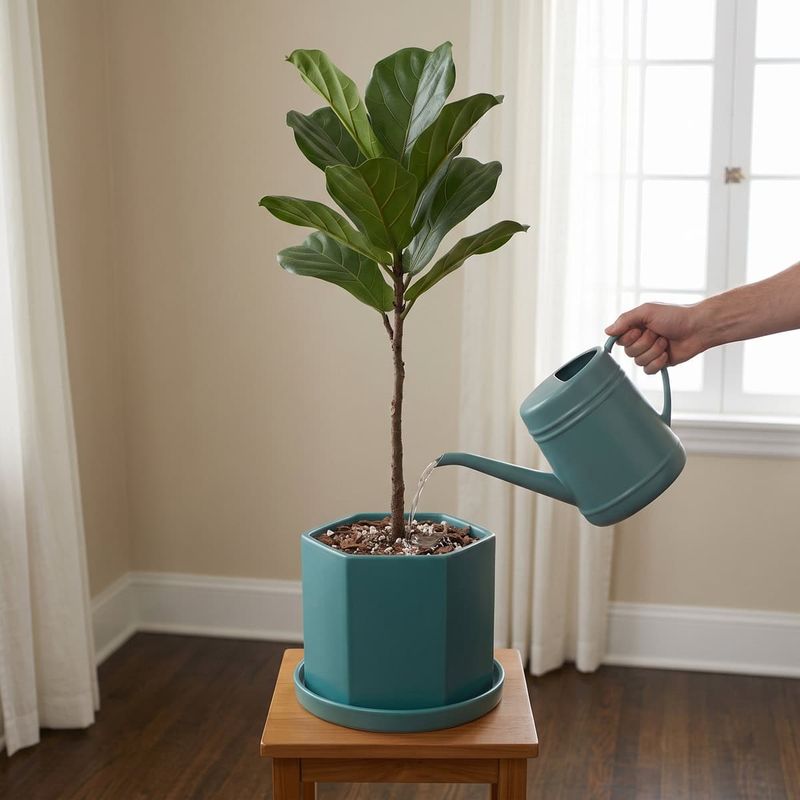
Winter watering only works if extra water has somewhere to go. A root ball that is lightly moist is the goal, and one sitting in a puddle is a problem.
Flip the pot and look for open drainage holes. Clear any that are clogged, and lift the pot on feet or bricks so water can escape instead of pooling in a saucer.
Empty any saucer after you water.
UF/IFAS Gardening Solutions notes that figs do poorly in excessively wet soil, and UNH Extension stresses drainage for container figs. Soggy soil raises the risk of root rot.
This is separate from checking how dry the mix is. The soil check tells you when to water, and good drainage keeps that water from turning into a waterlogged pot.
Return the fig outdoors gradually in spring
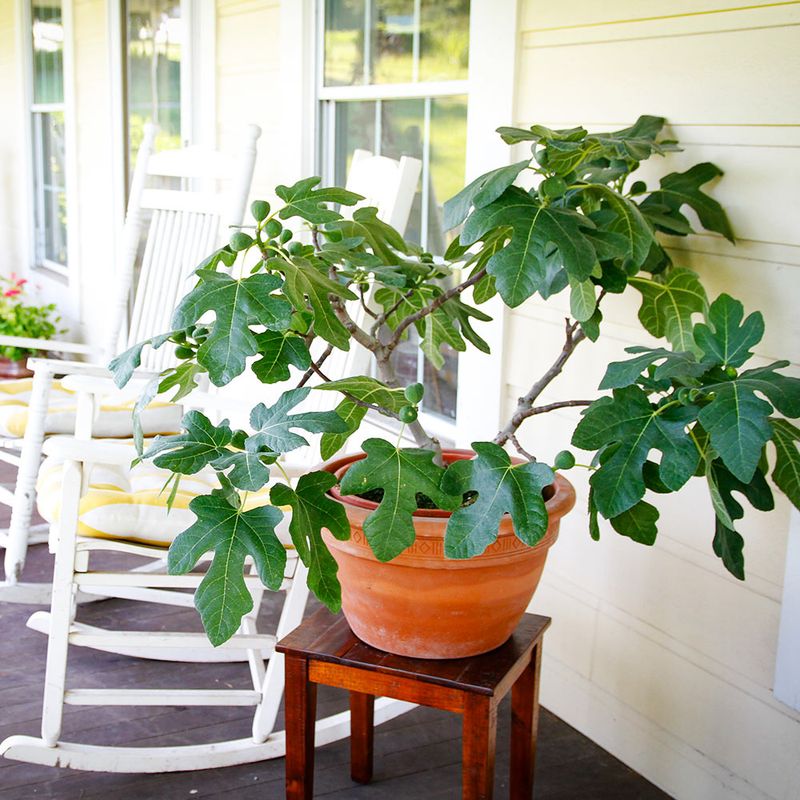
When the weather turns, resist the urge to carry the fig straight from the garage into full sun. After months of dim, cool storage, the tree needs time to adjust to outdoor conditions.
UNH Extension advises reintroducing the container fig to the outdoors gradually. Start by giving it a more sheltered spot, then let it see more of the outdoors over time.
Your own yard and local forecast set the pace, so watch the weather rather than a fixed date.
A fig that wakes slowly is a tree that has made it through winter with its roots intact.