
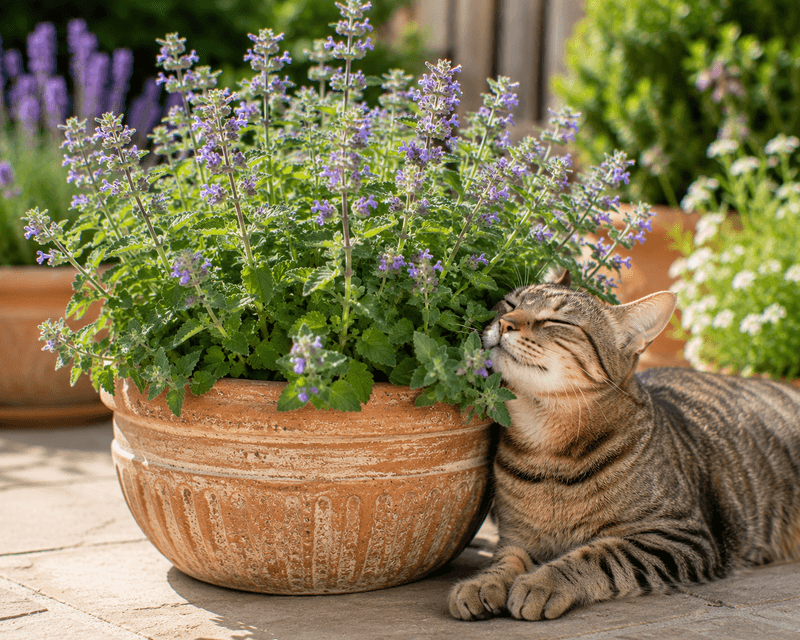
A plant by the front door that keeps roaches out sounds like an easy win for any Texas yard. The plant behind the buzz is catnip, and it does have a real research story.
But that story comes from a laboratory, not from a porch. Here is what the science actually shows, and what keeps roaches out of Texas homes.
What catnip oil showed in a lab
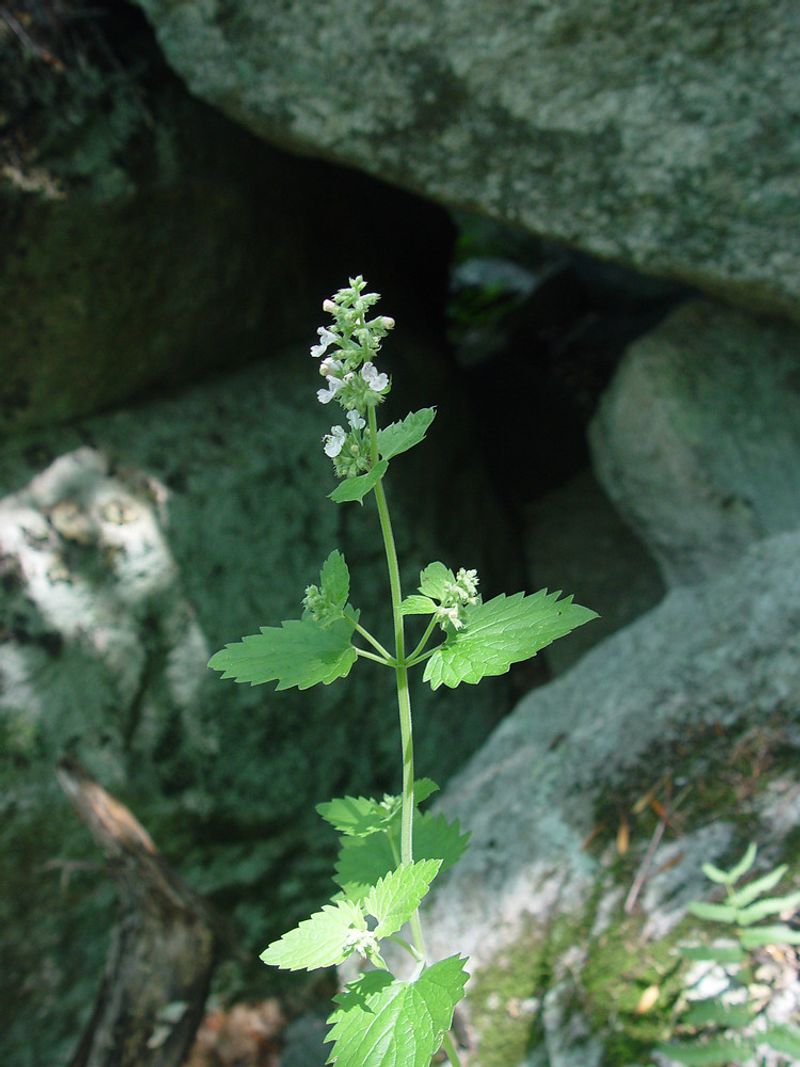
Catnip (Nepeta cataria) is the plant behind the roach claim. It is a leafy herb in the mint family, best known for making cats go wild.
Its leaves hold an oil with a strong smell, and one compound in that oil is called nepetalactone.
In 2002, researchers tested that oil on cockroaches. In a Journal of Economic Entomology study, catnip essential oil and nepetalactone repelled adult male German cockroaches in a laboratory choice-test arena.
In a choice test, roaches can move toward or away from treated areas, and the insects tended to avoid the catnip-based ones.
That is a genuinely interesting lead. It suggests that chemicals in catnip bother at least one of the most common indoor roach species, and scientists often start from findings like this when they look for new pest-control ideas.
The result is narrow, though. The tested materials were concentrated essential oil and an isolated compound, not a pot of leaves on a porch.
The roaches were adult males of one species, placed in a controlled arena built to measure their choices.
So the fair summary is simple. Catnip oil showed repellency in a lab test.
That makes catnip a research lead worth following, but it does not make it a proven doorway defense for a Texas home.
Why a lab result does not prove a doorway plant works
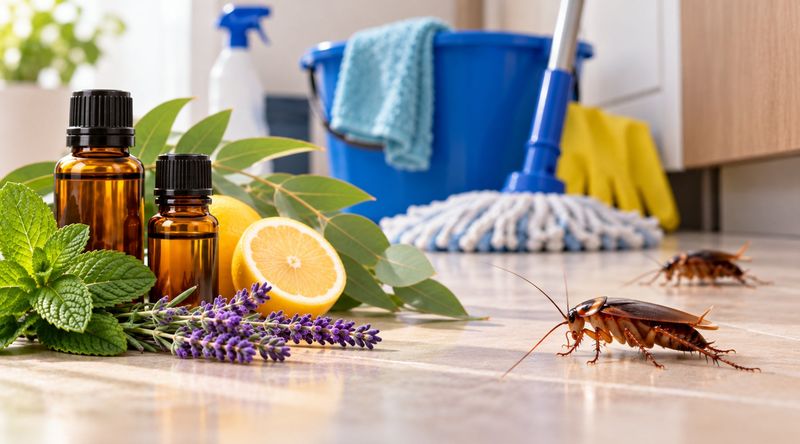
Nobody in that 2002 study planted catnip by a door. The researchers did not test a living plant, a home entrance, or whether growing catnip keeps roaches from coming inside.
Those questions were simply never asked.
Oil, isolated compounds, crushed leaves, and a growing plant are four different things. A bottle of essential oil is highly concentrated, and nepetalactone on its own is more concentrated still.
An intact plant releases far less scent into the air, and wind, heat, and rain on a Texas porch change that even more. Nothing in the study shows a living plant would give off enough to turn roaches away.
Other essential-oil research points toward caution as well. A 2026 Scientific Reports study tested commercial essential-oil roach products, not catnip.
Those products performed poorly as lasting treatments against German cockroaches, and their short-term repellency generally faded after treated surfaces aged for 24 hours.
That work does not settle how catnip oil performs. It does show that a smell that bothers roaches for a short time can fade quickly in real homes.
For the front door, the practical lesson is to treat catnip as a garden plant and look elsewhere for roach protection.
Which Texas cockroaches may be coming inside
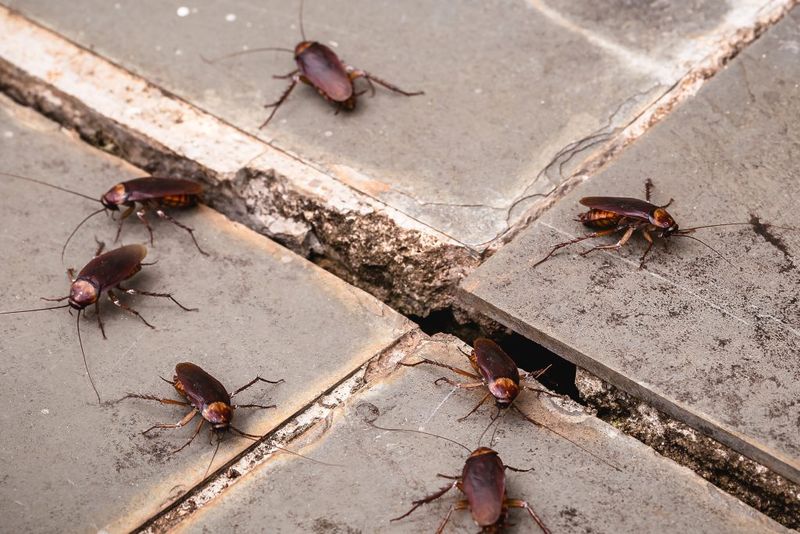
Not every roach in a Texas home arrived the same way. Texas A&M cockroach guidance explains that German cockroaches live indoors.
They hide in kitchens and bathrooms and are usually brought in on groceries, boxes, or used appliances.
American, Oriental, and smokybrown cockroaches are different. They mostly live outdoors, in mulch, leaf litter, tree holes, and sewers.
They may move inside when they are looking for food or water, especially during hot or dry stretches.
Those larger outdoor roaches find their way in through poorly sealed doors, soffits, and floor drains. A gap under a worn threshold works as an open invitation.
A soffit with a torn screen or a dry floor drain in a garage can be just as easy a route.
This is why a single porch plant has limits. A pot beside the door does nothing about a soffit gap on the other side of the house, a drain in the laundry room, or German roaches already living in the pantry.
Roaches come in from many directions, and the front door is only one of them.
A useful clue: a large roach found alone near an exterior door or drain often points to an outdoor species wandering in. Small roaches clustered in kitchen cabinets point to German cockroaches living inside.
Seal gaps and reduce what attracts roaches
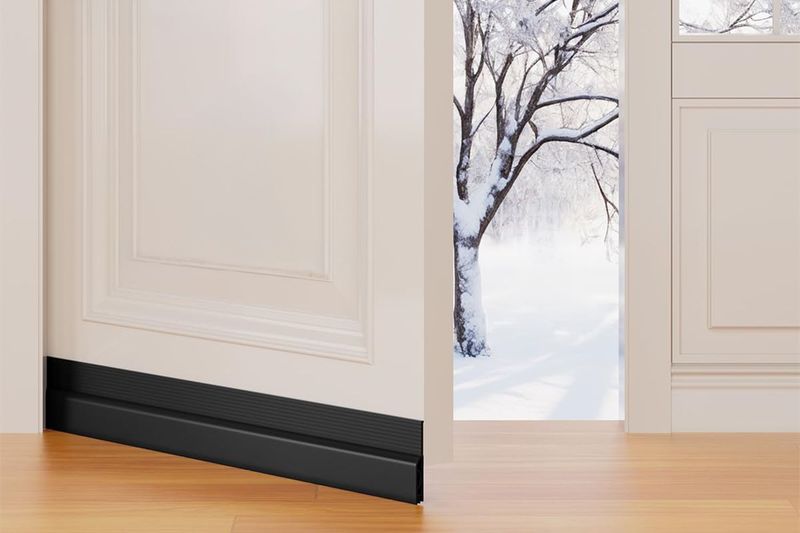
Prevention starts with a walk around the house. Texas A&M prevention advice calls for sealing exterior cracks of 1/8 inch or larger.
Check the seals around doors and around utility openings where pipes, cables, and vents enter the walls.
Next, look at the doors themselves. Tighten or replace worn thresholds, and repair door sweeps and weatherstripping until you cannot see daylight along the bottom edge.
A flashlight held inside at night makes gaps easy to spot.
Then take away what draws roaches in. Fix dripping faucets, leaking pipes, and wet spots under sinks, since moisture is a major attraction.
Store food and pet food in sealed containers, and do not leave dishes or full pet bowls out overnight.
Outside, UC Statewide IPM guidance backs the same basic plan: reduce clutter and outdoor debris near the home. Move firewood stacks, leaf piles, and loose boards away from the foundation, and keep mulch thin against the walls.
A simple checklist helps:
Seal gaps, fix door sweeps, repair leaks, cover food, and clear debris. These steps lower the odds of roaches getting in and finding a reason to stay.
They are not a guarantee of a roach-free home, but they do the real work that a porch plant cannot.
Growing catnip near a Texas entry

If you like the plant, grow it for its own sake. Catnip is not native to Texas.
It comes from Europe and Asia, and Kew lists it as introduced in Texas. That makes it a garden herb, not a Texas native plant.
Texas conditions can be tough on it. North Carolina State Extension says catnip needs good drainage and may be intolerant of heat and humidity, with afternoon shade advised in hot conditions.
Raised beds, containers, and a spot that dodges western sun are sensible choices for triple-digit summers.
Names can be confusing. Classic catnip is Nepeta cataria, the species in the cockroach study.
Ornamental catmint is often a hybrid. A San Antonio Water System garden page separates classic catnip from a garden catmint hybrid, but it does not claim either one repels cockroaches.
Do not treat catmint and other Nepeta varieties as interchangeable with the tested plant.
Cats deserve a thought too. The ASPCA notes that catnip can cause vomiting and diarrhea in cats.
If you have cats, plant it where they cannot munch freely, such as a fenced bed or a high container, rather than beside a door they use.
Grow it if you enjoy the scent, the pollinators, and the soft gray-green foliage. Just do not count on it as pest control.
Monitor activity and respond to infestations
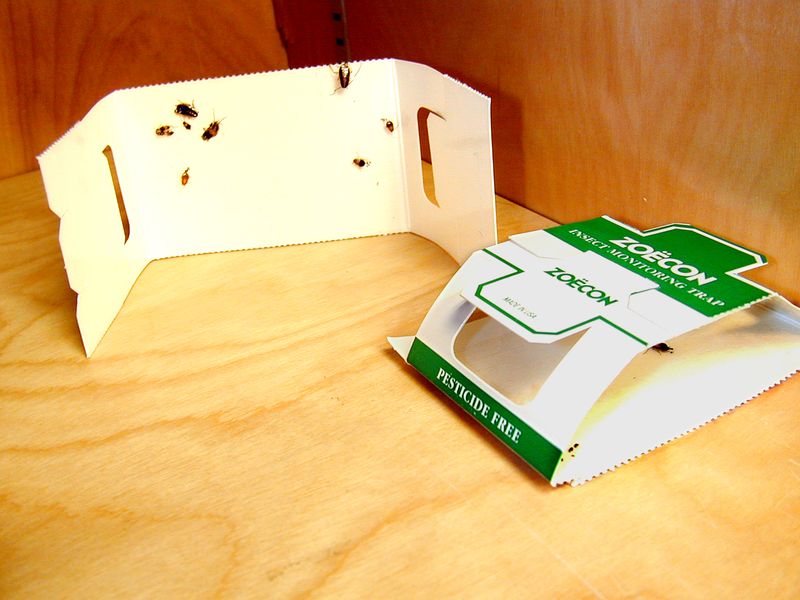
Sticky traps are handy detectives. Placed near exterior doors, under sinks, and along walls, they help you see where roaches are traveling.
Texas A&M recommends them for locating and monitoring activity, and a trap that fills up by the back door tells you where to seal first. Traps alone will not eliminate an established population.
If roaches are living indoors, you need a broader plan. Integrated pest management, described in UC Statewide IPM guidance, combines inspection, sanitation, sealing, monitoring, and targeted treatment.
Call a licensed professional if the problem keeps growing or you keep finding roaches in several rooms.
Skip the pantry and garden remedies. A University of Nebraska cockroach manual says home remedies such as bay leaves, herbs, and whole Osage orange fruit are not supported by scientific research and are not recommended.
Homemade essential-oil sprays belong in the same bucket, and none of them replaces sealing or infestation control.
Plant catnip if it suits your garden and your household, and enjoy it for what it is. For roaches, seal the entry points, trim the attractants, and keep checking your traps.
A plant can make a porch look inviting, but only a sealed door keeps roaches from feeling welcome.