
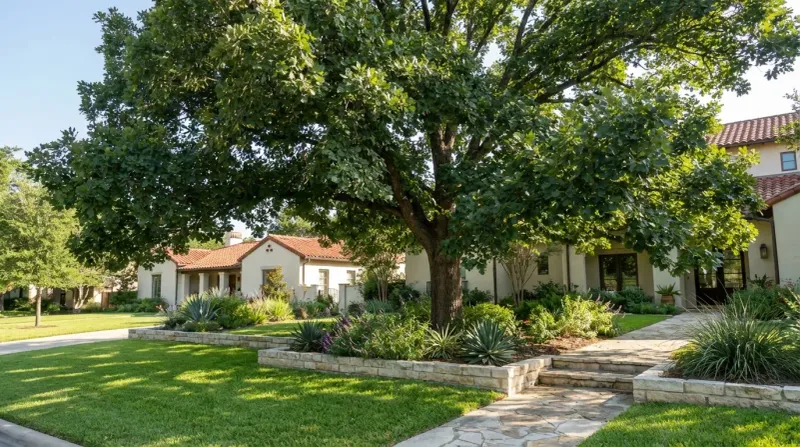
Shade matters in a Central Texas yard when summer afternoons push past 100 degrees. Mexican white oak, also called Monterrey oak, grows quickly and can build a big canopy.
It comes with a Texas-native label, but that label needs some explaining. Here is what the tree offers, what it asks of you, and how to plant one this winter if it fits.
Meet Mexican white oak, a fast-growing shade tree
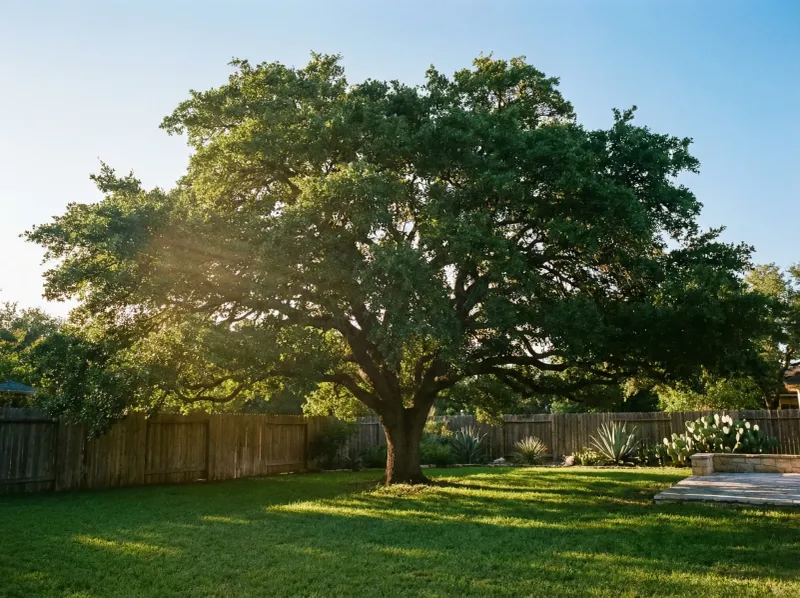
Picture a wide, leafy canopy over your patio by the time the kids are in high school. That is the shade payoff that makes Mexican white oak (Quercus polymorpha), also called Monterrey oak, worth a look.
A San Antonio regional tree guide describes it as fast-growing and large, reaching about 45 to 60 feet or more.
Austin’s plant guide lists a mature spread of 30 to 40 feet and calls for deep soil. Treat those numbers as planning guidance.
Your tree may come in smaller or larger depending on soil depth, water, and the spot you give it.
Fast growth is a real selling point, but it is only one trait. It does not tell you the limbs will be strong, the roots will behave, or the cleanup will be light.
The sources back up quick growth and shade potential, and they stop there.
So think of Mexican white oak as a promising candidate for yards with space, not a guaranteed fix for every tree headache. The next sections cover what the documented traits mean for your property, one at a time.
How native is it to Central Texas?
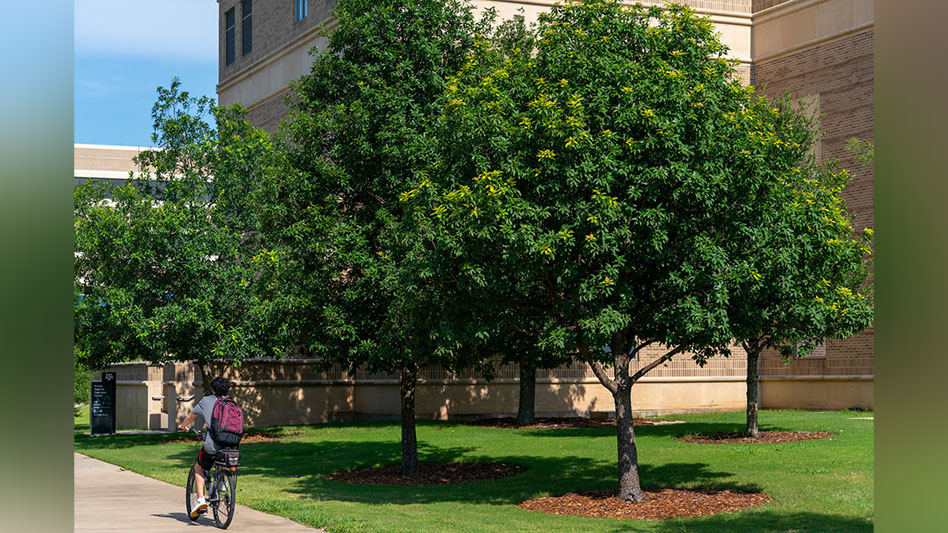
Texas native sounds simple, but geography matters here. The San Antonio guide says Mexican white oak is native to northern Mexico and Val Verde County, Texas, out near the Rio Grande.
That is a small slice of the state, a long way from most Central Texas neighborhoods.
Austin’s guide is blunter about the local picture. It says the tree is not native to the Edwards Plateau or the Blackland Prairie, the two ecoregions that shape much of the Austin area.
You can read more in the city’s Mexican white oak entry.
So calling it a Texas native is fair, but calling it a local native around Austin is not. If you are planting specifically for local ecology, that difference counts, and this article makes no claims about wildlife or habitat benefits.
A handy test: ask whether a tree grows wild in your own ecoregion, not just somewhere in Texas. For Mexican white oak in the Austin area, the answer from the city’s guide is no. That does not rule it out as a landscape tree, but it should shape how you describe and choose it.
Semi-evergreen still means seasonal cleanup
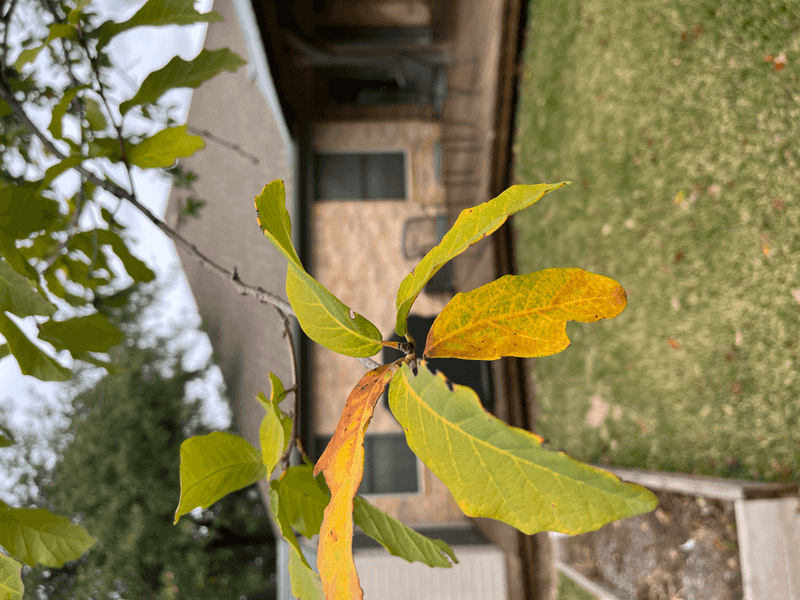
Raking is not off the table with this tree. Austin’s guide describes Mexican white oak as semi-evergreen and says it sheds leaves in spring as new leaves emerge.
That means a leaf drop in the season when many people expect trees to be tidy.
Semi-evergreen is not the same as evergreen, and it is certainly not litter-free. Plan on a few weeks of cleanup around the patio, gutters, and any pool.
The guide also lists two health traits worth knowing. The tree is resistant to oak wilt, a serious disease of oaks in Texas, but resistant is not immune.
It is also susceptible to oak phylloxera, a group of tiny insects that feed on oak leaves.
Neither trait makes the tree maintenance-free. Check your tree’s leaves each spring, and ask a certified arborist if something looks off.
Go in expecting some seasonal chores and occasional pest watching, and you will not be surprised later.
Make room for a mature canopy and roots
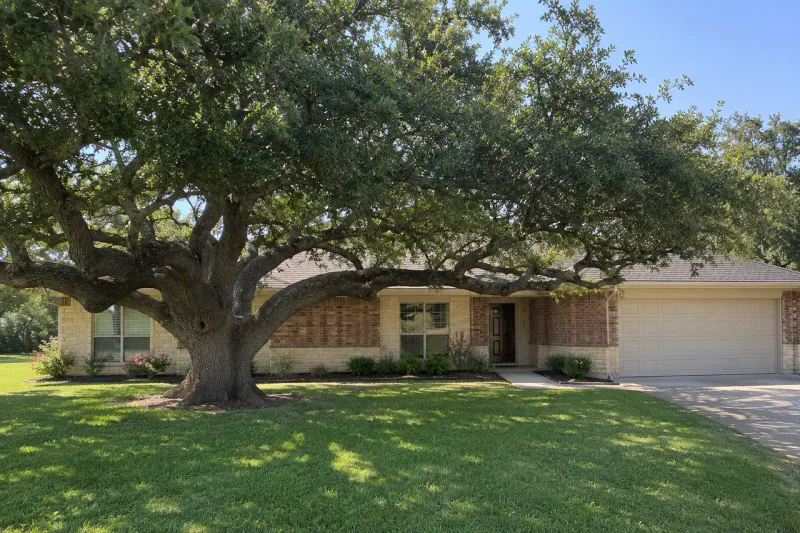
Grab a tape measure before you grab a shovel. Austin’s guide lists a 30 to 40 foot spread for Mexican white oak, so the ideal spot has about that much clearance from the house, fences, and neighboring trees.
Look up, too, for power lines. The same guide recommends deep soil, so check how far you can dig before you hit rock or caliche.
Roots need the same planning. Texas A&M Forest Service guidance explains that tree roots commonly grow near the soil surface and can exploit existing cracks or leaks.
That is general tree advice, not a warning that this species has unusually invasive roots.
Still, no tree should be called harmless to pipes or pavement. Pick a spot well away from driveways, sidewalks, foundations, and sewer lines, and mark utilities before you dig.
If you already have a leaky pipe or a cracked slab nearby, fix that first. A young tree looks small, so plant for the size it may become, not the size it is at the nursery.
The recommended Texas planting window
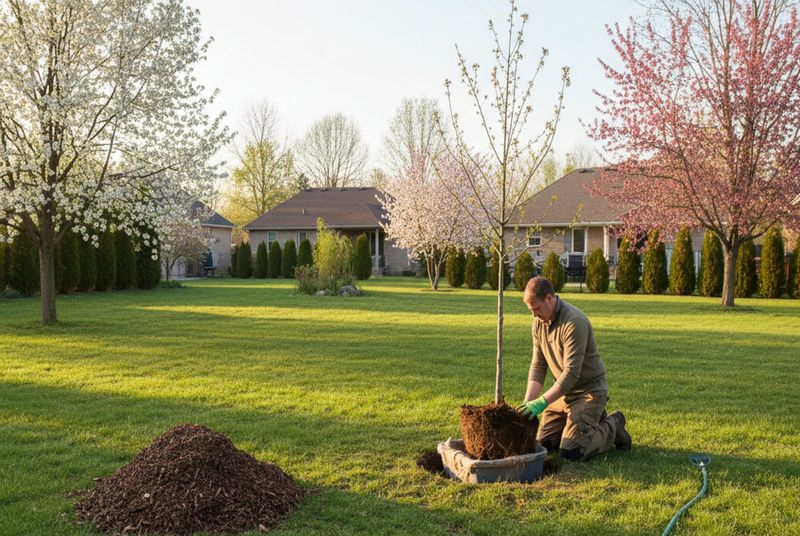
Mid-November sits right inside the planting window. Texas A&M Forest Service recommends planting trees from November through early spring, so winter planting is a good fit for a Mexican white oak.
Think of it as a recommended window, not the only time that works. The guidance does not claim a special reason winter beats other seasons, and this article will not invent one.
Timing also will not guarantee success. The tree still has to suit the site, with enough sun, room, and deep soil.
Skip days when the ground is frozen, and avoid spots where water stands after rain, since poorly drained soil is a poor start for any new tree.
Local conditions matter too. A warm, dry winter day in Central Texas calls for different care than a soggy one.
Pick a workable day, prepare the site, and be ready to water during dry spells.
Planting details support establishment
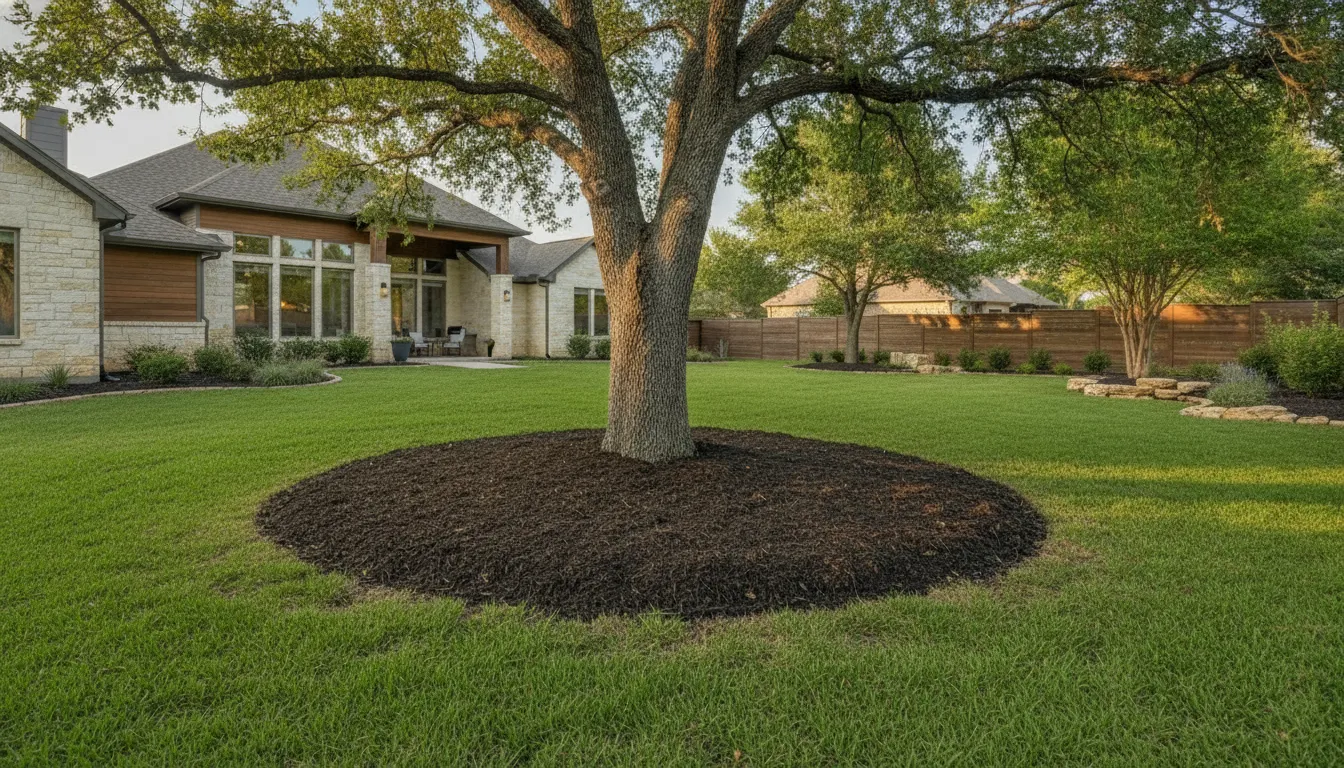
Good planting habits give a young oak its best start. Texas A&M Forest Service planting guidance says to dig a hole at least twice as wide as the root ball, but no deeper.
Set the root collar, where the trunk flares out, flush with or slightly above the surrounding grade.
Next comes mulch. Spread 2 to 3 inches over the planting area, and keep it from piling against the trunk, where it can hold moisture against the bark.
Then water through establishment. The general guide is 6 to 8 gallons per inch of trunk diameter per week for newly planted trees.
Treat that as a starting point, and adjust for weather, soil, and rainfall. Rainy weeks may need less, and hot, dry stretches may need more.
A test: push a finger into the soil near the root ball. If it feels soggy, hold off; if it is dry a few inches down, water.
Correct planting does not end the work. Expect to keep watching moisture, mulch, and tree health for the first few seasons.
A promising shade tree, not a no-headache guarantee
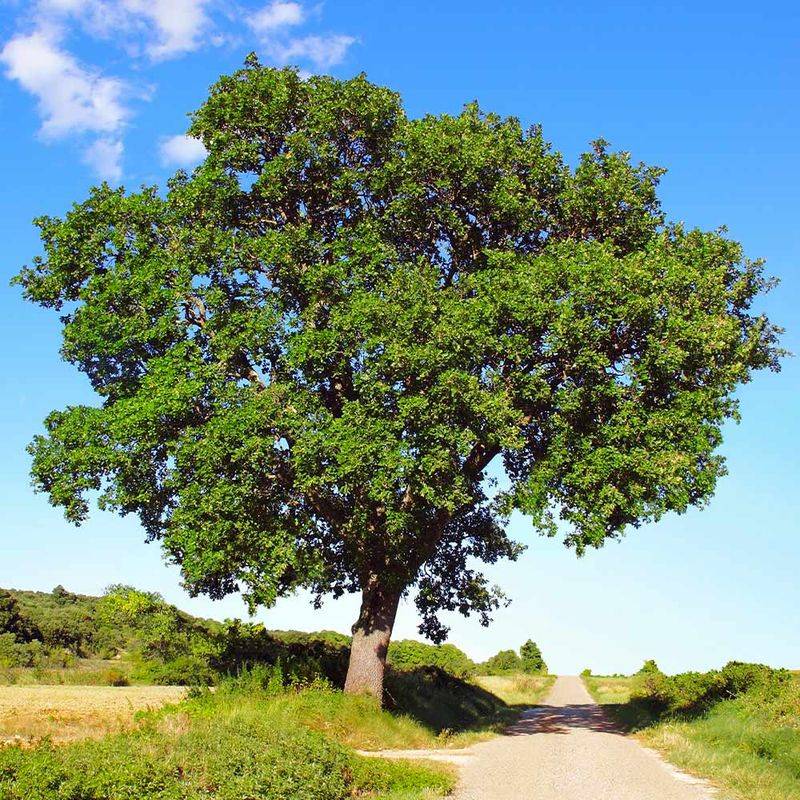
Mexican white oak can suit a Central Texas yard that has room for its canopy and roots, and where spring leaf drop and establishment watering are fine with you. The San Antonio guide backs its fast growth, and Austin’s guide backs its size and spring shedding.
Neither promises strong limbs, harmless roots, or zero cleanup, and Texas A&M Forest Service says to check space and utilities first.
Site fit is the real decider. Shade is easy to love, but only in the right spot.