
Bare soil in a flower bed is an open invitation for weeds, and buying enough plants to cover it can cost a small fortune. The good news is that a handful of North Carolina natives will do the filling for you, creeping, seeding, and multiplying a little more each year.
Late September is a smart time to start, since cooler nights and fall rain help new roots settle in before winter. Plant a few now, and by next summer you may have a bed that looks full, feeds pollinators, and costs you almost nothing.
1. Golden Ragwort (Packera aurea)
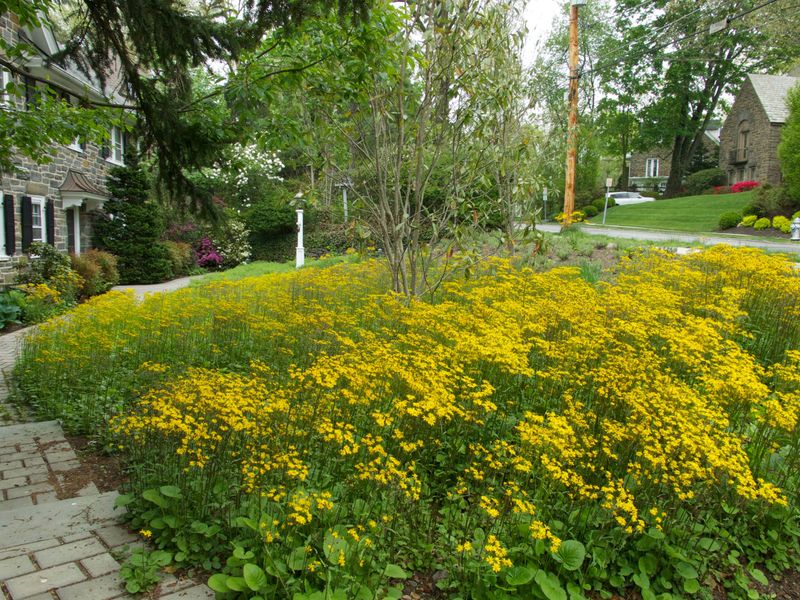
Picture a shady corner where nothing ever grew, now covered in a tidy green mat with yellow daisies in March. Golden ragwort pulls off that trick by sending out short runners and dropping seed that sprouts close by.
Its rounded leaves stay mostly green through mild winters across the Piedmont and coastal plain, so beds look covered even in January. It handles damp soil well, which makes it a handy pick for low spots near downspouts.
Start with three or four plants spaced about 18 inches apart this fall. Within a couple of seasons, the gaps usually close on their own, and early native bees may visit the flowers when little else is blooming.
2. Green and Gold (Chrysogonum virginianum)
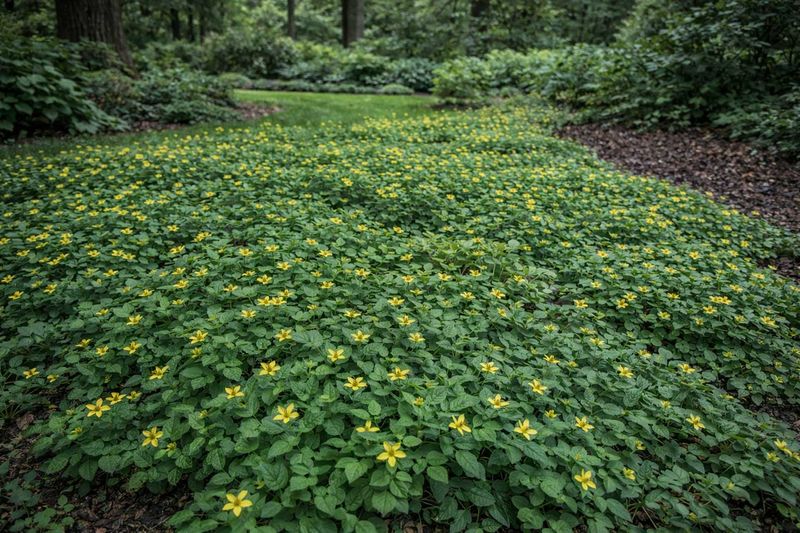
Ask a native plant nursery owner in Raleigh for a liriope replacement, and odds are good you will walk out with green and gold. It is a low, friendly spreader with little yellow star flowers that show up in spring and often again in fall.
The plant creeps by stolons, rooting as it goes, so a single pot can widen into a patch a couple of feet across in a year or two. It stays under six inches tall, which makes it ideal for path edges and the front of borders.
Give it part shade and soil that drains reasonably well. Heavy red clay is fine if you work in some compost at planting time.
3. Black-Eyed Susan (Rudbeckia fulgida and R. hirta)
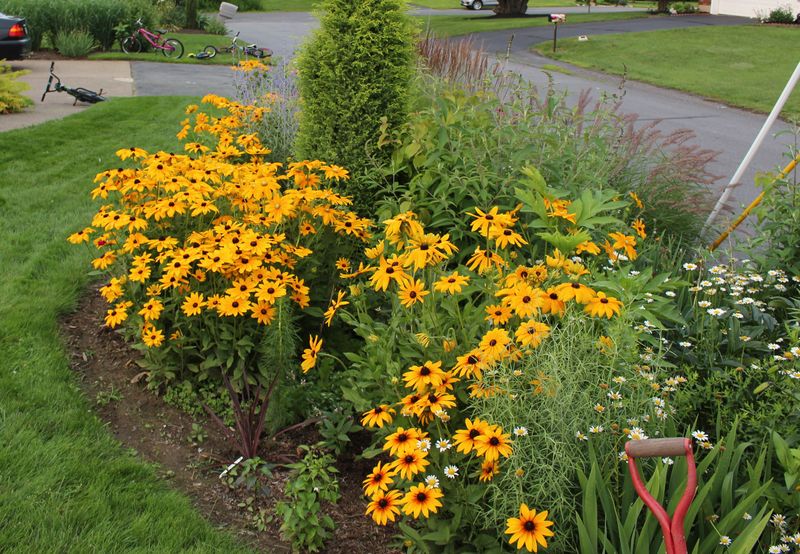
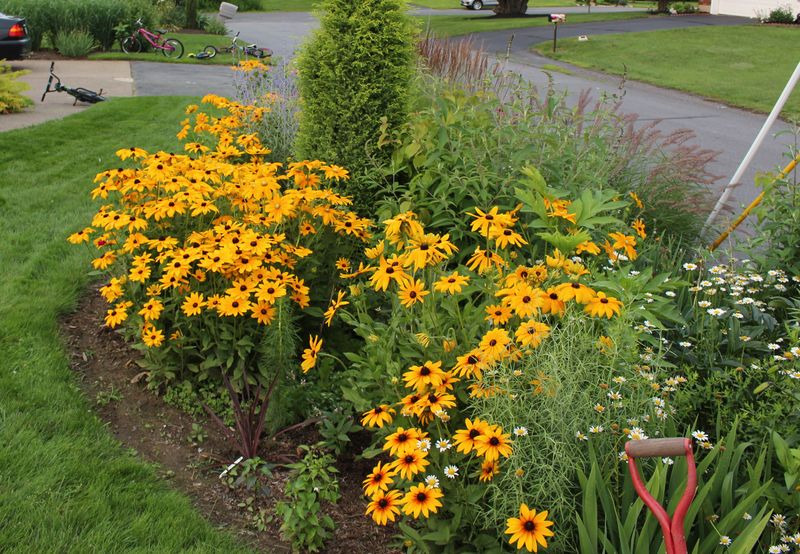
Few flowers say Southern summer louder. Black-eyed Susans fill sunny beds two ways: the perennial types spread by short rhizomes, while R. hirta tosses out seed that pops up wherever it lands.
Leave the dark seedheads standing this fall instead of cutting them back. Goldfinches tend to pick at them through winter, and whatever seed they miss can become next year’s free plants.
They tolerate heat, drought, and the clay soils common from Charlotte to Greensboro. If seedlings show up in the wrong spot, they pull easily or transplant well on a cool, cloudy day.
4. Wild Bergamot (Monarda fistulosa)
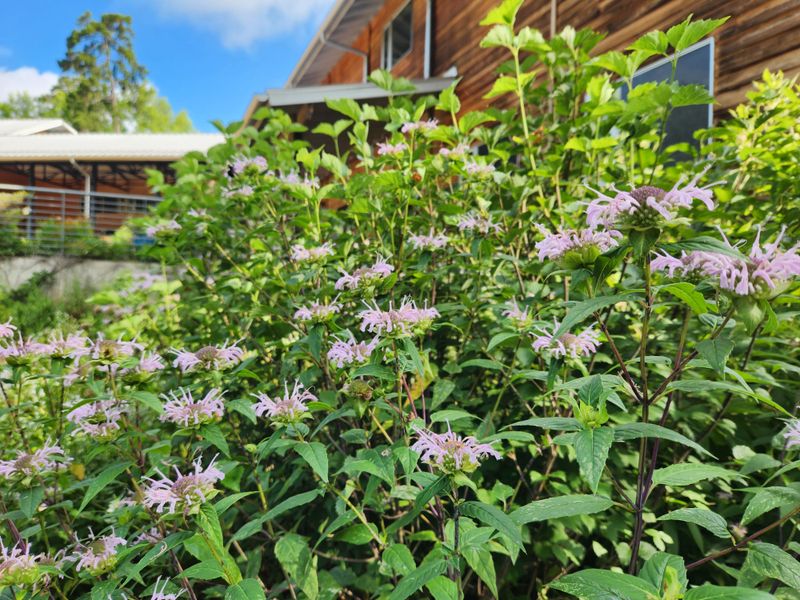
Brush past a clump on a July afternoon and you get a whiff of oregano and mint. Wild bergamot is a member of the mint family, and like its relatives, it spreads steadily through underground stems.
The pale lavender blooms are a favorite of bumblebees, hummingbird moths, and swallowtails. A patch that starts at one foot wide can easily double in a season or two in full sun.
Good air flow helps reduce powdery mildew, which can show up in humid coastal summers. Cut stems back after bloom if leaves look tired, and fresh growth often follows.
5. Wild Blue Phlox (Phlox divaricata)
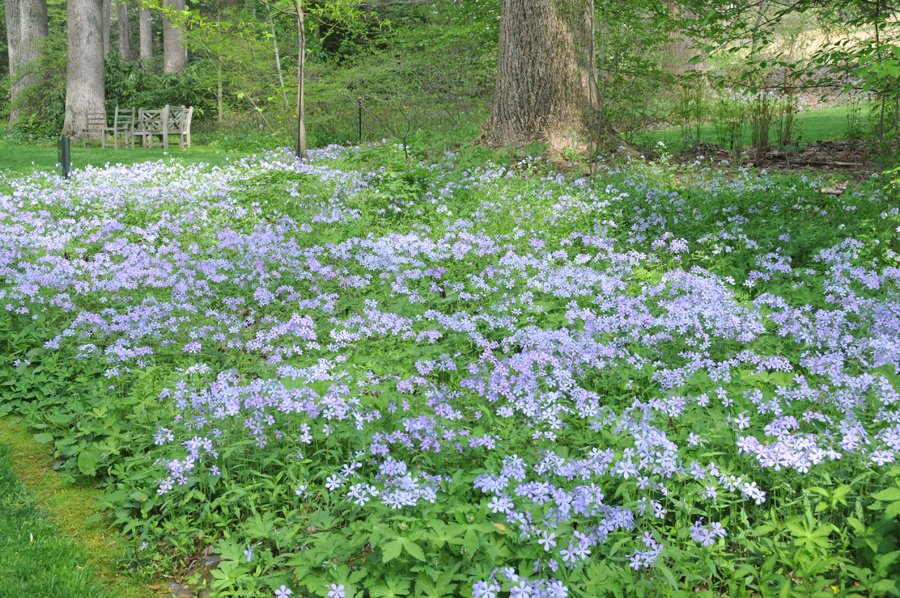
Mountain gardeners know the moment well: April, when soft blue drifts appear under oaks and maples like someone spilled paint across the woods. Wild blue phlox makes that happen in home gardens too.
Stems lie down and root where they touch soil, and plants also seed lightly. Over a few years, a handful of starts can turn into a loose carpet under trees where grass refuses to grow.
The flowers carry a sweet scent and attract early butterflies. Plant in fall in rich, moist soil with afternoon shade, and add a layer of shredded leaves to mimic a forest floor.
6. Lyreleaf Sage (Salvia lyrata)
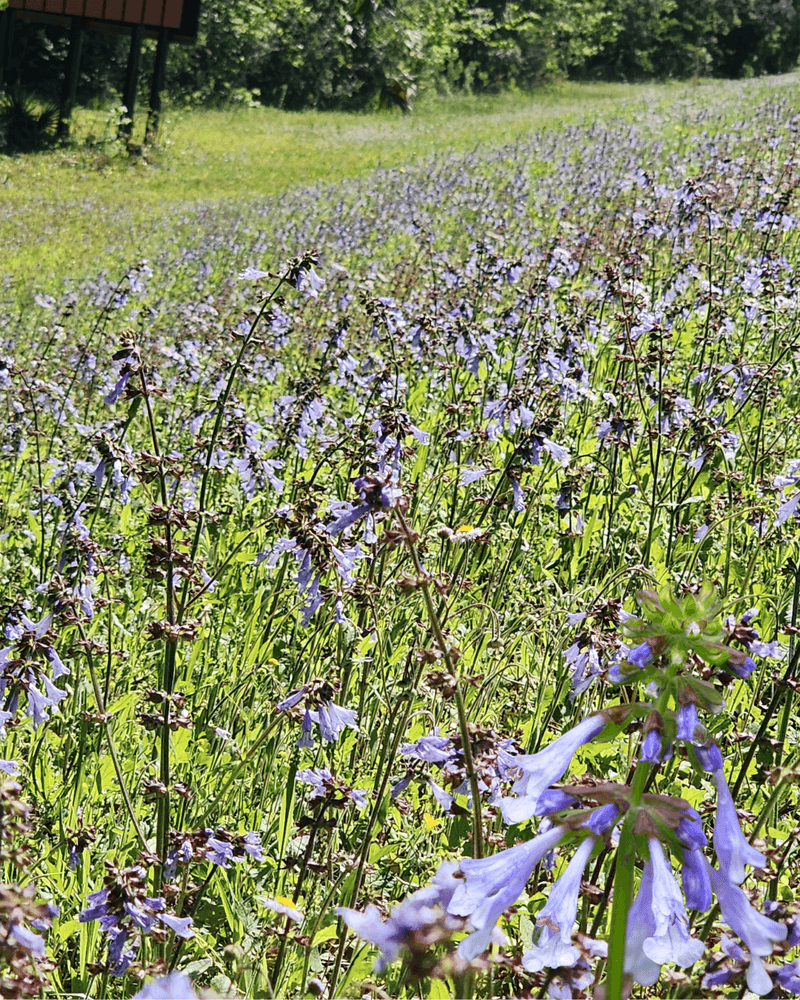
Here is a plant many folks already have without knowing it, popping up in lawns across the Piedmont. Lyreleaf sage forms flat rosettes of purple-veined leaves and sends up pale blue flower spikes in spring.
It reseeds generously, which makes it a natural fit for anyone wanting a lawn alternative or a living mulch. The rosettes stay low year-round and handle mowing better than most flowers.
Bees and hummingbirds visit the blooms. In tidy beds it may seed more than you want, so pinch spent spikes if you need to rein it in.
7. Purple Coneflower (Echinacea purpurea)
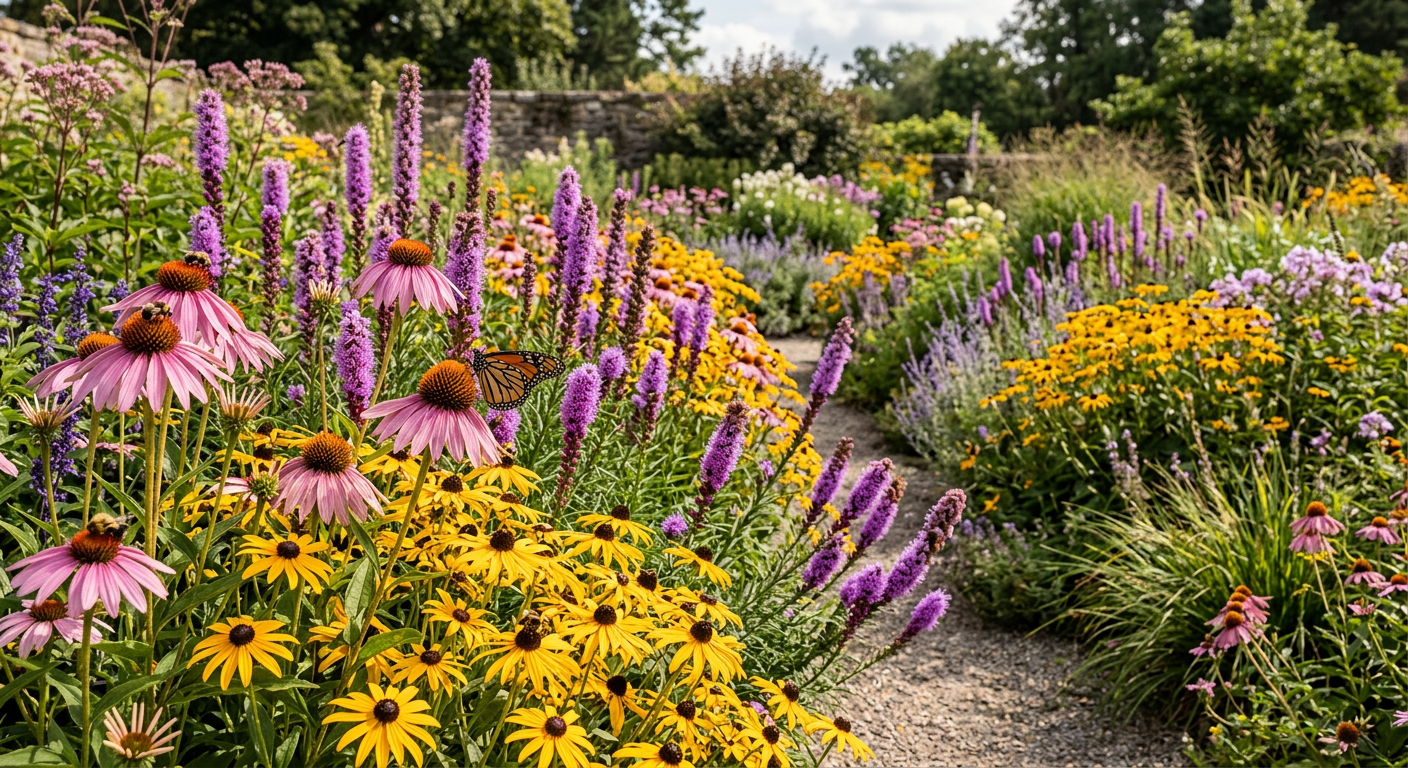
Coneflowers do not run around the garden. They are quieter than that, simply dropping seed each fall and letting volunteers come up near the parent plant the next spring.
The trick is patience at cleanup time. Skip the deadheading in September, and birds get a meal while some seed falls to bare soil below.
Seedlings usually bloom in their second year, so a bed of five plants can become fifteen without a trip to the garden center. They love sun and shrug off heat and drought once settled, from the mountains to the coast.
8. Woodland Stonecrop (Sedum ternatum)
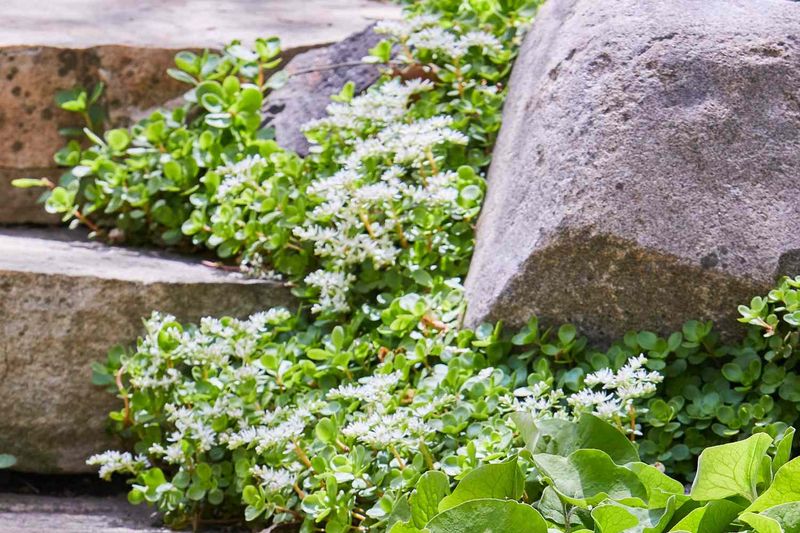
Tiny, tough, and surprisingly charming. Woodland stonecrop is a native sedum that creeps over rocks, slopes, and thin soil in the shade, places where most groundcovers give up.
Bits that break off often root wherever they land, so spreading it is as easy as tucking pieces into bare spots. White star-shaped flowers appear in spring.
It works well on steps, between stones, and on rocky banks in western North Carolina. Keep it away from heavy leaf piles, which can smother the small stems.
9. Mountain Mint (Pycnanthemum muticum)
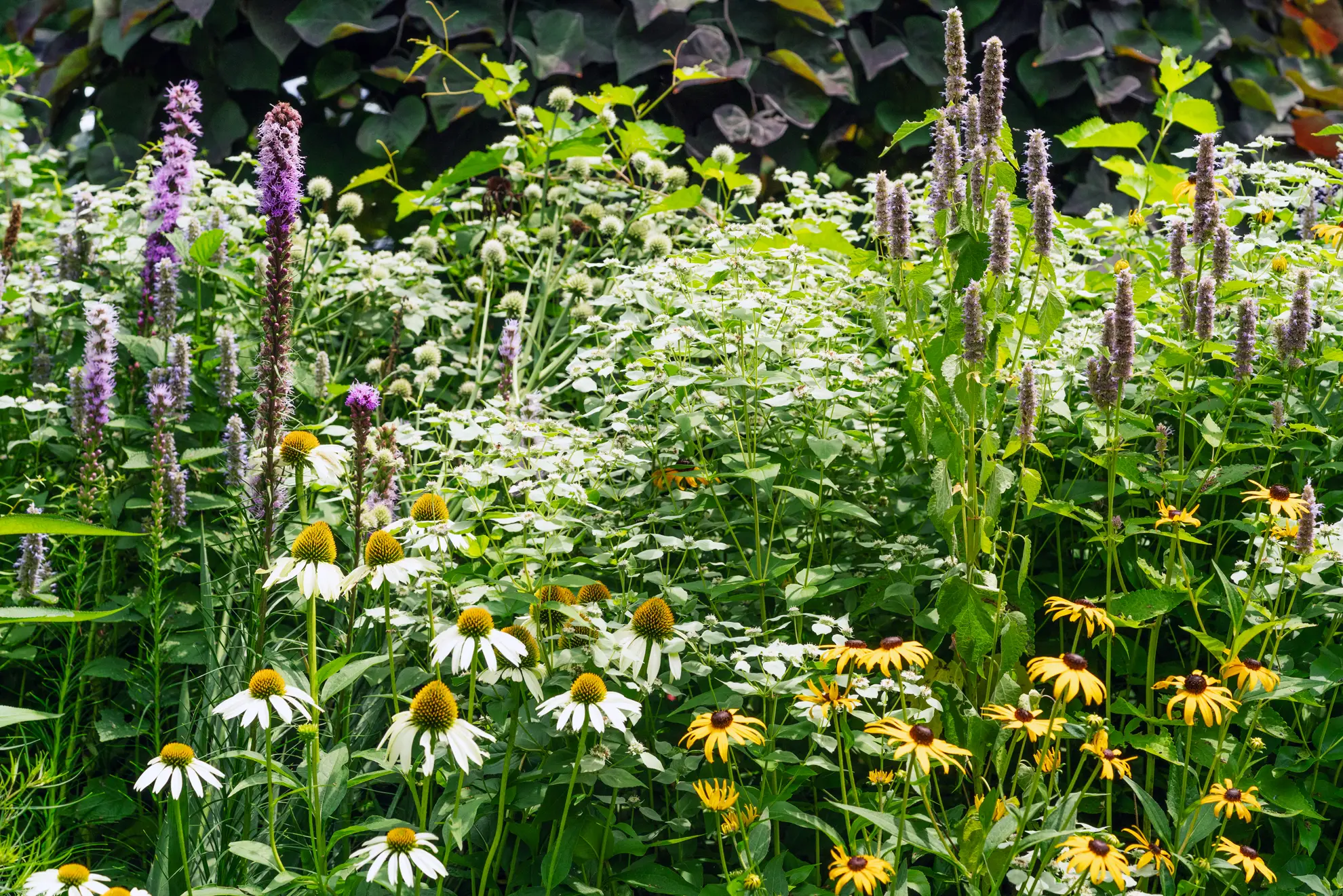
Stand next to a blooming patch of mountain mint in August and the buzzing is almost loud. Researchers and gardeners alike note it draws a wide range of pollinators, including many beneficial wasps.
It spreads by rhizomes, filling space faster than most plants on this list. That speed is great for a big empty bed, but give it room or edge it if your border is small.
The silvery bracts look frosted for weeks, and the leaves smell strongly minty. Deer usually leave it alone, a real plus in many NC neighborhoods.
10. Foamflower (Tiarella cordifolia)
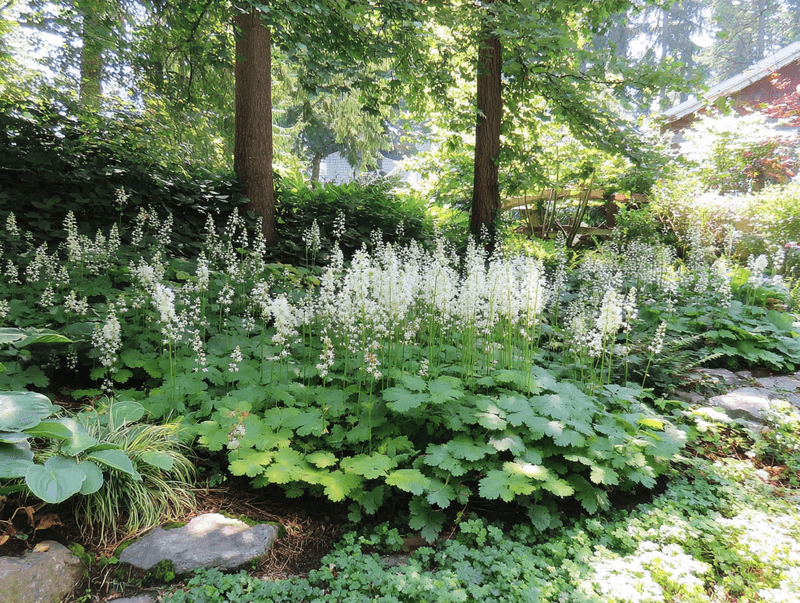
Fluffy white spires rising above heart-shaped leaves give foamflower its name. The running form spreads by stolons and can weave a soft carpet under trees and shrubs.
Leaves often turn bronze or burgundy in cold weather, adding winter interest in mountain and Piedmont gardens. It prefers moist, rich soil and steady shade.
Fall is a great time to plant, giving roots months to settle before spring growth. Pair it with wild blue phlox and golden ragwort for a shade bed that fills in on its own.
One closing tip for every plant here: leave bare soil uncovered by heavy mulch near seed-spreaders, and keep newly planted starts watered through dry fall spells.