
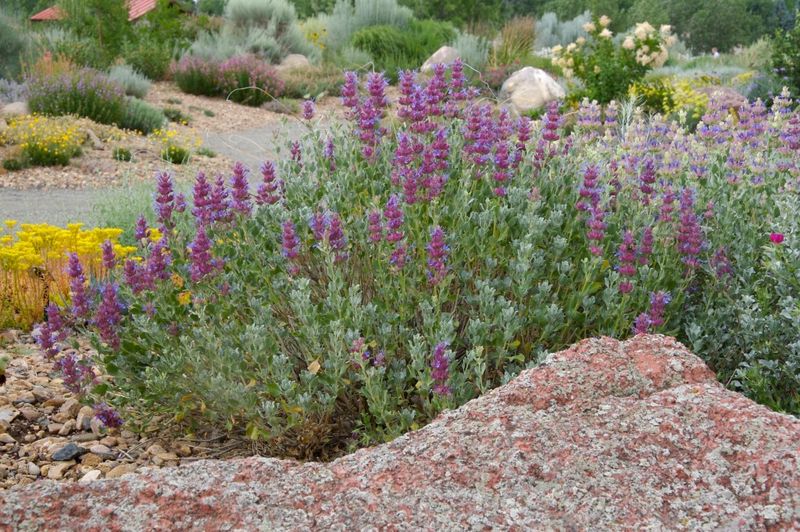
Salvias look tough, so it is tempting to grab the shears and cut everything short. But a cut that renews one sage can set back another.
A little plant detective work first helps you prune with confidence, protect wildlife, and get healthy regrowth after the cut.
Identify the salvia before you prune
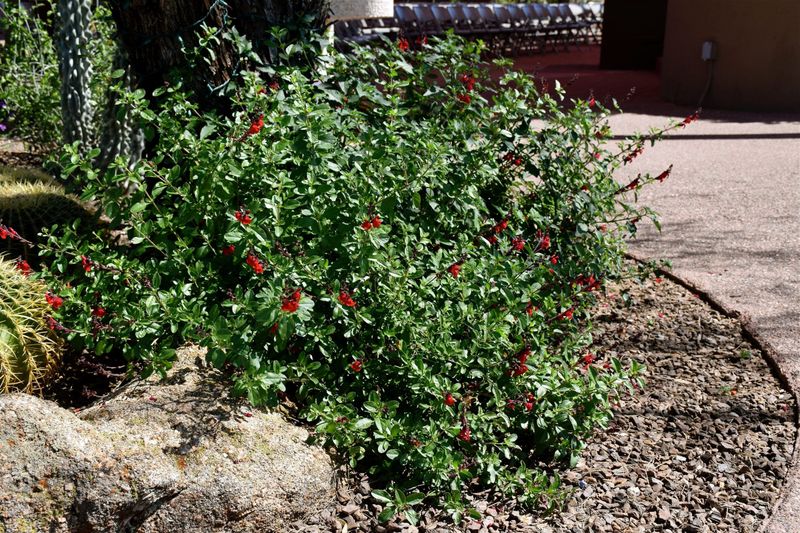
Garden centers and neighbors call lots of plants “sage,” but the group is wide. UC Statewide IPM describes salvias as including evergreen and deciduous shrubs, perennials, annuals, and other forms.
Because their growth habits differ, one cutback rule cannot safely cover all of them.
Start by finding the plant tag or the botanical name. If you cannot find either, take photos of the leaves, stems, and flowers to a local nursery or your county Master Gardener helpline.
Guessing is how a good plant gets a bad haircut.
Here is a rough sorting guide. Woody ornamentals such as autumn sage (Salvia greggii) and its small-leaf relatives form shrubby stems.
Mexican bush sage (S. leucantha) has softer stems that die back. California natives such as white sage (S. apiana) usually want light shaping, not a drastic cut.
Notice that “California sage” can mean a native plant or a garden cultivar with a Californian-sounding name. Those are different pruning jobs.
Once you know which group your plant belongs to, the sections below tell you what to do and when.
Let frost risk and wet weather guide timing
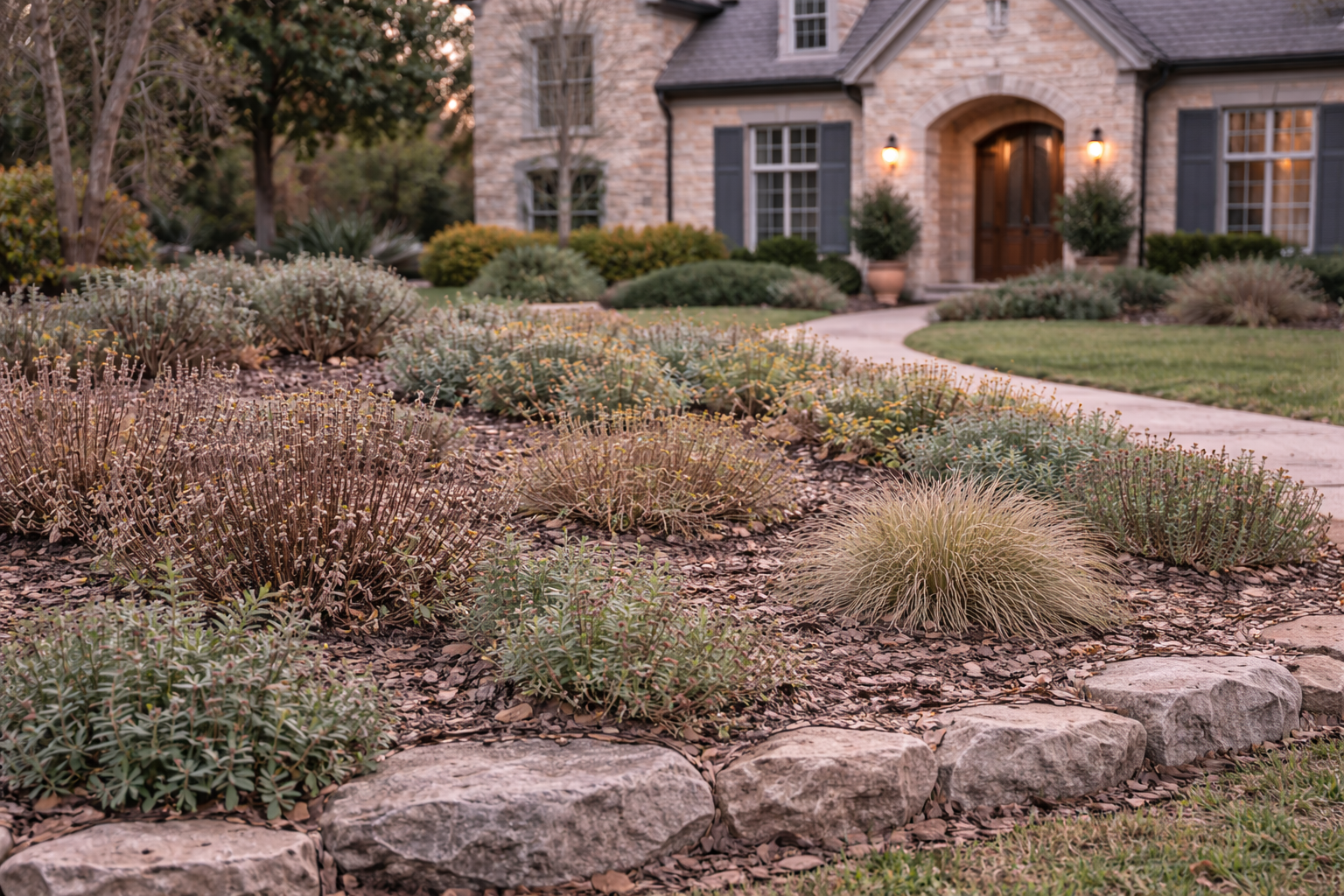
“Now” means something different in Santa Barbara than it does in the Sierra foothills. UC Marin Master Gardeners advise that a late-fall cut may suit woody sages in mild-winter sites.
Where freezing is frequent, they suggest waiting until spring.
The reason is simple. Old growth left on the plant can shield the tender buds beneath from cold.
Cut it away too early in a frosty spot, and new shoots may be exposed.
Frost pockets matter even within one city. A low corner where cold air settles may need the spring approach, while a sunny wall nearby may be fine for a fall cut.
Check where frost has nipped your plants in past winters.
Weather on the day matters too. UC Master Gardener guidance says to avoid pruning in wet weather when possible, since damp conditions raise the risk of infection.
Watch the forecast and pick a dry stretch.
Rain itself is not a growth switch for your cut stems. It is just something to schedule around.
Some woody sages can take a cut to 5–8 inches
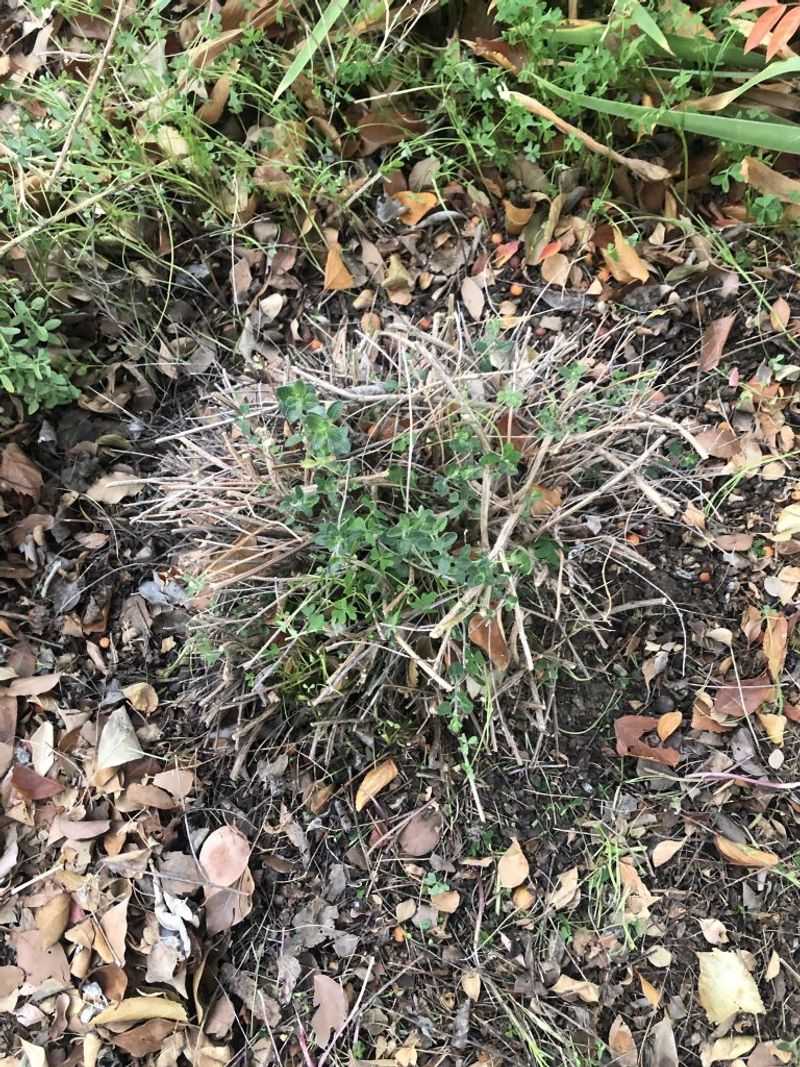
The severe cut applies to certain woody ornamentals. UC Marin lists examples such as Salvia greggii, S. microphylla, S. chamaedryoides, and Cleveland sage.
For these, the target is about 5 to 8 inches above the ground, in sites where the timing suits your frost risk.
Before you cut, look closely at the lower stems. You are searching for the lowest emerging foliage, the little tufts of leaves or buds near the base.
UC Marin warns that cutting below that foliage can kill a branch.
So the height is a guide, not a ruler rule. If the lowest leaves sit at 9 inches on one stem, cut above them.
If they sit at 5 inches, you have more room.
Use clean, sharp pruners and make each cut just above a leaf or bud. Step back after a few stems and check the shape.
Work on a dry day.
This method is for the named woody types in suitable conditions. It is not a rule for every salvia or every California garden, and the next sections show why.
Small-leaf salvias may need a higher, later cut
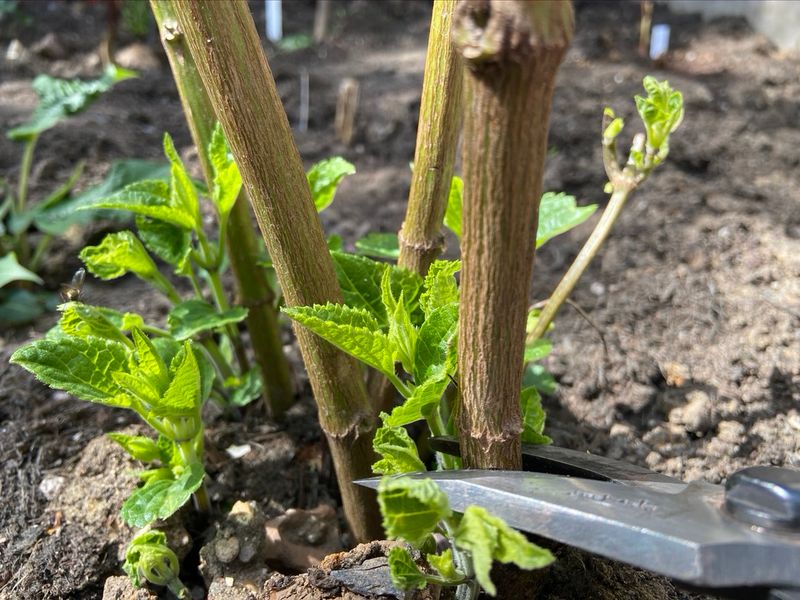
Not every guide asks for a cut as low as 5 to 8 inches. UC Master Gardeners of Fresno County recommend pruning small-leaf Salvia greggii and S. microphylla types in late winter or early spring.
They cut back to healthy growth about 12 to 18 inches above the ground.
They also say these plants generally should not be cut to the ground. A ground-level cut is risky, since the plant may not have healthy growth left to rebuild from.
Why the difference? Guidance varies by plant, climate, and pruning approach.
Fresno gets hard winter frosts in some years, and a later cut leaves protective growth on the plant through the coldest weeks.
Treat the two numbers as separate options for particular situations. Do not average them, and do not do both on the same plant in the same season.
If your plant is a woody type in a mild coastal garden, the UC Marin approach may fit. If you garden inland where nights drop below freezing, the later, higher cut may be the safer path.
When in doubt, cut higher. You can always trim more in spring once you see where new growth appears.
Treat Mexican bush sage as a separate case
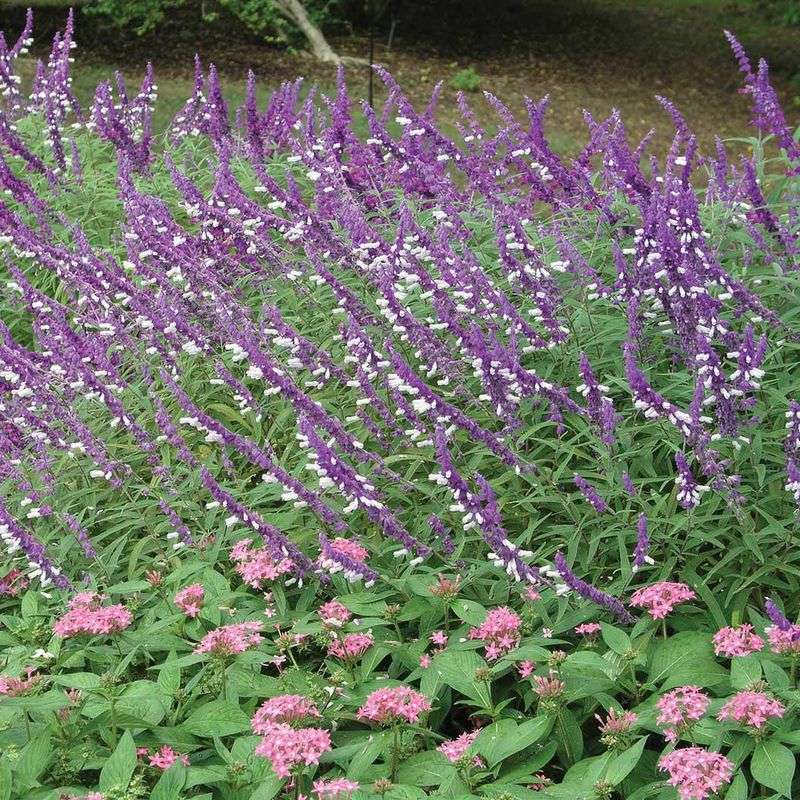
Mexican bush sage, Salvia leucantha, grows soft stems topped with velvety purple flowers. It behaves differently from the woody shrubs above.
UC Master Gardeners of Tulare and Kings Counties advise removing spent stems to about 3 to 4 inches in late fall.
Picture the plant after its long bloom season. The flower spikes have faded and the stems are tired.
Cutting them low clears out that finished growth and makes room for fresh shoots.
That 3 to 4 inch cut belongs to this plant. It does not justify cutting autumn sage, Cleveland sage, or any other salvia to the same height.
Doing so to a woody shrub could remove the foliage it needs to regrow.
A handy habit: write the plant name on a stake or in your garden notes with its cut height. Then you will not mix up your beds next year.
Use clean pruners, snip on a dry day, and compost the old stems if they are healthy.
Shape California white sage selectively
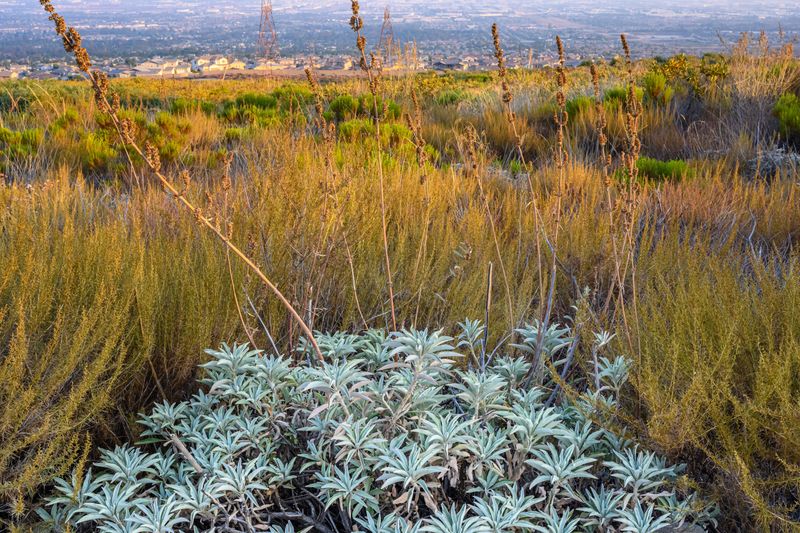
White sage, Salvia apiana, is a California native with silvery leaves and tall flower stalks. It is not a candidate for the shrub-style hard cutback.
UC Davis Arboretum recommends shaping it when young and removing old flower stalks annually.
Think of this as a tidy-up, not a renovation. Take out stalks that have finished, and guide the plant’s form while it is small.
Leave the main body of the shrub alone.
You also do not need to remove every stalk. The Arboretum notes that stalks can provide overwintering insect habitat, and the seeds can feed birds.
UC Master Gardeners in San Mateo and San Francisco also encourage balancing deadheading with seed and habitat value.
A simple plan is to cut most old stalks in late winter or after the season, but leave a few standing. Hollow stems can shelter small native bees and other insects, and finches may visit for seed.
That way your garden looks cared for and still works for wildlife.
Winter rain does not promise a bushier spring
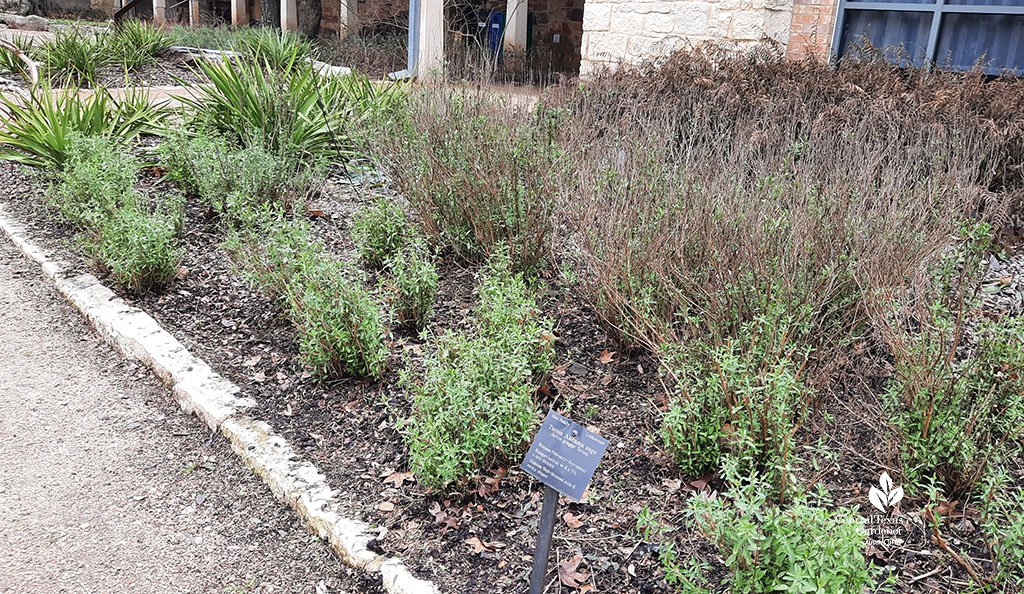
The popular claim is that a hard cut now brings the plant back twice as bushy, helped along by winter rain. The sources reviewed for this article do not back up either part.
None quantifies a twofold increase in bushiness, and none shows that rain makes a pruned salvia branch more densely.
What pruning can do is encourage regrowth. The UC Davis Arboretum’s salvia pruning advice treats cutting as routine care to renew plants.
How much new growth you get depends on the salvia type, where you cut, and your local conditions.
Winter moisture does matter in California, but in a general way. UC Master Gardeners of Sonoma County write about native plants in the context of our wet winters and dry summers.
That is useful background on how plants establish, not a rule that rain makes a cut stem branch more.
So set realistic expectations. A well-timed cut on the right plant may give you a fresher, tidier shrub by spring.
Whether it looks twice as full is something no one can promise.
Choose the cut for the plant, not the season alone
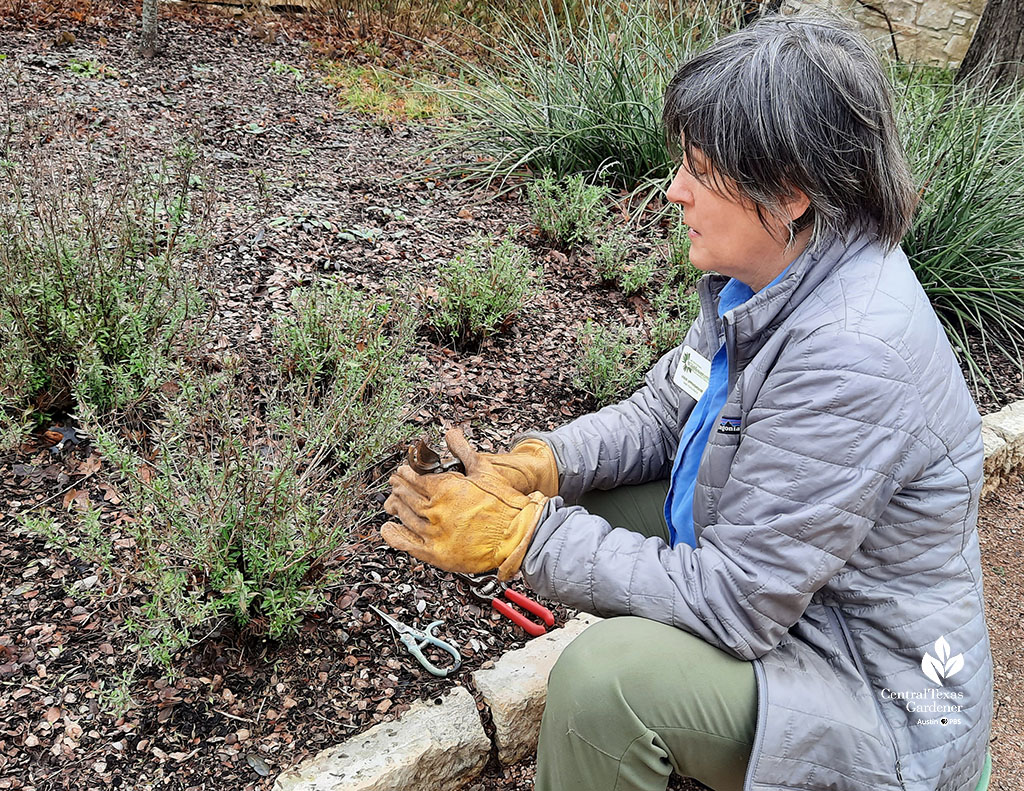
A good pruning plan begins with a name tag, not a calendar. UC IPM’s salvia overview shows how varied the group is, and UC Marin’s guidance ties timing to frost.
Match both to your yard, pick a dry day, and leave some seed heads for the birds.
The best salvia haircut is the one made for that plant.