
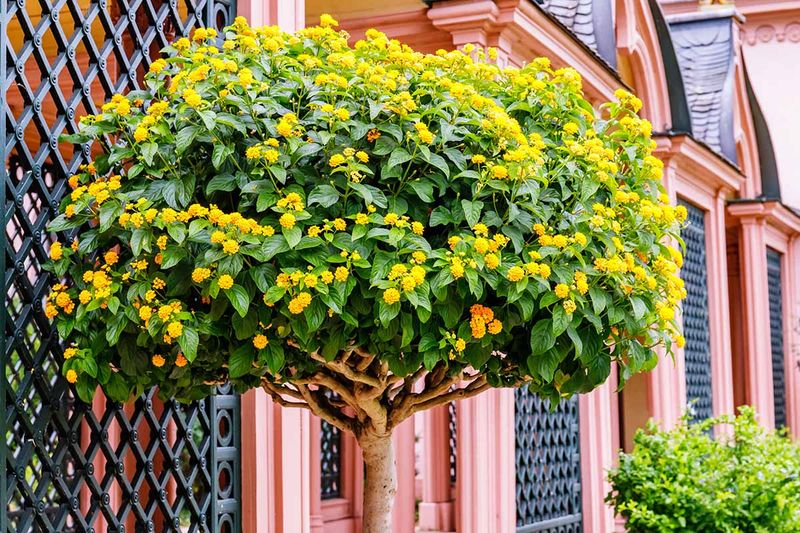
Lantana can turn into a tangle of gray, woody stems with flowers only at the very tips. Many North Carolina gardeners wonder if one big cut can bring back a fuller, more colorful plant.
The answer depends on the plant you own and the winters in your part of the state. Here is how to sort that out and cut with confidence.
Is your lantana a perennial where you live?
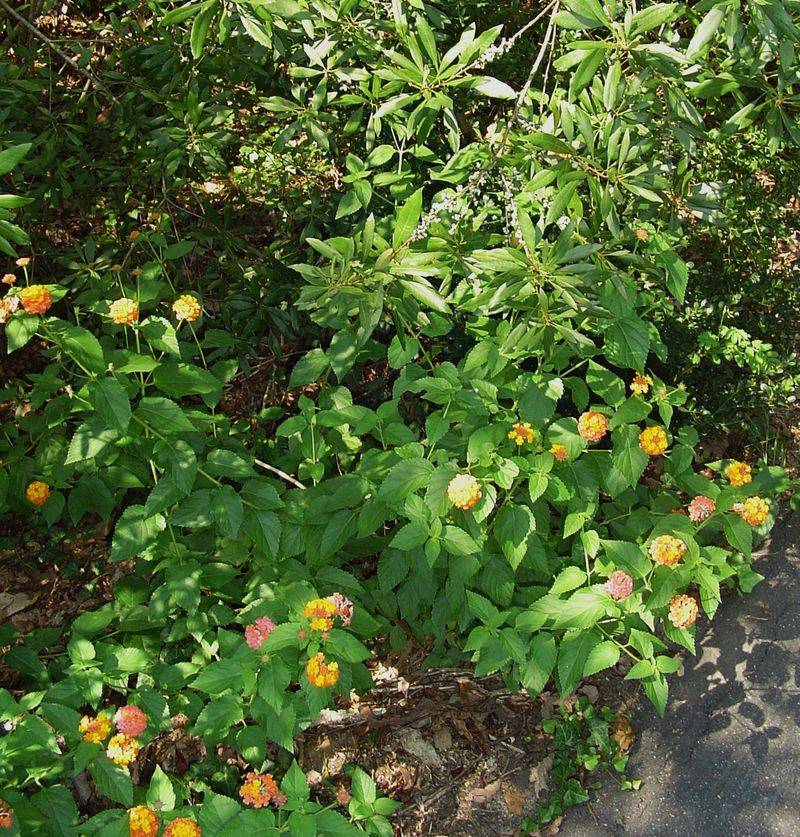
Before you pick up pruners, figure out what kind of plant you have. A hard renovation cut only makes sense for lantana that survives winter and pushes out new growth the next year.
Plenty of lantana sold at garden centers behaves like an annual in colder spots.
According to NC State Extension’s plant profile, common lantana can be either an annual or a perennial in North Carolina. Warm coastal areas are perennial territory.
In the Piedmont, named cultivars such as ‘Miss Huff,’ ‘Ham and Eggs,’ and ‘Chapel Hill Yellow’ are listed as frost-hardy.
So the first clue is your own yard’s track record. If your plant has come back for two or more springs, with new shoots rising from the base or from old stems, it is acting like a perennial.
If it turns to mush in winter and never returns, it was likely not a woody perennial in that spot, and there is nothing to renovate.
Mountain gardeners and those inland should be especially cautious. A plant that dies back in your yard is not a candidate for the advice that follows.
The pruning plan in the next sections is meant for established, winter-hardy lantana only.
A spring cut can remove old growth and make room for new stems
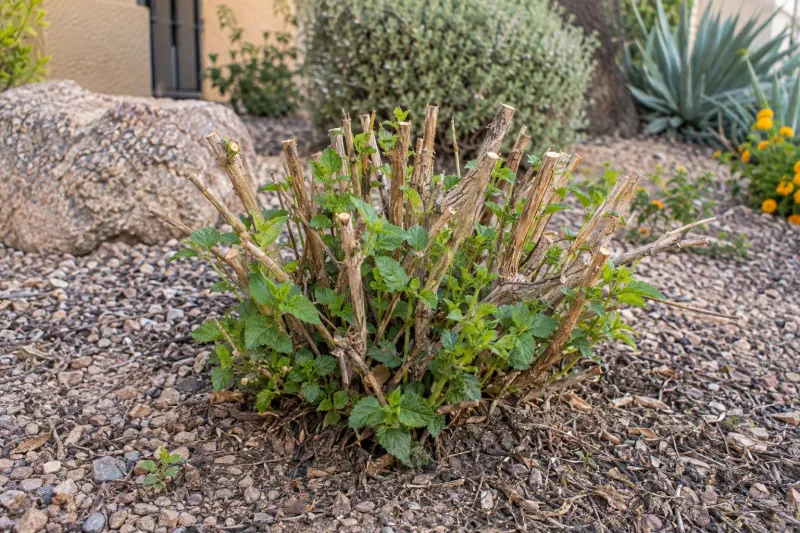
Woody lantana usually has a pattern: thick, bare lower stems and flowers pushed far out to the edges. A once-yearly renovation cut resets that pattern.
It removes tired wood and gives fresh shoots room to grow.
Clemson Extension recommends cutting perennial lantana back to about 6 to 12 inches above the ground in spring. Its fact sheet specifies March, with the goal of removing old growth and preventing woodiness.
Lantana blooms on new growth, so the stems you encourage this season carry the flowers.
Picture the work this way. Start at the outer edge and cut stems back to knee height or lower, aiming for that 6 to 12 inch range.
Leave a few buds on each stem if you can, since those are where new shoots will start. Clear away the pile of debris so air and light reach the crown.
Clemson also advises against a hard cut in fall. Pruning that late may reduce cold hardiness, and the old stems also help shield the plant over winter.
Leave the plant standing through the cold months and save the big cut for spring.
Remember that this is a recommendation for perennial lantana, not a rule for every plant sold under that name.
North Carolina’s freeze pattern makes timing local
March sounds simple until you compare a Wilmington yard with one in Boone. North Carolina stretches from the coast to the mountains, and the last freeze arrives weeks apart across that distance.
Treat late winter as a flexible window instead of a statewide date.
The NC State Extension freeze-date table lists average last freezes by weather station. Wilmington sits around mid-March, Raleigh around early April, and Boone near May 1.
Inland and mountain stations generally run later than the coast.
Keep in mind that these are historical averages, not promises. The stations in the table also use different observation periods, and your own yard may be warmer or colder than the nearest station.
A sheltered spot against a south wall behaves differently from an open slope.
Use the numbers as a guide, then watch your plant. Wait until the worst of the hard freezes has passed in your area, and look for green buds swelling on the lower stems.
Those buds show where living wood ends and dead tips begin, so you can cut with confidence.
If cold snaps are still in the forecast, hold off. Fresh growth after pruning is tender, and a late freeze can nip it back.
A plant that has not shown any life yet may simply be slow, so give it time before deciding it did not survive.
Match the cut to the plant’s hardiness and establishment
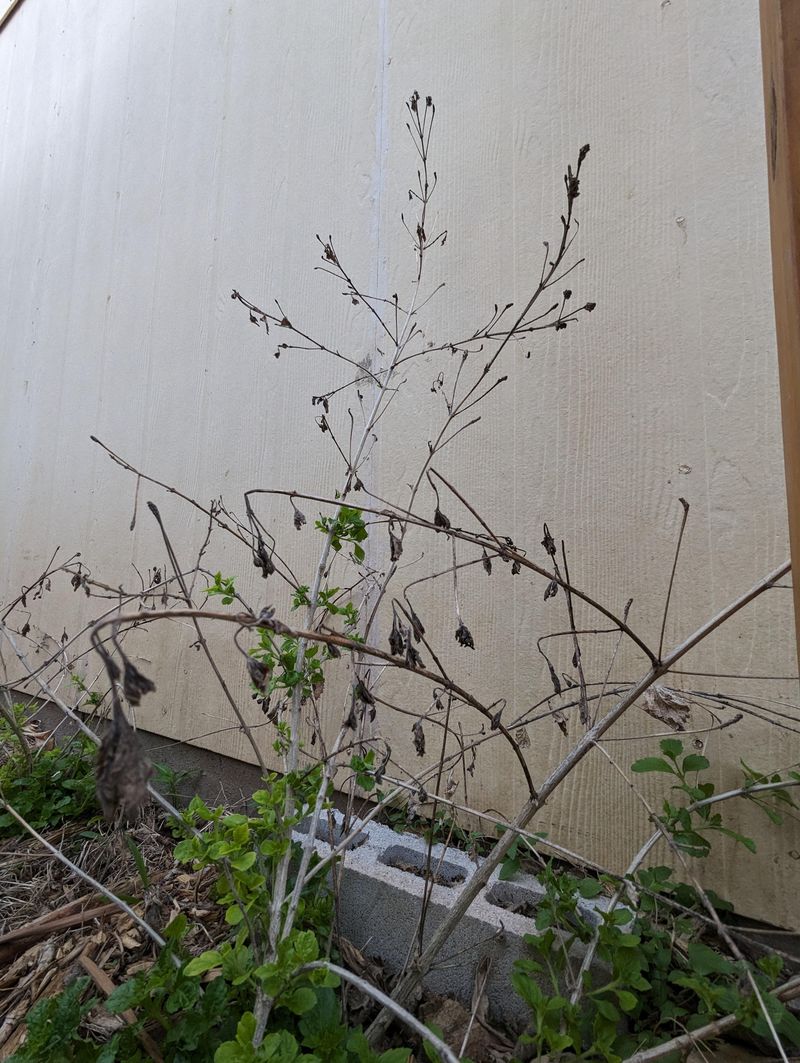
How low you cut depends on how tough and how settled the plant is. Clemson’s 6 to 12 inch recommendation is a sensible target for established perennial lantana in the Carolinas.
It leaves enough framework to regrow without leaving a tall woody skeleton.
The LSU AgCenter pruning chart offers a different range. It says well-established lantanas may be cut near ground level, while less-hardy varieties should be cut back by only one-half to one-third.
The chart notes that lantana blooms on new growth and suggests mulch to protect the crowns if you prune in winter.
That chart was written for Zone 8b in Louisiana, so treat it as a comparison rather than a North Carolina prescription. Its useful lesson is that severity should follow hardiness and age.
In practice, a few questions help. Has the plant survived several winters in your yard?
Is it a variety known to be frost-hardy where you live? If both answers are yes, a cut toward the Clemson range is reasonable.
If the plant is young or you are unsure of its hardiness, a lighter cut of one-third to one-half is the safer choice.
You can always remove more later, but you cannot glue stems back on. When in doubt, prune less.
Use light summer tip-shearing to encourage repeat bloom
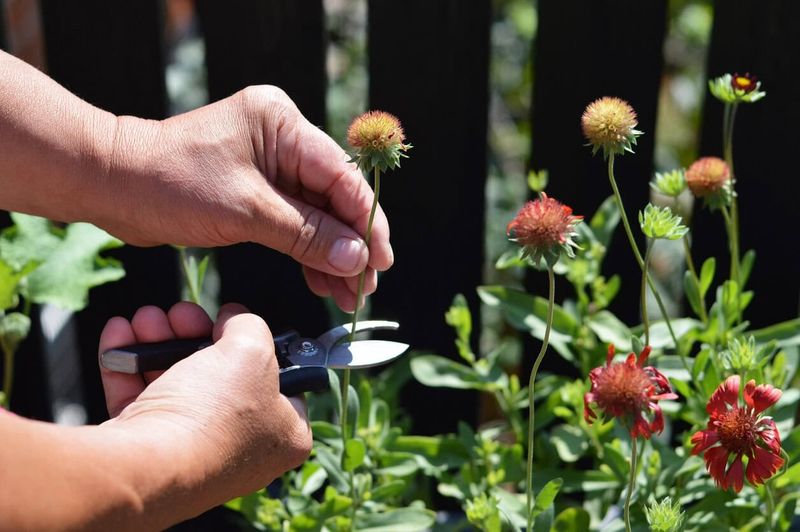
A spring cut sets up the plant, but it does not guarantee flowers every day until frost. Lantana still slows down in heat waves, dry spells, and when seed clusters form.
The good news is that a small summer habit can help keep color coming.
Clemson recommends light tip-shearing during summer for the best repeat bloom. LSU AgCenter likewise says frequent tip-pruning during bloom can induce repeat flowering.
Here is how it looks in practice. Every few weeks, snip just the top inch or two of stems, especially where flower heads have faded or berries are starting to form.
Use hand shears and work around the plant so the shape stays even.
Keep it light. Heavy cuts in the middle of the growing season remove the buds and flowers you are trying to keep, and the plant has to start over.
Think of tip-shearing as a haircut trim, not another renovation.
Combined, the spring cut and the summer trim can improve your odds of steady color. They cannot override a stretch of drought or a cool, shady spot, so keep expectations realistic.
Protect your skin while pruning
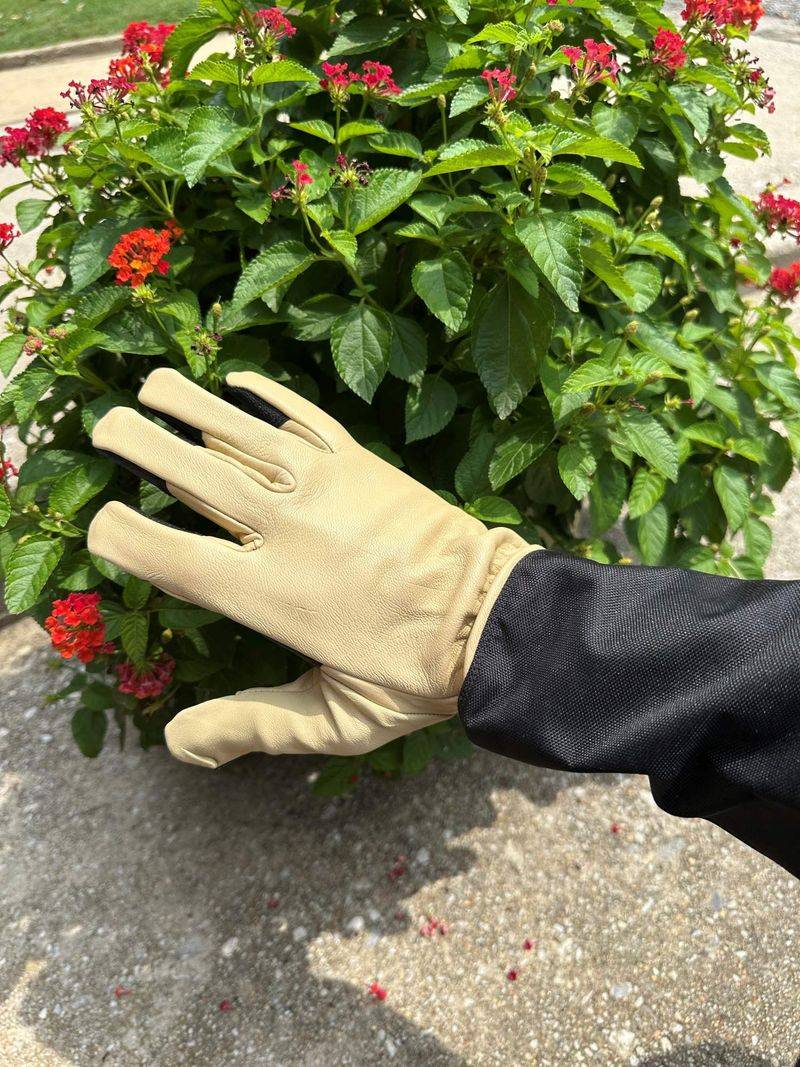
Before you start cutting, put on gloves and a long-sleeved shirt. N.C.
Cooperative Extension notes that lantana’s stiff stem hairs can irritate skin and recommends this kind of protection when cutting it back.
The same extension article says plant parts and sap are toxic to people, pets, and livestock. NC State’s plant profile mentions skin irritation from leaves and unripe berries.
The ASPCA lists Lantana camara as toxic to dogs, cats, and horses.
A simple habit covers most of this. Dress for the job, and keep pets and children away from the pile of clippings while you work.
If you have questions about a specific exposure, ask a doctor or veterinarian rather than relying on garden advice.
Start with the plant, not the calendar
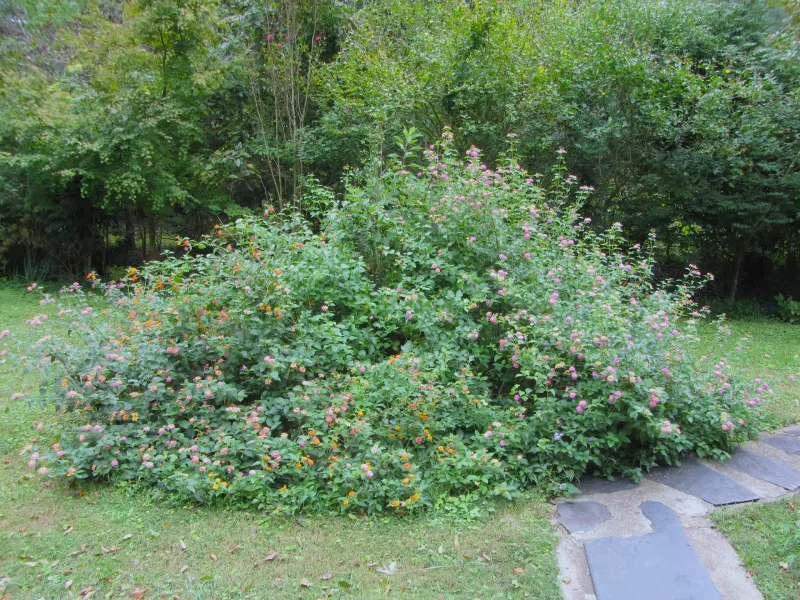
Begin by confirming that your lantana returns on its own, as NC State describes for coastal areas and certain hardy cultivars. Then make the spring cut when your local freeze risk has eased, using the NC State freeze table as a rough guide and aiming for Clemson’s 6 to 12 inches.
If repeat color matters, add light tip-shearing, which LSU AgCenter says can induce repeat flowering.
That routine can tame woody growth and encourage more flowers, but it cannot promise nonstop blooms. Your plant’s own winter record is a better guide than any date on the wall.