
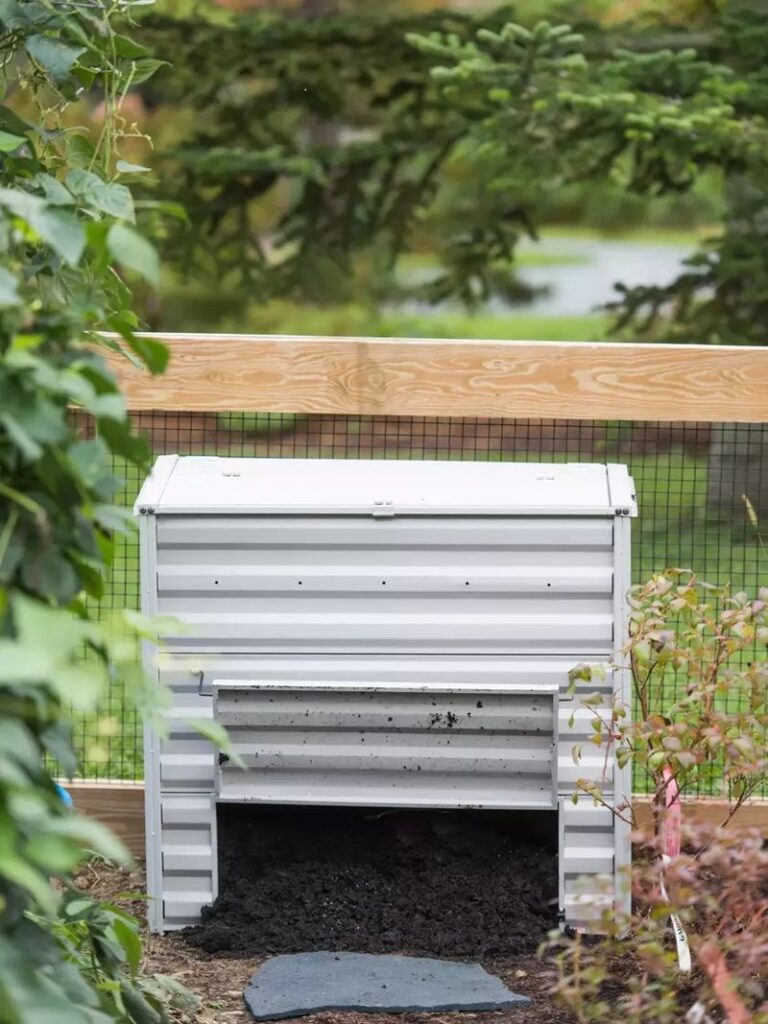
You step outside on a cold morning and find your compost bin tipped, with muddy paw prints nearby. A Virginia opossum was probably the night visitor, and the story that opossums gobble up ticks is easy to find online.
But a compost visit cannot tell you what the animal ate or whether it changed anything in your yard. Here is what the science says, and how to keep your food sources secure.
A compost visit shows that food is accessible, not that pests are under control
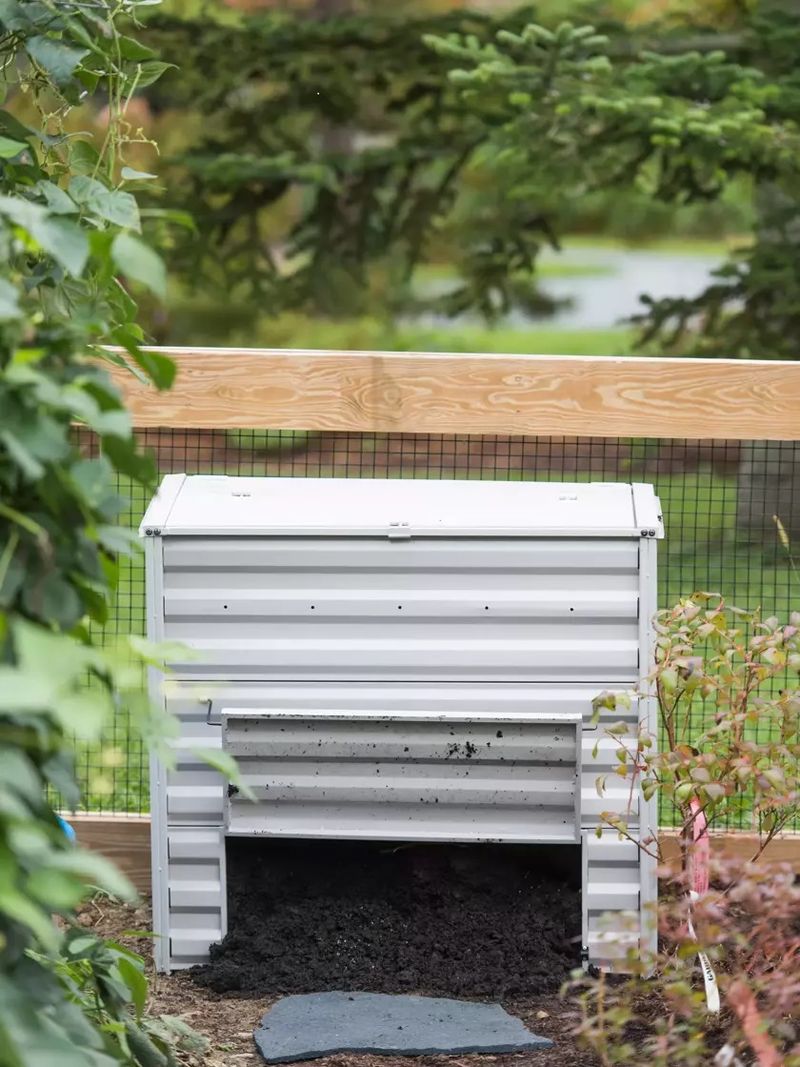
Paw prints around a compost pile tell you one thing clearly: somebody found food there. They do not tell you what the animal actually ate, how much, or whether your yard has fewer pests because of it.
An opossum can nibble scraps, lick up fruit, and wander off without touching a single insect.
Texas context helps here. Texas Parks and Wildlife describes the Virginia opossum as a nocturnal omnivore found across most of the state, apart from the arid Trans-Pecos and the Llano Estacado portions of the Panhandle.
It eats a varied mix of plant and animal foods, including fruit and insects. That variety is the point: a varied eater grabs whatever is easy and available.
So a winter visit is not a measurement of the animal’s diet. Nobody can read a season’s menu from one night at a bin.
It also cannot show a garden benefit, because there is no way to count what was or was not eaten.
What the visit does give you is a useful prompt. Take a walk around the yard and ask what a hungry night animal could reach.
Texas A&M AgriLife Extension notes that opossums can become a nuisance when they find pet food, fruit, pecans, birdseed, and garbage. Your compost may be just one item on that list, and checking the rest is the practical next step.
Treat the animal as ordinary wildlife passing through. It is not a guaranteed pest crew, and it is not a threat to panic over either.
The tick studies do not show backyard protection
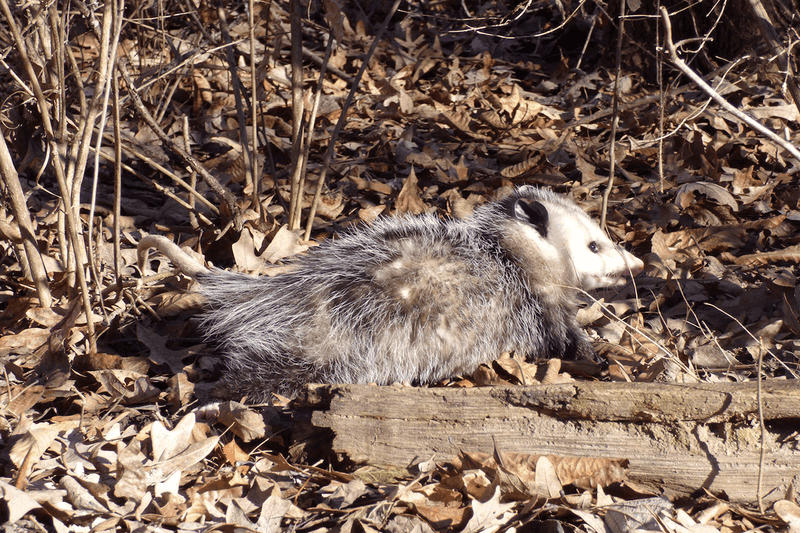
The popular claim that opossums wipe out thousands of ticks has a real origin, but it is a narrow one. In a 2009 study, researchers exposed captured opossums to blacklegged tick larvae.
Many larvae were missing afterward, so the team inferred they had been eaten during grooming. They then built a model of how that might play out in a New York tick and host community.
Notice what that work was not. Nobody watched opossums hunting ticks in a yard, and nobody counted fewer ticks around a house.
The famous big numbers came from stretching lab results and model assumptions, so they should not be treated as a backyard outcome.
A later study checked the idea against wild animals. Researchers examined stomach contents from 32 Virginia opossums in central Illinois and found no ticks or tick parts, as reported in a 2021 paper.
The authors concluded that ticks are not a preferred food.
That result has limits too. It does not prove an opossum never swallows a tick while grooming.
It also came from Illinois, not Texas.
Put the two together and neither one shows that a compost visitor lowers the ticks around a Central Texas home. Neither shows a lower risk of Lyme disease or any other tick-borne illness.
For tick worries, keep relying on the usual personal checks and yard habits rather than on a wild animal.
Opossums may eat garden foods, but they are not dependable pest control
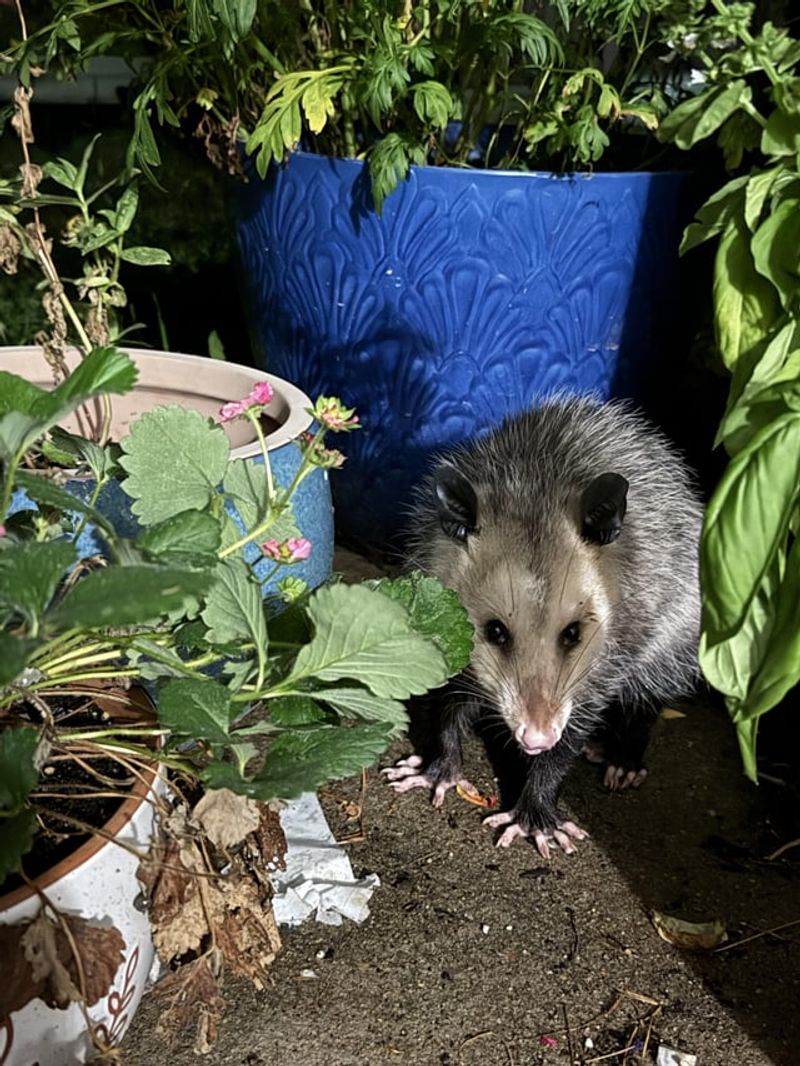
Opossums really do eat a lot of different things. A university natural-history summary at Animal Diversity Web pulls together stomach-content studies that found fruit, insects, and, in some places, gastropods like slugs and snails.
That makes fallen fruit, beetles, and snails possible foods. Possible is the key word.
Diet shifts with habitat, season, and what is lying around. An animal in a fruit-heavy neighborhood eats differently from one near a creek or a parking lot.
One opossum may ignore a patch of snails that another would find.
The slug evidence deserves a careful look. A Portland, Oregon thesis, Hopkins’s study of urban opossums, found slugs and snails among summer foods.
That is one season in one northwestern city. It says little about winter slug control in a Central Texas garden.
So what should a gardener expect? Maybe some fruit gets cleaned up, maybe a few insects disappear.
Do not count on it, and do not plan your pest management around it.
If slugs are chewing your lettuce or fruit is piling up under a tree, handle those jobs yourself. Pick up windfall fruit, clear hiding spots, and treat any wildlife help as a possible extra rather than a service.
Secure compost and trash to limit access to food
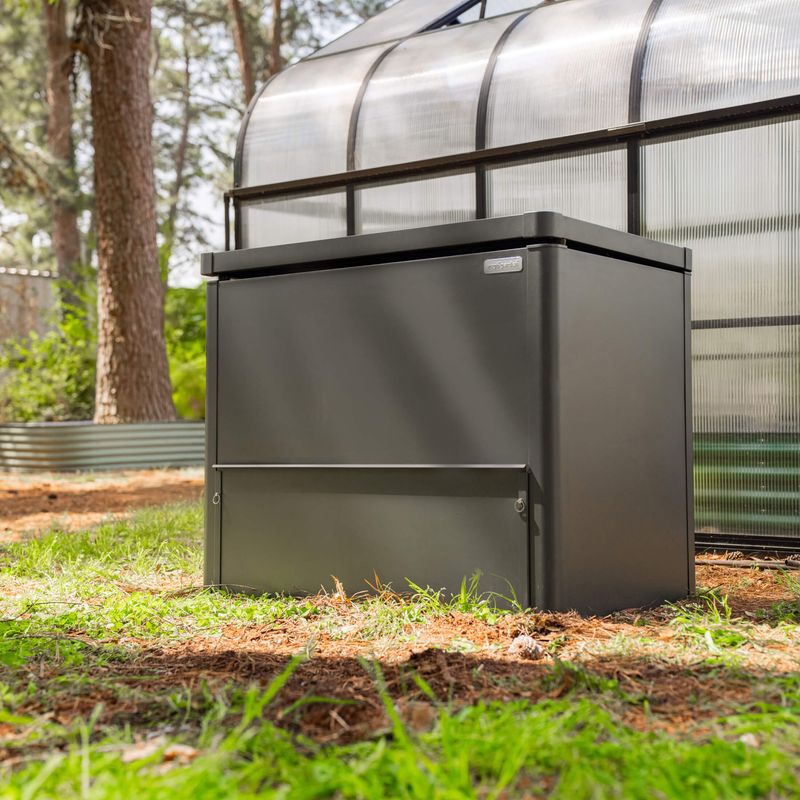
If a nightly raider bothers you, start with the bin itself. Texas A&M AgriLife Extension suggests using a securely lidded compost container and trash can to reduce conflicts.
The word that matters is securely: a lid that pops off with one shove does not count.
A few practical checks help. Make sure the lid sits flat and latches or clamps down.
Add a bungee cord or a weighted strap if wind or animals can lift it. Keep the bin on level ground so it does not tip.
Bury fresh kitchen scraps under a layer of browns, such as dry leaves, instead of leaving them on top. Rinse out the trash can if it smells of food.
Set cans out on pickup morning rather than the night before.
Be realistic about results. A tight lid limits access to food and cuts down on mess and run-ins, but compost still smells like food to wildlife.
Some animals may keep checking the area for a while, and that is normal.
Keep the goal simple: close off the meal, not invite a guest. Leaving the bin open so an opossum will drop by for pest control is not a plan the evidence backs.
Bring pet food inside and secure other tempting foods
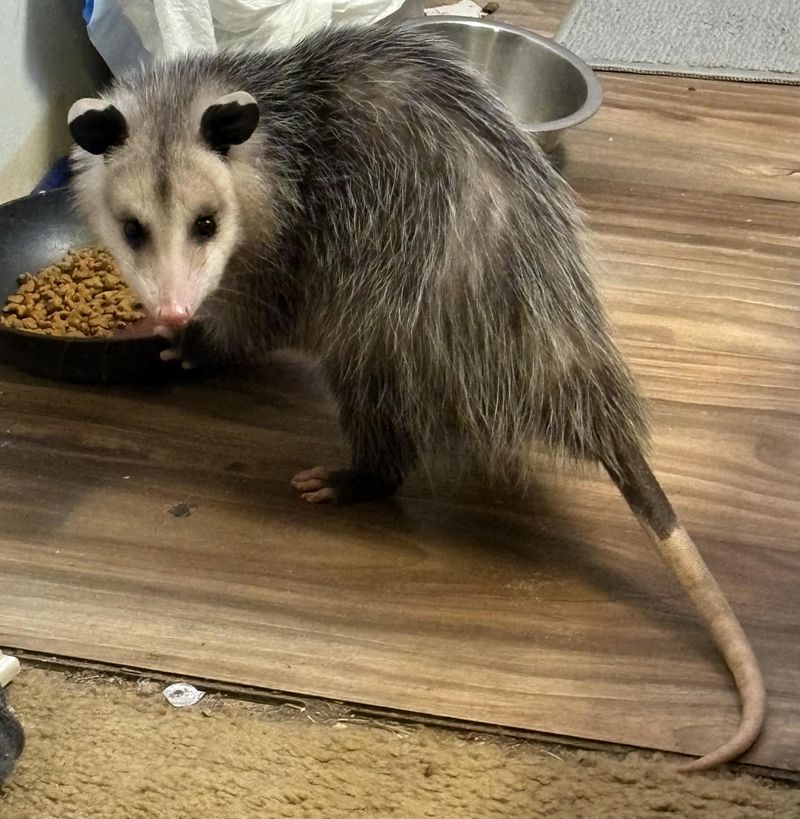
Opossums are not picky. AgriLife Extension lists pet food, fruit, pecans, birdseed, and garbage as common reasons they become a nuisance, and the City of Saginaw’s opossum guidance adds a simple habit: bring pet food indoors at night.
Since opossums are active after dark, that one change closes the easiest meal in many yards.
Walk the yard in the evening with that list in hand. A dog bowl on the porch, a tube of birdseed on the ground, and a bucket of pecans by the door all count as open invitations.
So does a pile of fruit under a tree.
Here are quick fixes:
Feed pets on a schedule and pick up the bowl when they finish. Store pet food and seed in lidded containers, indoors if possible.
Rake up fallen fruit and pecans regularly. Use a tray under feeders to catch spilled seed, and sweep it up before dark.
These steps are about reducing conflict, not about drawing an opossum in. Never leave food out to feed, bait, or lure one.
Fewer easy meals means fewer late-night visits, fewer spilled bins, and fewer awkward meetings between your pets and wildlife.
Let an opossum in a trash can leave without handling it
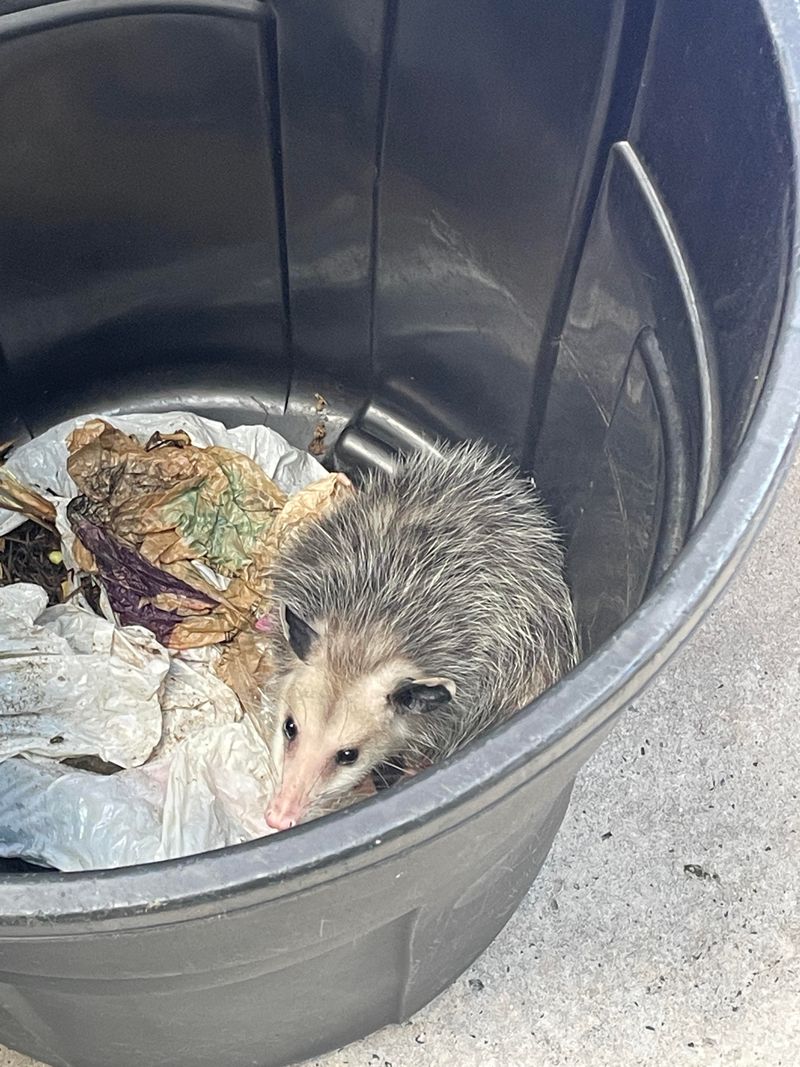
Sooner or later, someone lifts a lid and finds a pair of eyes looking back. Stay calm.
The Houston Humane Society advises tipping the can onto its side and letting the animal leave on its own.
Do it slowly, then step well back. Take pets and children indoors, keep the path to the yard clear, and give it time.
Many opossums wander off once they feel they can get out, often after dark and without any fuss.
Do not reach in, poke, or try to carry it away. The Texas Department of State Health Services advises people not to handle wildlife.
If a bite does happen, wash the wound and seek medical advice promptly.
Once the animal is gone, stand the can up and fasten the lid. Then check what drew it in, whether that was a scrap bag or a bit of pet food, and fix it.
An opossum in a bin is a short problem with a simple answer: give it a way out and a bit of space.