
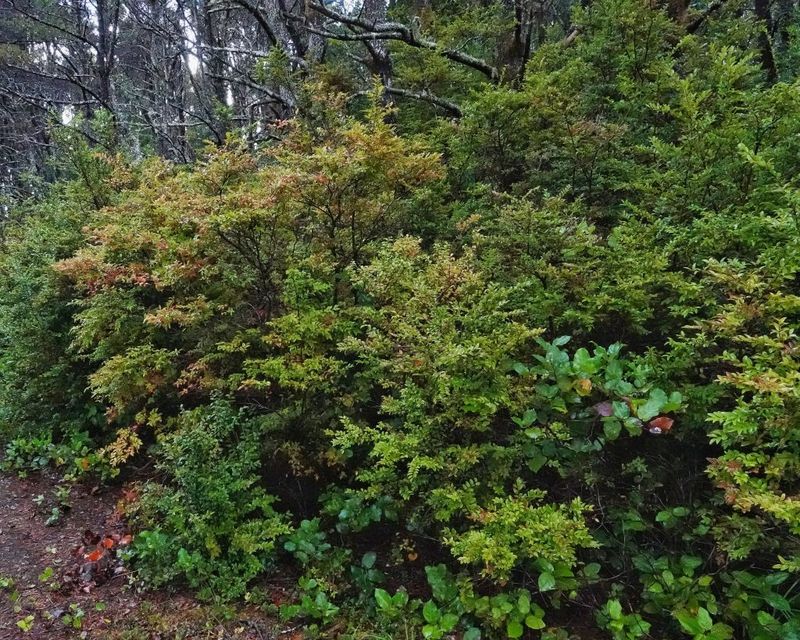
Some yard corners stay shady, a bit neglected, and never seem to earn their space. Evergreen huckleberry is a California native shrub that can turn the right corner into a source of summer and fall berries.
It does not suit every yard, because it needs the right climate and acidic soil. Here is how to check your site, plant at a good time, and decide whether golden currant might be the better pick.
A Shady Corner May Suit Evergreen Huckleberry
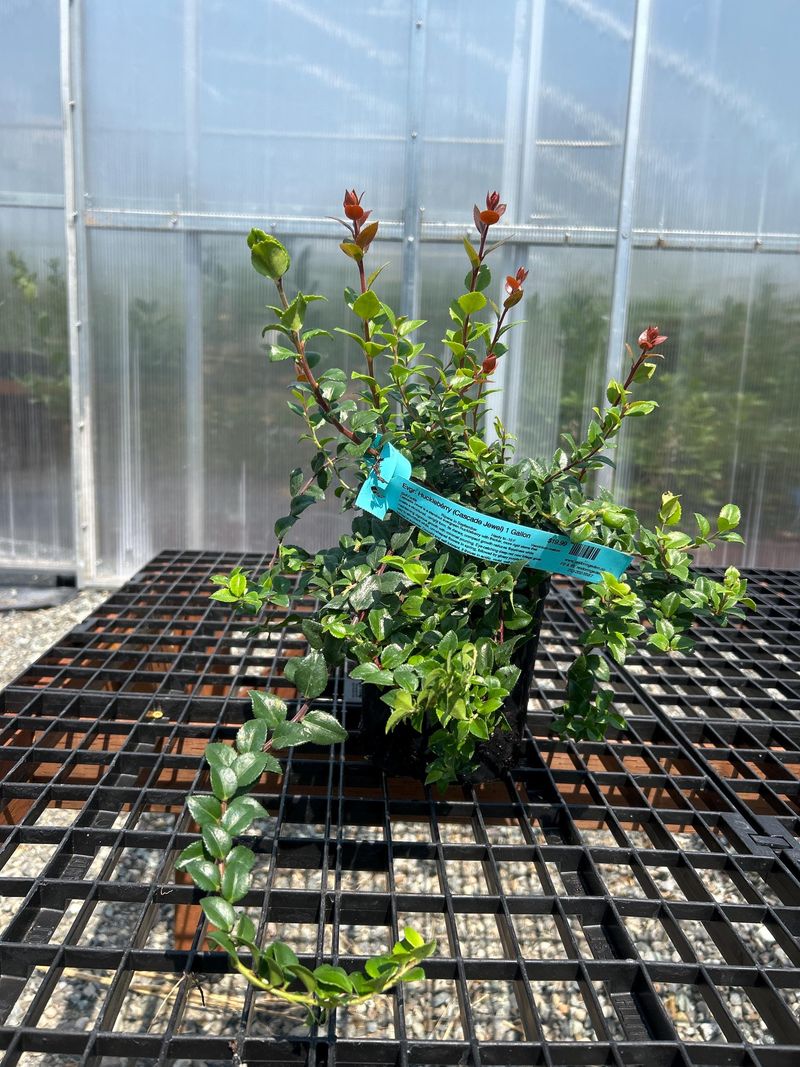
Picture a corner that gets dappled light, a little afternoon shade, and not much attention. Evergreen huckleberry (Vaccinium ovatum) is a California native that can make a spot like that more useful.
It grows in shade to partial sun, keeps its glossy leaves year-round, and produces berries that ripen roughly July through October, according to UC ANR.
UC ANR describes it as a low-maintenance shrub when it is grown in suitable conditions. That condition matters a lot.
Low maintenance does not mean no care, and it does not mean the plant will do well in any soil or any region.
The shrub is especially associated with northern coastal and forest-edge settings, as noted in a UC ANR Coastal Gardener article. That article focuses on gardens in Humboldt and Del Norte counties, where cool, damp conditions are common.
So think of huckleberry as a good candidate rather than a sure thing. If your partly shaded corner has the right climate and soil, it may turn an empty patch into a shrub that adds greenery and fruit.
The next section covers how to check whether your yard is a match before you buy a plant.
Check Your Climate and Soil Before You Plant
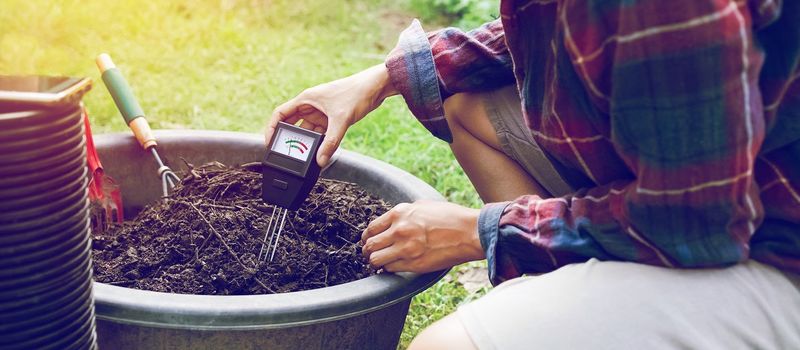
Shade tolerance is only half the story. Evergreen huckleberry also thrives in acidic soil, and UC ANR cites a pH range of 4.3 to 5.2 in its huckleberry guidance.
Many ordinary yard soils in California are closer to neutral or alkaline, so a simple pH test kit is a smart first purchase.
Climate matters too. California native does not mean suited to every part of California.
UC Master Gardeners advise matching plants to local climate, soil, sun, and water conditions. Huckleberry is especially linked to northern coastal and forest-edge settings, as described in the Coastal Gardener article.
A quick checklist can help. Test the soil pH, note how many hours of sun the corner gets, and ask a local nursery or your county Master Gardeners whether huckleberry grows well nearby.
If you live in a hot inland valley with alkaline soil, this shrub may be a poor match, and that is useful to learn before you spend money.
If your property is in a fire-prone area, follow local defensible-space rules when choosing where to plant. No shrub should be treated as fireproof, so check the CAL FIRE defensible space guidance for spacing and maintenance near structures.
Plant as the Rains Begin
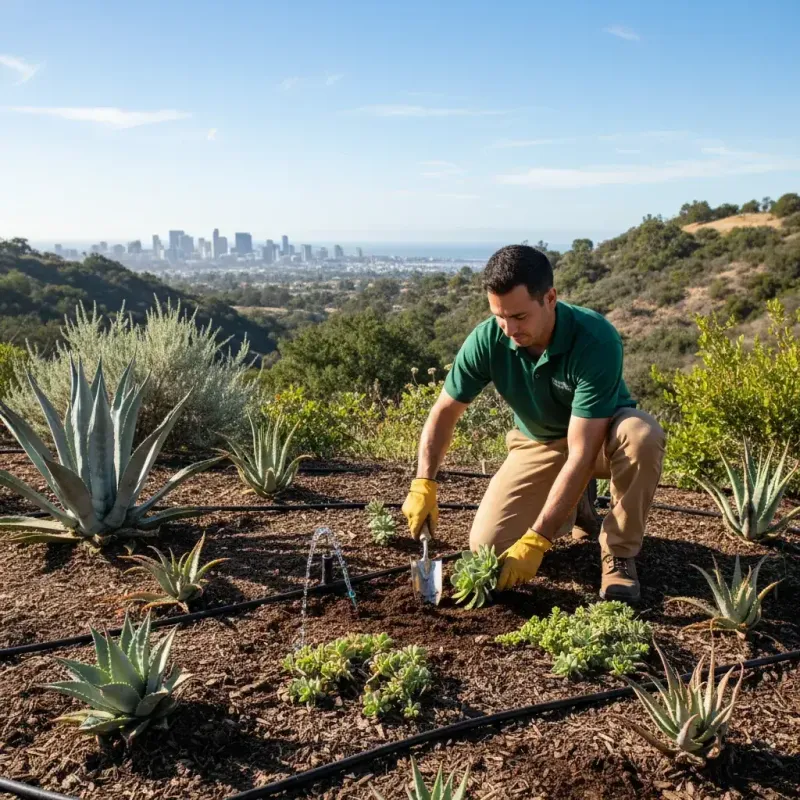
Timing can work in your favor here. For California natives, fall planting as the rains begin is generally preferred, according to UC ANR.
Winter or early spring can also work if you miss that window. None of these dates guarantees the shrub will establish, but they give roots a cooler, wetter start.
Start by digging a hole as deep as the root ball and wider than it. Set the plant so the crown, where the stems meet the roots, sits at or just above the soil surface.
Then water thoroughly after planting to settle the soil around the roots.
Next comes mulch. The San Luis Obispo County Master Gardeners recommend mulching while keeping it away from the crown.
A ring of mulch helps hold moisture, and a gap around the stems helps avoid trouble from constant dampness.
This is general native-plant guidance, not a promise that rain will do the work alone. Keep a hand on the soil in the weeks after planting, and plan to water if the rains stall.
Rain Helps, but New Shrubs Still Need Attention
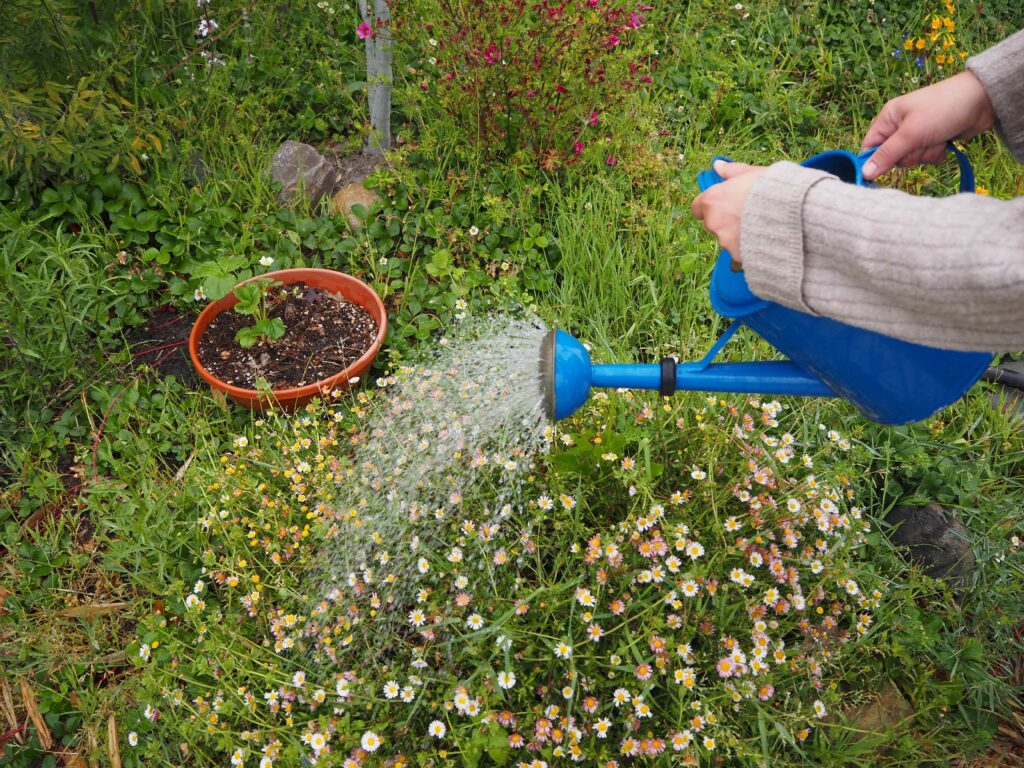
A wet winter can lull gardeners into thinking the job is done. Yet native plants commonly need supplemental irrigation during their first one to two years, as UC ANR explains.
Watering should be adjusted to rainfall and soil moisture.
In practice, that means checking the soil instead of following a calendar. Push a finger a couple of inches down near the root zone.
If it feels dry, water slowly and deeply. If it feels damp, wait.
Dry spells in winter and early spring can happen in California, and a dry year may leave a new shrub short on water even in its rainy-season planting window. Summer is the other stretch to watch closely, since a young plant has a small root system.
Your local conditions will decide how much help it needs, and a huckleberry in a cool coastal spot may need less than one farther inland.
The payoff for this early attention is a plant that can settle in and, in a suitable site, ask for less later. Think of the first couple of years as an investment.
After that, you may find the shrub needs less frequent care, though it is wise to keep watching it during hot or dry stretches.
Expect Berries From Summer Into Fall
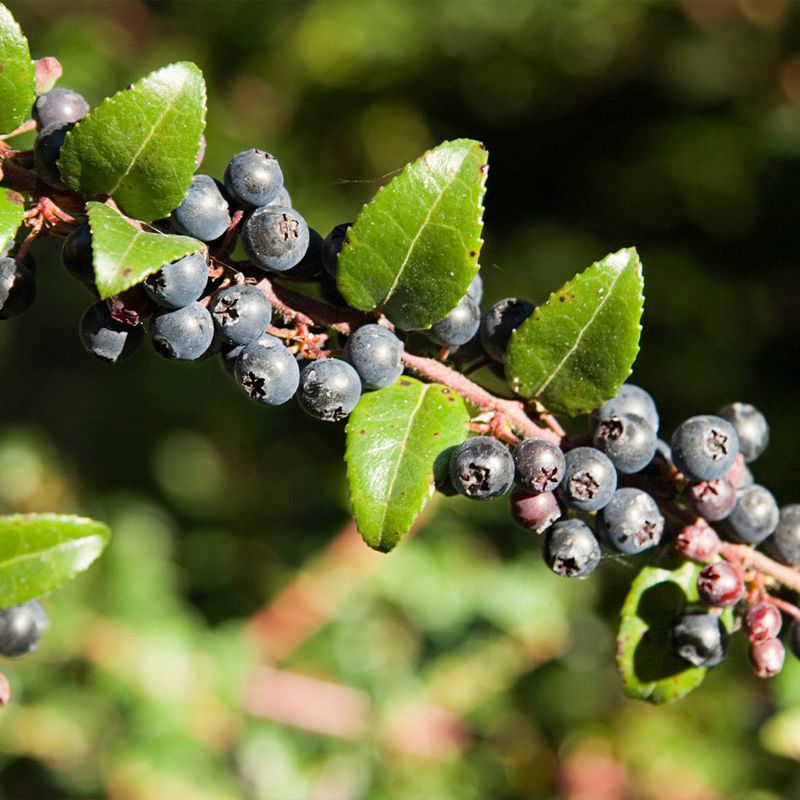
Berry season stretches longer than many fruit crops. Evergreen huckleberry fruit ripens roughly July through October, as noted by UC ANR.
That spread means you may pick a handful at a time rather than one big harvest.
Birds like the berries too. If you want to harvest fruit for yourself, you may need to protect the shrub with lightweight netting as the berries darken.
Many gardeners are happy to share, and a bush that feeds wildlife is a nice bonus.
Do not count on a particular yield. A young shrub, a shady spot, and a dry year can all affect how much fruit you see.
Treat the berries as a pleasant reward for a well-matched site rather than a guaranteed crop.
One safety note matters whenever berries are involved. Eat berries only when you are certain of the identification, and never sample unidentified plants from a yard or from the wild.
Poison Control warns that fall berries can look edible when they are not. This article cannot identify berries growing in your yard, so ask a local expert if you are unsure.
Golden Currant Fits a Different Site
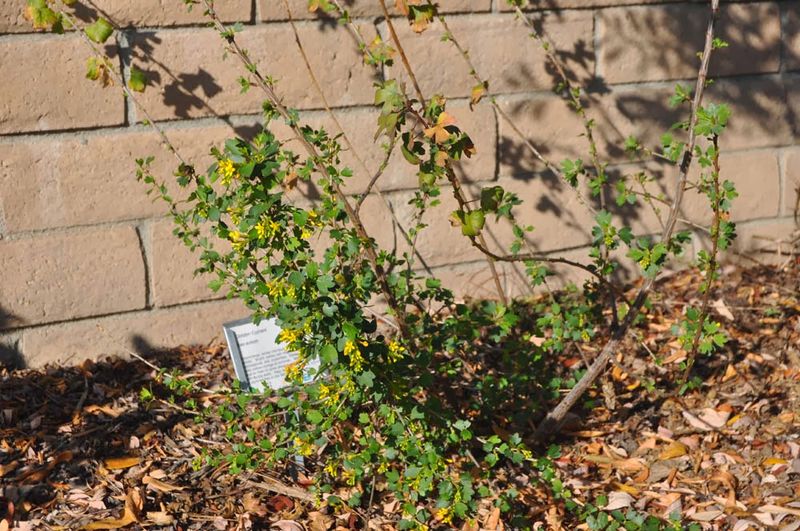
Not every corner is shady and acidic, and that is where golden currant (Ribes aureum) comes in. It is a separate native, not a swap for huckleberry.
The California Native Plant Society describes a spring crop of sweet orange-to-purple currants.
Its light and water needs differ. A UC Master Gardener source says golden currant grows best in full sun for flowering, and Sonoma County guidance notes that occasional summer watering can help, particularly in full sun.
So a bright, open spot may suit it better than a dim corner.
If you shop for Ribes plants, learn the difference between relatives. Currants have smooth stems, while gooseberries have prickly stems, which matters if you plan to plant near paths or play areas.
One more check applies to Ribes in general. They can host white pine blister rust, which is relevant where five-needle white pines are nearby, according to UC IPM.
That does not mean every planting will cause disease, but it is worth asking about if pines grow close to your yard.
Match the Shrub to the Corner
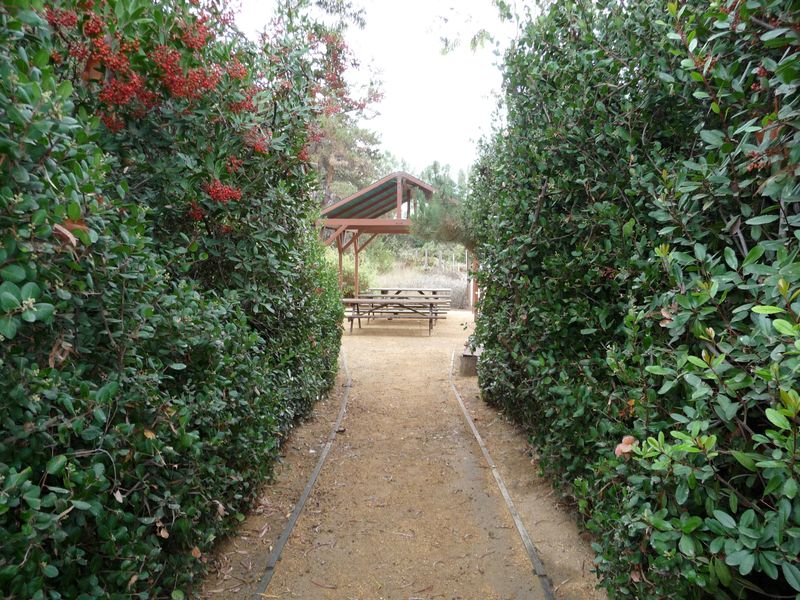
Start with the corner itself. If it is partly shaded and your climate and acidic soil fit, evergreen huckleberry is worth a try, with attention to moisture while it settles in, as UC ANR advises.
If the spot is sunnier, golden currant may be the better fit, and occasional summer water can help.
A plant that matches its site is half the work already done.