
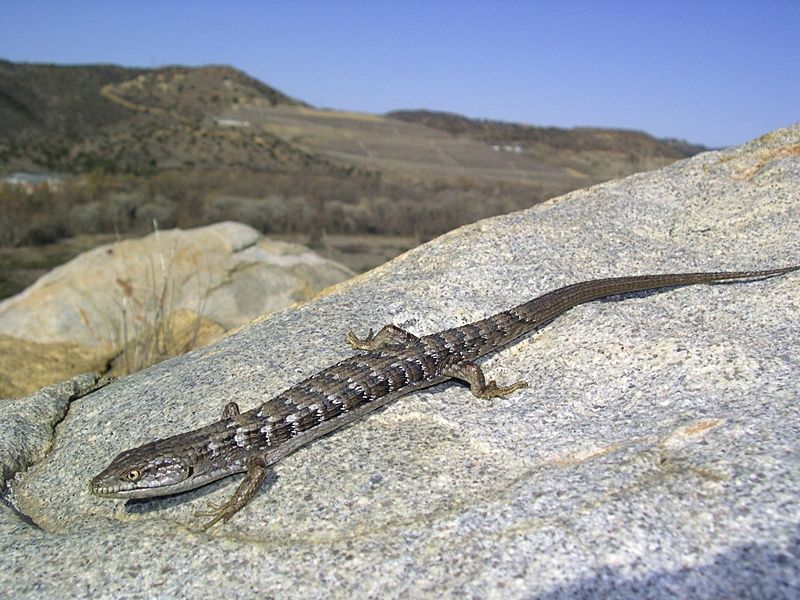
Lift an old garden board and you might see a long, snake-like animal with tiny legs dart away. In much of California, that startled visitor may be a southern alligator lizard.
Many gardeners wonder if it helps with snails and slugs, or if it should go. Here is what we know, what we do not, and how to protect your seedlings either way.
The snake-like visitor may be a southern alligator lizard
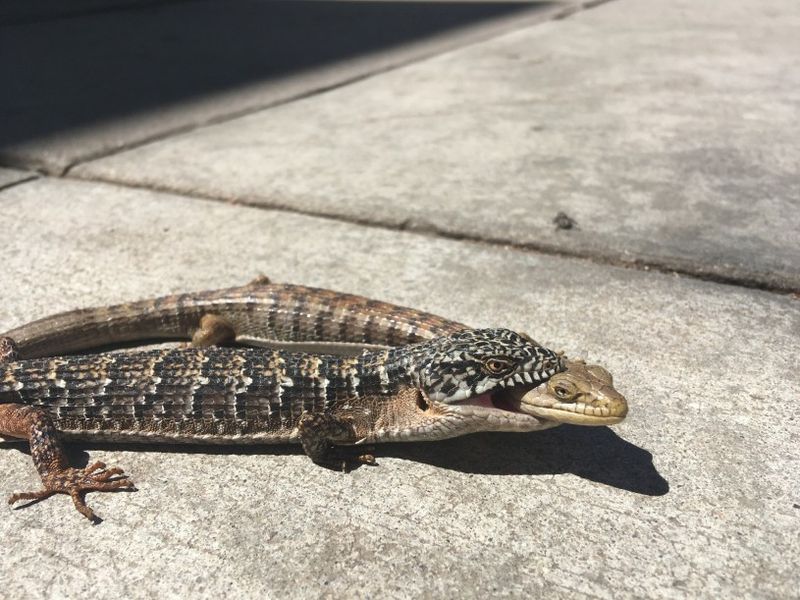
Few garden surprises beat lifting a board and spotting a long, scaly body slipping away. Southern alligator lizards have slender, elongated bodies, short legs, and a tail that can be longer than the body, so at a glance they can look like a small snake.
That shape is why many homeowners jump first and ask questions later.
The animal is not a threat to people or plants, though. The California Department of Fish and Wildlife life-history account describes the species as widespread in suitable habitats, while also noting places where it is absent or uncommon.
So a lizard under your board is plausible, but it is not a given for every California yard.
Identification matters before you decide anything. Other lizards live in California gardens too, and a quick look at the legs, the body shape, and the keeled, armor-like scales can help.
If you are unsure, a photo taken from a respectful distance is enough to compare with a field guide or a park service page such as the National Park Service profile.
Once you know what you are looking at, the real question becomes practical: should it stay, and does it do anything for your seedlings? The next sections take that apart one piece at a time.
Slugs and snails can be prey, but they are not the whole menu
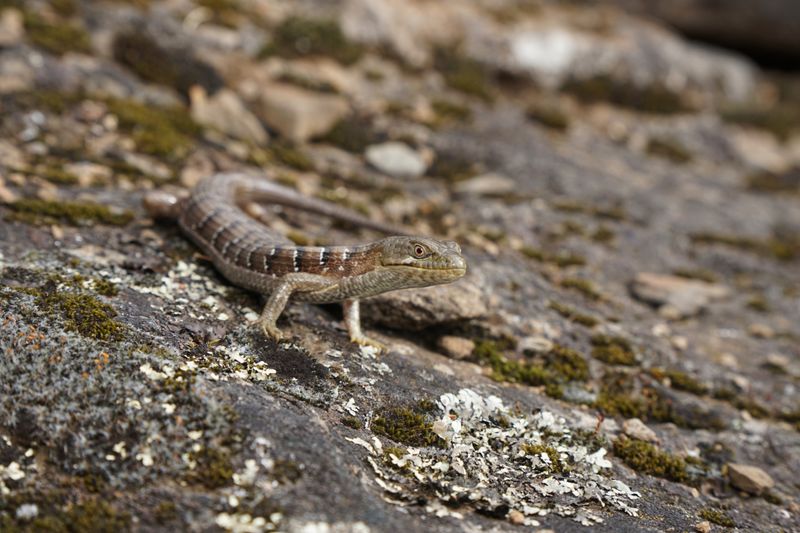
Yes, southern alligator lizards can eat slugs and snails. The National Park Service lists snails among their prey, and the Natural History Museum of Los Angeles County says they eat slugs.
That part of the title holds up.
The rest of the menu is much bigger, though. California Fish and Wildlife emphasizes insects and other arthropods such as spiders, beetles, and similar small animals.
Mollusks are on the list, but nothing here shows they are the main course.
There is a big gap between a lizard being able to eat a slug and a lizard protecting your lettuce starts. No source reviewed measures how many mollusks one lizard eats in a garden, or whether seedling damage drops because of it.
A lizard might snack on a snail one evening and ignore the rest.
Think of it like a backyard bird that sometimes eats caterpillars. It is nice to have around, and it may eat a few pests, but you would not skip scouting your plants because of it.
Treat any pest help from a lizard as a possible bonus, never as a plan.
One garden board can shelter both lizards and mollusks
A flat board makes a cozy hideout, and lizards are not the only animals that think so. California Fish and Wildlife lists surface objects such as rocks, logs, vegetation, and human debris as cover, and the National Park Service notes that alligator lizards may shelter under debris.
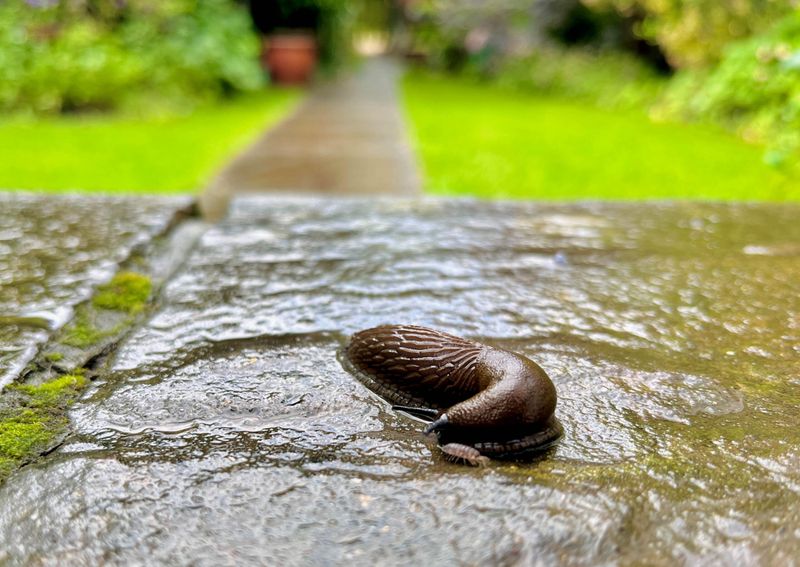
Slugs and snails like the same kind of spot. UF/IFAS describes them hiding in cool, damp, sheltered places during the day and coming out to feed later.
The underside of a board is a classic example.
So finding a lizard under a board tells you the board offers shelter. It does not tell you the lizard is patrolling your seedlings or thinning out the pests.
You could easily have a lizard on one end and a cluster of slugs on the other.
That is why a quick inspection beats an assumption. Lift the board gently, look at what else is living there, and then check your plants for actual damage.
What you find will guide your next move far better than the lizard’s presence will.
Cold winter weather limits the lizard’s pest-control promise
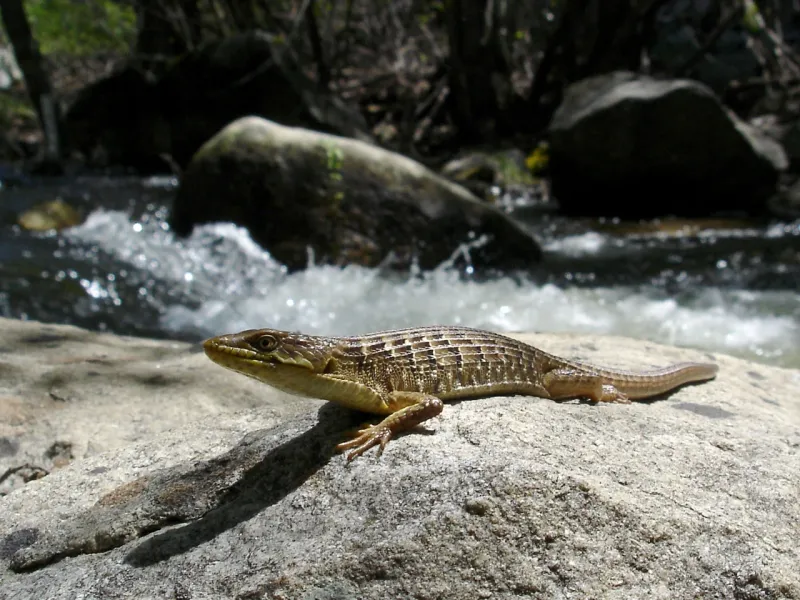
The title leans on winter, and winter is where the idea gets shaky. The National Park Service says alligator lizards use underground dens during cold winter months, and NatureServe describes them as inactive during the coldest weather.
Lizards are cold-blooded, so they rely on outside warmth to move and hunt. On a chilly, wet night, a lizard may be tucked away and not feeding at all.
A mild, sunny spell is a different story, and activity can change from place to place and week to week.
None of the sources reviewed show reliable winter slug control in California gardens. That matters because cool-season seedlings are often most vulnerable when lizards are least likely to be out.
The practical takeaway is simple. Do not count on a lizard to guard winter plantings, and do not assume it is active just because you saw it once on a warm afternoon.
Keep your own eyes on the bed instead.
Check for mollusk damage before treating the bed
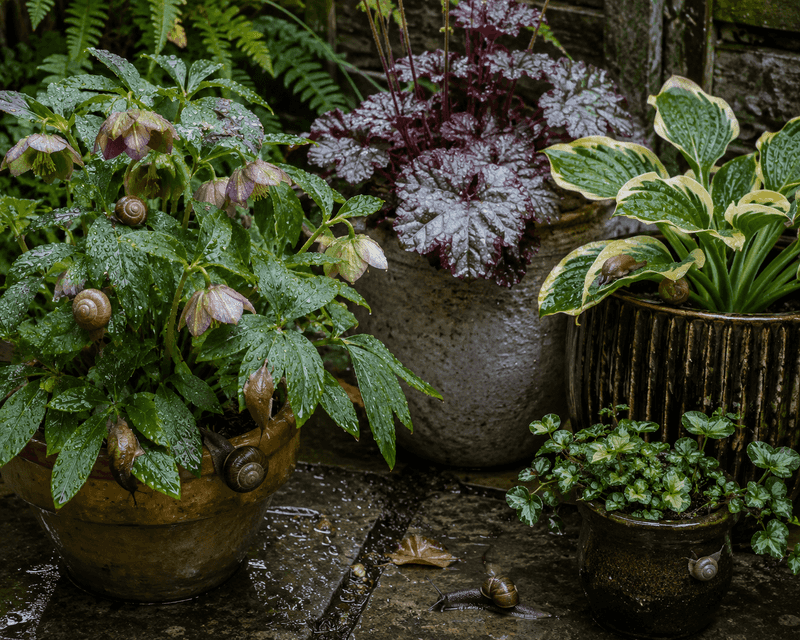
Chewed seedlings are not always slug work. Before you treat anything, look closely at the damage.
UF/IFAS points to irregular holes in leaves and shiny slime trails as signs that slugs or snails have been feeding.
Go out at dusk or after watering with a flashlight, since mollusks often feed at night. Then check the sheltered spots nearby: under pots, in mulch, within leaf litter, and beneath boards.
Finding the animals close to the damaged plants strengthens the case.
Also remember that not every snail is a plant eater. Some feed on decaying material, and some prey on other mollusks, so a snail on the soil is not proof of a pest.
UF/IFAS advises identifying the animal before controlling it, because some snails are beneficial.
Other culprits can cause similar ragged damage, including caterpillars, earwigs, and beetles. If you see holes but no slime trails and no mollusks, hold off on slug controls and look for another cause.
A little detective work saves time and avoids treating the wrong problem.
Reduce slug pressure without relying on the lizard
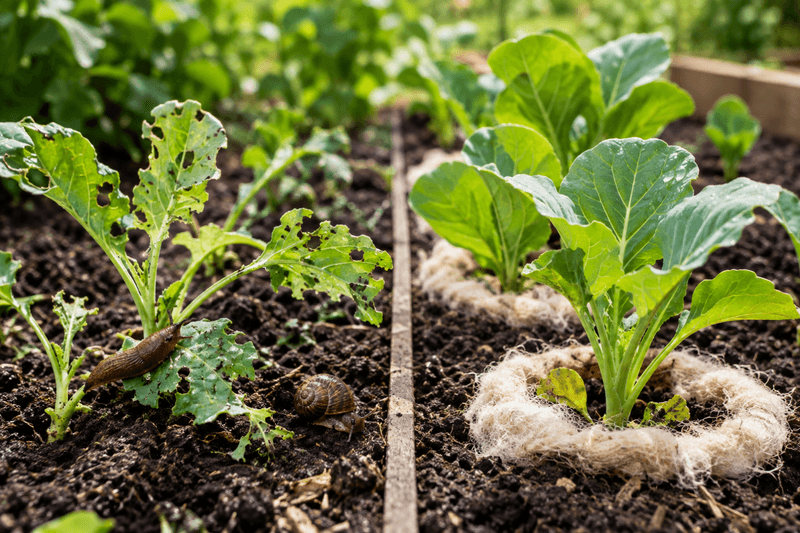
Once you have confirmed that slugs or snails are eating your seedlings, go after the problem directly. UF/IFAS suggests scouting, reducing excess moisture and hiding places at plant bases, and removing mollusks by hand.
None of these is a guaranteed fix, but they address the pests themselves.
Start with scouting. Check the bed at dusk a few times a week and note where the animals gather.
That tells you where to focus.
Next, look at moisture and cover. Pull thick mulch or leaf litter back from the stems of young plants, and water in a way that lets the soil surface dry between irrigations.
This also suits California’s water-wise approach, since less wasted water means fewer damp hiding spots.
Then remove what you find. Hand-picking in the evening or early morning works well in a small bed, and you can drop them into a bucket of soapy water.
Repeat for several days, since new ones may arrive.
Aim these steps at your plants and the pests’ habitat, not at the lizard’s shelter. You can tidy the seedling bed and still leave a board or rock pile in a quiet corner away from your crops.
Judge success by whether new damage stops appearing.
Leave the lizard undisturbed when you can
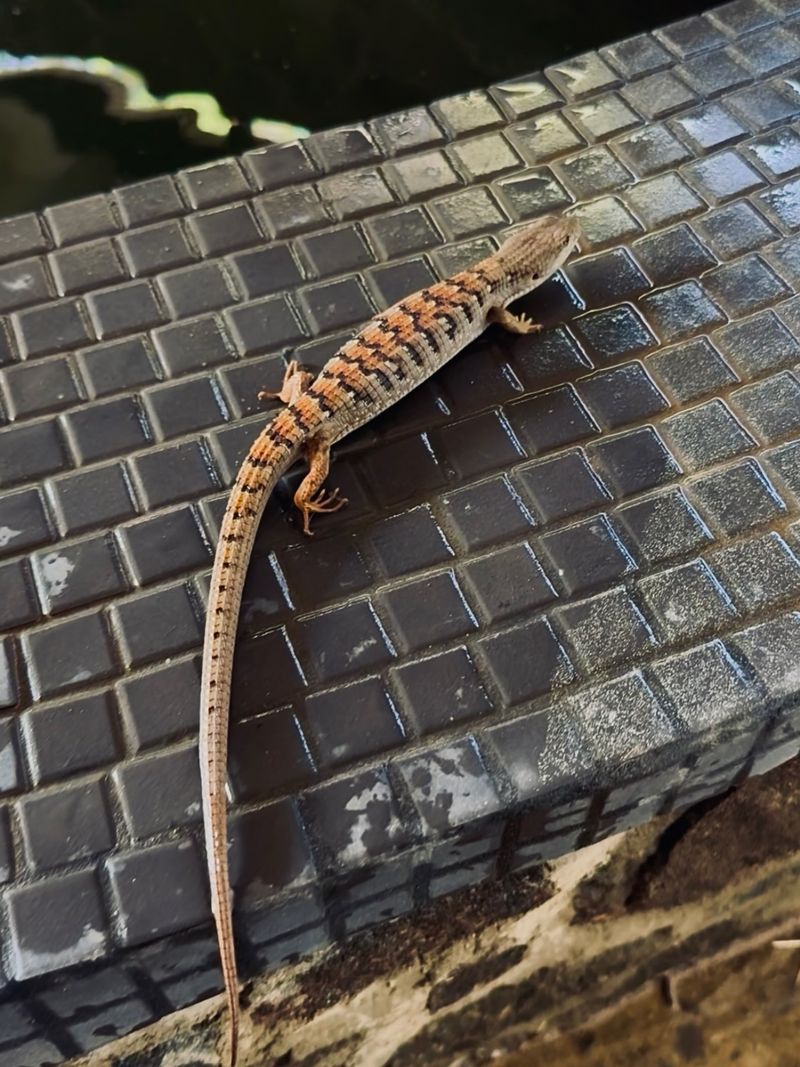
If a lizard is simply sheltering under a board and causing no trouble, leaving it alone is a reasonable wildlife-friendly choice. Treat it as that and nothing more, not as a pest-control plan.
Your seedlings still need their own protection.
Skip the urge to grab it. UC IPM warns that lizards may bite, and the California State Parks natural-history guide notes that a large alligator lizard can break the skin when captured.
There is a legal side too. Taking and possessing lizards is regulated in California, as described in the Fish and Wildlife life-history account context of the species, so check current rules before collecting or moving one.
If you believe relocation is truly necessary, start with those rules or local wildlife authorities.
Meanwhile, keep managing any confirmed mollusk damage on its own track. A quiet lizard under a board and a well-scouted seedling bed can share the same yard.