
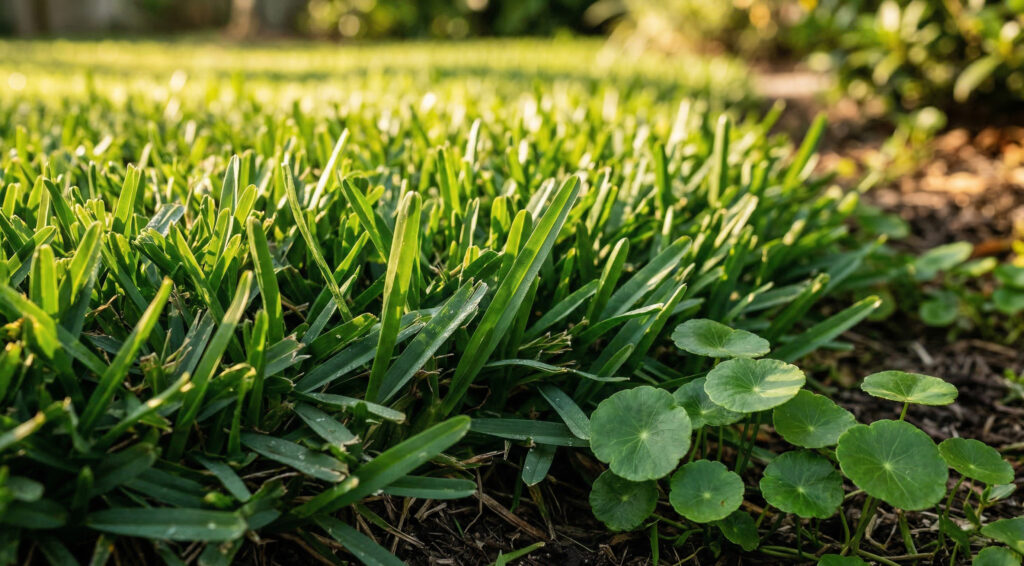
A gopher tortoise crossing your lawn may be shopping for dinner among the weeds. Florida native plants can provide natural forage while adding flowers, ground cover, and wildlife value to your yard.
But near the burrow should never mean right beside its entrance: keep digging, equipment, and landscape work at least 25 feet away, and ask the Florida Fish and Wildlife Conservation Commission for guidance before working closer. These seven plants belong in suitable parts of the surrounding yard, where tortoises can browse without anyone disturbing their protected homes.
1. Gopher Apple
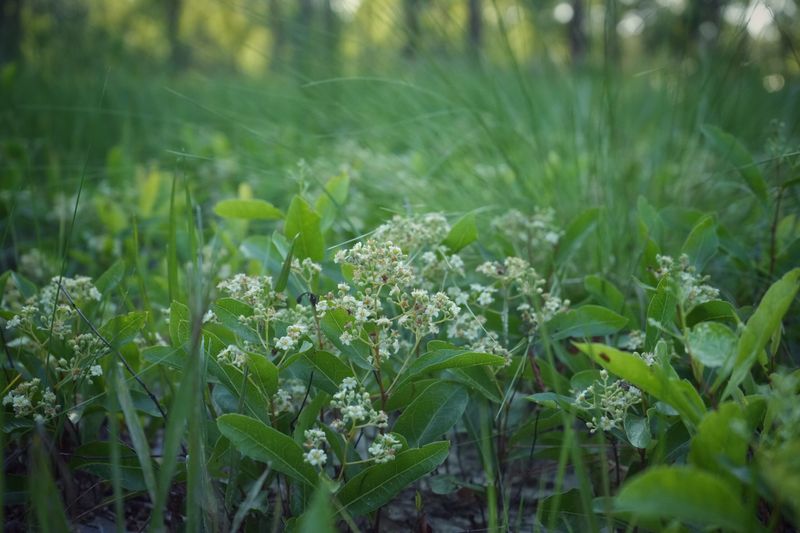
A plant named for gophers earns its place here honestly. Gopher apple, also sold under its older name Licania michauxii, produces fleshy fruit that gopher tortoises eat when they find it.
Its special role is seasonal fruit, rather than the steady leafy grazing offered by several other plants on this list. The low, woody growth also gives a sandy yard a tidy patch of evergreen cover without creating a tall screen.
Choose full sun and sharply drained soil, especially in an upland yard that stays dry after rain. Skip low spots that collect roof runoff, and avoid trying to improve the planting hole with rich compost.
Buy nursery-grown plants instead of digging colonies from the wild. Give new plants water during establishment, then reduce irrigation as their roots develop.
Expect patience to matter more than fertilizer: this native can take time to fill in. Place it where its spreading underground stems have room, well outside the protected burrow area, and leave fallen fruit for wildlife rather than gathering it into a feeding pile.
2. Sunshine Mimosa
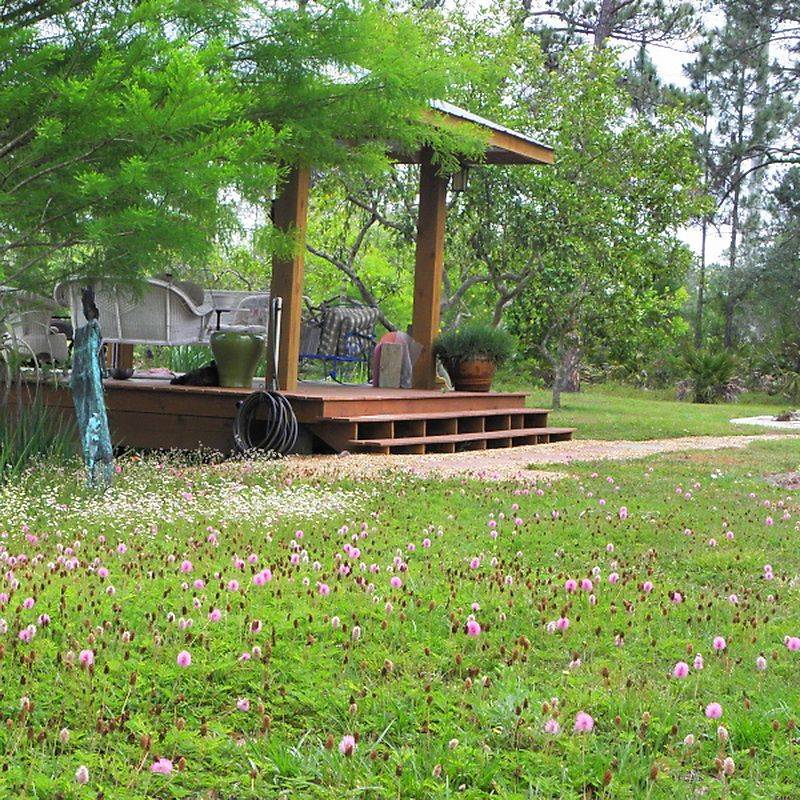
Pink powder-puff flowers make a patch of sunshine mimosa look more like a garden than a grazing area. Beneath those blooms, its low-growing leaves provide forage within easy reach of a passing tortoise.
Mimosa strigillosa is a Florida native that spreads along the ground and can soften an open lawn edge. Its main advantage is combining a walkable, lawnlike appearance with flowers that attract pollinators.
Give it sun for the best flowering and enough space to wander. It tolerates a range of soils, including many sandy yards, but young plugs need regular attention to watering until established.
Plant a small group in an existing open area rather than clearing ground around an occupied burrow. Pull competing weeds by hand while the plants fill in, and keep lawn herbicides away from the patch.
Occasional mowing can help manage its height, but first check carefully for tortoises and other wildlife. A short, mixed planting is more useful than a heavily fertilized carpet, and it leaves your yard looking intentional without demanding a perfect lawn.
3. Spanish Needles
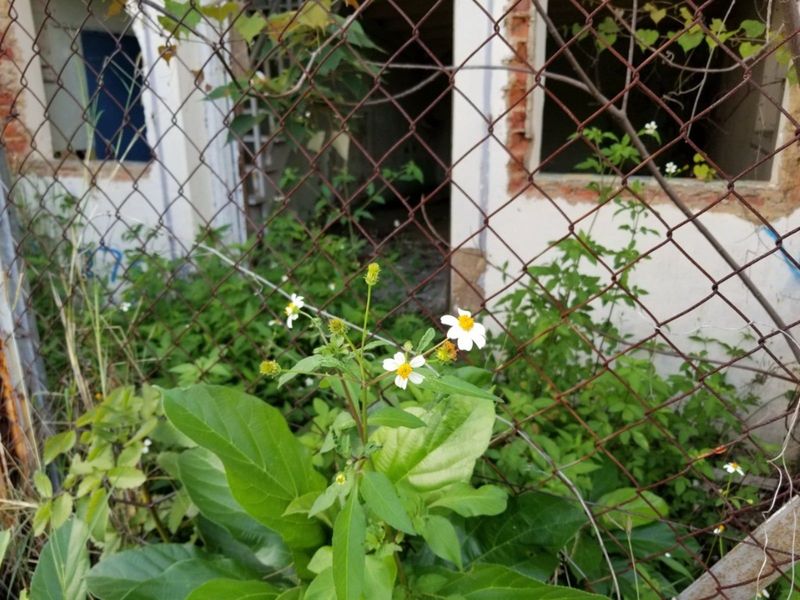
Before pulling every white-flowered weed, take a closer look. Spanish needles, Bidens alba, is a native wildflower whose foliage and flowers are eaten by gopher tortoises, while its blooms support many visiting insects.
The catch is right in the name: mature seeds cling to socks, fur, and gardening gloves. That makes this a better choice for a loose wildlife corner than a narrow path beside the front door.
Leave a few correctly identified plants in a sunny spot outside the burrow protection area. They often establish readily in disturbed ground, so there is little reason to enrich the soil or feed them heavily.
For a neater appearance, trim selected stems before their seed heads mature. Allow some flowering and seed production elsewhere if you want the patch to renew itself, while removing seedlings that appear in unwanted places.
Its distinct advantage is speed: Spanish needles can supply flowers and soft growth while slower native plantings settle in. Keep the patch pesticide-free, and let visiting tortoises choose what to eat instead of cutting stems to hand-feed them.
4. Dollarweed
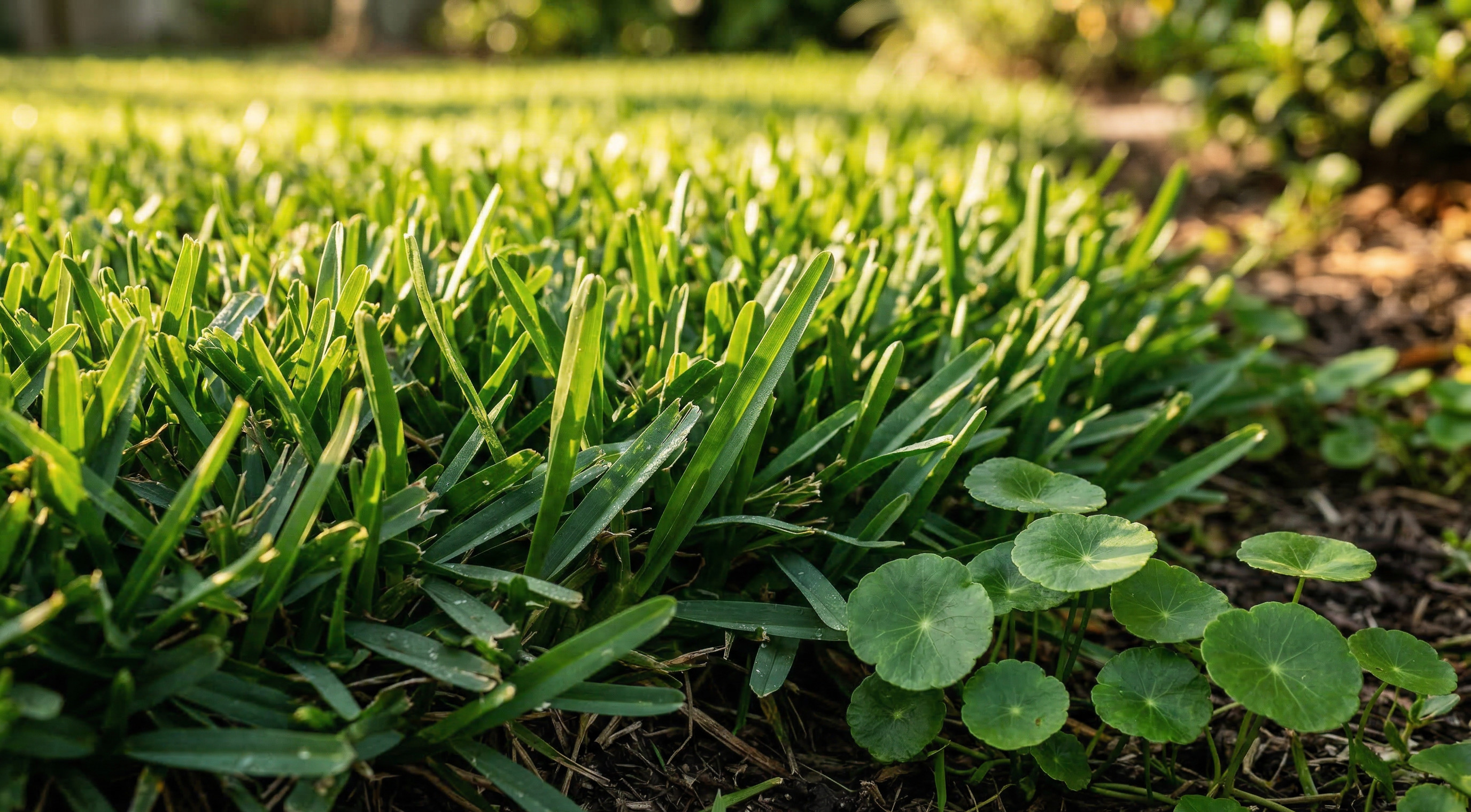
A damp corner that frustrates lawn grass may already be growing useful tortoise food. Native dollarweed, Hydrocotyle umbellata, has round leaves on upright stalks and spreads into low patches where moisture is available.
Gopher tortoises browse dollarweed, making it worth tolerating in suitable parts of a wildlife-friendly yard. Its contribution is different from the dry-site plants here: it fits naturally moist ground rather than hot, thirsty sand.
Do not increase irrigation near a burrow just to grow it. Burrows need protection from altered drainage, and a dry upland site is not the place to create a wet planting bed.
Instead, keep an existing patch in a separate lawn margin or another naturally damp area away from the burrow. Confirm the identification before deciding that any round-leaved lawn plant is the right species.
Dollarweed can spread farther than a homeowner wants, so choose its location with that habit in mind. Hand removal along bed edges can limit unwanted growth without spraying forage, and accepting a modest patch can eliminate an unnecessary battle with the lawn.
5. Prickly Pear
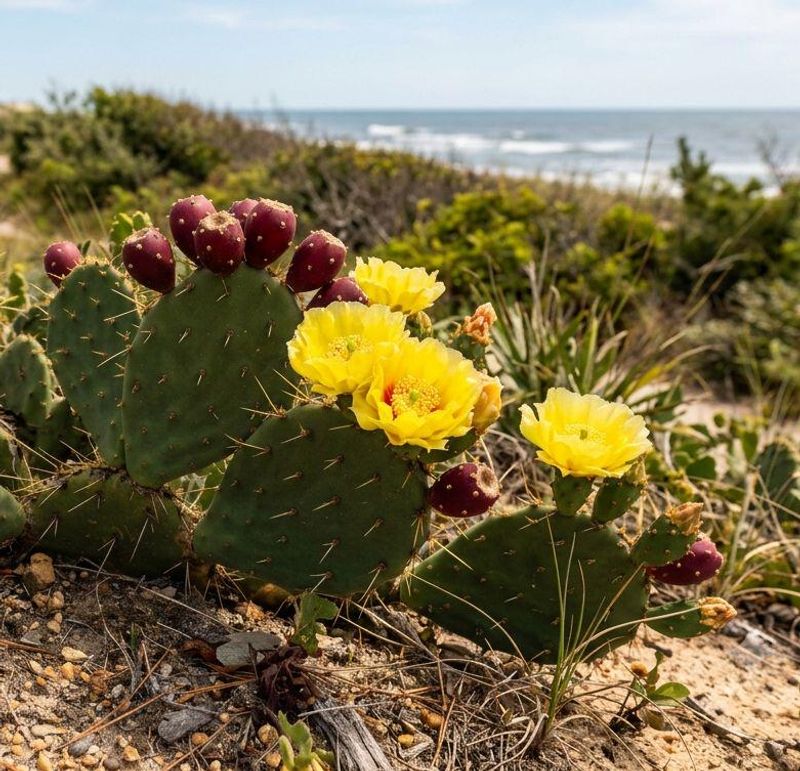
Spines do not keep every tortoise away from a meal. Gopher tortoises eat native prickly pear, including its fruit and fleshy pads, making this cactus a useful addition to the driest part of a suitable yard.
Look for a nursery-grown prickly pear native to your part of Florida. Plants sold under Opuntia humifusa may belong to a closely related group of species, so a knowledgeable native nursery can help you choose a locally appropriate plant.
Excellent drainage matters more than rich soil. Pick a sunny sandy site away from irrigation spray, and avoid low ground where water sits after summer storms.
Keep cactus clear of sidewalks, children’s play spaces, pet routes, and places where you kneel to weed. Even small pads can carry tiny, irritating bristles called glochids, so handle nursery plants with suitable tools and protection.
Unlike a leafy ground cover, prickly pear adds a bold shape and a seasonal fruit crop. Let tortoises browse naturally; there is no need to remove spines, slice pads, or place food at a burrow entrance.
6. Tall Elephant’s Foot
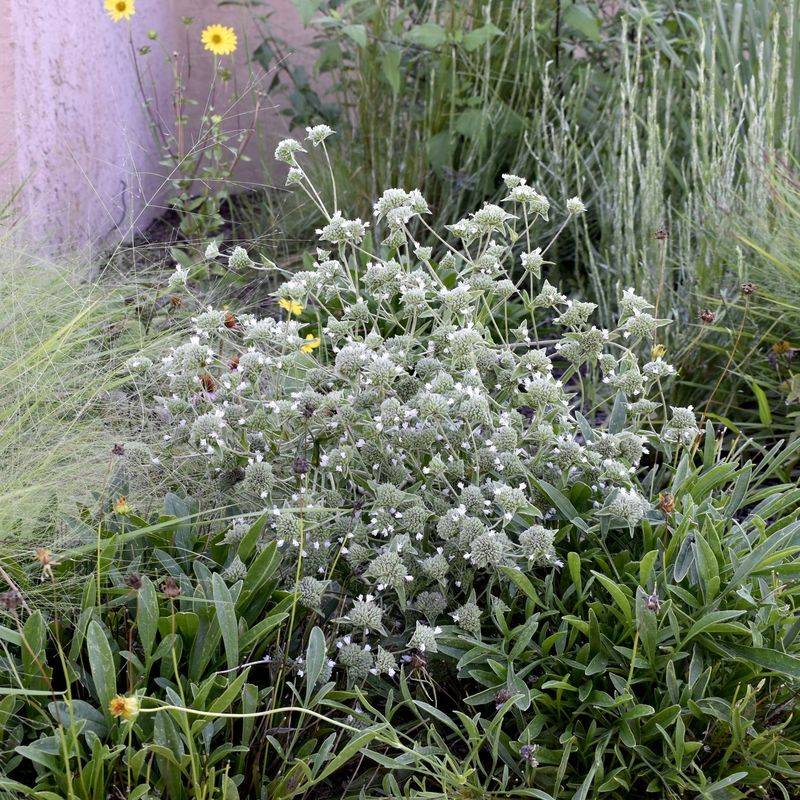
Not every useful food plant needs a showy blanket of blooms. Tall elephant’s foot, Elephantopus elatus, offers broad basal leaves close to the ground, where a grazing gopher tortoise can reach them.
The name describes the large, rough-looking leaves better than the airy flower stalks. Small lavender flower clusters rise above the foliage, adding a light touch to a naturalistic planting without hiding the open ground below.
Use this Florida native in a sandy, well-drained site with sun or light shade. It can fit the brighter edge of a pine planting, giving you an option where a full-sun ground cover might struggle.
Ask a native nursery specifically for Elephantopus elatus, since several plants share similar common names. Leave enough room for the basal leaf rosette and the taller flowering stems rather than crowding it against a walkway.
Once established, avoid smothering those low leaves with deep mulch. Its value is the combination of accessible foliage and upright flowers, especially in a yard where you want a relaxed woodland edge instead of another strip of mowed turf.
7. Purple Lovegrass
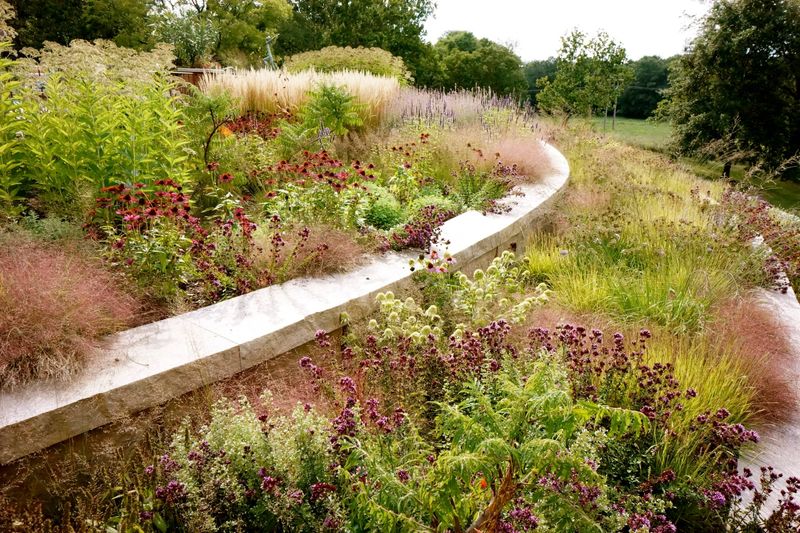
By late summer, a haze of purple seed heads can turn an ordinary sandy border into a feature. Purple lovegrass, Eragrostis spectabilis, brings that soft color while contributing grass foliage to a tortoise-friendly planting.
Grasses are a major part of a gopher tortoise’s natural diet, though individual plants and stages of growth are not equally appealing. Treat purple lovegrass as one part of a varied forage area, not a guaranteed favorite or a complete food supply.
Plant it in full sun and well-drained soil, leaving open spaces between clumps. Those gaps keep the planting easy to move through and allow low-growing native flowers to share the bed.
Water during establishment, then adjust to rainfall and the condition of the plants. Heavy feeding and frequent lawn-style irrigation are unnecessary in a suitable site and can work against a simple, low-input garden.
Leave the seed heads standing while they remain attractive, then tidy old growth after checking for wildlife. Combined with broadleaf forage elsewhere in the yard, this native adds seasonal color without requiring you to dig, mulch, or mow around a protected burrow.