
Nandina looks tidy with its red berries, but those berries contain compounds that can poison cedar waxwings and other birds that eat too many at once. It also spreads into Texas woods and creeks, crowding out the plants our wildlife depend on.
The good news is that Texas has its own berry-loaded shrubs that handle our heat, our soils, and our water limits. Swap in a few of these natives and your yard can become a winter buffet for mockingbirds, robins, and bluebirds.
1. American Beautyberry
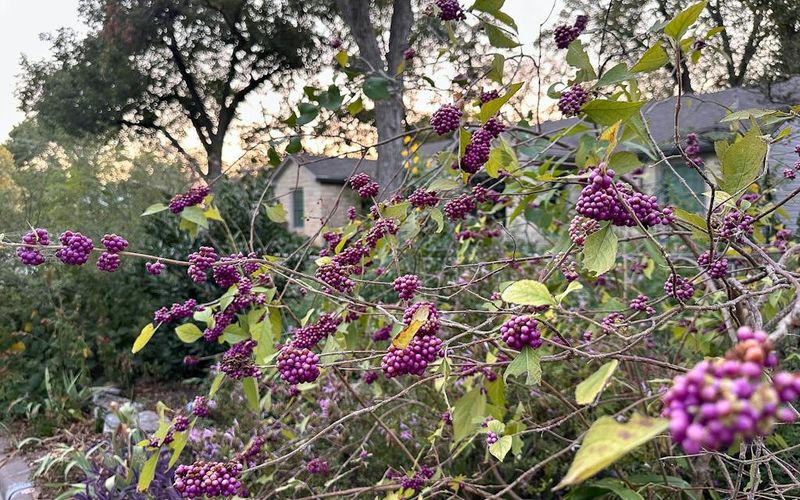
Nothing else in a Texas yard glows quite like a beautyberry loaded with violet fruit in October. The berries wrap around the stems in tight clusters, almost like someone threaded beads onto every branch.
Neighbors will ask about it.
Birds love it too. Mockingbirds, brown thrashers, and robins pick the shrub clean through fall and early winter, and that is the whole point.
Where nandina berries can harm birds, beautyberry offers a safe, steady food source.
Plant it in part shade under oaks or along a fence on the east side of the house. It grows 4 to 6 feet tall and handles most Texas soils, from East Texas sand to Central Texas clay.
Cut it back hard in late winter if it gets leggy, and it will bounce back with fresh growth and plenty of berries.
2. Yaupon Holly
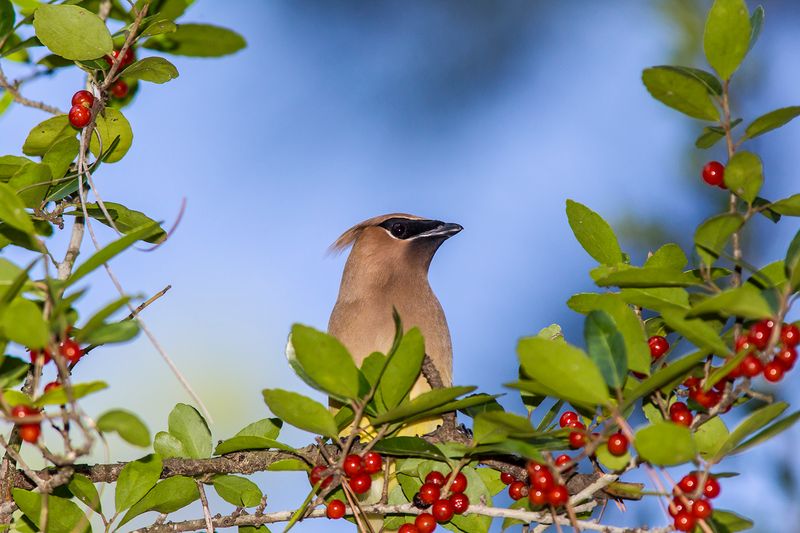
Here is the closest thing to a direct nandina swap you will find. Yaupon holly is evergreen, takes shearing well, and carries red berries all winter long.
It looks polished by the front door but stays wild enough for wildlife.
A quick tip before you shop: only female plants make berries. Ask the nursery for a female variety, and look for dwarf types if you want a low hedge under windows.
Yaupon shrugs off drought once established and handles alkaline soil, heavy clay, and even coastal salt spray. Cedar waxwings, bluebirds, and hermit thrushes feed on the berries in late winter, when other food runs low.
Fun fact: yaupon is the only native North American plant with caffeine in its leaves, and people have brewed it as tea for centuries.
3. Possumhaw Holly
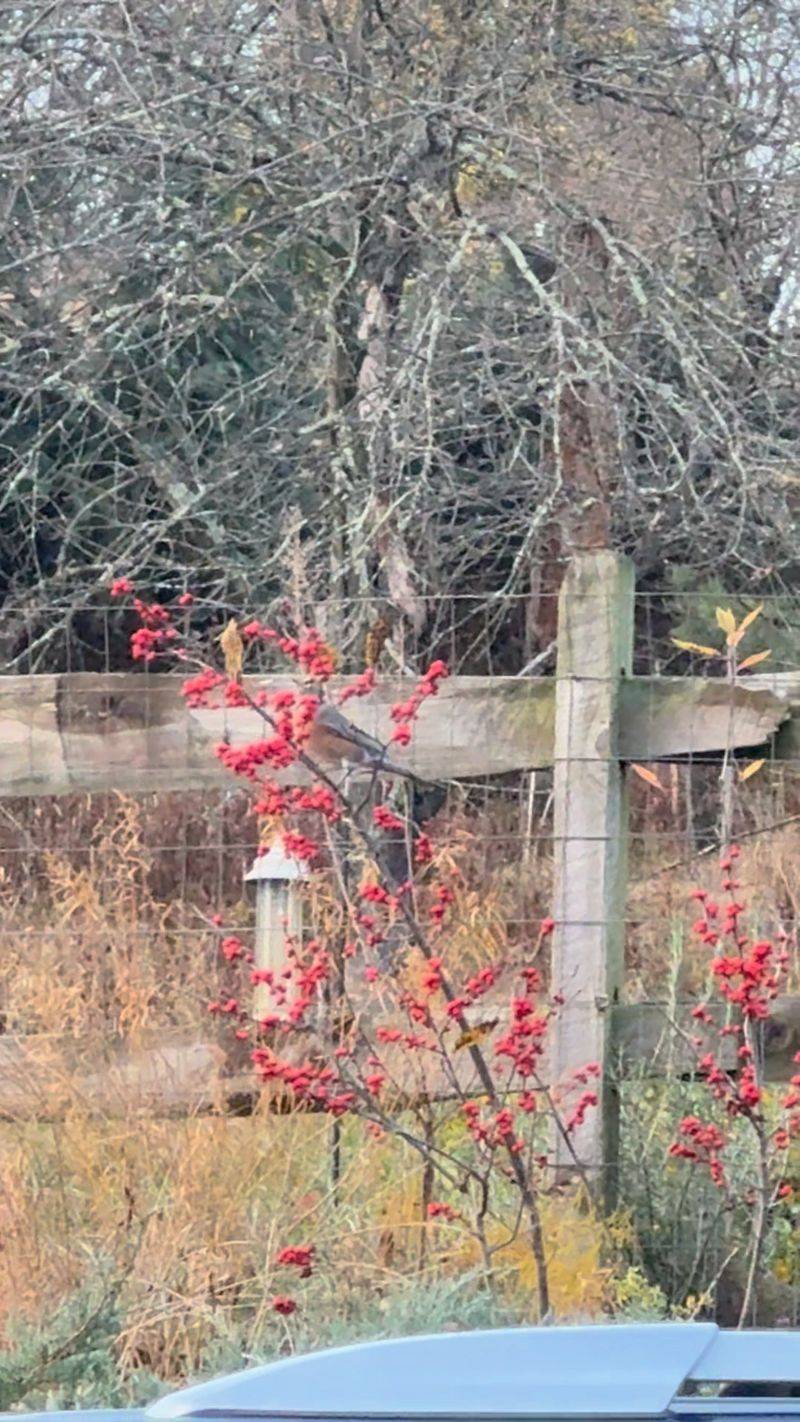
Picture a gray January morning. The trees are bare, the grass is brown, and then you spot a shrub dripping with scarlet berries on naked branches.
That is possumhaw, and it might be the best winter show in Texas.
Unlike yaupon, possumhaw drops its leaves in fall, which leaves the fruit fully on display. Bluebirds, robins, and mockingbirds visit through the cold months.
It grows 10 to 15 feet and works well as a small tree in a corner bed or near a patio. Like other hollies, you need a female plant for berries.
It tolerates wet spots and clay, which makes it handy in low areas where other shrubs sulk.
4. Agarita
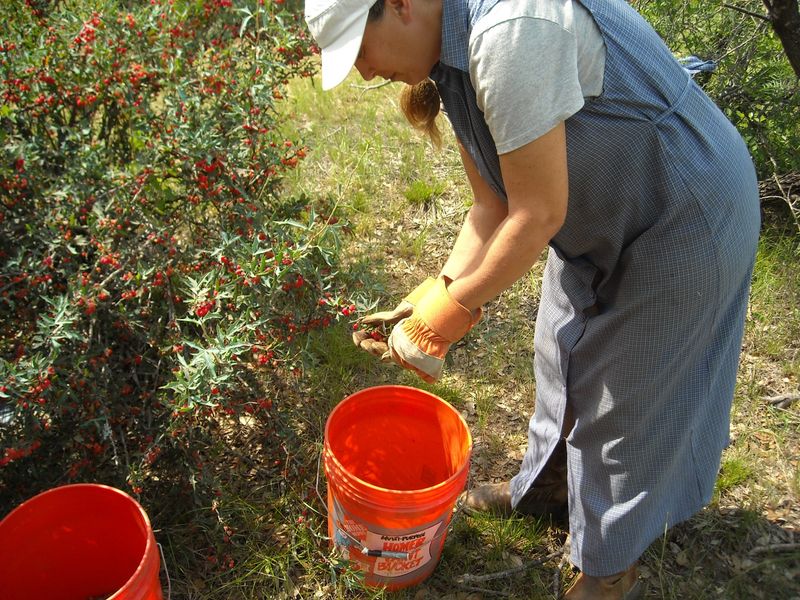
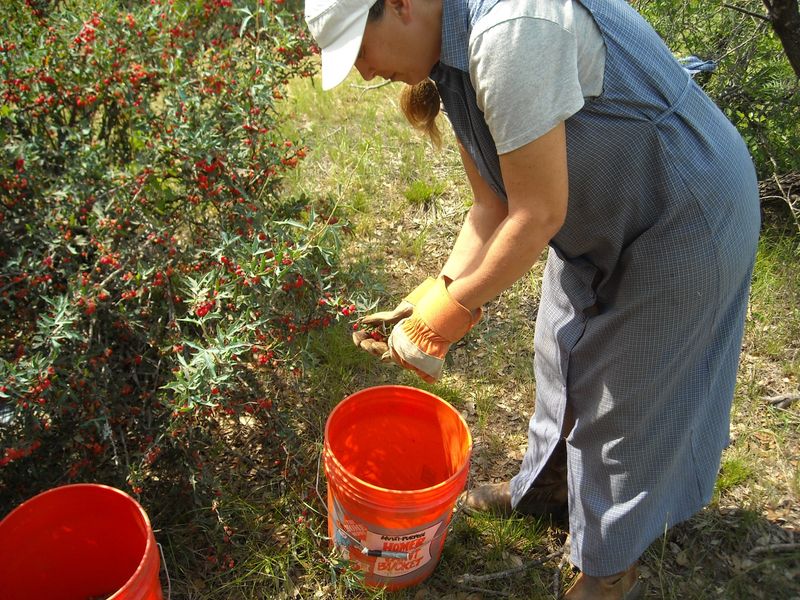
Tough as old boots and a little prickly about it. Agarita thrives on rocky Hill Country slopes where almost nothing else wants to grow.
Its spiny, blue-gray leaves make a handsome evergreen backdrop, and the shrub gives birds a safe hiding spot from hawks and cats. Fragrant yellow flowers show up in late winter, offering an early meal for bees.
Red berries follow in spring, eaten by birds and, yes, by people who make jelly from them.
Use agarita as a security hedge under windows or along a property line. It needs full sun and good drainage and may struggle in soggy soil.
Once rooted, it asks for almost no water, which makes it a fine choice during summer watering restrictions.
5. Rusty Blackhaw Viburnum
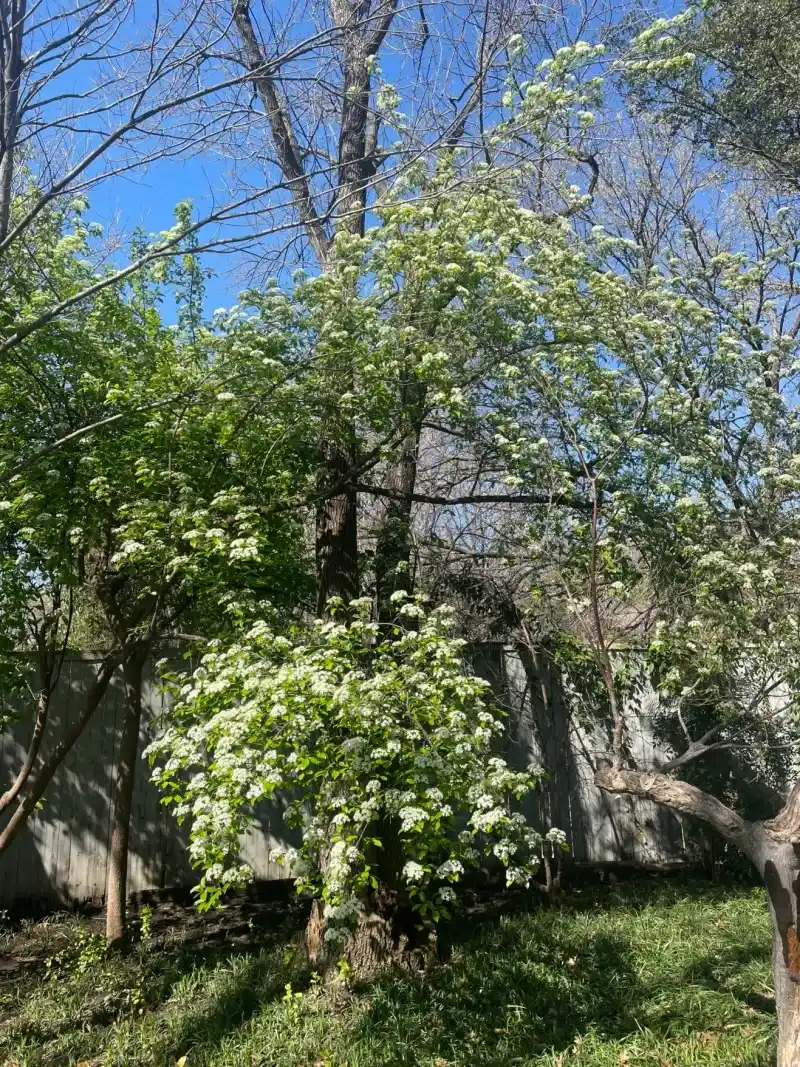
Fall color is hard to find in much of Texas, so rusty blackhaw feels like a small gift. Its glossy leaves turn deep burgundy and red as the weather cools.
In spring, flat clusters of white flowers attract butterflies and native bees. By fall, those flowers become dark blue berries that cardinals, robins, and cedar waxwings gobble up.
The name comes from the rusty fuzz on its new buds.
This shrub grows slowly into a small tree around 10 to 20 feet tall. It handles sun or part shade and adapts to clay and limestone soils.
Tuck it at the back of a border where its year-round interest can shine.
6. Texas Sumac
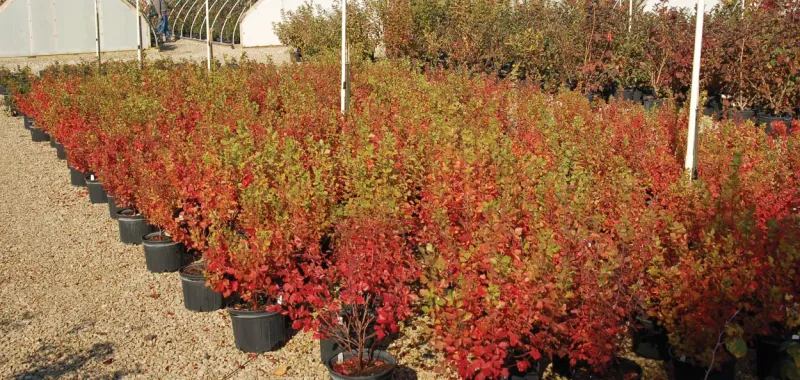
Ask a native plant fan about overlooked shrubs, and evergreen sumac often comes up first. It stays green year-round, stands up to triple-digit summers, and rarely needs a drink once it settles in.
Small white flowers in late summer bring in bees and butterflies when little else is blooming. Fuzzy red berry clusters follow, and birds such as bluebirds and quail feed on them into winter.
Expect a rounded shrub about 8 to 10 feet tall, great as a screen. It likes full sun and well-drained soil, especially in Central and West Texas.
Prune lightly to shape, but skip the heavy shearing.
7. Coralberry
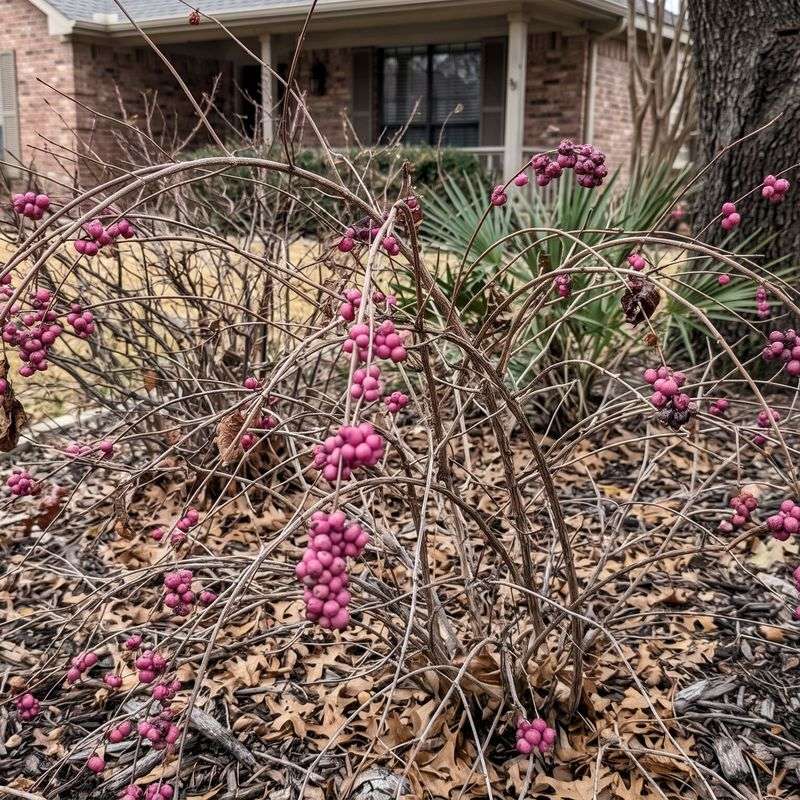
Got a shady patch under a live oak where nothing grows? Coralberry might solve that problem and feed the birds at the same time.
This low shrub spreads to form a loose groundcover, usually 2 to 3 feet tall. Pinkish coral berries hang on bare stems deep into winter, giving robins, bluebirds, and other hungry visitors a late-season snack.
It handles dry shade, clay soil, and slopes, where its roots may help slow erosion. It can sucker and spread, so give it room or edge the bed.
For a front-yard nandina bed in shade, it makes a natural, low-fuss replacement.
8. Wax Myrtle
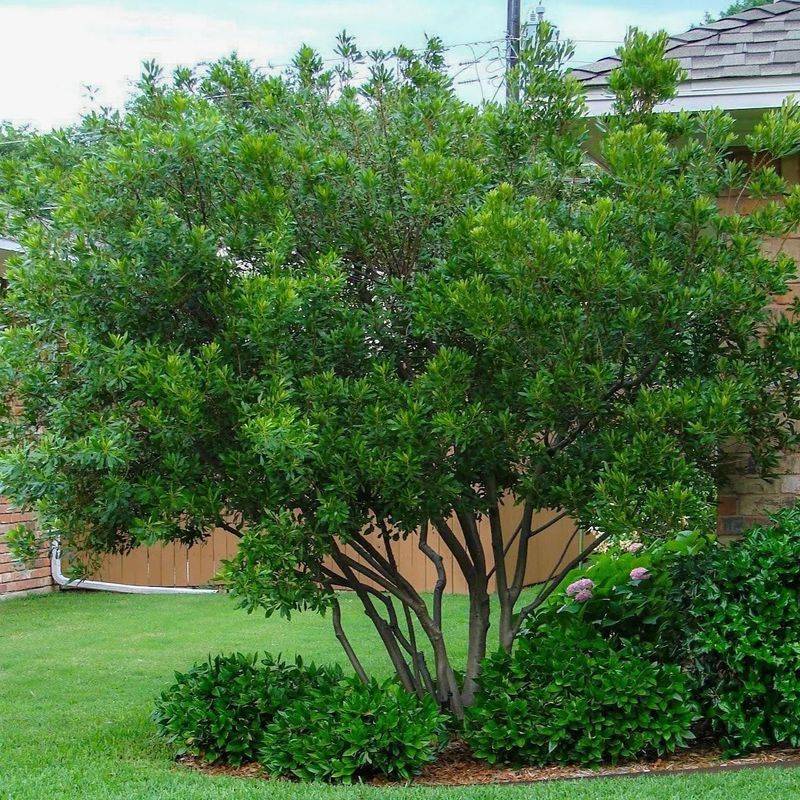
Gulf Coast gardeners already know this one well. Wax myrtle grows fast, stays evergreen, and handles heat, humidity, wet soil, and salty breezes from storm season.
Female plants carry small gray-blue berries coated in wax. Yellow-rumped warblers are famous for eating them, since they can digest the wax, which most birds cannot.
Bluebirds and tree swallows may join in during winter.
Use it as a privacy screen or a tall hedge in sun or part shade. It can reach 10 to 15 feet, though dwarf forms stay much smaller.
Trim it in spring, and enjoy the spicy scent of the leaves. Start with one shrub this season, and you may notice more birds by next winter.