
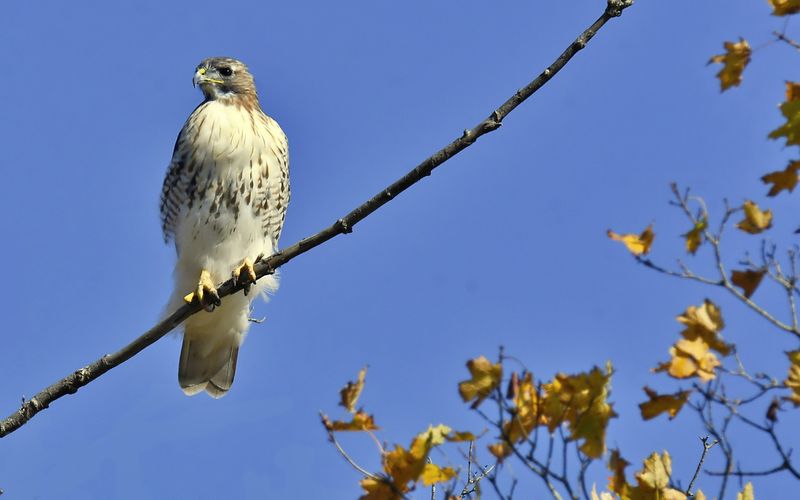
A hawk perched on a fence post or circling over the yard can make any Texas gardener stop and stare. Winter is a time when more of these birds may be around, and many people wonder if they are helping with mice and rats.
Some hawks do eat rodents, but a sighting does not mean your beds are being cleaned out. Here is what hawks really eat, what perches can and cannot do, and what to do about rodents yourself.
Why winter can bring hawks to Texas yards
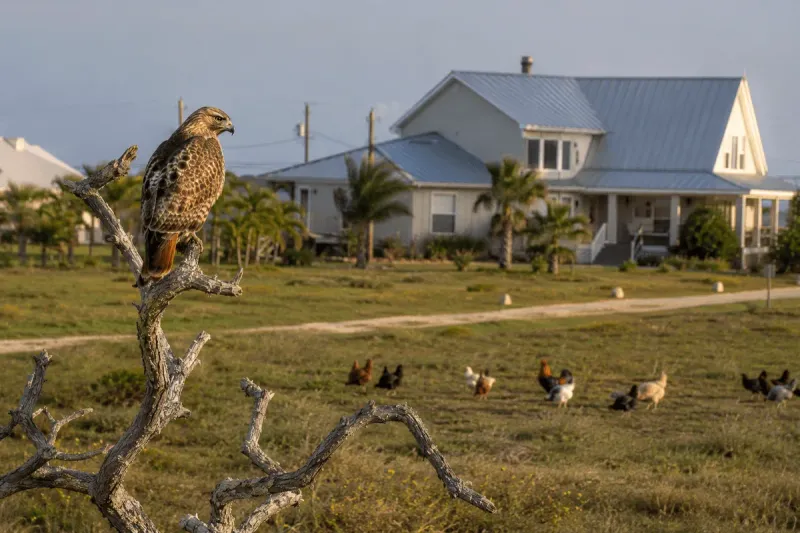
Red-tailed Hawks live in Texas all year, but cold weather changes the numbers. The Texas Breeding Bird Atlas describes them as residents that are joined by northern breeders, and it calls them common across the state in winter from mid-October to mid-March.
Cooper’s Hawks add another layer. According to the atlas account for Cooper’s Hawk, migrants arrive in late summer or fall and some may stay as late as May.
So a hawk on a utility pole in January could be a local bird or a visitor from farther north.
Keep in mind that these are statewide accounts. They do not guarantee that every Central Texas neighborhood will see more hawks this winter.
Your street, the trees nearby, and the amount of open ground around you all affect who shows up.
The two species also live very different lives, even though they look somewhat alike from a kitchen window. Red-tails are broad, heavy birds that often soar over open fields or sit on poles beside roads.
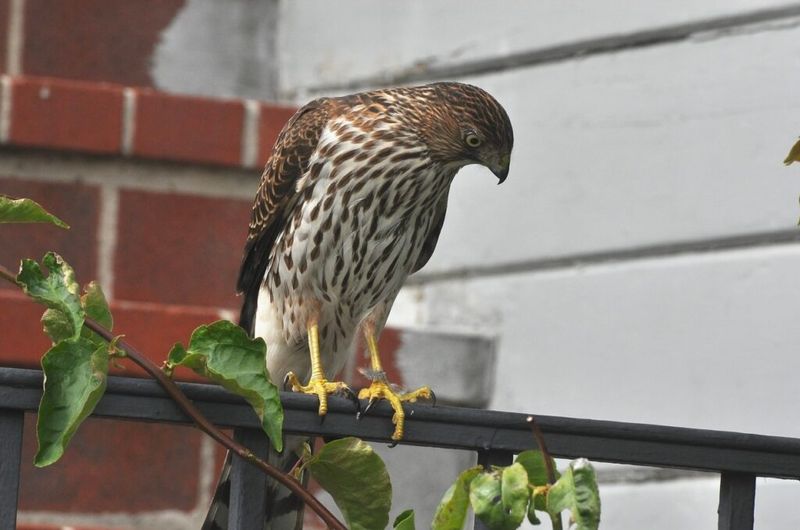
Cooper’s Hawks are slimmer, with long tails, and they tend to dart through trees and around fences. Knowing which one you have is the first step toward understanding what it might be hunting, which the next section covers.
Red-tailed and Cooper’s Hawks hunt different prey
Picture two hunters with very different menus. According to the Cornell Lab life history for Red-tailed Hawk, these birds usually eat small to medium mammals such as mice and voles, but they also take rabbits, birds, reptiles, and other prey.
Diet shifts with place, season, and what is easy to catch.
Cooper’s Hawks lean the other way. The Cornell Lab account for Cooper’s Hawk says they commonly hunt birds, including doves, starlings, and robins, though they also take small mammals like mice and chipmunks.
That matters if you keep feeders. A Cooper’s Hawk swooping through the yard may be after the birds at your feeder, not the mice under your shrubs.
Seeing a hawk does not tell you what it is eating.
Red-tails are the better bet when it comes to rodents, yet even they do not stick to one food. A hawk that sits over your lawn might be watching for a vole, a lizard, or nothing at all.
Treat these birds as wild neighbors with their own menus, not as a service that has been hired for your garden.
A hawk sighting does not measure rodents
Seeing a hawk hunt over your yard proves one thing: a hawk is active nearby. It does not show what the bird caught, whether it took a rodent from your beds, or whether rodent numbers dropped afterward.
Many hunts end with nothing caught, and a rodent that gets eaten may be quickly replaced by another.
Research on this topic comes mostly from farms. A 2025 field experiment in Biology tested hunting perches in alfalfa plots.
The perches increased raptor activity, yet vole activity still rose in the tested plots.
The takeaway is simple: more hawk visits do not guarantee fewer rodents. That study took place in a crop field with its own mix of raptors, so it cannot settle what happens in a Central Texas backyard.
It does, however, warn against counting on hawks for dependable control.
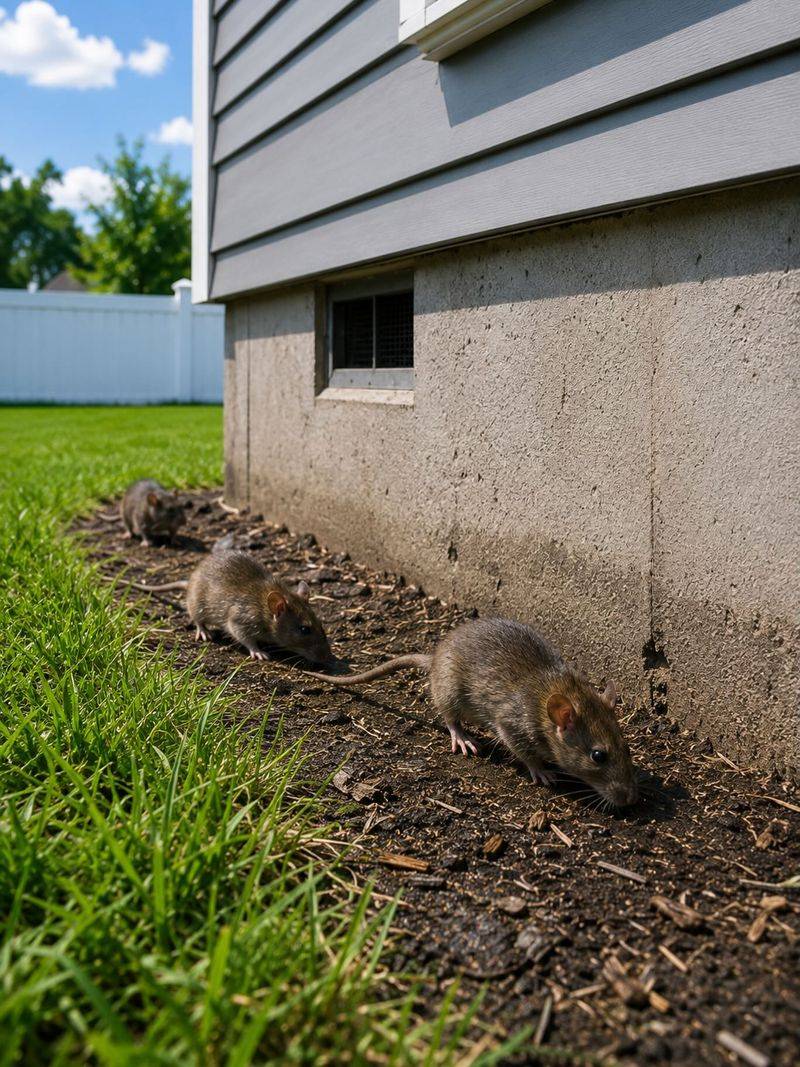
A better clue about rodents is what you find on the ground. Look for gnawed stems, chewed bulbs, droppings near the bed edges, burrow holes, or runways through mulch.
Those signs tell you far more about your rodent situation than any bird overhead.
A perch offers opportunity, not control
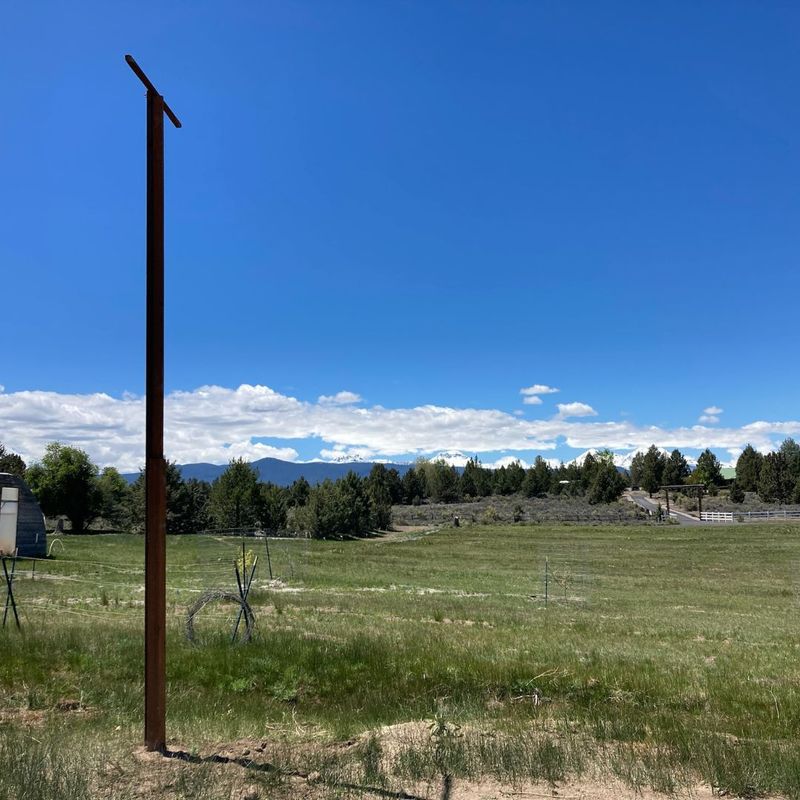
Some hawks hunt by sitting still and scanning the ground, which is why perches get attention. A school pest management guide from the California Department of Pesticide Regulation suggests placing artificial perches in open areas away from trees and power lines, where a hawk would have a clear view.
Treat that as general guidance, not a tested Central Texas backyard formula. The same guide cautions that hawks alone will not eliminate a rodent problem.
No perch can promise a hawk will visit. If one does land, it may take a rodent, a bird, or nothing, as the earlier sections explain.
Think of a perch as a possible bonus, not a tool you rely on.
Do not strip out garden cover in hopes of drawing hawks in. Clearing beds will not safely solve a rodent problem and could leave your plants and soil worse off.
If you add a perch, keep it a small extra on top of the practical steps in the next section.
Manage rodents directly
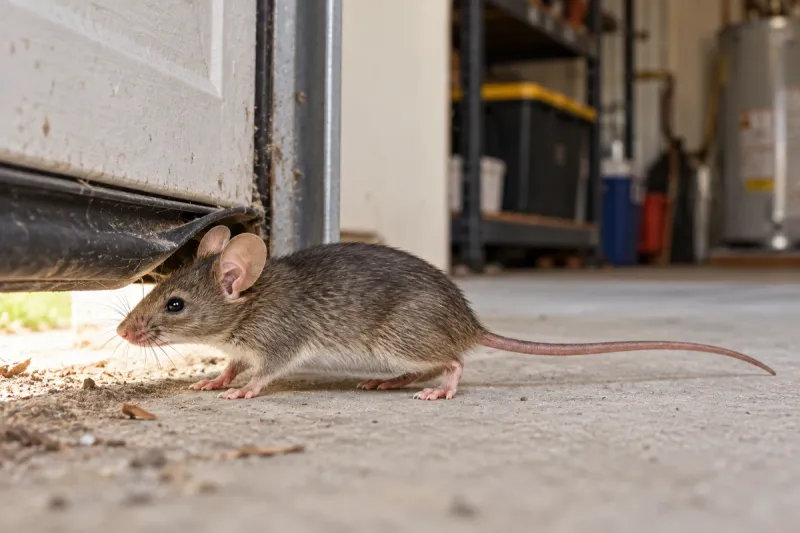
When mice or rats are chewing on your plants, act on the problem yourself. Texas A&M’s school IPM action plan for rodents points to four steps: sanitation, habitat modification, exclusion, and trapping.
It is written for schools, not as a full home-garden protocol, but the ideas carry over well.
Start with food. Pick up fallen fruit and nuts, store birdseed and pet food in sealed containers, and sweep up spilled seed under feeders.
Keep compost bins closed and avoid leaving trash cans open.
Next, reduce hiding spots near the house. Move woodpiles and stacked pots away from walls, and trim shrubs that touch siding or the roofline.
Then close the gaps. The guidance notes that mice can squeeze through openings about the width of a pencil, and rats through gaps around a half inch.
Check around pipes, vents, garage doors, and sheds, and patch them with sturdy materials.
Snap traps placed along walls and runways can remove the rodents already there. No single step will solve every problem, so combine them and recheck often through the winter.
Protect wildlife while addressing rodents
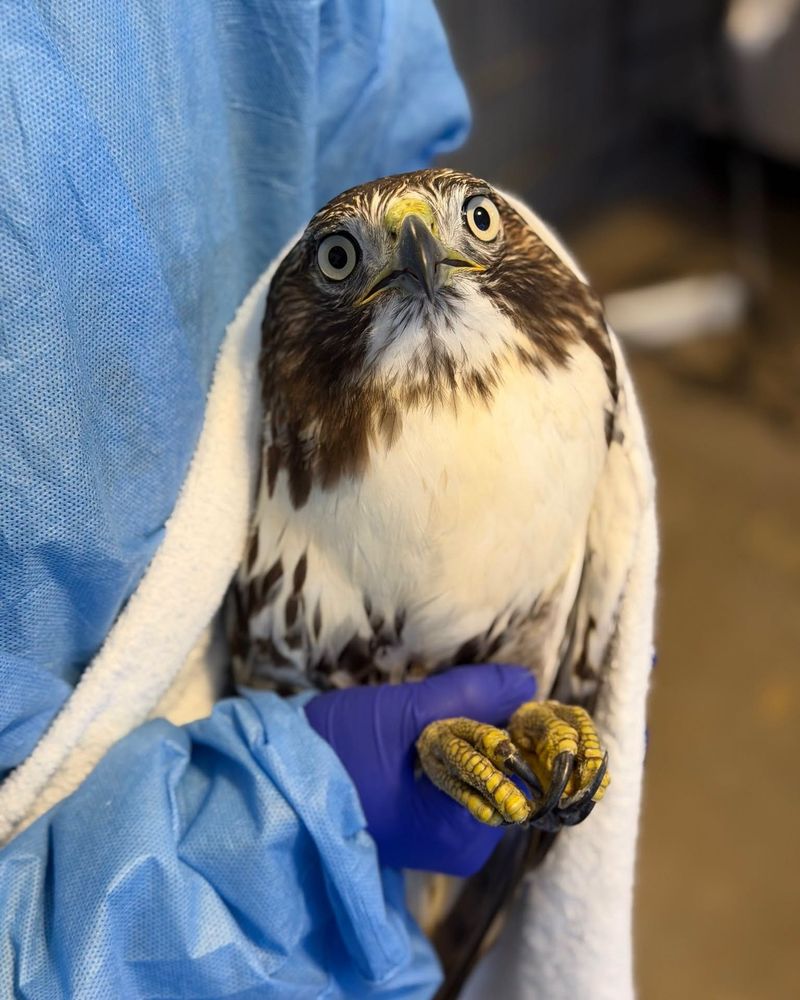
Poison and hawks do not mix. The EPA describes direct and secondary exposure risks to non-target wildlife, including raptors that eat poisoned prey.
A rodent that has eaten bait can move slowly, which makes it an easy catch.
So do not treat outdoor rodenticide as compatible with attracting hawks. If you are still considering these products, follow the label and ask a local pest professional for advice first.
Hawks also deserve space. Texas Parks and Wildlife says native wild birds, along with their eggs, nests, and young, are protected under Texas law.
Do not handle, chase, or disturb a hawk or an active nest, even if it looks calm.
If you find an injured bird, keep your distance and call TPWD or a licensed wildlife rehabilitator for help.
A hawk on your fence is a wild bird doing its own business, and your best rodent control is the work you do on the ground.