
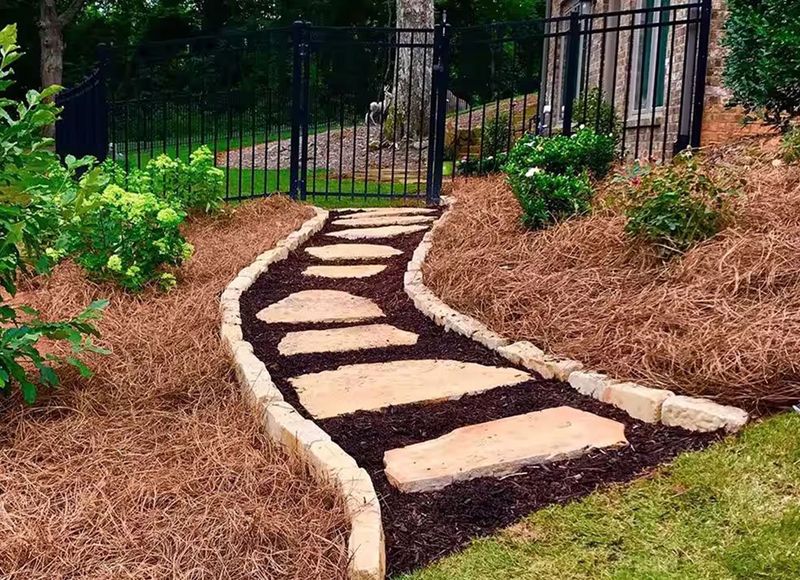
Fall is the sneaky best time to win the weed war in a North Carolina yard. What you lay down in your beds this September and October decides whether you face a carpet of henbit and chickweed next March or a clean, easy bed.
Two cheap options get talked about most: plain cardboard and woven landscape fabric. Here is how each one really holds up in Carolina clay, sand, and mountain soil, so you can pick the right one this weekend.
1. Why Fall Is the Right Time to Smother Weeds in NC
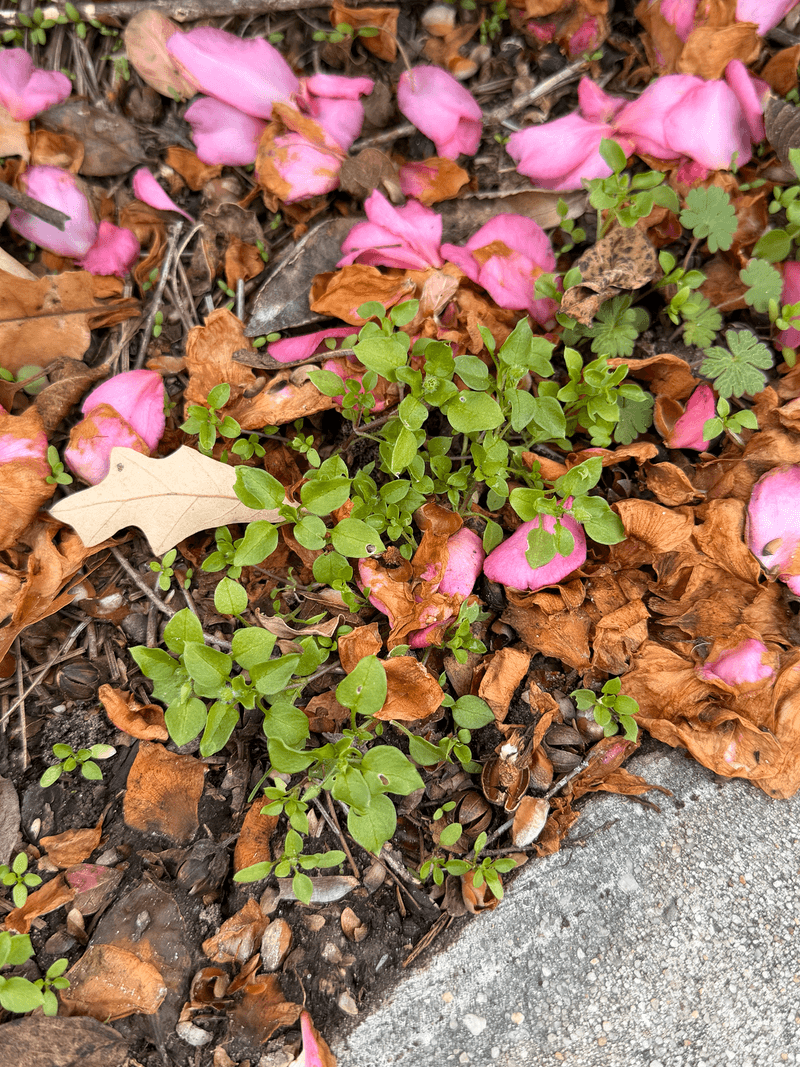
Most homeowners start fighting weeds in April, which is about five months too late. In North Carolina, winter annuals like henbit, chickweed, and annual bluegrass germinate as soil cools in early fall, then sit quietly until they explode in late winter.
Covering beds now can block light before those seedlings get established. In the Piedmont, late September through October is a typical sweet spot, while mountain gardeners may want to move a few weeks earlier and coastal plain gardeners have a bit more slack into November.
Fall timing also gives a smothering layer months to work. Cardboard needs that time to soften and start breaking down, and any mulch on top has a chance to settle before spring planting.
2. Cardboard: The Free Smother Layer That Feeds Your Soil
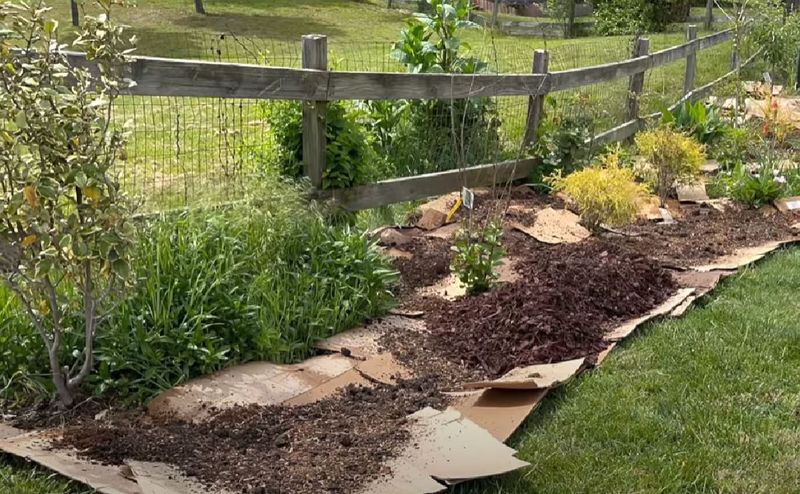
Picture a stack of moving boxes in the garage. Flattened, stripped of tape, and overlapped by six inches or so, that stack can become one of the most effective weed blockers you will ever use.
Cardboard works by cutting off light completely. Weeds underneath may starve out over a few months, and as the layer breaks down, earthworms tend to move in and pull organic matter into the soil.
That matters a lot in heavy Piedmont red clay, which benefits from every bit of added organic material.
By spring, much of the cardboard is often soft enough to plant right through. Use plain brown boxes, skip glossy printed ones, and wet the layer well so it hugs the ground.
3. Landscape Fabric: Long-Lasting but With Real Tradeoffs
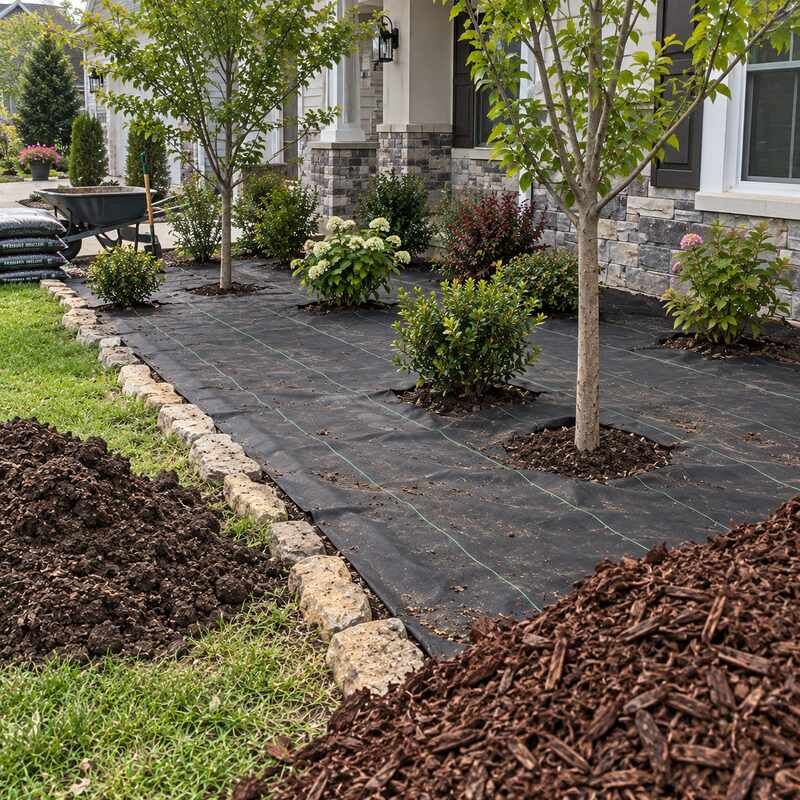
Landscape fabric promises years of protection, and on day one it looks tidy. The trouble shows up later.
Mulch on top of fabric slowly breaks down into a thin layer of compost, and wind-blown seeds happily root right into it. After two or three seasons, many NC gardeners find weeds growing on top of the fabric, with roots threaded through the weave.
Pulling them can tear the material.
Fabric also keeps organic matter from reaching the soil below, so clay may stay compacted. It can still make sense under gravel paths, around utility areas, or under rock beds where you never plan to plant.
For flower and shrub beds, though, it tends to create more cleanup down the road.
4. How Each Option Handles Carolina Clay, Sand, and Mountain Soil
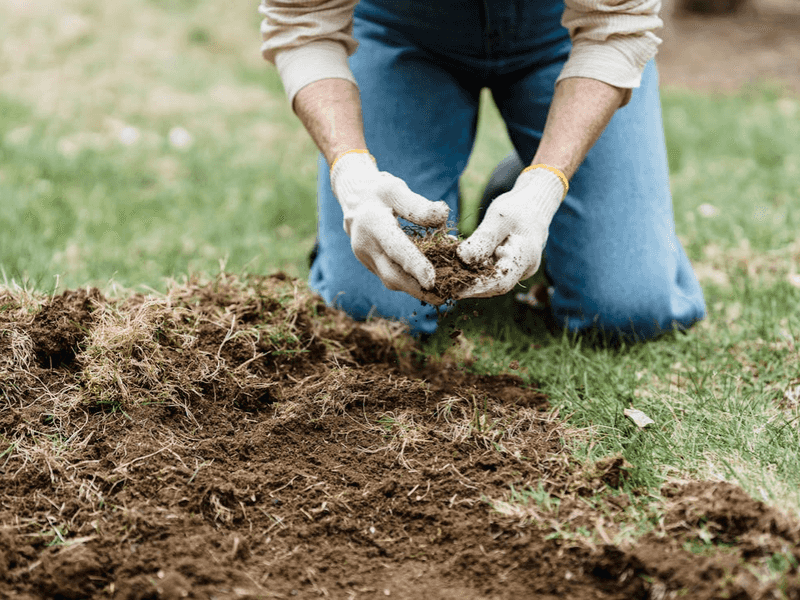
Soil type quietly changes the answer. A bed in Raleigh clay behaves nothing like a bed near Wilmington or Boone.
In Piedmont clay, cardboard usually shines because it may improve structure as it rots. Fabric can trap water against heavy clay and keep it dense.
On the sandy coastal plain, cardboard tends to break down faster in the heat and humidity, so a thicker layer or a second sheet may help it last until spring.
Mountain gardeners on rocky, often acidic soil can use either, but cardboard is easier to fit around stones and slopes. Fabric on hillsides tends to shift under heavy rain unless it is pinned closely.
5. The Weeds Cardboard Cannot Beat Alone
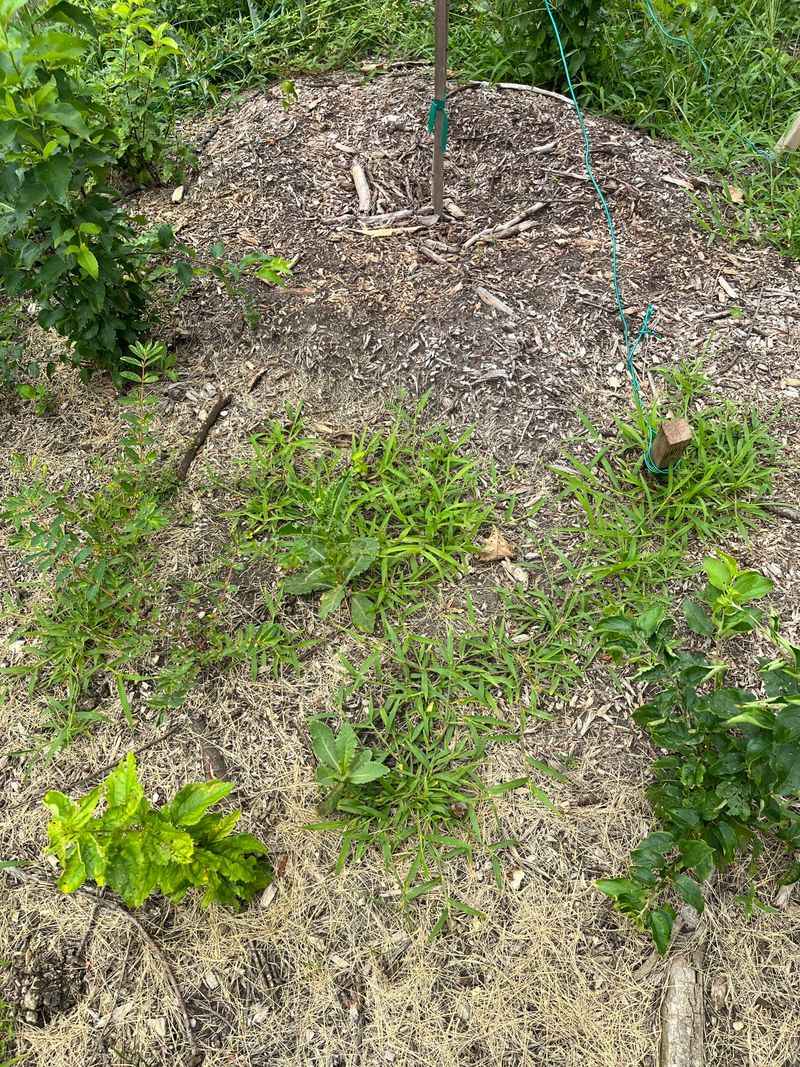
Here is the honest part. Bermudagrass, nutsedge, and Florida betony are tough customers that both cardboard and fabric struggle to stop.
Bermudagrass runners can travel sideways and sneak through seams, while nutsedge spikes are known for poking through fabric. A single layer of cardboard may weaken them, but it probably won’t finish them off.
For these weeds, overlap seams generously, use two layers, and extend cardboard past the bed edge. Then watch the borders in spring and pull escapees early, before they rebuild their underground reserves.
A shallow edging trench along the lawn line can also slow bermudagrass from creeping back in.
6. Mulch on Top: The Step That Makes Either Choice Work
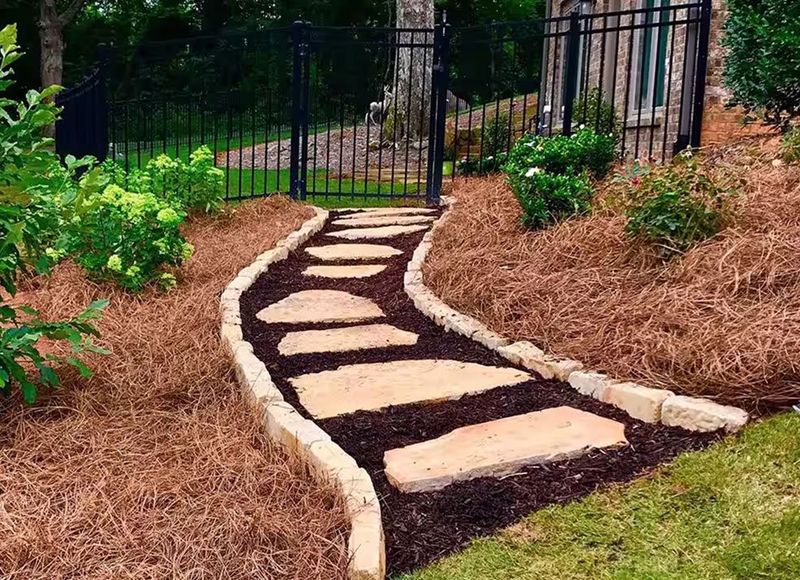
Bare cardboard looks like a recycling bin exploded in your yard. A good topping fixes the looks and the performance.
Spread two to three inches of pine straw, shredded hardwood, or composted leaves over the cardboard. Pine straw is a classic NC choice that stays put on slopes, and shredded fall leaves from your own yard cost nothing.
The mulch holds the cardboard down, keeps it moist, and may help it break down evenly.
Fall leaves left on top can also give shelter to overwintering beneficial insects, including firefly larvae and native bees. Keep mulch a few inches away from shrub stems and tree trunks to avoid rot.
7. The Verdict for Spring-Ready NC Beds
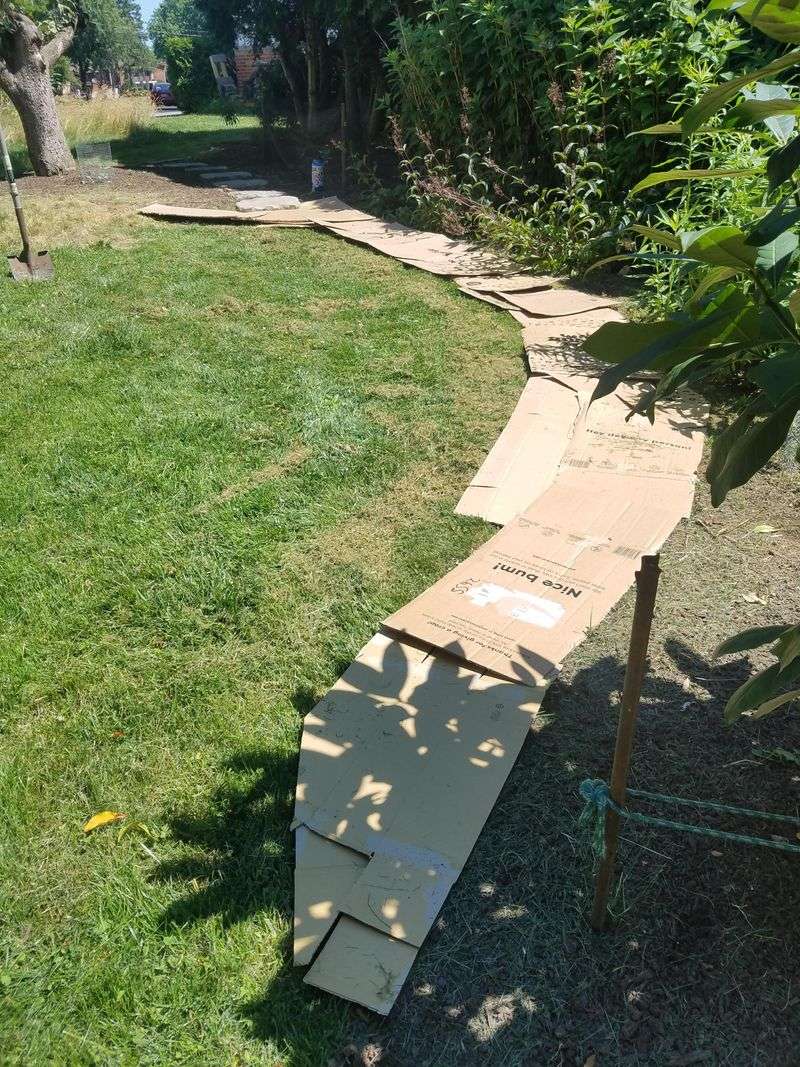
For most North Carolina flower, shrub, and vegetable beds, cardboard topped with mulch wins. It is free, it can feed the soil, and laid down this fall it tends to deliver a cleaner bed by March.
Save landscape fabric for spots that will stay permanently under gravel or stone. Anywhere you want healthy plants and wildlife, cardboard fits the job better.
Your weekend plan: collect plain boxes, cut existing weeds low, lay cardboard with wide overlaps, soak it, and cover with pine straw or leaves. Come spring, cut an X where you want native plants like coneflower or black-eyed Susan, and plant right through.