
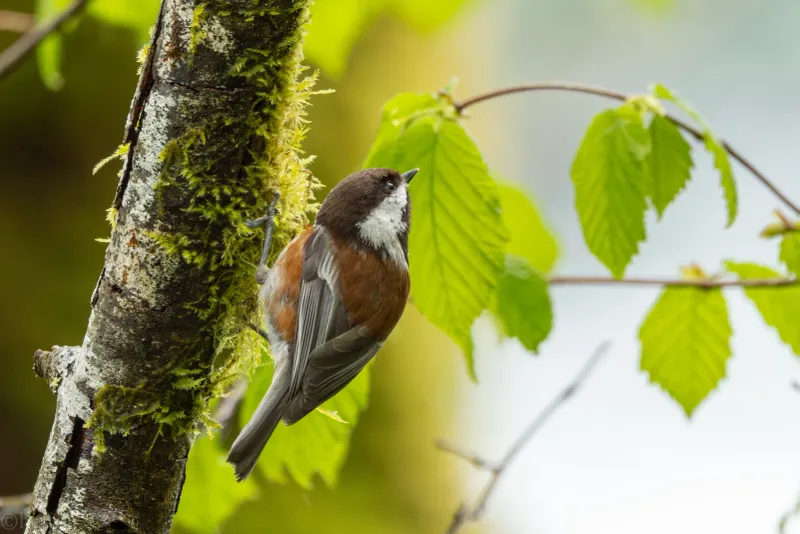
A small brown-capped bird works its way along a bare plum branch, pecking at the bark. It might be finding a meal you cannot even see.
If you are planning a winter spray, that tiny scene raises a fair question about what is on those twigs and whether treating them makes sense. Here is how to sort out what you know, what you do not, and how to decide.
Bare branches can still offer chickadees food
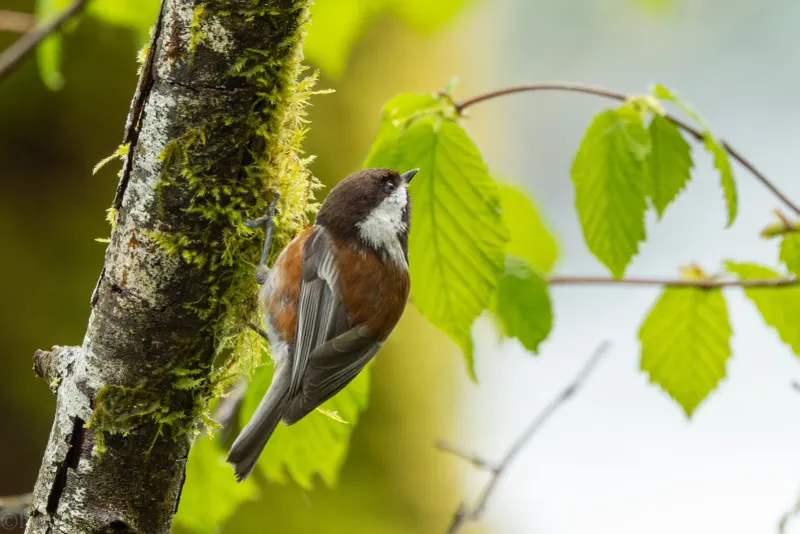
Picture a gray January morning in a Northern California yard. Your apple tree has dropped every leaf, yet a chestnut-backed chickadee hops along a twig, tilting its head and pecking at the bark.
Bare wood looks empty to us, but it is not empty to a small bird.
California’s wildlife account, a life history account from the state wildlife agency, says this species gleans insects and spiders from twigs, branches, and foliage. Gleaning just means picking small food items off surfaces.
Cracks in bark, buds, and branch joints can hold tiny creatures and their eggs through winter.
Before you picture one in your yard, check your location. The same account places chestnut-backed chickadees mainly in coastal and northern California, reaching south along the coast toward Santa Barbara and into parts of the western Sierra Nevada.
They favor conifer and mixed woods, though they also use other wooded areas. If you garden in the Central Valley or the southern deserts, you may never see one.
So what can you actually conclude from watching a bird peck at a branch? Only that it is probably searching for small prey.
It does not tell you what the bird found, how much of it there was, or whether your tree has a pest problem at all. That gap matters before you decide whether to spray.
Aphid eggs are possible prey, not a confirmed meal
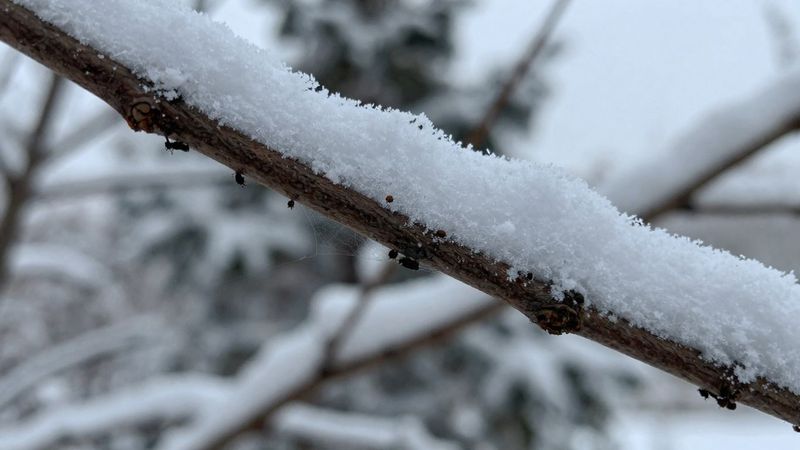
Where does the aphid-egg idea come from? A species profile from Alaska’s fish and game agency lists insect eggs, including aphid eggs, in this bird’s diet.
That makes the scenario in your tree believable.
Notice where that detail comes from, though. The California account describes foraging for insects and spiders but does not document chickadees eating aphid eggs in California fruit trees.
The egg detail is about the species’ diet in general, not a measured behavior in a Santa Cruz or Sonoma backyard.
Branch-picking by itself cannot tell you the prey. A chickadee could be taking spider eggs, small caterpillars, scale insects, or something too tiny to spot from the patio.
Even if it eats some aphid eggs, that does not show it is holding aphids in check on your tree.
A practical test is to look for yourself. With a hand lens, check twigs near buds and in bark crevices for tiny shiny black or dark oval eggs.
Finding them tells you eggs are present. It does not tell you whether the tree will have trouble in spring.
“Dormant spray” can describe different treatments
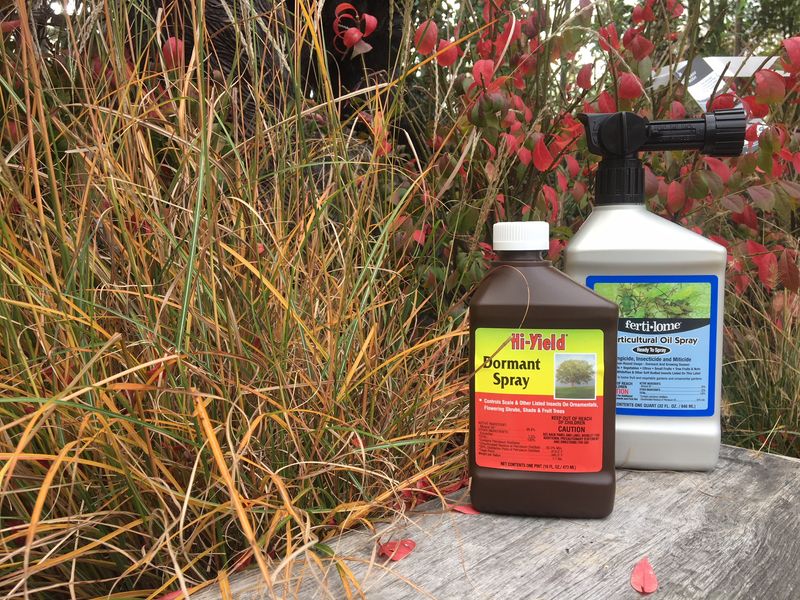
Walk down the garden-center aisle in winter and you will see several products sold under a dormant-spray banner. Some are horticultural oils, some are fungicides, and some combine an oil with another pesticide.
They are not interchangeable.
UC’s winter pest guide for backyard deciduous fruit trees explains that these treatments aim at different problems. A fungicide for a disease that returns every year, such as peach leaf curl, has a different purpose than an oil aimed at overwintering insects or eggs.
That difference matters for the bird question. A spray meant for a fungal disease is not the same as an oil meant to smother aphid eggs, so you cannot assume every winter treatment removes the same potential food.
The sources reviewed do not show that a typical dormant spray changes chickadee numbers or behavior, so this is a tradeoff to weigh, not a proven harm.
Timing also differs by product. UC IPM’s dormant treatment page separates dormant from delayed-dormant applications.
Before buying anything, name the pest or disease you want to stop. If you cannot name it, you probably are not ready to spray.
Treat aphids only when the tree and evidence justify it
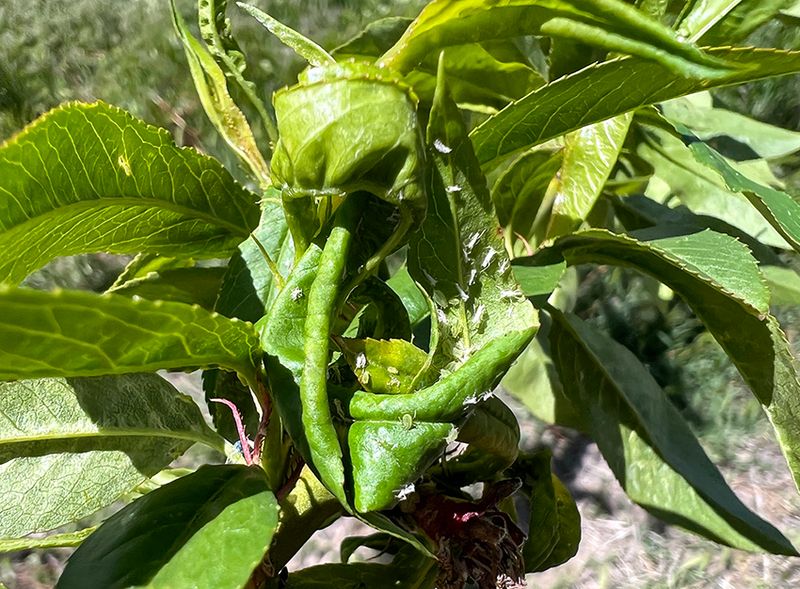
Start with your own tree’s history. Did aphids curl leaves or coat new shoots in sticky honeydew last year?
UC says backyard dormant sprays may not be warranted every year, so prior-season problems are a better guide than the calendar.
Next, identify the target. According to UC IPM’s aphid guidance, certain refined oils can kill overwintering aphid eggs when applied at the right delayed-dormant stage.
But it is not complete control, and treating for aphids alone may not be justified.
A healthy established tree often tolerates a fair number of aphids. Many species show up in spring and are handled by a hose-off, tolerance, or natural enemies.
If your tree had only a light infestation, skipping the oil may be the sensible choice.
Keep commercial advice in its lane too. UC’s prune orchard guidelines note that oil alone will not control some aphids, but that advice is written for commercial prune growers.
It is not a recipe for a single plum in your side yard.
A simple rule works well. Spray only if the tree had a real problem, you have confirmed the target, the tree is at the right stage, and a product label covers it.
Otherwise, wait and watch as buds open.
Birds can affect orchard pests, but the local benefit is unknown
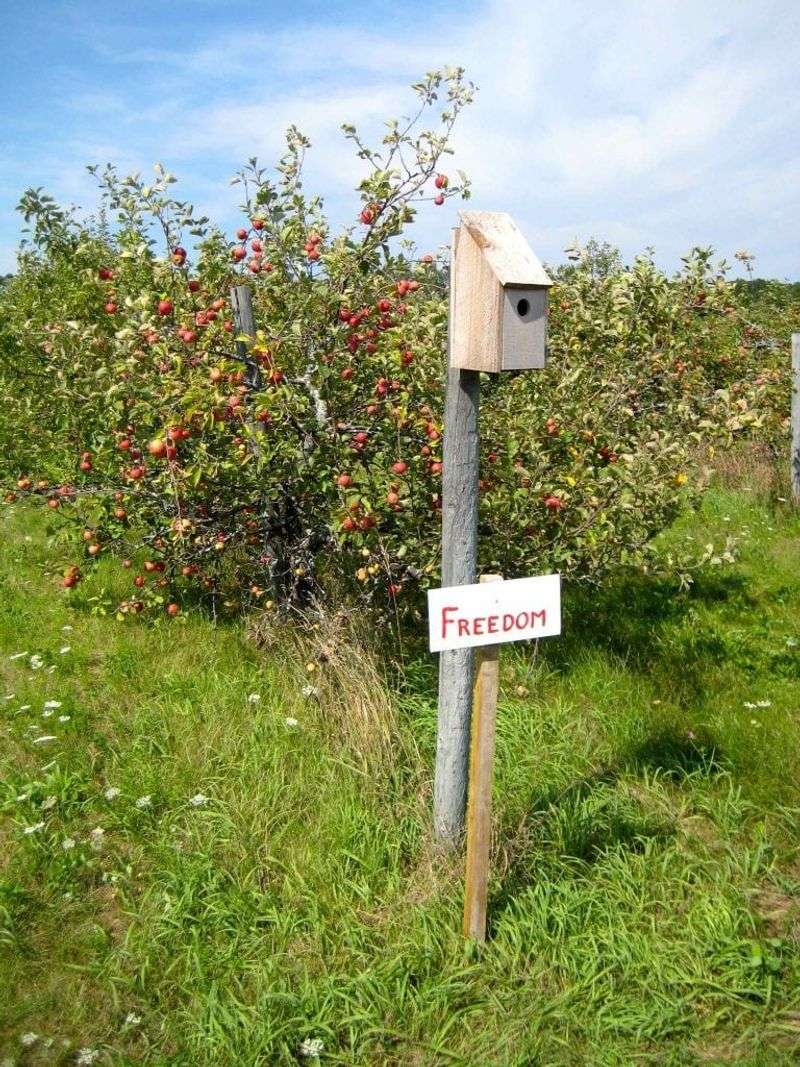
Research does show that birds can matter for pests. A 2018 study in European cider-apple orchards found more aphid outbreaks and more shoot damage on branches where birds were kept out.
A wider look gives a more mixed picture. A 2023 global meta-analysis of birds and pests found positive pest-regulation effects in about half of the observations and neutral effects in nearly as many.
In other words, birds sometimes help, and sometimes the result is a wash.
Neither source measured chestnut-backed chickadees controlling aphids in California home orchards. Different birds, different trees, and a different climate mean you cannot simply carry those results over to your yard.
The sources also do not say whether a winter spray changes how much food chickadees find or how they behave. An oil aimed at overwintering eggs could remove some potential prey, but how much that matters is unknown.
Treat birds as a welcome bonus, not a pest-control plan. You can keep a bird bath, native shrubs, and some cover nearby, and still make your treatment choice on what the tree needs.
Check the tree stage, weather, and label before spraying
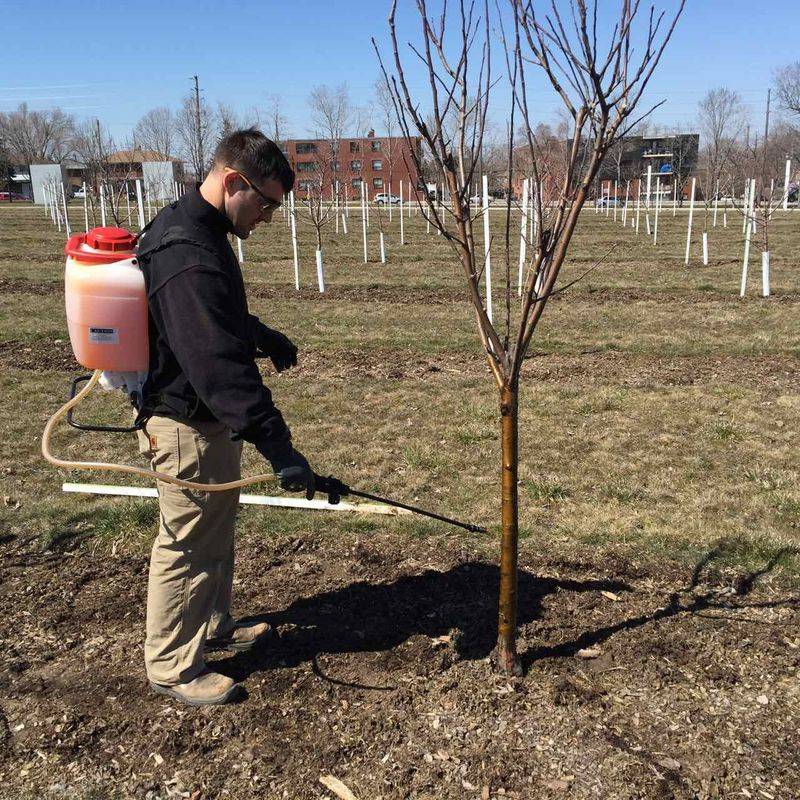
Timing is half of the job. UC IPM’s dormant treatment guidance places the dormant period for California deciduous fruit trees generally in December and January.
Delayed dormancy begins as buds swell, often in February. Exact timing varies by tree and by what you are targeting.
Weather counts as well. The same guidance cautions against applying in unsuitable temperatures or conditions, so check the forecast and the label limits rather than spraying on the first free weekend.
Know which trees to skip. Dormant oils are not appropriate for citrus and avocado, which do not go dormant in winter, and oils are not recommended during dormancy on walnut.
If a tree is not a deciduous fruit tree, the winter-spray advice may not apply.
Then read the label. An EPA-registered oil label, such as this example horticultural spray-oil label, warns against runoff to water and use contrary to its directions.
Follow the label for your product.
Finally, remember that less toxic does not mean no effect. UC IPM notes that oils can kill natural enemies hit directly by the spray, while leaving no toxic residue for those arriving later.
That says nothing about chickadees specifically, but it is another reason to spray only when warranted.
Make a targeted decision, not an automatic one
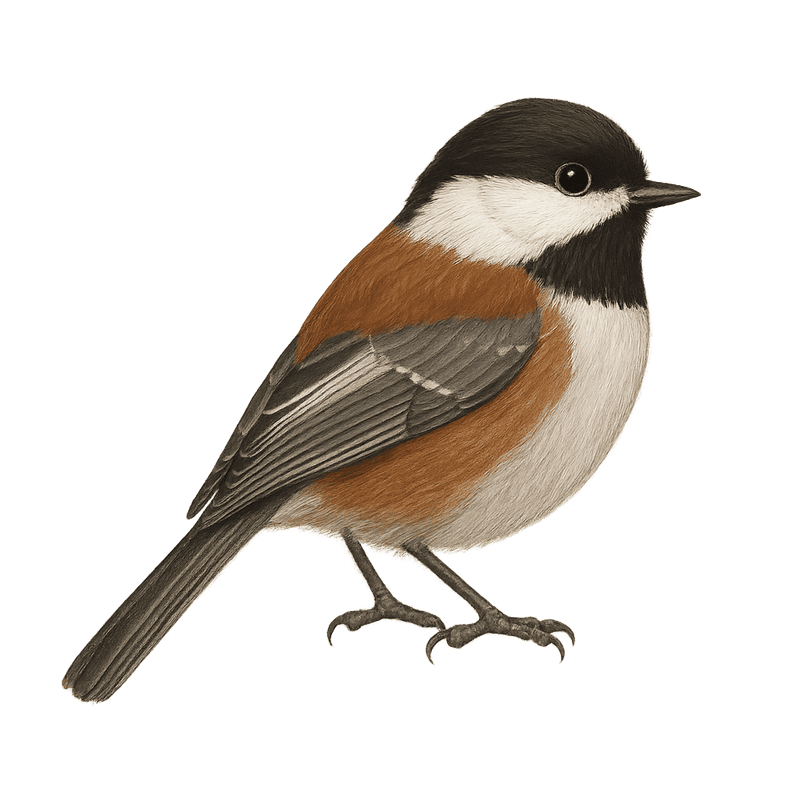
A chickadee on a bare branch may be finding insect eggs, but its exact meal and its effect on aphids are still unknown. Your tree’s actual problem is what deserves your attention.
Check UC’s backyard winter guide and the aphid page for your situation, then match product, stage, and label.
Spray when a diagnosed problem calls for it, and skip it when it does not. Either way, the birds are only one clue.
The best winter habit costs nothing: look closely at the twig before you reach for the sprayer.