
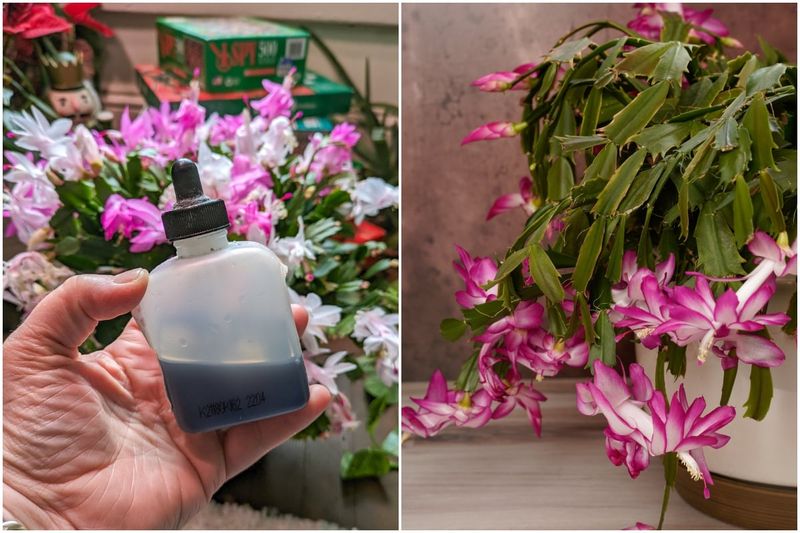
Your Christmas cactus looked great all year, but every December it gives you nothing but green leaves. In North Carolina, that usually comes down to a few small things like light, cool nights, and watering at the wrong time.
The good news is that late September is the perfect moment to fix them. Make a few easy changes now, and you can give your plant its best shot at a full set of holiday blooms.
1. Give It a Fall Vacation on the Porch
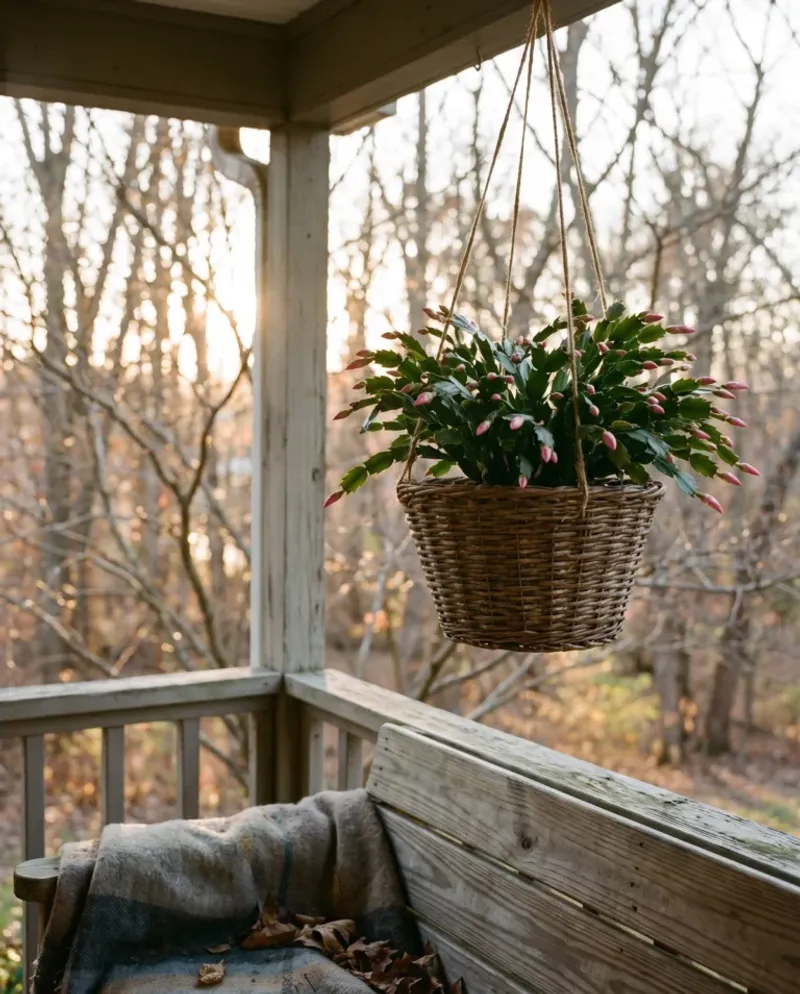
Picture your cactus sitting on a shady porch while the September air finally cools off. That short outdoor stay is one of the easiest ways to wake up a plant that has been sulking indoors.
Across much of the Piedmont and coastal plain, nights often slip into the 50s from late September into October. Those cooler nights can signal the plant that it is time to set buds.
Keep it in bright shade, because direct afternoon sun can scorch the leaves and turn them reddish.
Bring it inside before temperatures drop near 45 degrees. In the mountains, that may be early October, while coastal gardeners can often wait until late October or even November.
2. Protect Its Long Nights
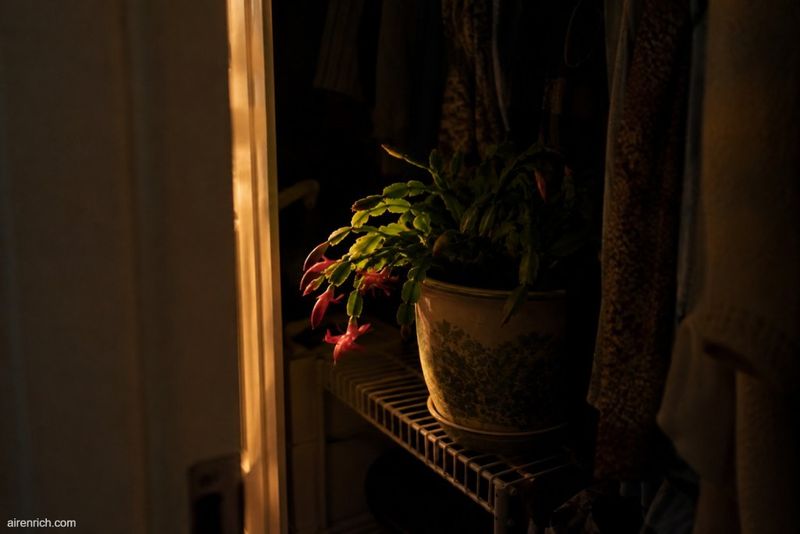
Here is the quirky part: a Christmas cactus cares more about darkness than light in the fall. It needs about 12 to 14 hours of uninterrupted dark each night for roughly six weeks to start forming buds.
A living room lamp left on until midnight can quietly cancel the whole plan. Even a porch light shining through a window may be enough to confuse it.
Try moving the pot to a spare room, guest bath, or bedroom that stays dark after sunset. If that is not possible, slipping a cardboard box over it from early evening to morning can work too.
Just remember to uncover it every day so it still gets bright daylight.
3. Ease Off the Watering Can
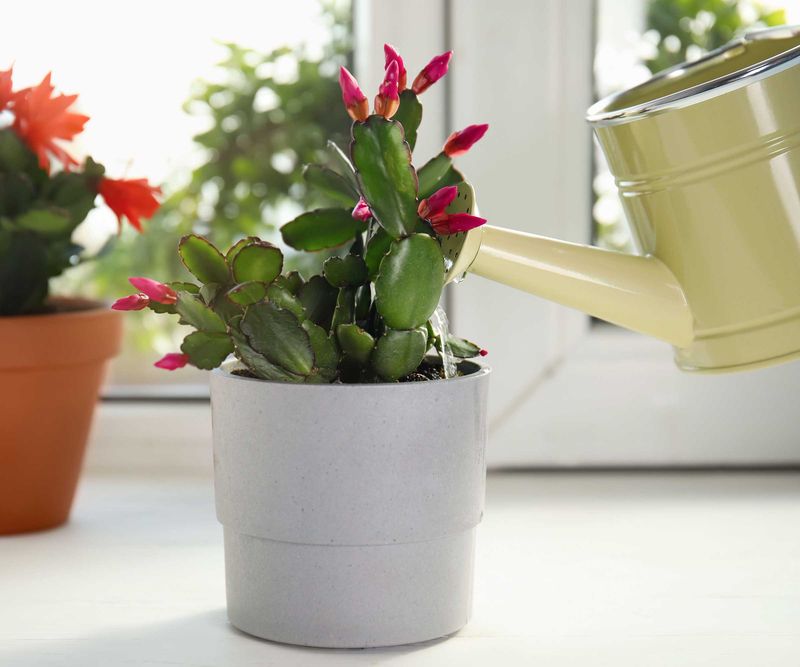
Many stubborn plants are simply loved a little too much. A steady summer watering routine keeps the cactus growing leaves instead of thinking about flowers.
Starting in late September, let the top inch or so of soil dry before you water again. A slightly lean period can help push the plant toward bud production.
Do not let it shrivel, though, since limp, wrinkled segments mean it is too thirsty.
North Carolina humidity can also keep soil damp longer than you expect, especially on a covered porch. Poke a finger in the pot before reaching for the watering can, every single time.
4. Stop Feeding in Early Fall
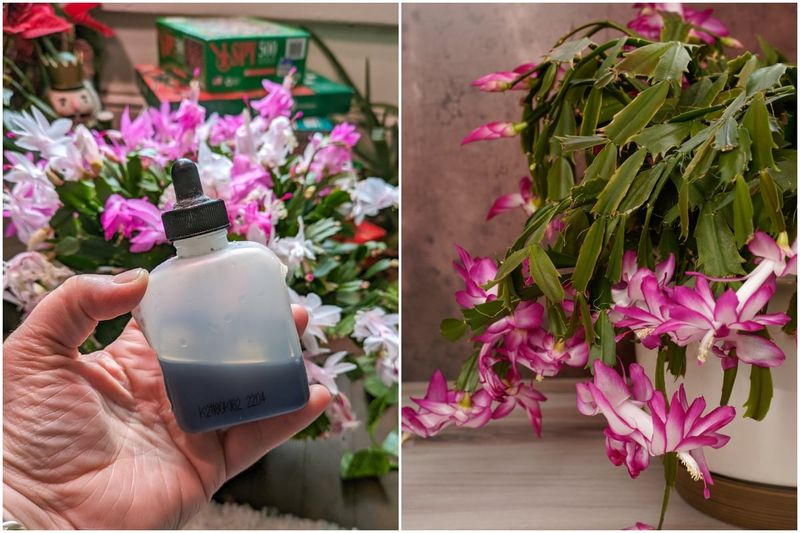
Fertilizer felt like a kindness in July. By late September, it can work against you.
Feeding encourages fresh leafy growth, and new segments compete with flower buds for the plant’s energy. Most growers pause fertilizer around the start of fall and hold off until blooming wraps up after the holidays.
A simple trick is to mark your calendar for the first week of October and put the plant food away until February. It is one less chore, and it may be the exact nudge your cactus has been waiting for.
5. Choose a Cooler Spot Indoors

Once the heat kicks on in November, your cactus faces a new problem. Warm, dry air near vents and fireplaces can cause buds to drop before they ever open.
Aim for a room that stays around 55 to 65 degrees at night, with bright, indirect light during the day. An east-facing window in a less-used room often works well.
Keep the pot away from heat registers, space heaters, and drafty exterior doors. A sudden blast of hot or cold air is a classic reason buds fall off.
6. Leave It a Little Root Bound
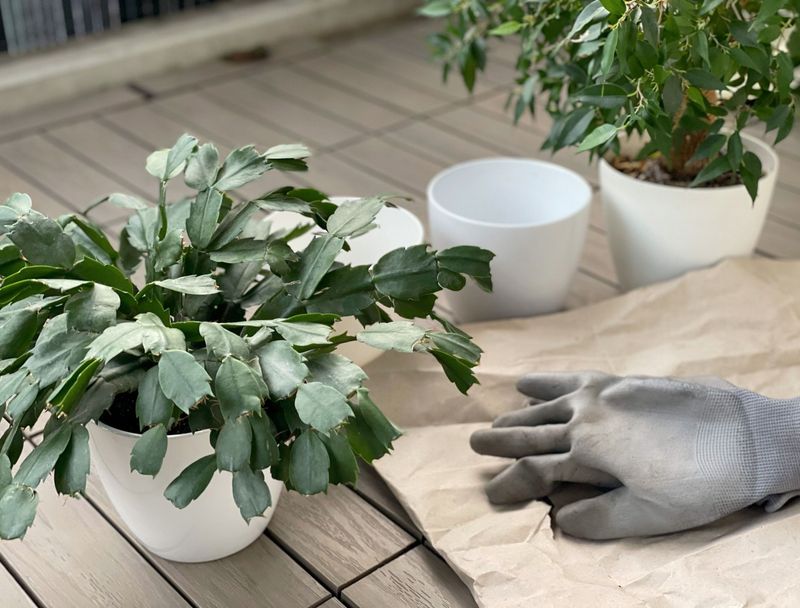
Grandma’s Christmas cactus bloomed in the same cramped pot for twenty years, and she may have been onto something. These plants often flower best when their roots feel a bit snug.
If you repotted into a big container recently, that extra room may be pulling energy into roots and leaves. Fall is not the time to repot, since the disturbance can stress the plant right as buds form.
Wait until late winter or spring if it truly needs a new home. When you do, go up just one pot size and use a fast-draining mix made for cacti or orchids.
7. Handle Buds Like Glass
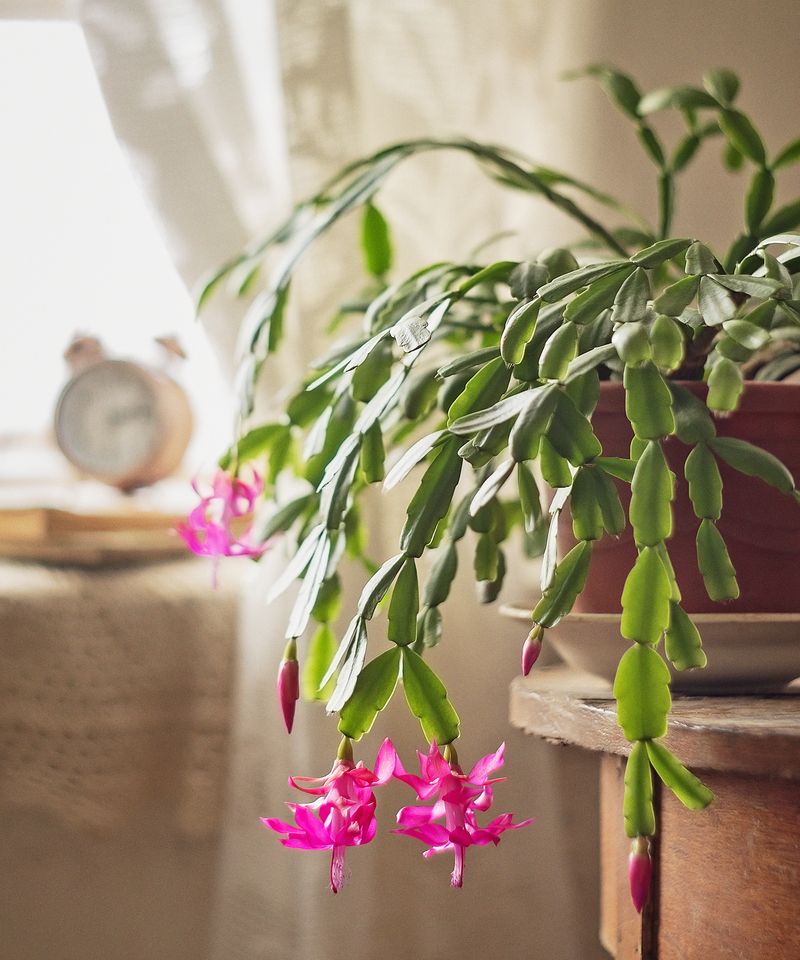
Spotting those first tiny pink tips feels like a win. Now the main job is to avoid spooking the plant.
Try not to move the pot once buds appear, and if you must, keep it facing the same direction toward the light. Sudden changes in light, temperature, or moisture can make it drop buds overnight.
Keep watering steady but light, and add a pebble tray with water if your heat dries the air. Patience here usually pays off with blooms by mid to late December.
8. Know Which Holiday Cactus You Have
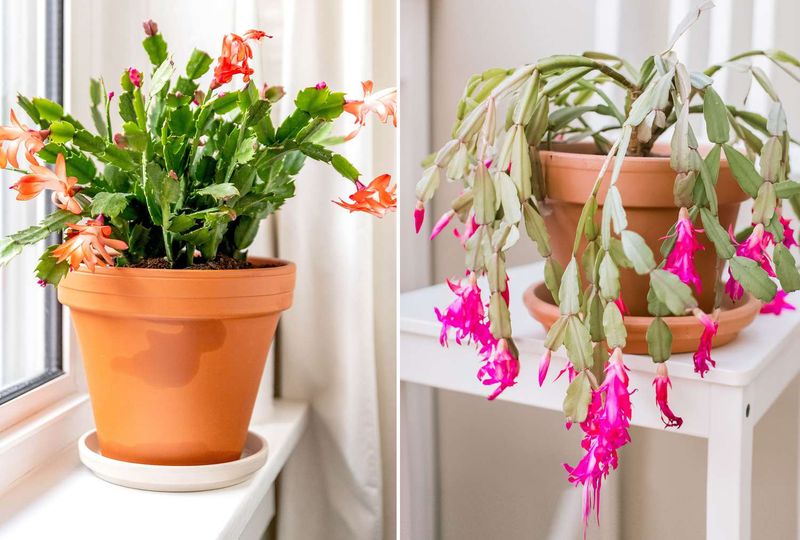
Did you know many plants sold as Christmas cactus are actually Thanksgiving cactus? Look at the leaf edges to tell them apart.
Thanksgiving cactus has pointed, claw-like teeth and often blooms in November. A true Christmas cactus has smoother, rounded scallops and usually flowers a few weeks later.
If yours keeps blooming before Thanksgiving, it may be doing exactly what it should. Starting the cool nights and darkness a bit later, around mid-October, can help shift blooms closer to Christmas.