
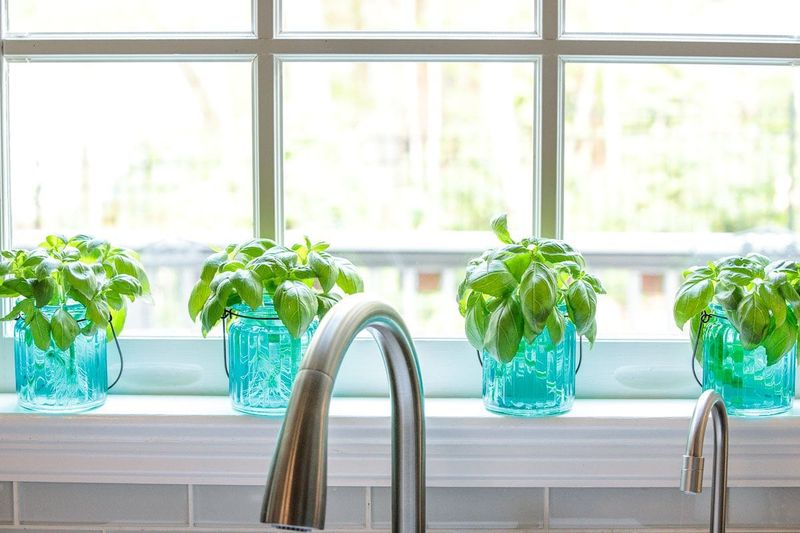
Fall in California is a sweet spot for snipping cuttings, because the summer heat is fading and the winter rains are on the way. Many popular garden plants will grow roots in nothing more than a jar of water on your kitchen windowsill.
By the time spring arrives, those little cuttings can be ready to plant, filling empty spots in your yard without a trip to the nursery. Here are eight easy favorites worth trying this season, plus tips to keep them healthy and water-wise once they go in the ground.
1. Coleus
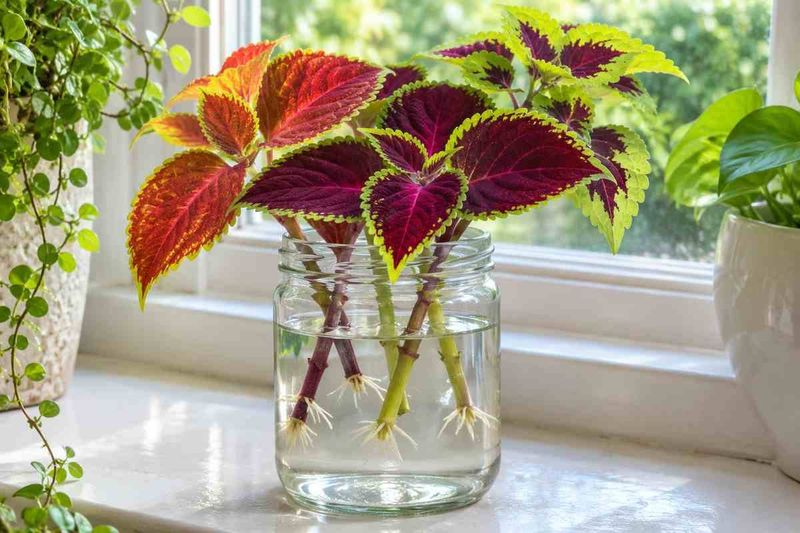
Picture a jelly jar stuffed with ruby, chartreuse, and burgundy leaves. That is what a few coleus snips look like on a windowsill, and they often show tiny white roots within a week or two.
Take 4 to 6 inch cuttings just below a leaf node, strip the lower leaves, and set the stems in water. Change the water every few days so it stays fresh and clear.
Coleus is frost tender, so most California gardeners treat fall cuttings as backup plants that spend winter indoors. Come spring, pot them up or tuck them into shady beds along the coast, where they brighten dark corners near porches and walkways.
2. Pothos-Free Option: Sweet Potato Vine
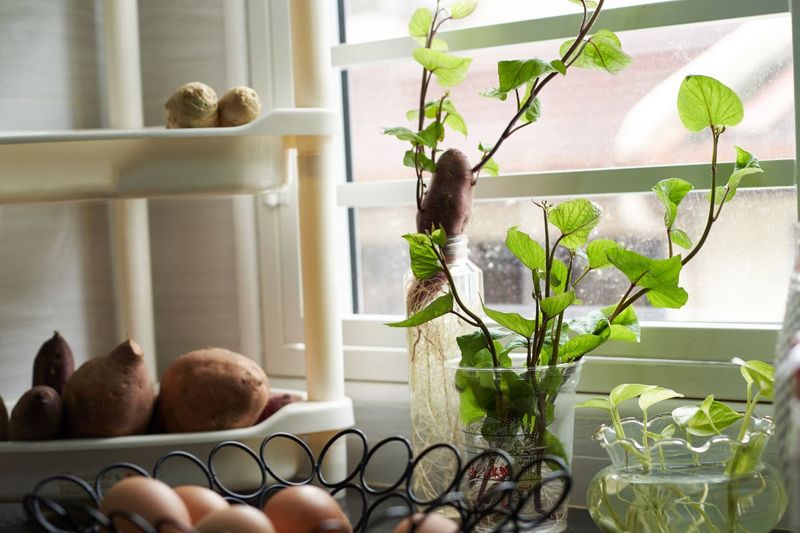
Ever pulled a trailing vine out of a summer container and felt bad tossing it? Sweet potato vine is the plant that forgives you, because almost any piece with a couple of nodes will root.
Cut 6 inch sections, remove the leaves that would sit underwater, and drop them in a glass. Roots usually appear fast, sometimes in just a few days during warm fall weather.
Keep the jars somewhere bright but out of harsh afternoon sun. In spring, these vines spill beautifully over pots and raised beds, and they handle inland valley heat well with modest watering.
3. Salvia

Hummingbirds in California practically treat salvia as a fuel station. Making more of it for free is one of the kindest things you can do for backyard wildlife.
Many shrubby salvias, including popular hybrids like Hot Lips and Mexican bush sage, can root in water. Use soft, non-flowering tips about 4 inches long, and expect roots in roughly two to four weeks.
Results vary by variety, so start several cuttings to be safe. Once rooted, move them into small pots of gritty soil for winter, then plant them out in spring for a water-wise border that can feed pollinators for months.
4. Mint
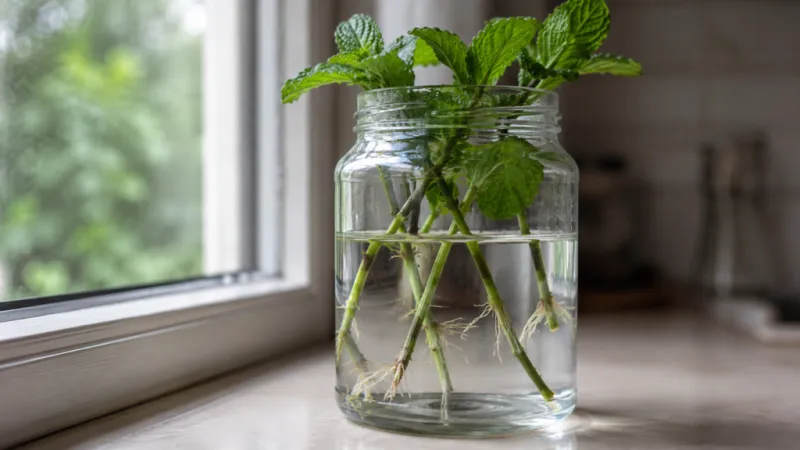
Here is a confession most gardeners share: mint grows a little too well. That eagerness makes it nearly foolproof in a glass of water.
Snip a few sprigs from the garden or even from a grocery store bunch. Roots often form in under two weeks.
Plant rooted mint in a pot rather than an open bed, since it spreads aggressively by runners. A container near the kitchen door keeps it handy for tea and lemonade, and its summer flowers can draw in bees and other small pollinators.
5. Basil
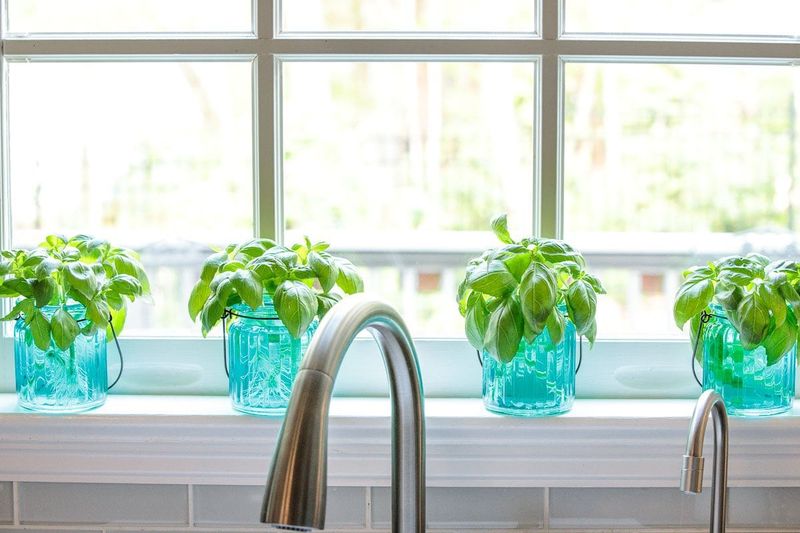
Basil hates cold, and late fall nights in many California valleys start dipping too low for it. Saving a few stems in water lets you keep your favorite plant going through winter.
Choose healthy stems without flower buds and cut just below a node. Roots usually show up in about a week or two.
Pot the rooted pieces and keep them in your sunniest window until spring. Once nights stay warm, they can head back outside for another long season of pesto, often well before nursery transplants are ready.
6. Geranium (Pelargonium)
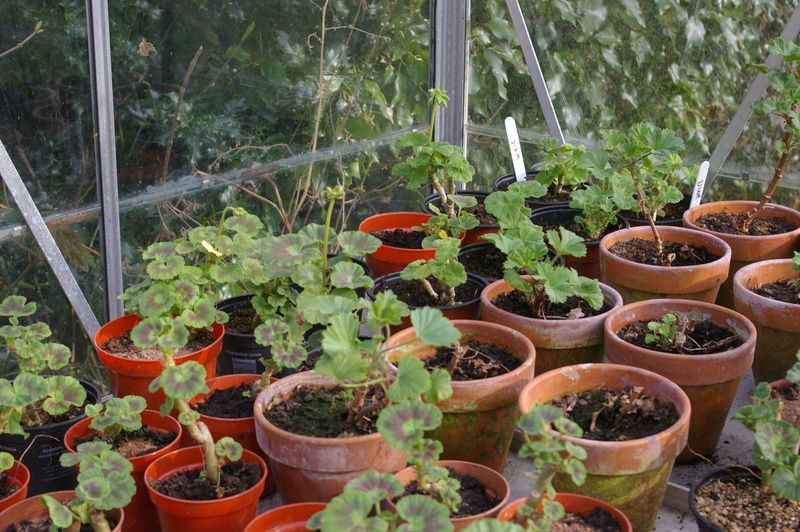
Walk through almost any older California neighborhood and you will spot geraniums blooming against stucco walls. Grandparents have been sharing slips of them for generations.
Pelargoniums root more reliably in soil, but water rooting can work if you keep it simple. Use firm 4 inch stem tips, remove lower leaves, and refresh the water often to prevent rot.
Once roots reach about an inch, move cuttings to a fast-draining mix. These sun lovers are fairly drought tolerant once settled, making them a smart choice for thirsty-summer yards.
7. Lavender
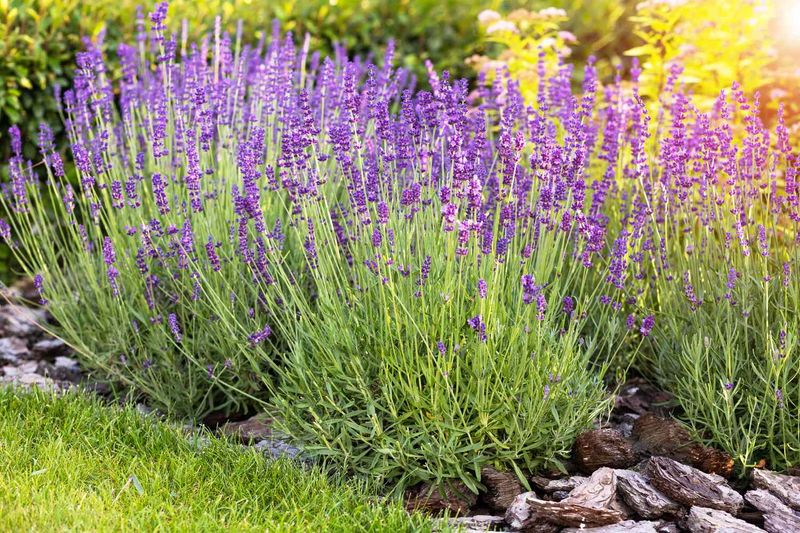
Lavender is a bit of a diva about wet feet, so rooting it in water might sound backward. Still, many gardeners have success with soft, fresh growth taken in early fall.
Keep cuttings short, around 3 to 4 inches, and only let the bottom inch sit in water. Swap in fresh water every couple of days and watch closely for any sliminess.
Move rooted cuttings into very gritty soil as soon as roots appear. The payoff is a bee magnet that fits California’s dry summers beautifully and needs little irrigation once established.
8. Willow
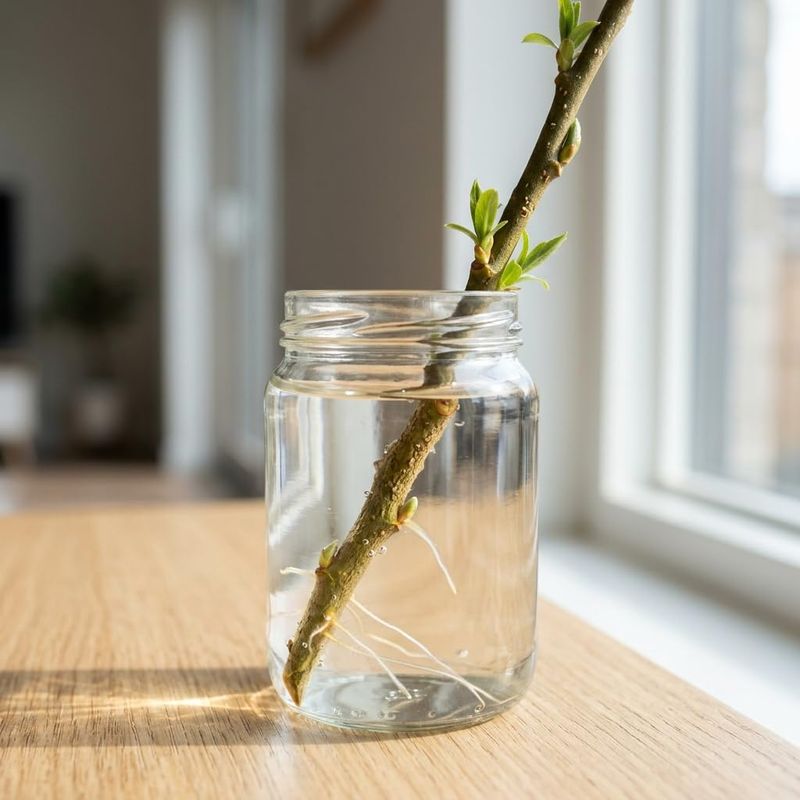
Willow roots so easily that gardeners soak its stems to make a homemade rooting tea for other cuttings. It is the overachiever of this list.
Cut pencil-thick pieces about a foot long from a dormant or slowing branch and stand them in water. Roots can appear within a couple of weeks.
Native willows such as arroyo willow can support birds and many native insects, but they need space and moisture. Plant them in low, damp spots or near drainage areas, not close to pipes, foundations, or septic lines.