
By the time the turkey hits the table, most North Carolina yards have settled into their winter rest. The few weeks before Thanksgiving are a sweet spot, with cool air, softer soil, and plenty of daylight left for a weekend of work.
What you do now decides how your beds look when the redbuds bloom in March. Here are ten jobs worth checking off before the pie comes out.
1. Pull Diseased Vegetable Plants and Bag Them
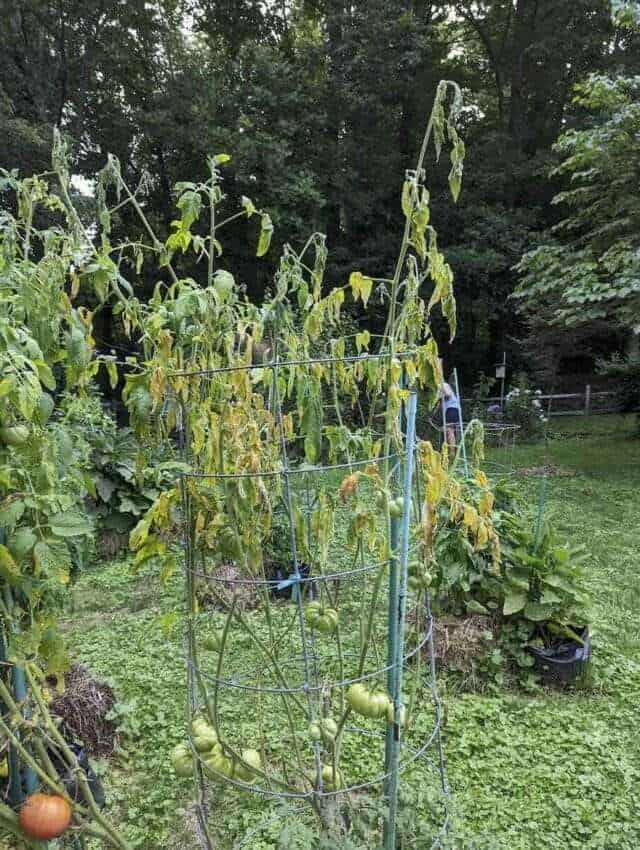
Those blackened tomato vines leaning on their cages are not just ugly. Early blight, Septoria leaf spot, and powdery mildew spores can ride out a mild Carolina winter on dead stems and fallen leaves.
Pull spent tomatoes, squash, and cucumbers now, roots and all. Anything that showed spots or fuzzy mildew goes into a trash bag, not the compost pile, since home piles rarely get hot enough to kill those spores.
Healthy bean and pepper plants are fair game for compost. A few minutes of sorting today can mean fewer disease problems when you replant in April.
2. Shred Fallen Leaves Into Free Mulch
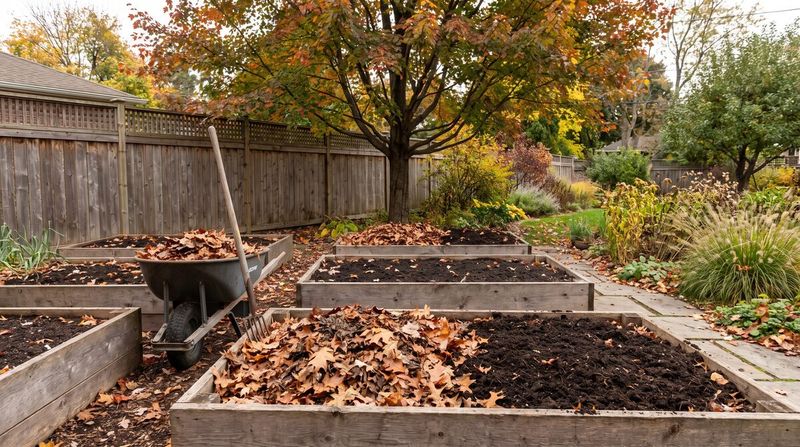
Every November, North Carolina neighborhoods set out bags of pure garden gold at the curb. Oak, maple, and tulip poplar leaves are some of the best free soil food you will ever find.
Run them over with a mower a couple of times to chop them small. Whole leaves can mat into a soggy layer, but shredded ones break down faster and let water through.
Spread two to three inches over perennial beds and empty vegetable rows. By spring, worms will have pulled much of it into the soil, which can loosen that stubborn Piedmont red clay over time.
3. Leave Some Seed Heads and Hollow Stems Standing
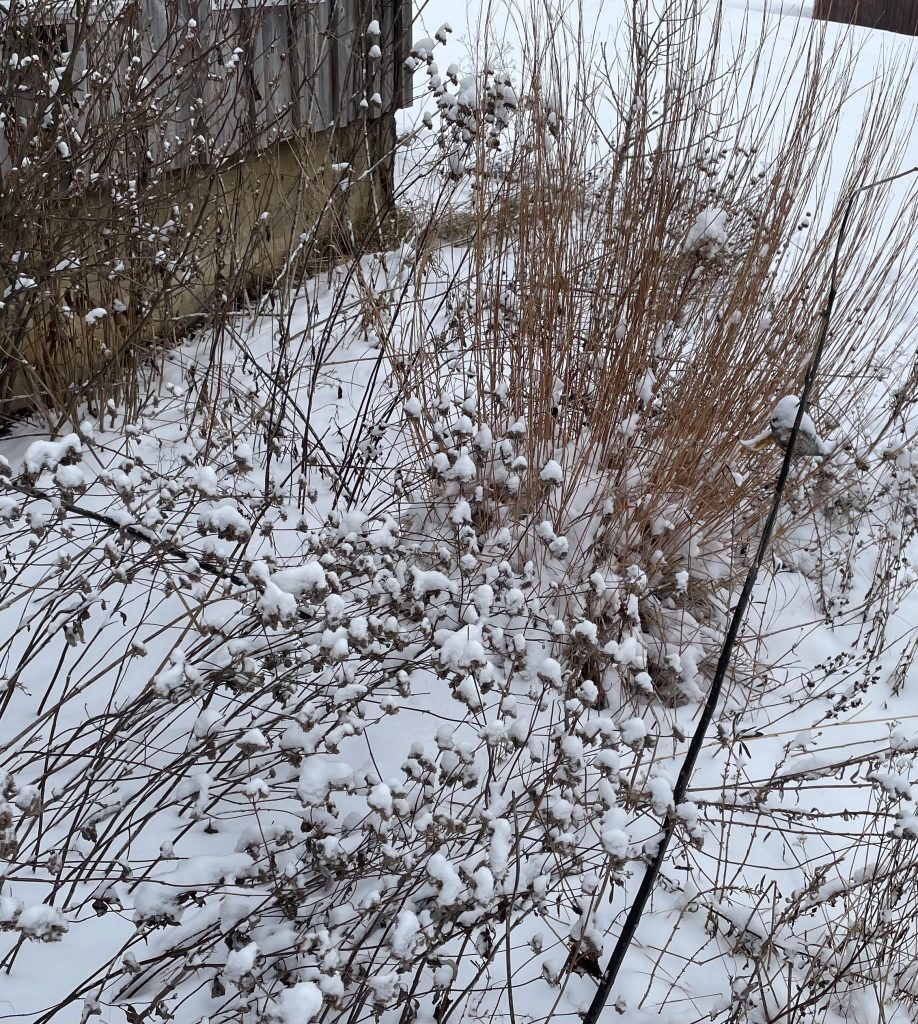
Here is the easiest job on the list, because it is mostly about not doing something. Purple coneflower, black-eyed Susan, and native grasses look scruffy now, yet goldfinches and chickadees pick those seed heads clean all winter.
Hollow stems of Joe-Pye weed and bee balm can also shelter native bees through the cold months. Cutting everything to the ground removes that shelter.
A fair compromise is to tidy the edges near the sidewalk and leave the back of the bed wild. Wait to cut stems until spring, ideally leaving 12 to 18 inches so bees have a home.
4. Plant Spring Bulbs Before the Ground Gets Cold
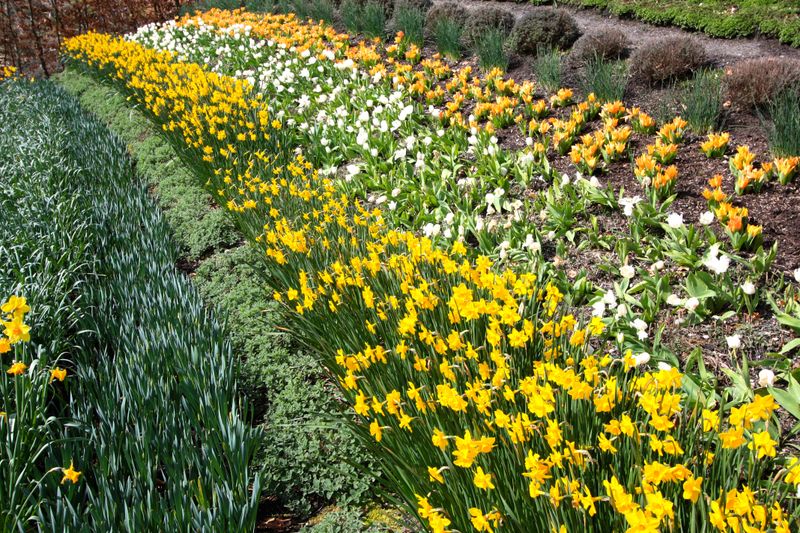
Grandmothers across the Piedmont swore by planting daffodils around Thanksgiving, and they had good reason. Soil in most of North Carolina stays workable well into December, but bulbs need several weeks to grow roots before winter settles in.
Daffodils are a smart pick because voles and deer usually leave them alone. Plant them about three times as deep as the bulb is tall, pointy end up.
Mountain gardeners should aim for early November, while coastal plain folks can often wait until late in the month. Tulips grown as annuals do better with a few weeks of chilling in the fridge first in warmer areas.
5. Test Your Soil While Labs Are Free
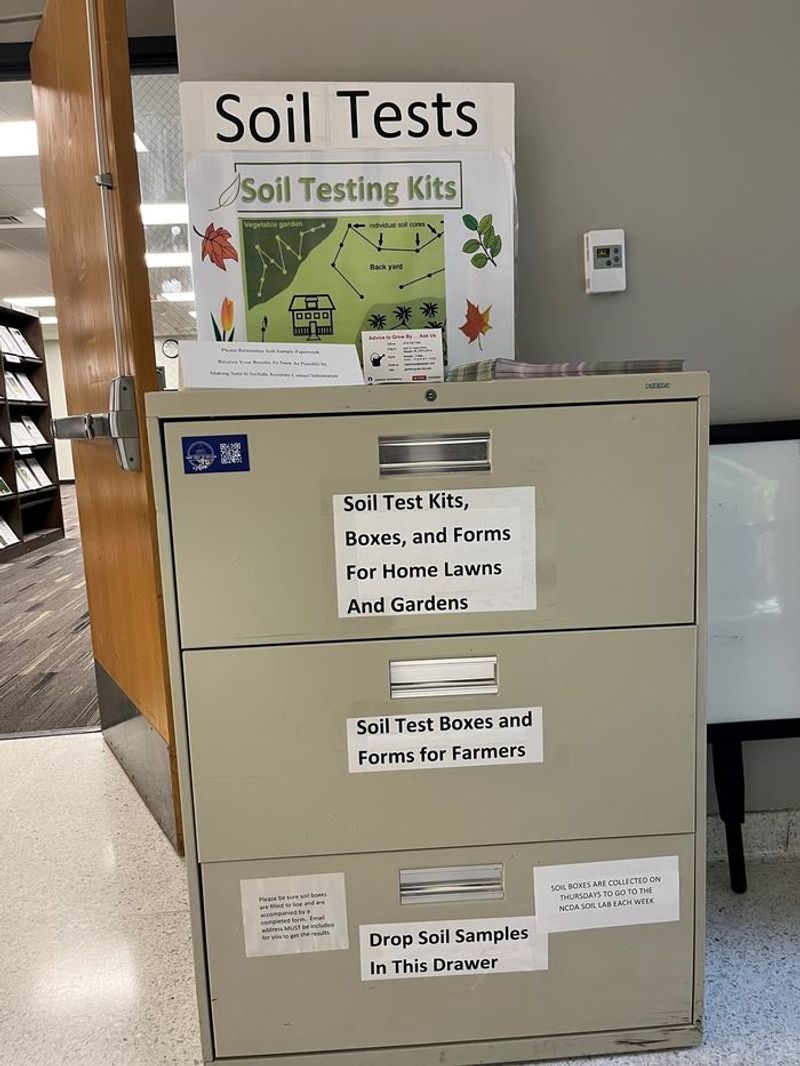
Fun fact: North Carolina is one of the few states where the Department of Agriculture tests home garden soil, and samples sent from April through November have traditionally been free. A small fee kicks in during the busy winter season, so check current rules.
Grab sample boxes from your county Cooperative Extension office. Dig a few spots per bed, mix them in a clean bucket, and mail it off.
The report tells you exactly how much lime your soil may need. Lime works slowly, so applying it this fall gives it months to adjust pH before spring planting.
6. Sow a Cover Crop on Empty Vegetable Beds
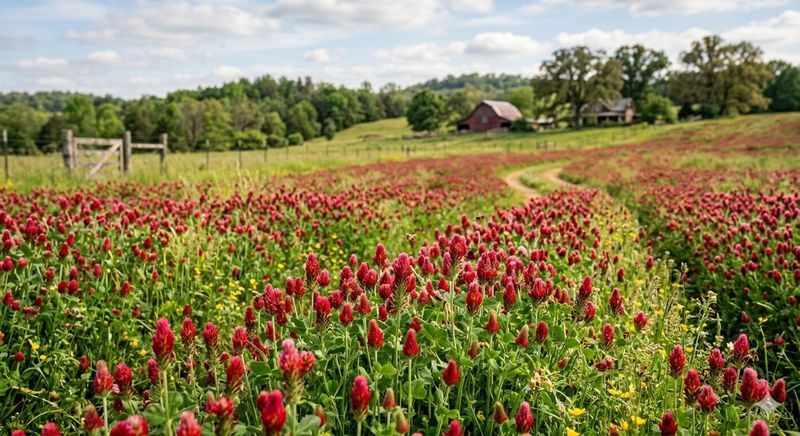
Bare soil in winter is a bit like leaving your front door open. Heavy rain can wash topsoil away and weeds like henbit happily move in.
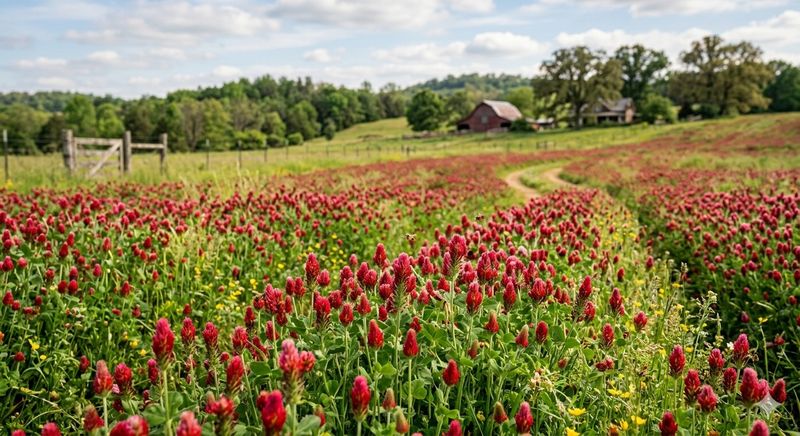
Crimson clover and cereal rye are two favorites here. Clover adds nitrogen and blooms red in spring for early bees, while rye grows roots that hold soil in place.
In the mountains, sow by early November; the Piedmont and coast have a little more leeway.
Cut it down about three weeks before planting next spring and let it break down. Your tomatoes will thank you.
7. Clean, Sharpen, and Store Your Tools
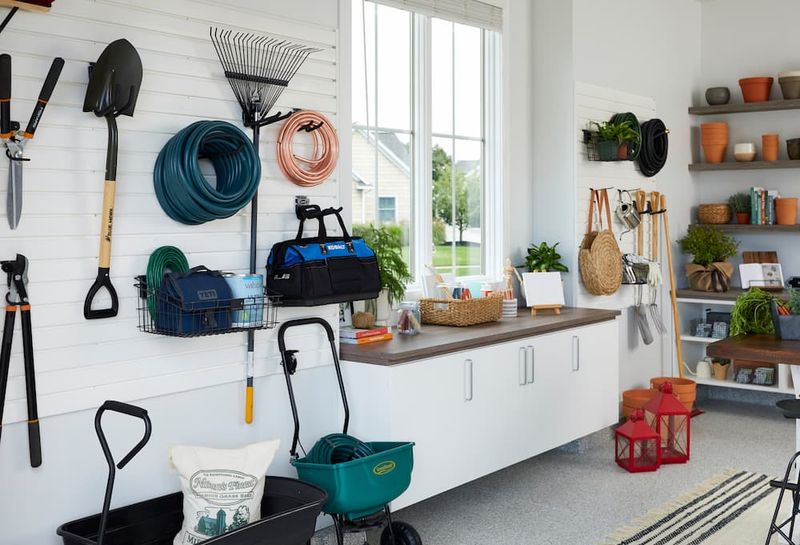
Picture a February morning when you grab your pruners and find a rusted hinge. Nobody wants that.
Scrub dirt off shovels and hoes with a wire brush, then wipe metal with a little oil. Sharpen pruner blades and wipe them with rubbing alcohol, which may help reduce the spread of plant disease next season.
Drain hoses and bring them in before hard freezes, especially in the mountains, where nights in the teens are common. Hang tools off the floor in a dry spot, and they can last for decades.
8. Mulch Tender Perennials and Fig Roots
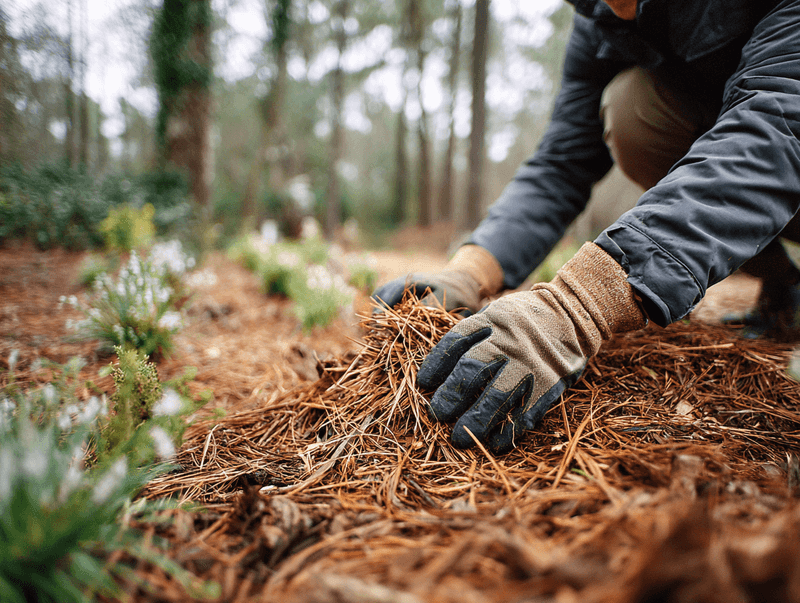
Lantana, salvias, and figs sit right on the edge of hardiness in parts of North Carolina. A cold snap in January can knock them back hard.
After the first light frost, pile four to six inches of pine straw or shredded leaves around their crowns. Insulating the roots can reduce freeze damage, even if the top dies back.
Pine straw is the classic Carolina choice because it stays fluffy and does not smother crowns. Pull some back in early spring once the danger of hard frost passes, roughly mid-April in the Piedmont.
9. Pull Winter Weeds While They Are Tiny
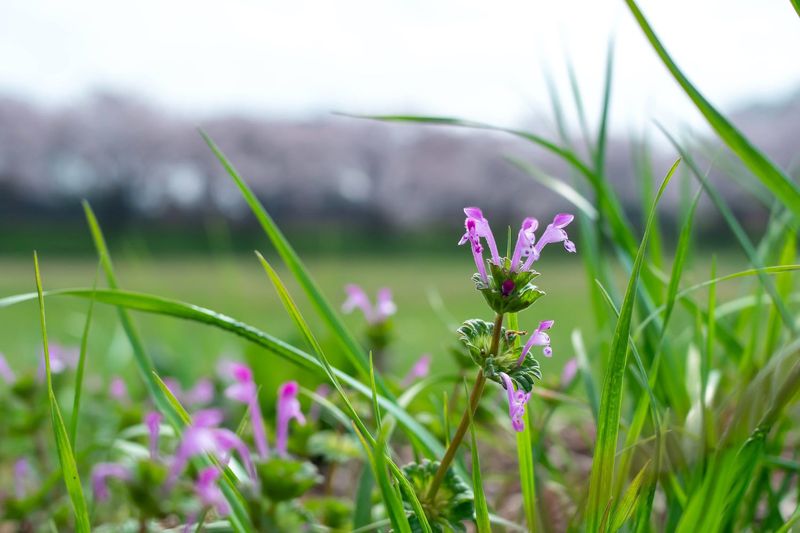
Chickweed, henbit, and hairy bittercress are sneaky. They sprout in fall, sit quietly all winter, then explode with seed by March.
Right now they are small and pop out easily from damp soil. Ten minutes with a hand weeder on a Saturday can save an hour of pulling later.
Follow up with mulch to block new seeds from sprouting. Each weed you pull before it flowers means hundreds fewer seeds waiting in your beds next year.
10. Plant Native Shrubs and Trees
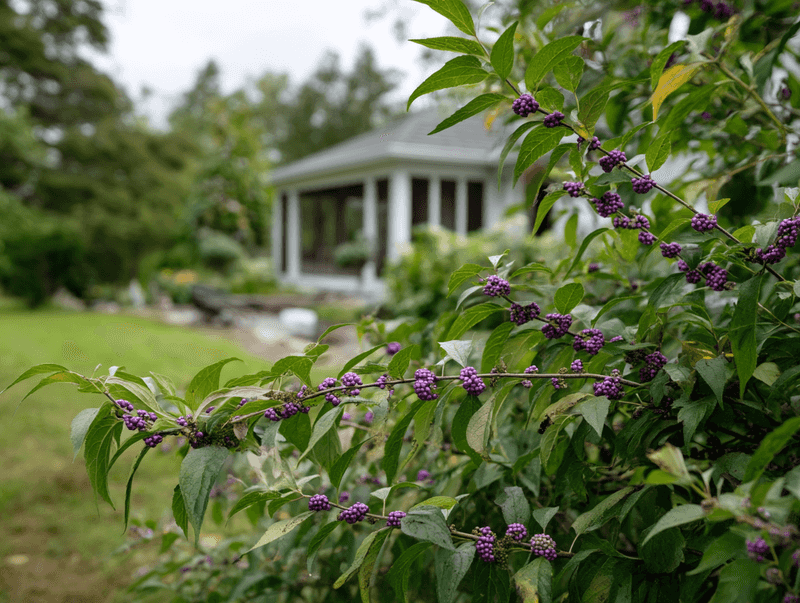
Ask any Extension agent the best time to plant trees in North Carolina, and you will likely hear fall. Roots keep growing in cool soil long after leaves drop, so new plants settle in before summer heat arrives.
Native choices like American beautyberry, inkberry holly, serviceberry, and Virginia sweetspire handle local soils and feed birds and pollinators. They make smart swaps for invasive Bradford pear or Chinese privet.
Dig a wide, shallow hole, water well, and add a mulch ring kept off the trunk. Water weekly during dry spells through winter.
Come spring, you will have a yard that looks good and supports local wildlife.