
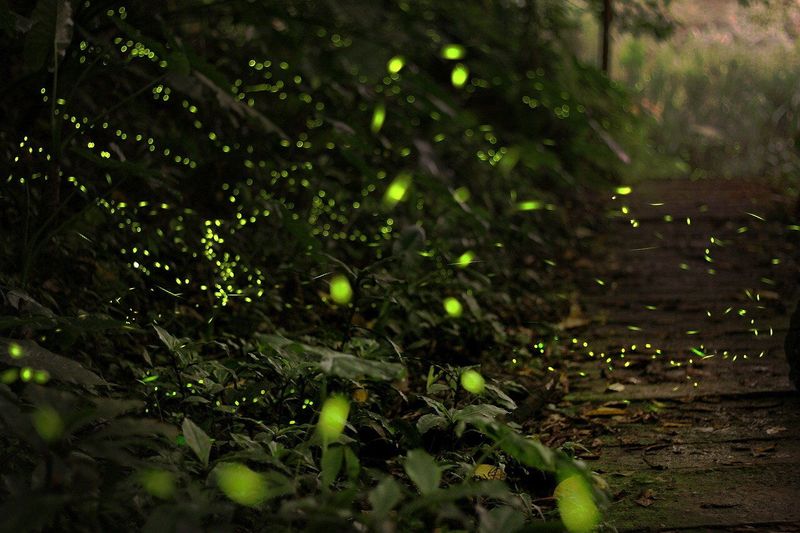
Those glowing summer sparks in Texas yards have a hidden story that starts close to the ground. Fireflies spend most of their lives as larvae, and some of them may shelter in the leaves many of us rake up each fall.
You do not have to give up a neat yard to help. One carefully chosen patch of leaves might make a real difference.
A leaf patch can support habitat, not promise a spring hatch
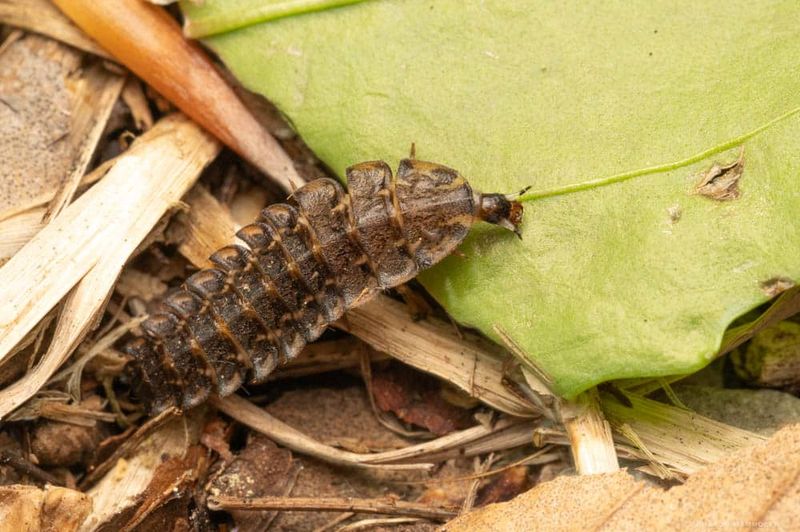
Here is the catch behind a popular idea: fireflies do not hatch from a leaf pile next spring. Firefly eggs typically hatch into larvae within a few weeks of being laid.
The flying, glowing adults you see on warm evenings are a much later life stage, and their timing depends on the species and the place.
So where do leaves come in? Larvae may live in leaf litter, soil, or rotting wood, and a patch of undisturbed leaves can give some of them a place to shelter.
Xerces Society firefly guidelines point out that ground disturbance can harm larvae and egg-laying females, which is one reason leaving a patch alone makes sense.
In Austin, UT Austin’s Biodiversity Center recommends leaving some yard area in untilled leaf litter. That is a sound habitat step, and it is also a modest one.
A leaf patch cannot guarantee fireflies next spring, and it cannot promise a bigger population.
Think of it as opening a door rather than sending an invitation. If you like a tidy yard, good news: you only need one small, well-chosen spot, not a yard full of leaves.
When Austin fireflies appear

Timing is easier to follow once you know what Austin’s own account says. UT Austin’s Biodiversity Center reports that the Eastern firefly spends about two years as a larva underground.
Its adult flights come mainly in April, May, and June, with a smaller emergence in October.
Those details come from one local account of one species. They are not a statewide calendar, so please do not treat them as the schedule for every firefly in Texas.
Your own yard, your own county, and the species living there may run on a different clock.
Life cycles really do vary. A North American extinction-risk assessment notes that southern fireflies may have one-year cycles, while other populations may take longer.
That means a two-year larval stage is true of the Eastern firefly in the UT Austin account, not of all fireflies.
Here is a practical way to use this. Spend a few evenings outside in April and May, and again in October, and jot down what you see.
Your notes will tell you far more about your yard than any general rule can.
Why leaf litter can help larvae
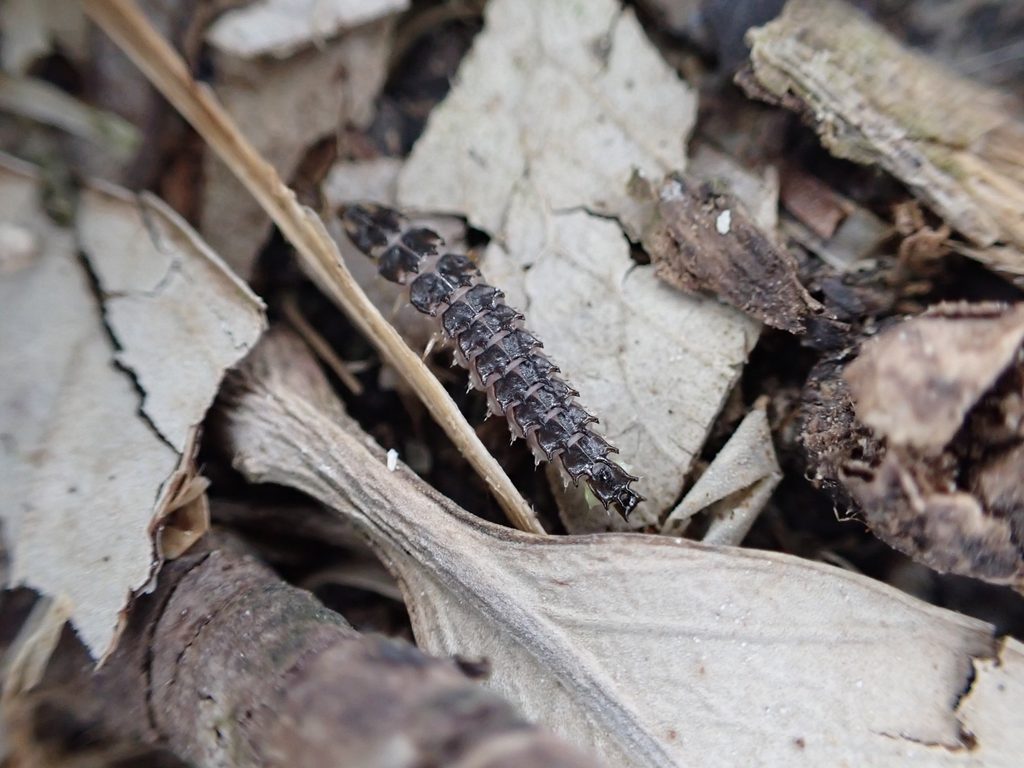
Picture the forest floor in miniature. A layer of leaves gives small creatures shelter and helps the soil underneath hold on to moisture.
That damp, sheltered setting can support the prey that many firefly larvae eat, such as snails, slugs, and earthworms, as described in the Xerces Society guidelines.
Xerces also recommends skipping the rake and leaf blower in habitat patches. Heavy tools and constant tidying can disturb the very layer that larvae and egg-laying females may be using.
Still, leaves are only one possibility. A peer-reviewed review of firefly larvae shows that larvae live in varied places, including soil and rotting wood.
Some species even have aquatic larvae.
That is why no one should say every larva lives in leaves. What you can say is that an undisturbed patch gives some larvae a useful option.
You will not know which ones are there, and that is fine, because the patch helps the whole small community underfoot.
Choose a quiet yard edge for the habitat patch
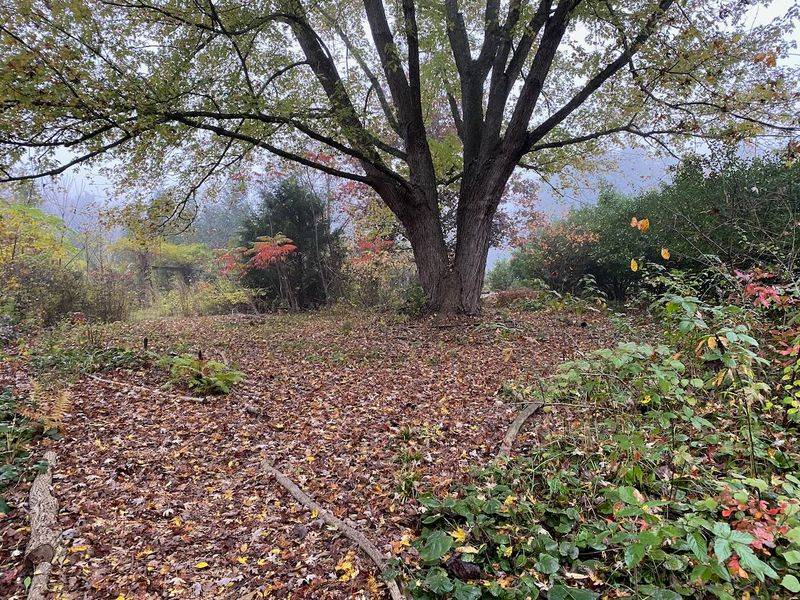
Now for the fun part: picking the spot. UT Austin suggests leaving some yard area in untilled leaf litter, such as a back-fence edge or part of a perennial bed.
These places are out of the way, so the leaves can sit through winter without bothering anyone.
Walk your yard and look for a corner that rarely sees foot traffic, mowers, or dogs. A patch a few feet wide is a fine start.
Mark it with a few stakes or a small border so nobody rakes it by accident.
Once the patch is set, leave it alone. Xerces notes that ground disturbance can harm larvae and egg-laying females, so skip raking, leaf blowing, and tilling there.
Even a quick spring cleanup can undo months of quiet.
The same UT Austin account also recommends low vegetation. Short groundcovers or low perennials around the patch can keep the area feeling natural without turning it into a jungle.
Be realistic about the payoff. These steps create a better setting for fireflies, but they cannot promise adults will return.
What they do offer is a low-effort habitat choice with almost no cost.
Manage leaves outside the habitat patch
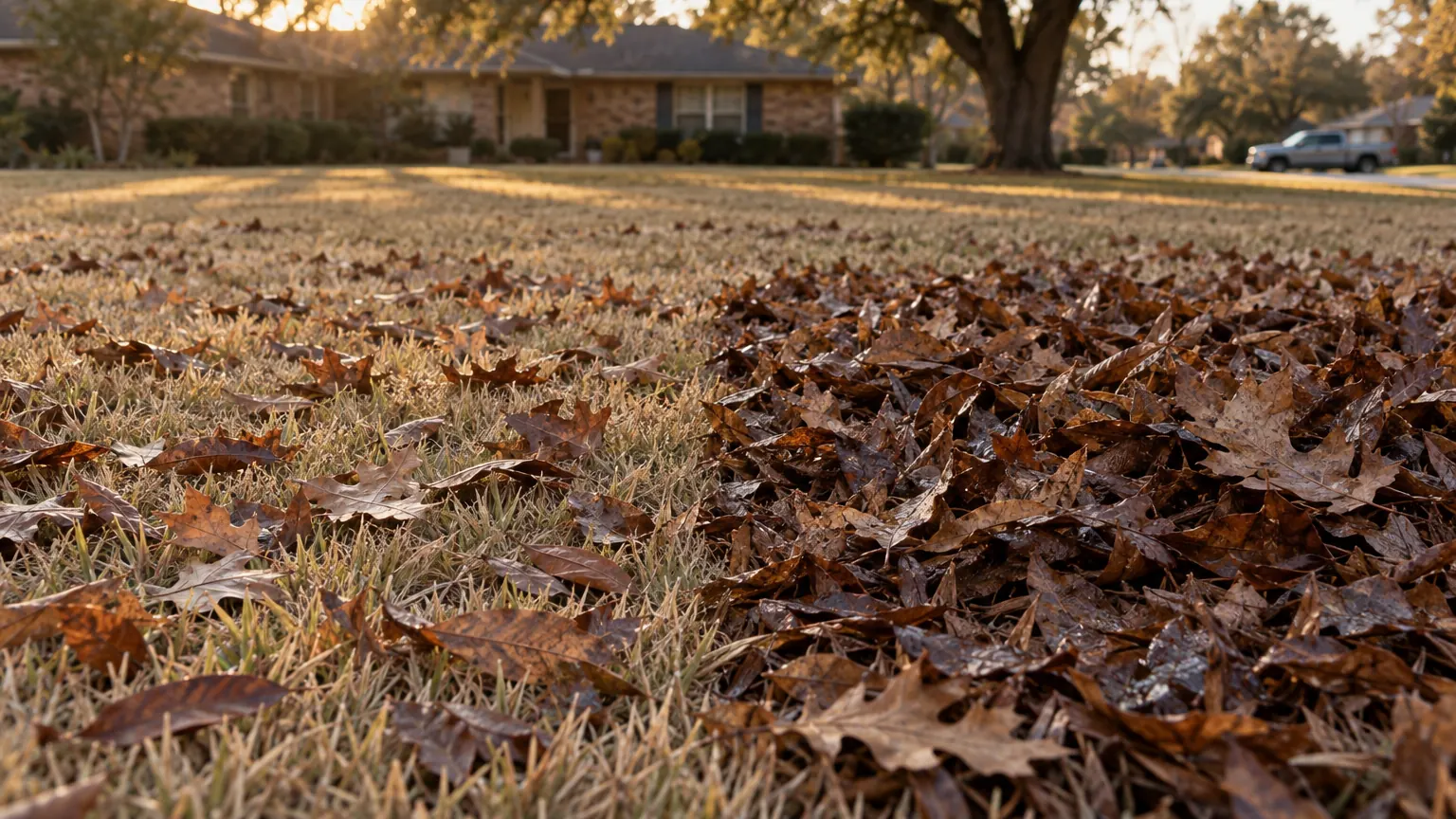
Keeping one patch wild means you can handle every other leaf the practical way. Paths, patios, play areas, and the main lawn still need to stay usable.
Nobody wants to slip on wet leaves by the back door.
Texas A&M AgriLife’s Don’t Bag It leaf management plan offers easy options. A light leaf cover can be mowed and shredded right into the lawn.
Shredded leaves can also work as mulch in garden beds.
This turns fall chores into a small win. Instead of bagging leaves for the curb, you put them to work feeding your lawn and beds.
One rule keeps the plan honest. Do the mowing, shredding, and mulching everywhere except the patch you set aside for fireflies.
That spot stays untouched, so no mulching, no raking, and no moving leaves in or out.
Many gardeners find this split works well. The yard looks cared for, the paths stay clear, and one quiet corner does its own thing through winter.
Keep the first five feet around the home clear
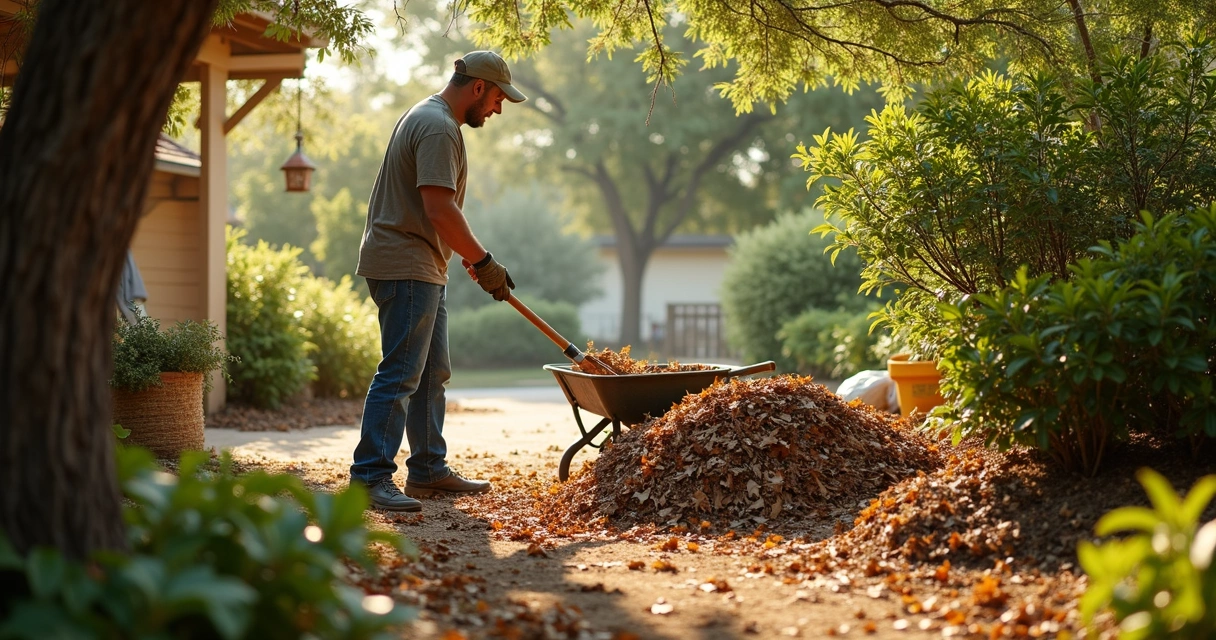
Before you pick your patch, draw a safety line around the house. Texas A&M Forest Service recommends keeping leaves and other combustible debris out of the first five feet around the home.
That includes gutters and beds that touch the house.
The reason is fire safety. Dry leaves can burn, and Texas has real wildfire exposure, so debris right against the walls is a risk worth avoiding.
You can read the details in the Texas A&M Forest Service leaf advice.
That guidance wins over habitat goals. If a bed hugs your foundation, clear its leaves, even if it looks like a perfect spot for fireflies.
The fix is simple: put the habitat patch farther away. A back fence, a far corner, or a side bed well beyond five feet from the house can do the job.
Firefly habitat and a protected home can sit in the same yard.
Support more than one part of firefly habitat
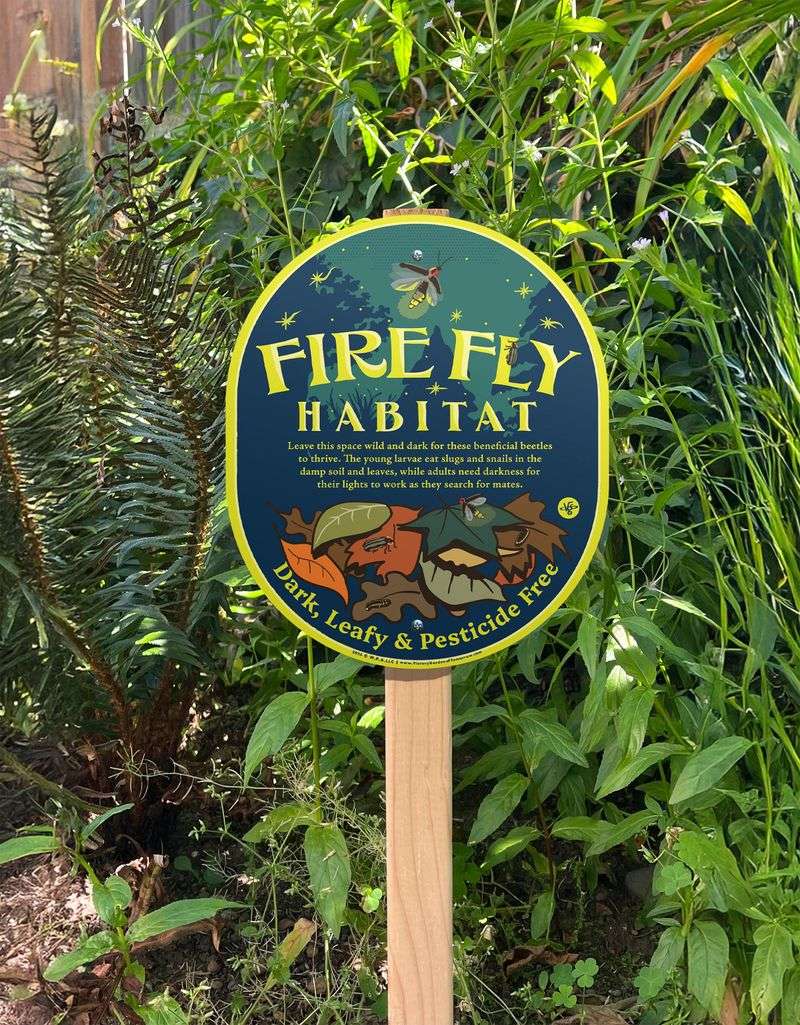
Leaves are a nice start, yet fireflies need more than a blanket of brown. According to the Xerces Society’s firefly help page, they also benefit from suitable moisture, prey, shelter, and, for many species, dark nights.
Missing any of these can limit what a yard offers.
Start with light. Turning off porch and landscape lights you do not need gives night-flying species a darker backdrop for their signals.
Even small changes, like timers or shielded fixtures, can help.
Next, go easy on chemicals. Xerces suggests minimizing pesticide use, and UT Austin also recommends avoiding chemical pesticides.
Larvae eat soft-bodied prey from the soil, so what you spray can matter to them.
Finally, keep disturbance low. The Xerces guidelines warn that digging and tilling can harm larvae and egg-laying females.
Staying off that patch is a habit worth building.
A leaf patch is one useful choice, not a full recipe. Pair it with darkness, fewer chemicals, and calm ground, and you give fireflies a better shot without any promises.
Start with one safe, undisturbed patch
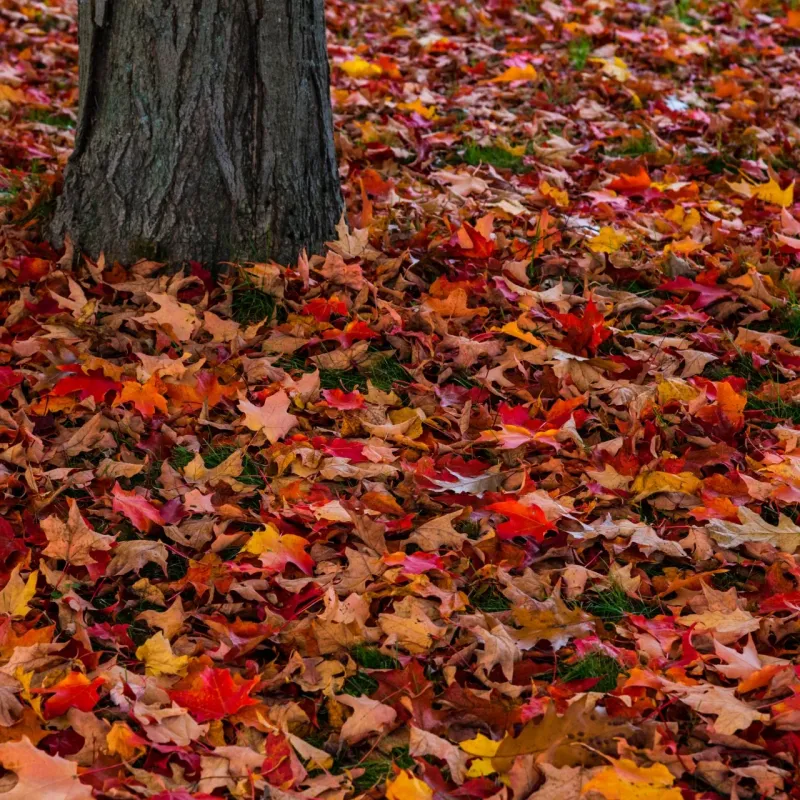
Here is your simple plan. Pick a back-fence edge or part of a bed well outside the home’s five-foot zone, and leave it alone.
Mow, shred, or mulch the rest of your leaves wherever you need a clean look.
UT Austin backs leaving some area in untilled leaf litter, while Texas A&M Forest Service keeps the area right around your house clear. Together they point to one smart, safe patch.
It offers fireflies a chance, not a guarantee.
Some springs you may see a few lights. Others you may not.
Either way, you gave the small lives underfoot a quiet place to be.