
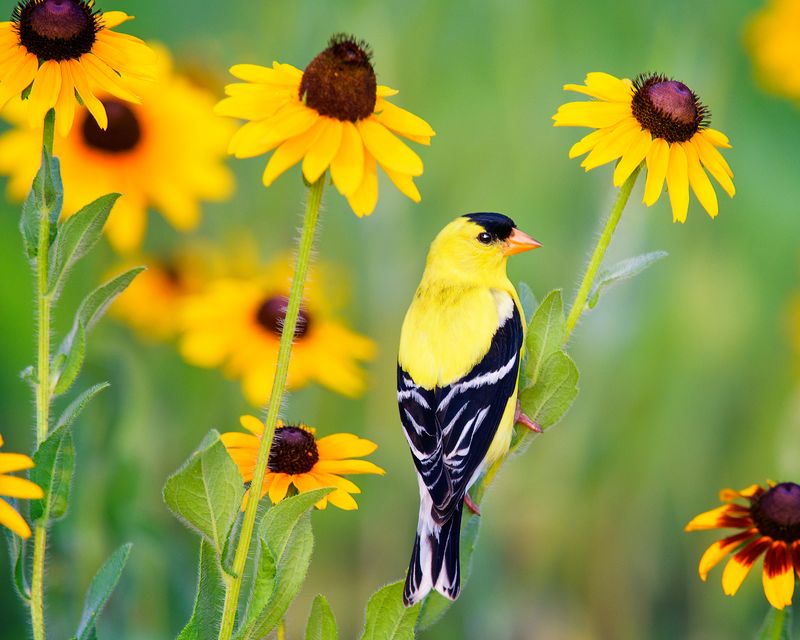
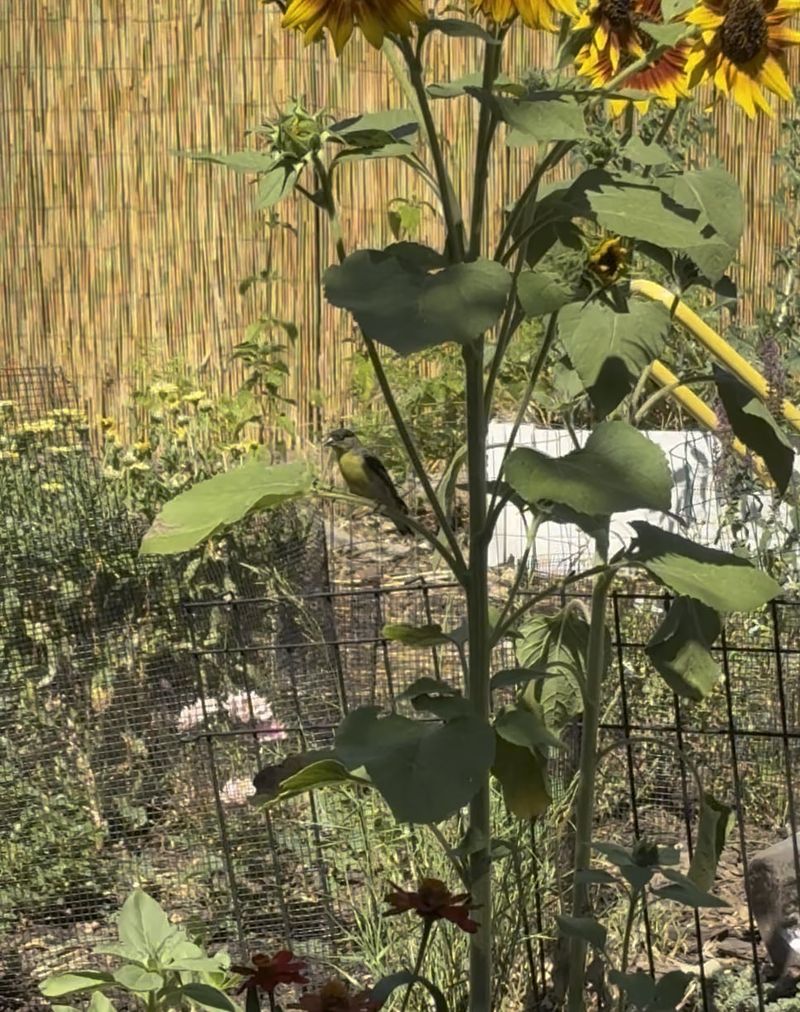
Those brown, droopy sunflower heads in your yard might look messy, but a flock of tiny yellow-green Lesser Goldfinches may see a meal. Leaving a few heads can feed birds through the cooler months.
It will not, however, work as a dependable weed-control plan. Here is how to feed the finches, watch for surprise seedlings, and still keep your yard in good shape.
Goldfinches eat seeds, but that does not make them weed control
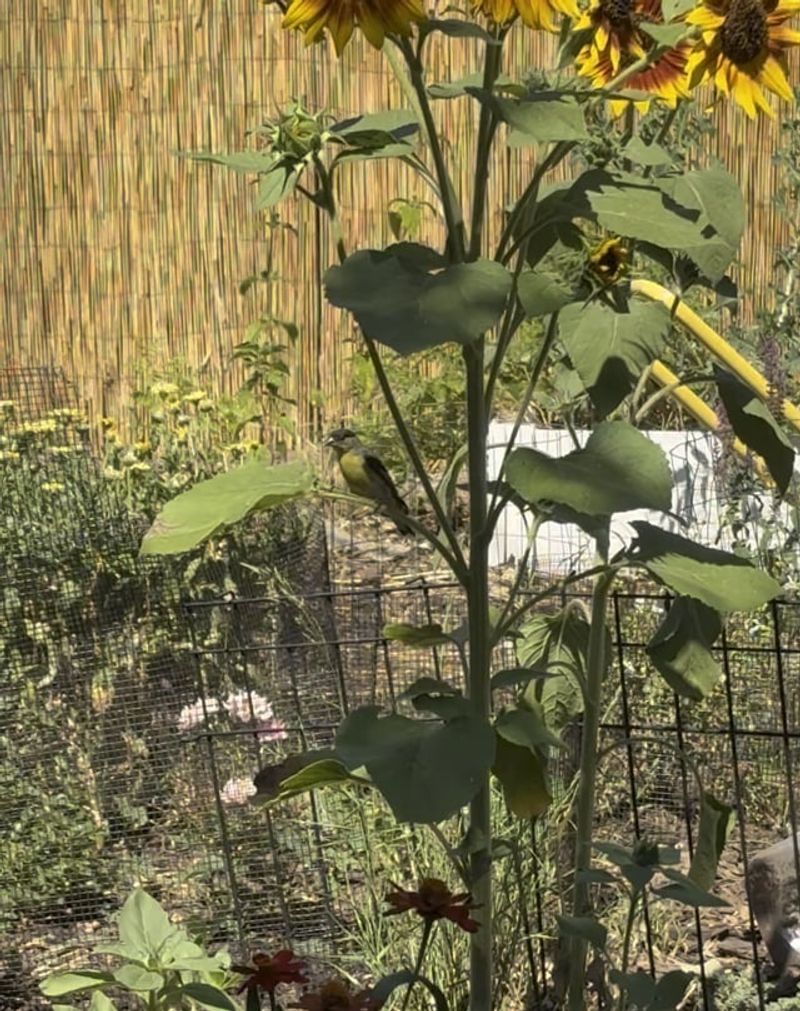
Watch a Lesser Goldfinch for a few minutes and you will see a seed specialist at work. Audubon’s field guide says their diet is mostly seeds, and they favor thistle, wild sunflower, and the seeds of various weeds.
So yes, these birds may eat some weed seeds along the way.
That is where the story needs a correction. Nothing in that research shows that finches remove most of the seeds in a yard, or that they cut down spring weeds in any predictable way.
A bird snacking on one plant tells you very little about what will sprout in your beds after the rains.
Sunflowers do give birds something real to eat. UC IPM notes that mature sunflower disks hold many seeds that attract birds.
A head left standing can be a handy winter feeder that costs you nothing.
So the smart way to think about it is as a bird-feeding choice, not a weed-control method. Leave a few heads because you enjoy the finches and want to give them food.
Then plan to handle any weeds yourself, the way you normally would.
Identify the sunflower before deciding what to remove
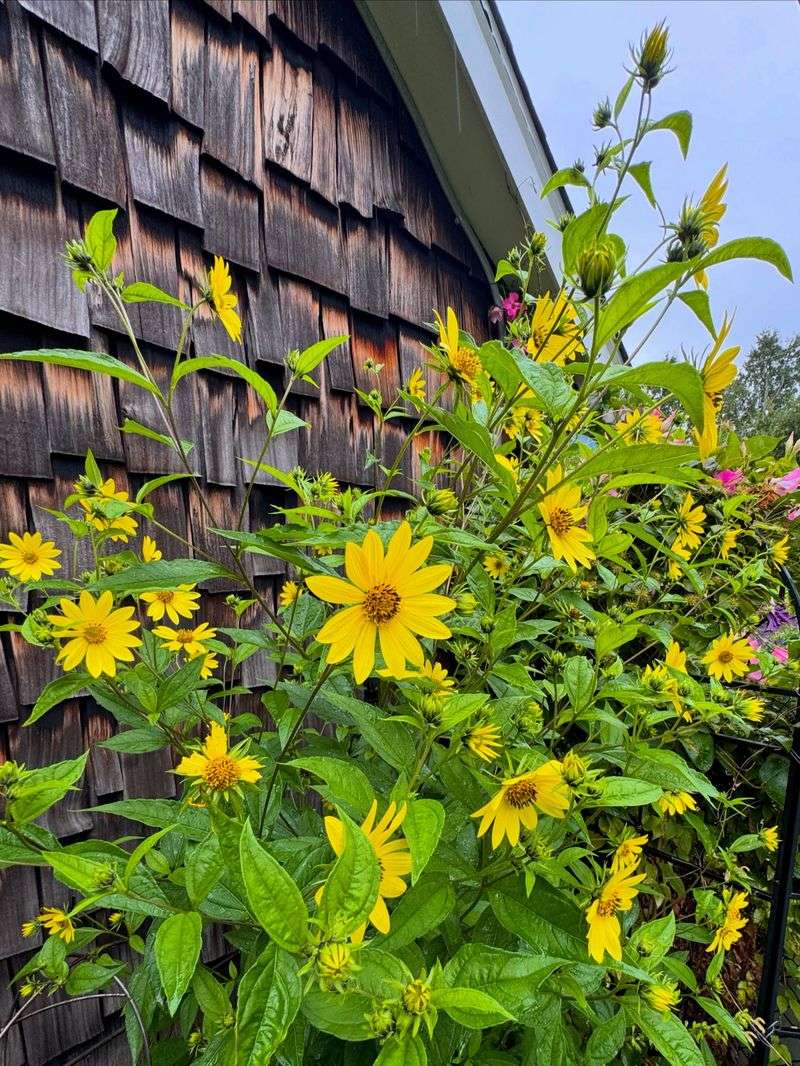
Before you cut or keep anything, figure out what you actually have. The dry head in front of you holds sunflower seeds.
Other weed seeds might be scattered around your yard, but they are not packed inside that head.
“California sunflower” can mean different plants, too. According to UC IPM’s sunflower page, California has 11 Helianthus species.
Some are annuals and some are perennials, and a few are classified as noxious weeds.
That mix means you cannot assume every sunflower is a pest. You also cannot assume every one is a friendly native.
A volunteer that popped up by the driveway could be either.
Look at the leaves, the growth habit, and whether the plant comes back from the roots each year. Take photos and compare them with the UC IPM gallery.
If you are still unsure, your local UC Master Gardener program or county Cooperative Extension office can help you name it.
Once you know the plant, the decision gets easier. Keep it, cut it, or pull it based on what it is and where it is growing.
Leave selected seedheads where they fit your yard
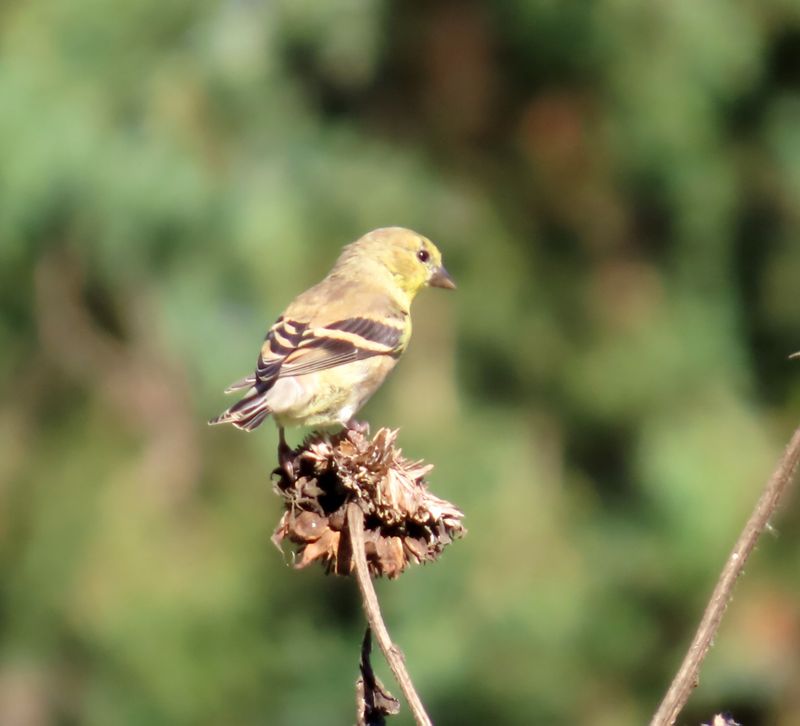
You do not have to pick between a tidy yard and a fed flock. Choose a handful of heads on plants you want, in spots where they will not cause trouble, and leave those standing.
Cut the rest.
UC ANR’s guide for California native gardens suggests letting some annual wildflowers go to seed so birds can eat. That fits well with a few well-placed sunflower heads in a back bed or along a fence.
Good spots are easy to spot. Think of areas away from the house, clear of fire concerns, and out of the way of your planting plans.
Avoid heads that lean over walkways or crowd out plants you care about.
Keep your expectations realistic. Birds may not clean out every seed, and the leftover ones can drop and sprout.
Leaving heads is a way to offer food, not a promise that weeds will stay away.
A simple test helps. If you would be happy to see a sunflower seedling there next spring, the head can stay.
If not, snip it before the seeds scatter.
Check for unwanted seedlings after winter rains
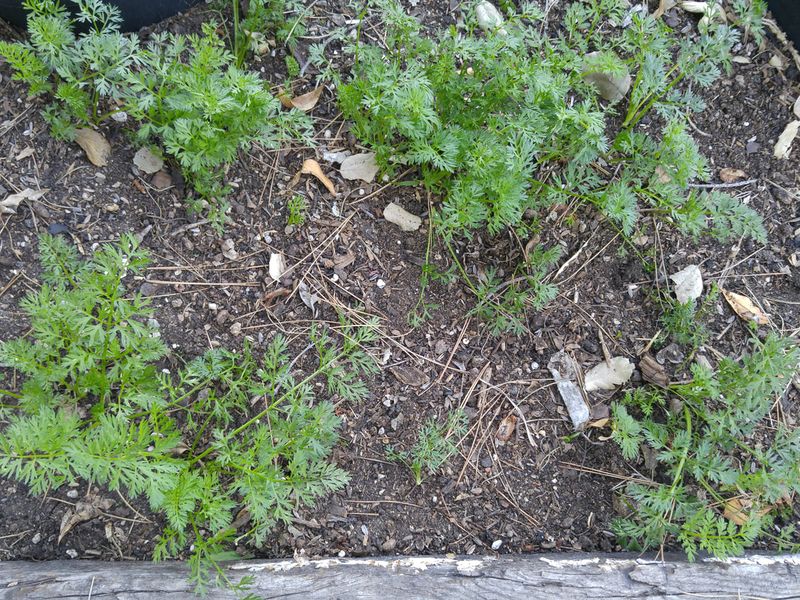
Come late winter, take a slow walk around the spots where you left seedheads. Wet soil and cool weather wake up seeds that birds missed.
A busy finch does not guarantee an empty head.
UC ANR notes that uneaten wildflower seeds may lie dormant through winter rains. In practice, that means some may sprout and some may not.
You will not know until you look.
Look for small, rough-leaved seedlings in clusters under or near last year’s plants. Pull the ones you do not want while they are small, because the roots come out easily when the soil is damp.
A hand trowel helps with stubborn ones.
Not every sunflower seedling is a problem. If one comes up in a spot you like, let it grow and enjoy it.
Just confirm what it is first, using the identification steps from earlier.
Repeat the check every couple of weeks through spring. New volunteers keep appearing, and quick checks keep the job small.
Manage unwanted weeds directly
Finches are welcome guests, but they are not your weed crew. For weeds you do not want, you need your own plan.
UC IPM’s landscape weed guidance points to a few steady habits. Weed frequently, and do not let weeds make seed.
Those two steps can reduce weed numbers over time.
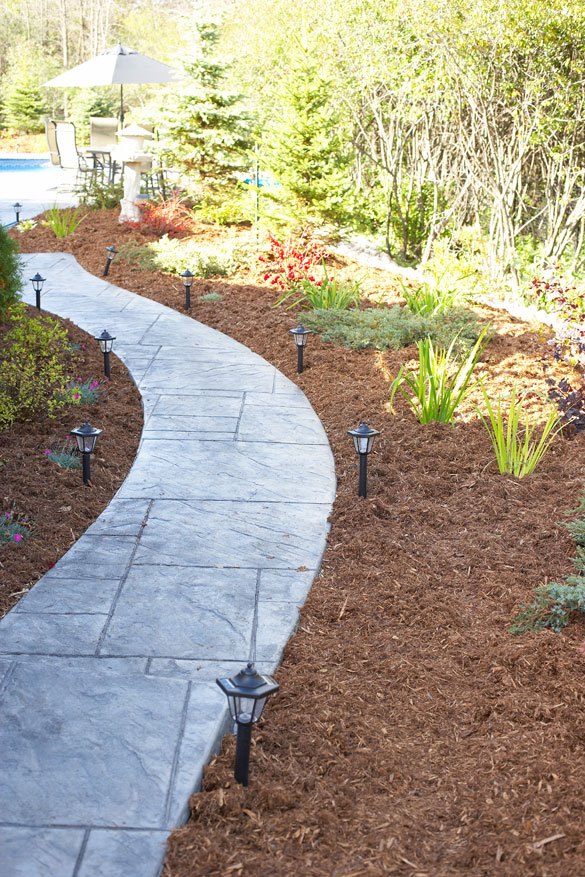
Mulch helps too. A layer of mulch can cut down on annual weeds by blocking light from reaching the soil.
Keep it away from plant stems and refresh it when it thins out.
None of this wipes weeds out for good. Seeds blow in, hide in the soil, and wait for the right weather.
Expect to keep at it, but the work gets lighter once you stay ahead of seed production.
A practical rhythm looks like this: a quick weed walk every week or two in spring, a pass before flowers go to seed, and mulch topped up in fall. Meanwhile, the few sunflower heads you kept can keep feeding birds on their own schedule.
Balance bird food with pesticide and fire-safety needs
Two limits apply to the leave-a-few-heads idea. The first involves spraying.
UC ANR’s native garden advice says not to spray wildflowers or nearby plants if you want healthy, clean seed for birds. Keep pesticides away from anything you are keeping as forage.
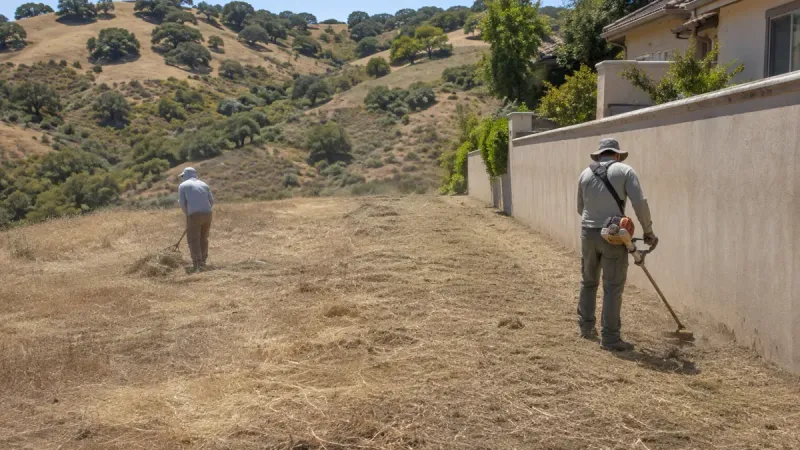
The second limit is fire. Dead stalks burn, and wildlife-friendly cleanup does not override safety.
The UC ANR Fire Network recommends removing dead and dying vegetation in zones around structures.
Rules are not the same for every property. Your location, slope, and local ordinances all matter.
Check CAL FIRE’s defensible space guidance and your city or county fire agency for what applies to you.
In many yards, that means seedheads belong farther from the house, if they belong at all. Close to walls, decks, and fences, cut dead material back.
If your property sits in a fire-prone area, follow the local requirement first and offer bird food elsewhere, such as a feeder.
Keep the heads that safely provide food, and manage the rest
Here is the simple rule. Name the sunflower with help from UC IPM, then keep only the heads that fit your yard and the defensible space needs of your site.
After winter rains, look for volunteers, as UC ANR suggests, and handle weeds with steady weeding and mulch.
The finches are a bonus, not a crew. A few heads and a little watching will do more for them than any promise of free weed control.