
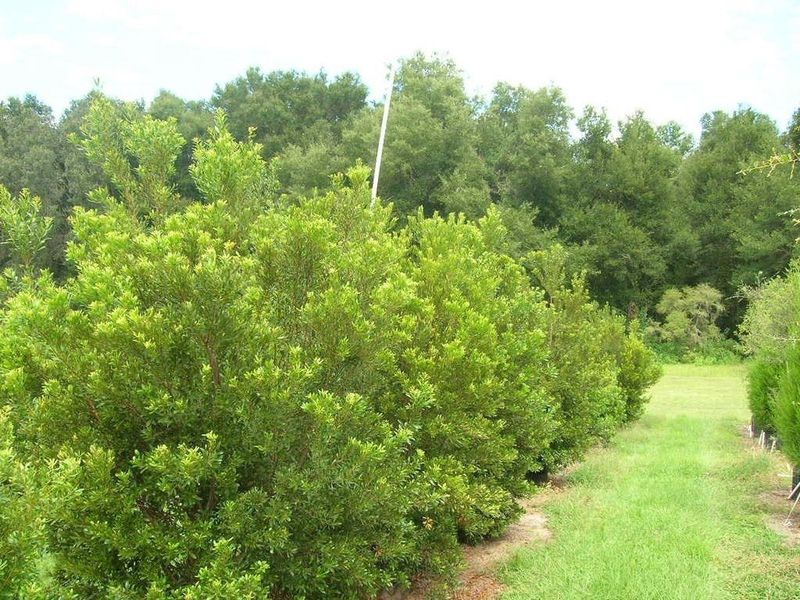
A bare fence can feel like an open invitation to the neighbors, the street, and the afternoon glare. Wax myrtle is an evergreen shrub native to Florida that can turn that fence line into a living screen.
Its gray-blue berries may also draw yellow-rumped warblers during the cooler months. Before you buy a flat of plants, it helps to know how much room they need and what upkeep they bring.
Fast growth helps, but it does not set a privacy deadline
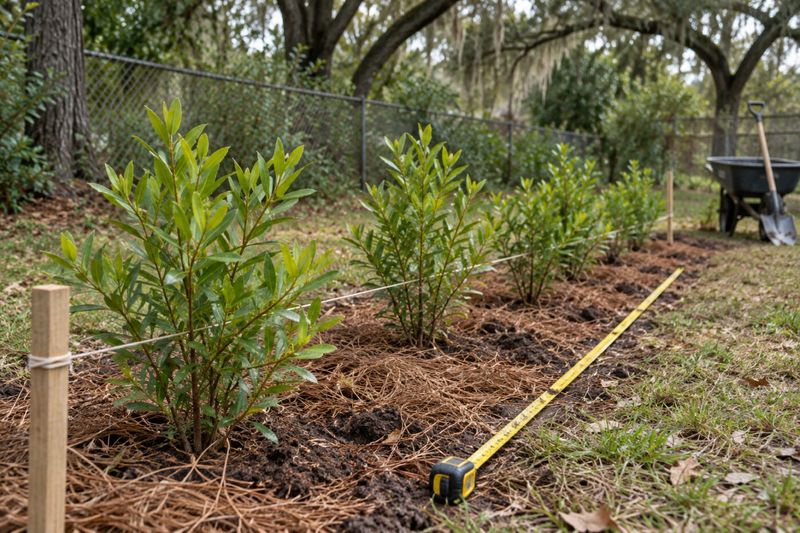
Picture a bare fence line softened by dense, olive-green foliage that stays leafy all year. That is the appeal of wax myrtle (Morella cerifera, also listed as Myrica cerifera), an evergreen shrub native to Florida.
UF/IFAS lists it as fast-growing and suitable for hedges, and the UF/IFAS Florida-Friendly Landscaping plant guide notes it can offer food and cover for wildlife.
Here is the catch. Fast-growing is a general plant category, not a calendar.
The sources reviewed do not give a reliable number of months or years for a hedge to block a particular fence, so nobody can honestly promise privacy by a set date. Your soil, sun, rainfall, plant size at purchase, and spacing all shape the pace.
Think of wax myrtle as a good candidate rather than a sure thing. It can help build a living screen, and the same planting may give birds a place to forage and hide.
Whether it works for you depends on several choices that come before the first shovel of sand.
The next sections walk through those choices: how much room the shrub may want, whether berries are likely, how to water new plants, how to handle spreading, and where fire safety changes the plan. Work through them in order and you will know if this shrub suits your fence.
How much room can the hedge have?
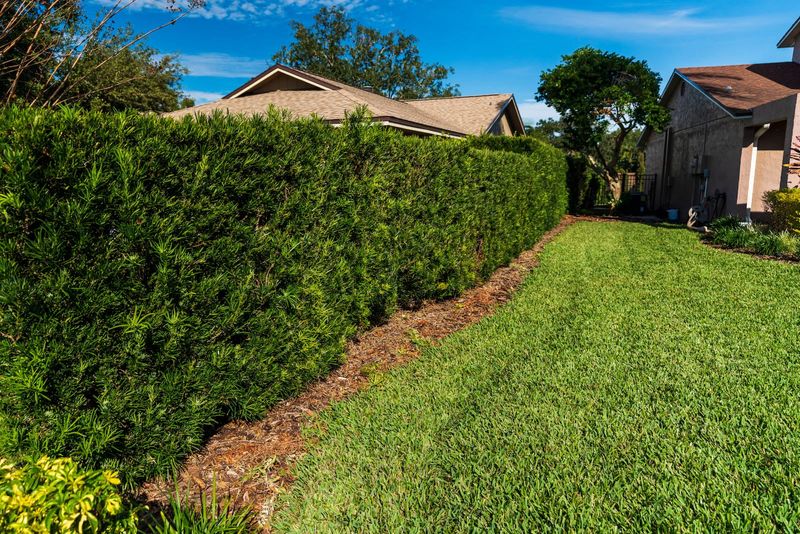
Mature size is where wax myrtle surprises people. The UF/IFAS plant guide lists a wide range of 10 to 40 feet tall and 20 to 25 feet wide.
The Florida Native Plant Society gives a more typical 10 to 15 feet tall and about 8 feet wide, while a UF/IFAS Treasure Coast guide lists 4 to 15 feet tall and 3 to 5 feet wide.
Treat all of those numbers as estimates, not promises. Local conditions, the plant you select, and how you prune will decide what actually grows in your yard.
Measure the strip between your fence and the nearest walkway, pool cage, or neighbor’s property, then plan for the shrub to fill more of it over time rather than less.
Site limits matter too. FNPS reports moderate tolerance of salt spray or salty soil, which can suit some coastal yards.
It does not tolerate saltwater or brackish inundation, so low spots that flood with tidal or storm water are a poor match.
Wind is another limit. The UF/IFAS profile does not rate wax myrtle as strongly wind-resistant, so do not count on it as a hurricane-proof barrier or a dependable windbreak.
Berries can connect the fence line to winter warblers
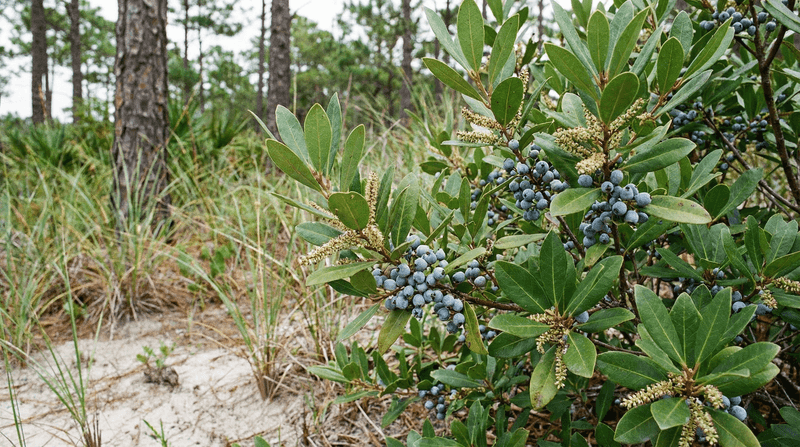
Ask a nursery about plant sex before you buy. Only female wax myrtles produce berries, and the UF/IFAS tree fact sheet indicates fruiting depends on a male plant nearby.
If berries matter to you, confirm both the sex and the pollination needs rather than assuming every shrub will fruit.
Timing helps you plan. FNPS reports that the fruit ripens in late summer to early fall, so berries can be hanging by the time cooler weather arrives.
That is where the warblers come in. The Cornell Lab reports that yellow-rumped warblers eat bayberry and wax-myrtle fruit during migration and winter, and Audubon’s field guide covers the species that spends winters in Florida.
Still, a shrub cannot guarantee a visit. Fruit load varies, bird numbers vary from yard to yard, and berries are not the only thing on the winter menu, since these warblers also eat insects and other foods.
Plant for the chance, and enjoy it as a bonus if a flock shows up.
Water new shrubs directly while they establish
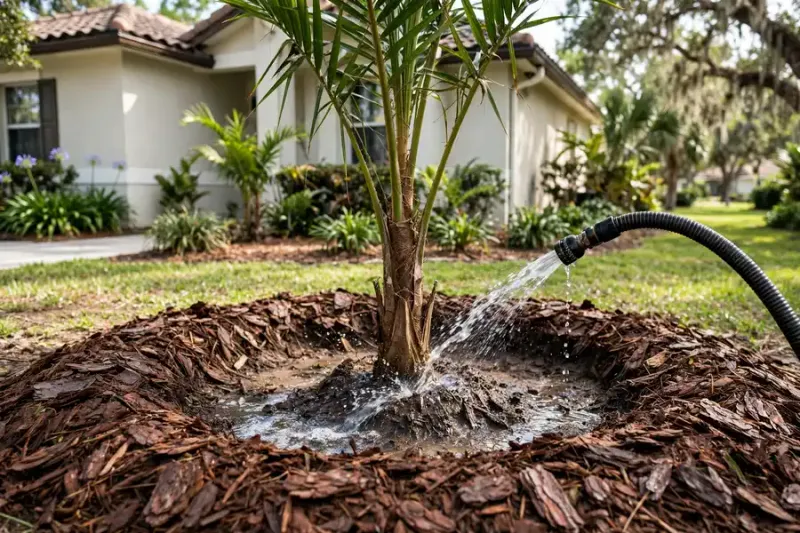
New shrubs in Florida’s sandy soil need steady attention at first. UF/IFAS establishment guidance recommends watering the root ball directly, because that is where the roots actually are before they spread out.
Spraying the surrounding ground alone can miss them.
How often you water should respond to local weather and site conditions. A week of afternoon thunderstorms means less hose time, while a hot, sunny, dry stretch calls for more.
Check the soil near the root ball with your finger rather than following a fixed schedule.
Timing can help, too. Planting near the start of Florida’s rainy season may be practical, since rainfall does part of the work.
It is not the only option, though, because shrubs can be established in any season.
Just know that hot, sunny, dry conditions can slow establishment without regular irrigation. If you plant in spring or winter, plan to water more often and keep an eye on the foliage.
Wax myrtle tolerates a range of soils and moisture, but UF/IFAS rates its drought tolerance as medium, so a young plant on a dry fence line should not be left to fend for itself.
A spreading shrub may need sucker control
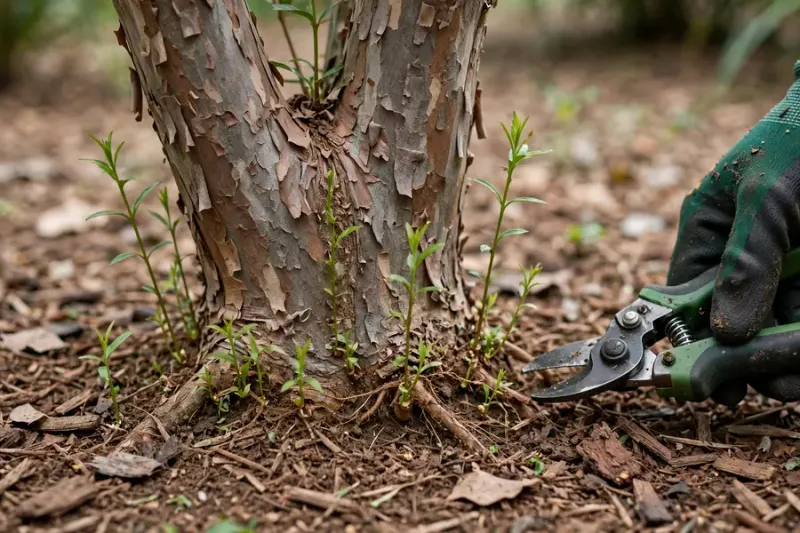
Few shrubs are truly carefree, and wax myrtle is no exception. Birds that eat the berries can drop seeds elsewhere in your yard, so seedlings may pop up in beds and along the fence on the far side of the hedge.
The plant also spreads from below ground. The USDA Forest Service species review describes spread by root sprouts and underground runners, and the UF/IFAS tree fact sheet notes that suckering can produce a thicket.
A thicket has an upside. Dense, layered growth can give birds shelter and fill gaps in a ragged fence line.
If you want a loose, wild screen, a little spreading may be exactly what you are after.
If you want a tidy, clipped hedge, plan on recurring sucker removal. Walk the fence line every few weeks in the growing season, and cut or pull sprouts that pop up beyond the planting strip.
Catching them while they are small is far easier than taking on a tangle later.
A clear edge, such as a mowed lawn strip or a paved path, makes stray sprouts easy to spot.
Keep large groupings away from buildings in fire-prone areas

Native status does not make a plant fire-safe. Both UF/IFAS and Florida’s agriculture department flag wax myrtle as flammable, and that matters most if your home sits near scrub, pine flatwoods, or other wildfire-prone land.
The UF/IFAS plant guide advises keeping it at least 30 feet from buildings in wildfire-prone areas. Separately, FDACS defensible-space guidance advises against large groupings near homes and attached structures such as decks, porches, and eaves.
So do not assume a fence line is automatically a safe spot. A fence that runs close to the house, or that connects to a deck or screened porch, may put the hedge too near the structure.
Measure the distance from the planting to the nearest wall or attached feature before you commit.
If you live in a wildfire-prone area, follow your local defensible-space guidance, and consider asking your county extension office or local fire authority about your property. If your fence sits far from the house, a smaller planting may work.
If it hugs the building, another screen choice may be wiser.
Choose wax myrtle when the site fits the shrub
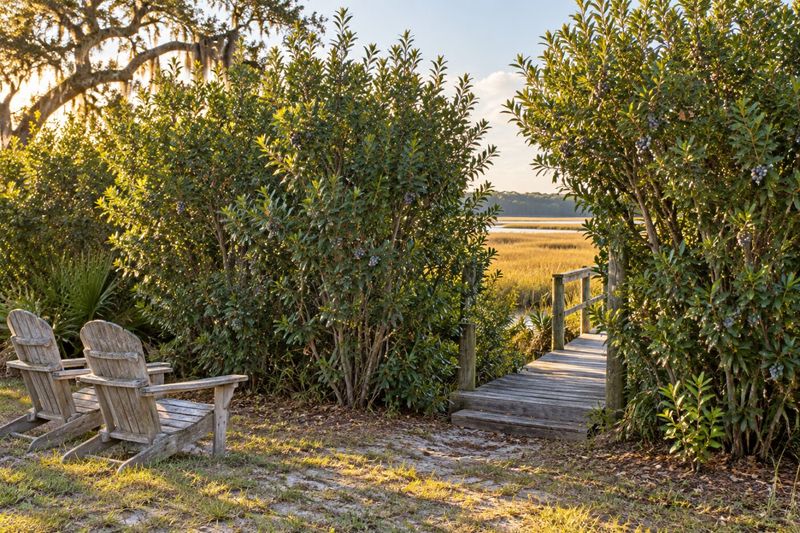
Run through a quick checklist before you buy. Is a living screen your goal, and can you wait for it?
Do you have room for the larger sizes UF/IFAS lists? Do you want berries, and will the nursery confirm male and female plants?
Will you manage suckers, and does your fence sit clear of the defensible-space limits for your area?
If the answers line up, wax myrtle can serve both screening and wildlife goals, though it guarantees neither a deadline nor a visit from winter warblers. Some plants earn their spot by fitting the yard, and a good fit is worth more than a fast promise.