
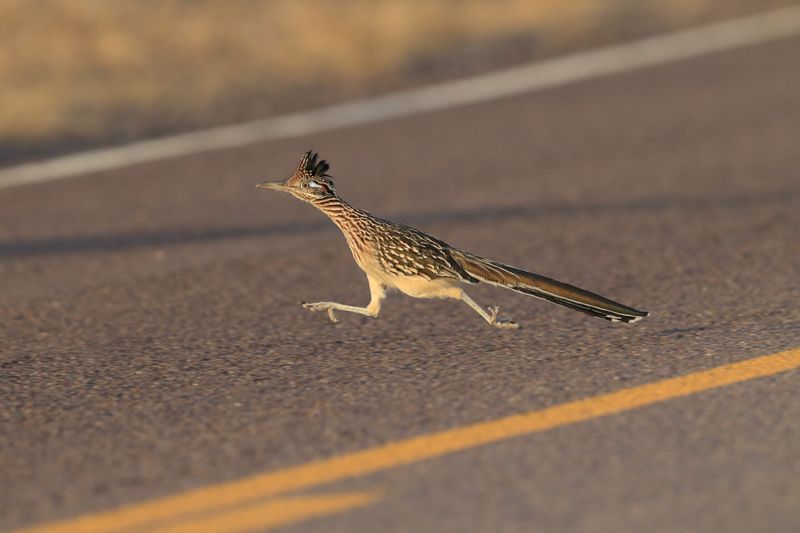
A roadrunner sprinting across your Central Texas yard is a treat to watch, and it is easy to hope the bird is also cleaning up scorpions. Roadrunners do eat scorpions, but that does not mean one winter visitor will change how many show up next spring.
Here is what is known about the bird, how to make room for wildlife, and which steps actually help keep scorpions out of your house.
A roadrunner is not a spring scorpion forecast
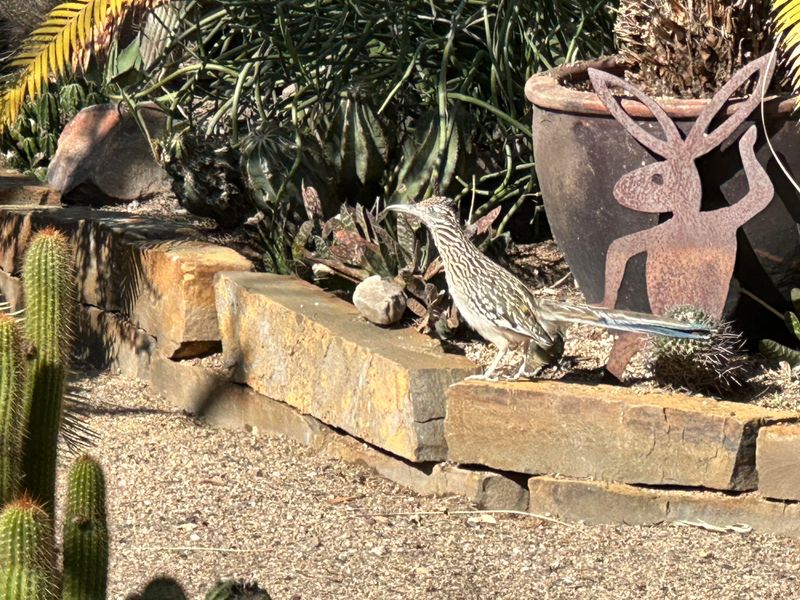
Spotting a Greater Roadrunner in your yard in January feels like a small win. The bird is a fun neighbor, and it is tempting to hope it is working as a free scorpion patrol.
That promise goes further than the facts do.
Roadrunners live in Texas all year, and the Texas Breeding Bird Atlas counts them as year-round residents statewide. Scorpions do show up in their documented diet, as Cornell’s life history account lists.
But the sources reviewed do not show that a winter roadrunner means fewer scorpions this spring.
Eating a scorpion now and then is different from controlling a scorpion population. A bird passing through your yard is a pleasure to watch, but it is not a pest plan.
The good news is that you can do two useful things at once. You can set up part of your yard so wildlife has a place to forage and shelter, and you can take direct, proven steps to protect your home.
The rest of this article walks through both.
Scorpions are one item on a varied menu
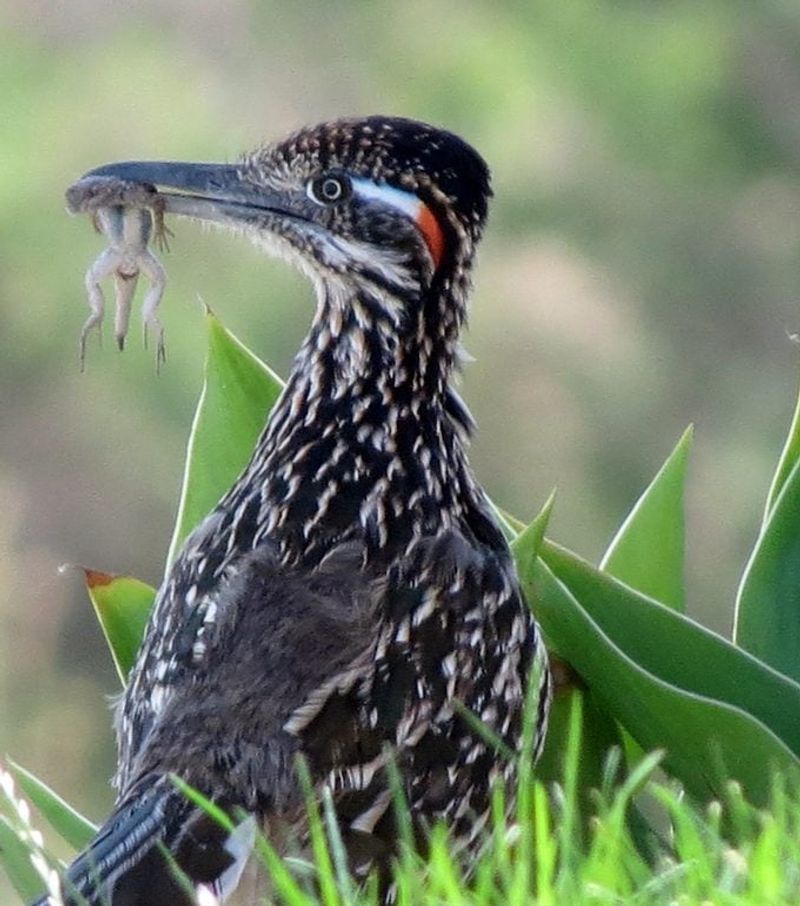
Picture the roadrunner’s dinner table as a buffet. Cornell’s account lists scorpions right next to insects, reptiles, small mammals, and other prey.
Scorpions are on the menu, but they are one choice among many.
Texas Parks and Wildlife also mentions scorpions in its description of roadrunners. A TPWD account says young roadrunners may be fed scorpions, lizards, snakes, and insects.
That tells us the birds will eat them, which is a fun fact for any backyard watcher.
What neither source tells us is how often adult birds eat scorpions. They also do not say whether that eating changes how many scorpions live around a neighborhood.
Without those numbers, there is no basis for calling a roadrunner dependable control.
Think of a bird that eats whatever it finds hungry on a given morning. It might grab a lizard, a grasshopper, or a scorpion, depending on what crosses its path.
Your yard’s scorpion count depends on shelter, moisture, and entry points at your house far more than on one hunter’s schedule.
Open ground and sturdy cover can make a yard usable
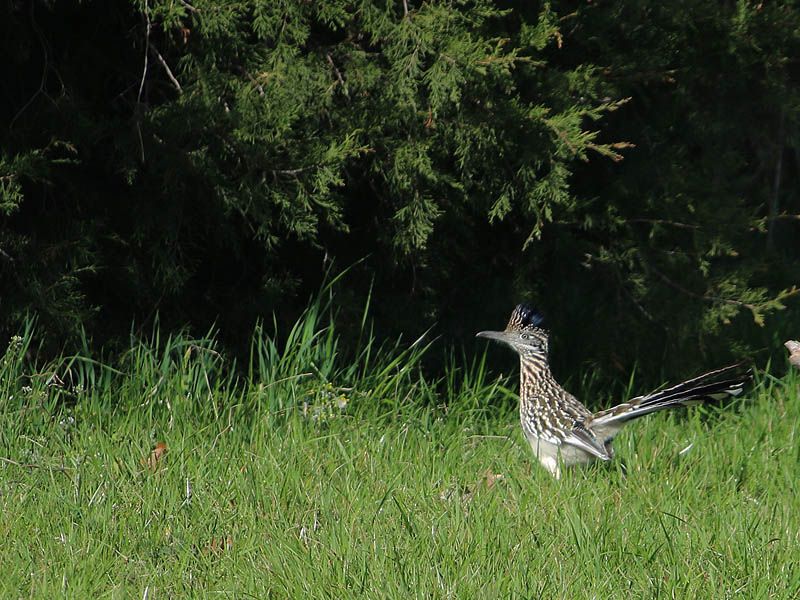
Roadrunners like a mix of space to run and places to hide. The Texas Breeding Bird Atlas describes open feeding areas paired with sturdy vegetation for cover, nesting, and roosting.
It lists some urban and suburban yards among the places they use.
TPWD likewise describes thorny shrubs and open ground in Texas roadrunner habitat. So a yard with bare or sparse ground, plus tough, dense shrubs along a back or side edge, fits the general picture.
A fitting yard is not a guarantee, though. Roadrunners need substantial room for territories, and the atlas says they are locally uncommon to common in many areas and less frequent in forested eastern and northeastern Texas.
A small lot or a single plant choice will not promise a visit, and a bird that shows up one winter may move on.
If one does appear, enjoy it from a distance. Wild birds native to Texas, along with their nests and young, are protected, and TPWD’s protected species page explains that harming, killing, or possessing them is not allowed.
Do not try to catch, handle, or feed a roadrunner, and keep clear of any nest.
A pair of binoculars at a window is the best tool you can own for this.
Separate wildlife cover from the house perimeter
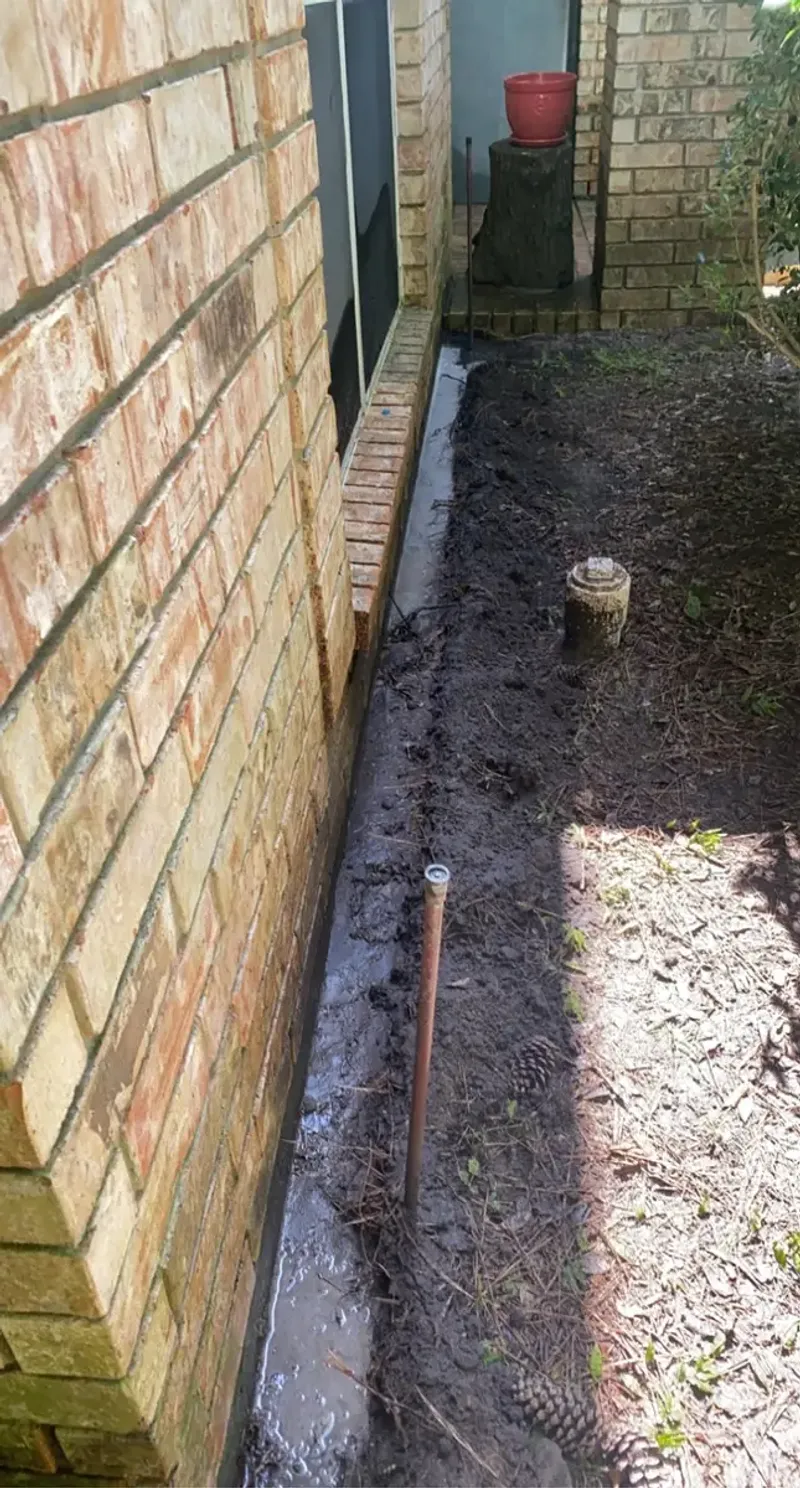
Here is the catch with wildlife cover. Brush, wood, stones, and debris can shelter birds and other animals, yet the same materials give scorpions places to hide.
Texas A&M AgriLife Extension lists rocks, bark, wood, and similar objects as scorpion hiding spots.
The fix is distance. Keep a wildlife area, such as a patch of sturdy native shrubs, toward the back or edge of your property.
Keep the ground right around your house plain and tidy, and do not stack brush, wood, or stones beside the walls in hopes of controlling scorpions.
Texas A&M’s school IPM plan for bark scorpions also recommends reducing hiding places near buildings. That advice fits a home as well as a school.
A simple test is to walk your foundation. If you see leaf piles, loose lumber, flat stones, or old pots within a few feet of the wall, those are the spots to clear first.
You do not have to choose between welcoming wildlife and protecting your home. A buffer zone lets you do both, with the bird-friendly cover out where it belongs.
Seal entry points and work carefully outdoors
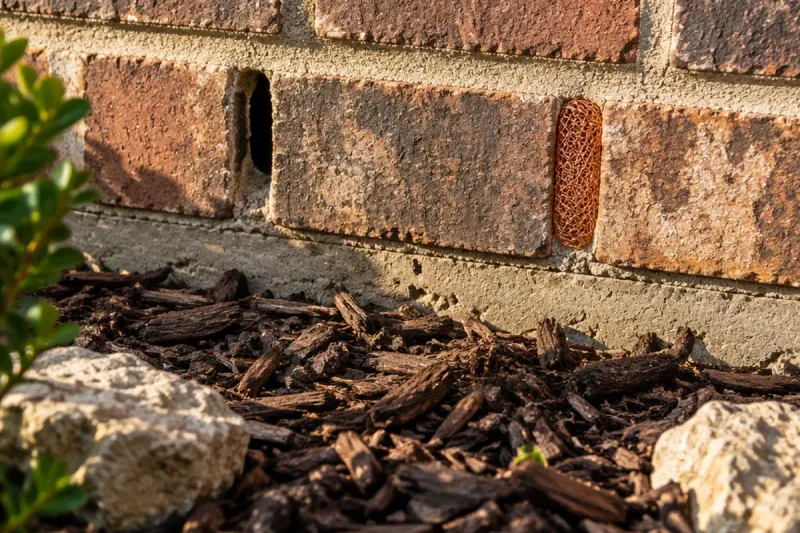
Keeping scorpions out starts with the doors, windows, and walls. Texas A&M AgriLife recommends sealing cracks and pipe penetrations, keeping door weather-stripping in good shape, and maintaining window screens.
It also advises moving debris and firewood away from the house.
Try a flashlight walk around the outside at dusk. Look for gaps under doors, loose weather-stripping, torn screens, and openings where pipes or wires enter the wall.
Fix what you find, and stack firewood on a rack well away from the walls.
Outdoor chores call for care too. Scorpions are nocturnal and can hide under rocks, bark, and wood, as the AgriLife scorpion guide notes.
Wear leather gloves when you work, and never reach blindly under objects. Lift them with a tool or shovel first.
These steps lower your risk but cannot promise a scorpion-free home. Pesticides should not be your only tool either, since the school IPM guidance cautions against relying on them alone.
If someone is stung, reactions vary. Most Texas scorpion stings cause moderate reactions, but allergic reactions are possible, so watch the person closely and get medical care right away for trouble breathing or hives.
Welcome the bird; rely on prevention for scorpions
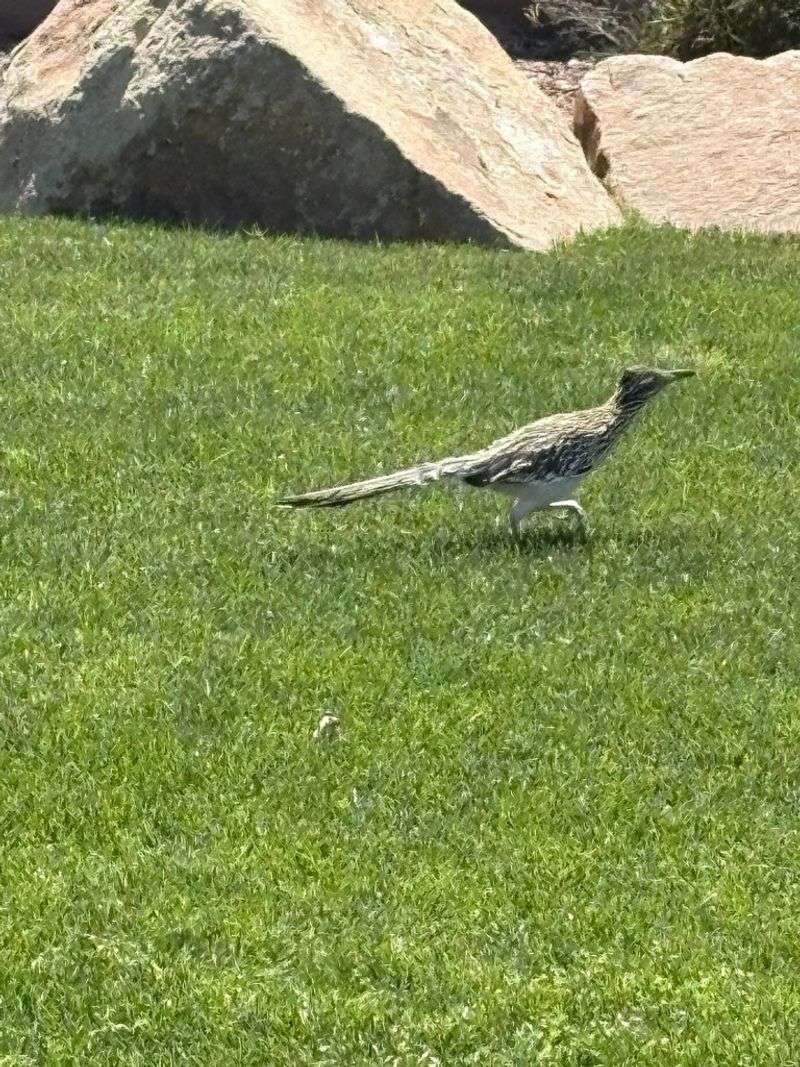
Give wildlife a corner of the yard with open ground and sturdy cover where practical, and keep that cover well away from your walls. Then do the real scorpion work: seal gaps, tidy the foundation, and move firewood out.
Texas A&M AgriLife’s guidance backs those steps.
A roadrunner may eat a scorpion, but its visit does not tell you fewer will appear in spring. The Texas Breeding Bird Atlas shows these birds are around all year, yet it describes no pest-control job.
So enjoy the show, and keep your sealant handy. The bird is a guest worth cheering for, not a guard.