
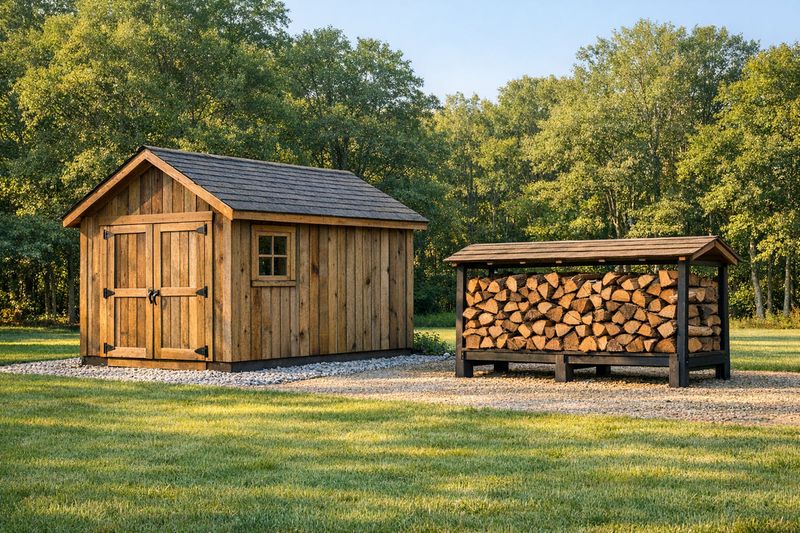
Stacked firewood near the back door feels like a normal part of a North Carolina winter. Many families wonder if a copperhead could be tucked inside.
The real answer is more careful than the rumors, and it comes with simple steps you can take this weekend. Here is what wildlife experts say, and how to stack and handle wood with good sense.
North Carolina guidance names sheltered winter sites, not one yard-wide spot
No source points to one predictable spot in a yard where copperheads sleep through winter. The idea of a single hideout near your house is simply too definite.
Snakes use many kinds of places, and no one can say where one might be at a particular home.
What the state does describe is more general. According to the N.C.
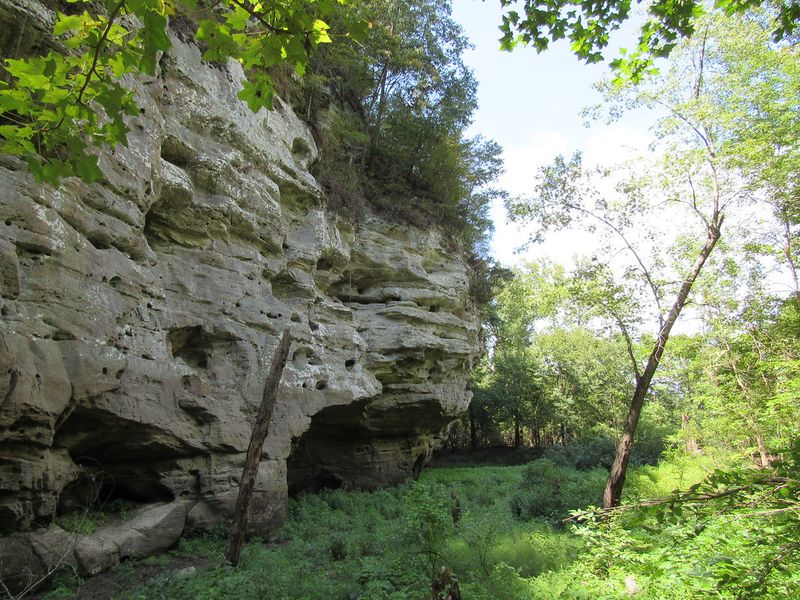
Wildlife Resources Commission copperhead profile, copperheads overwinter in sheltered places such as stump holes and rock fissures below the frost line. Below the frost line means deep enough that the ground does not freeze solid.
That depth keeps a snake safer from the coldest weather.
The same profile describes the places copperheads like to live during the rest of the year. Woodland edges, rocky south-facing slopes and ivy thickets are favorites.
Old sawdust piles, slab piles, trash dumps and run-down buildings are also places where they may be found.
Notice what is missing from the winter description. An ordinary stack of firewood is not named as a typical winter den.
That does not mean a woodpile is never visited by a snake. It means the stack should not be treated as the known home of a sleeping copperhead.
So the headline-style rumor has two problems. It names a spot that nobody can predict, and it assumes that spot is next to your door.
A better way to think about it is cover. Wood, rock and brush can give a snake a place to hide, and a little planning around those things makes sense for any family.
A woodpile can offer cover without being a winter den
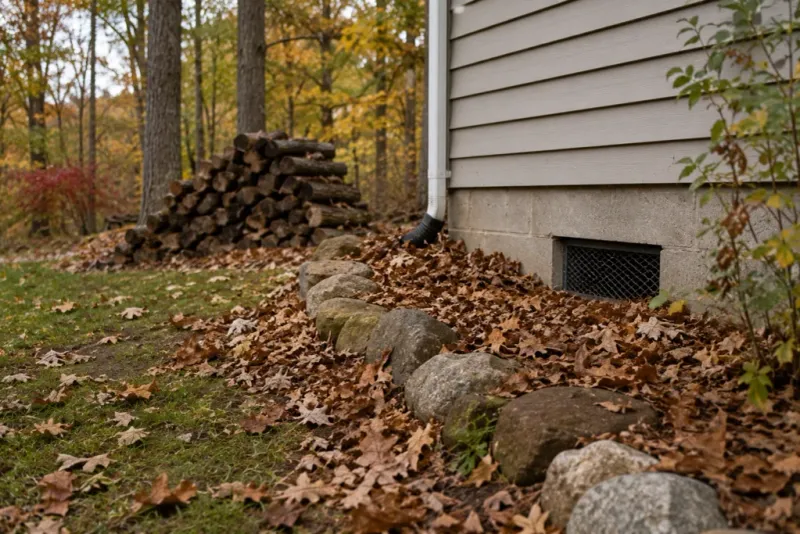
Cover and a winter den are two different things. Cover is any spot that gives an animal shade, hiding room or protection from weather.
A den, in the winter sense, is a place where a snake spends the coldest months below the frost line.
A woodpile fits the first idea well. NC State Extension notes that stacked firewood can provide shelter for reptiles.
Gaps between logs stay shaded, and a pile that sits on bare ground can hold moisture and attract small prey.
Now compare that to what wildlife biologists say about copperhead habitat. The N.C.
Wildlife Resources Commission lists places such as sawdust piles, slab piles and old buildings where copperheads may be found. Those are general habitat notes.
They are separate from its winter description of stump holes and rock fissures below the frost line.
That gap matters. Saying a snake could hide in a stack is fair.
Saying copperheads choose firewood stacks to hibernate goes further than the guidance does.
For you, the takeaway is practical. Treat any pile of wood, near the house or far from it, as a spot where a snake could be resting.
You do not need to panic, and you do not need to guess where one is. You just need habits that keep your hands and feet out of dark gaps.
Cool weather does not prove a snake is gone
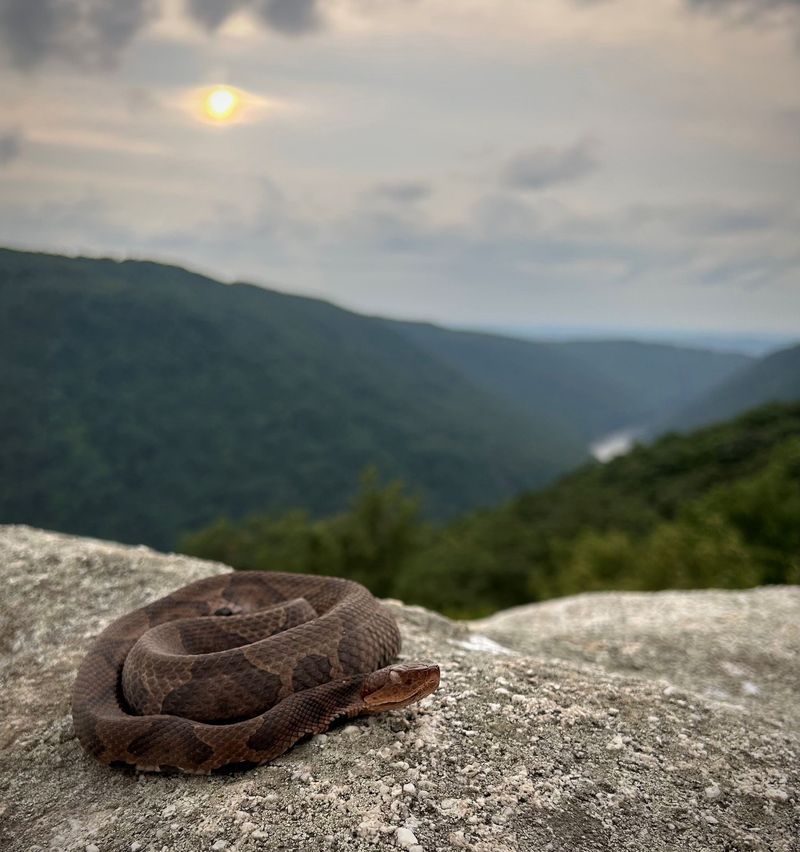
A cold snap makes it tempting to relax. Surely every snake has settled in by now.
The guidance does not give a date when all copperheads become inactive across the mountains, Piedmont and coastal plain, and it would be risky to guess one.
Snakes are on the move during certain times of year. NC State Extension explains that people often see them in spring or fall, as they travel to and from their hibernation areas.
A fall day with a warm afternoon can easily fit that pattern.
Temperature also changes how fast a snake can act. NC Wildlife cautions that a snake on a cool day may need more time and warmth before it can retreat.
In other words, a slow snake is not a gone snake, and it may still be right where you are about to put your hand.
Here is a simple example. You grab a few logs on a sunny 55 degree afternoon after a frosty night.
The wood on top feels cold, so you assume nothing could be living in the stack. That assumption is the habit to drop.
Instead, treat every trip to the woodpile the same way, no matter the weather. Look first, lift logs from the top andside you can see, and keep your face and feet back from the gaps.
Store firewood away from the house and off the ground
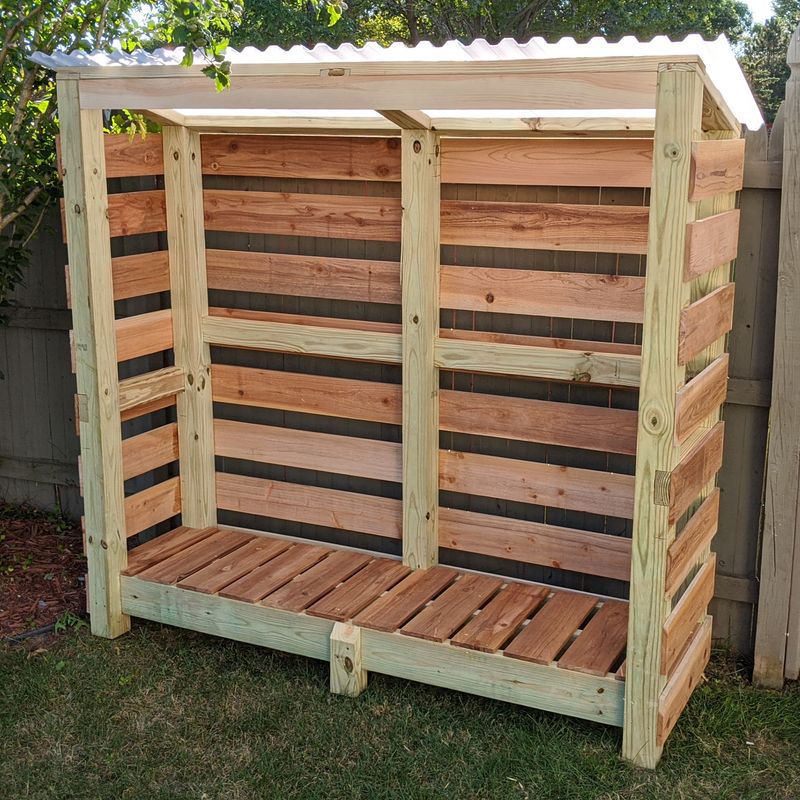
Moving your woodpile is one of the easiest changes you can make this weekend. NC State Extension advises storing firewood and lumber away from the house and preferably elevated off the ground.
That keeps possible hiding places farther from doors, windows and the spots where kids play.
For the height, there is a specific number. Mississippi State Extension recommends keeping a firewood rack at least 12 inches above the ground.
A sturdy metal rack or a frame built from treated lumber can do the job.
Keep your expectations realistic. These steps can reduce the cover available near your home, but they are recommendations, not guarantees.
A snake may still use a raised stack, so good habits matter as much as good storage.
Here is a short routine to try. Bring in only a few days of wood at a time from the outer edge of the stack.
Pick up each log in plain view rather than pulling from the middle.
Never reach blindly into a stack, and never stick your hand into gaps you cannot see. Use your eyes first, step back if anything looks like a coil or a pattern of bands, and let the wood sit another day if you are unsure.
Reduce nearby cover and rodent attractants
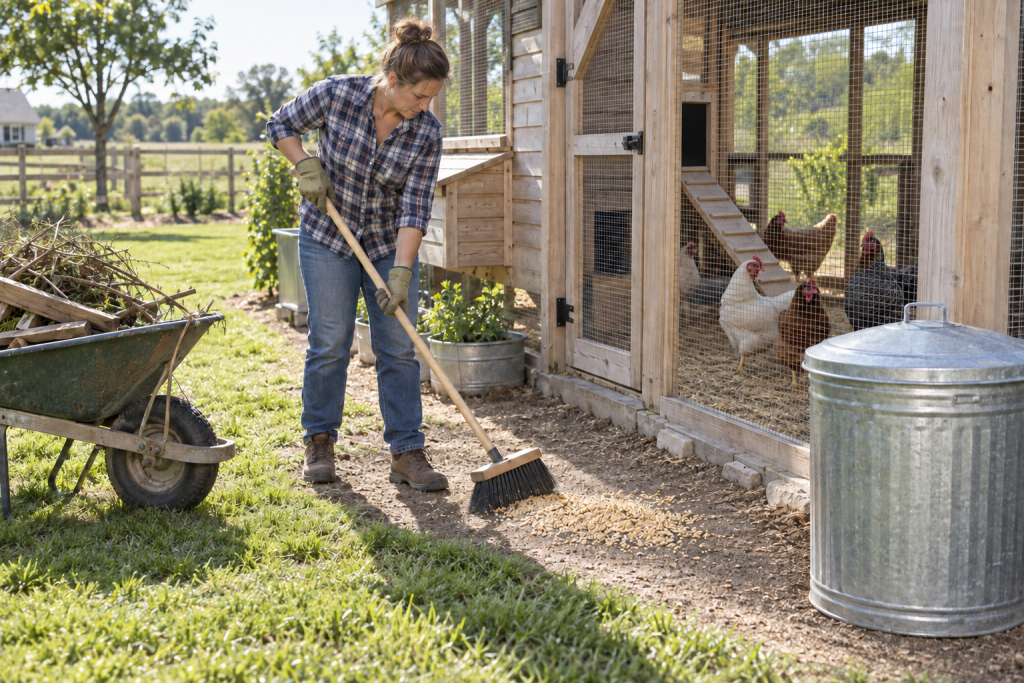
Firewood is only one piece of the picture. Take a slow walk around your yard and look for other tucked-away spots.
Tall clutter, stacked lumber, piles of debris and thick groundcover against the foundation can all give a snake a place to hide.
NC State Extension recommends reducing cover close to the house and closing cracks and crevices in buildings. A tube of exterior sealant and a few minutes with a flashlight can handle small gaps around a crawlspace, porch or shed.
Food matters too, because snakes follow their meals. The N.C.
Wildlife Resources Commission lists rodents among the prey of copperheads. Spilled seed and open bags of pet food can draw mice and rats.
Mississippi State Extension suggests keeping pet food and bird food in closed containers. A lidded metal bin in the garage works well, and sweeping up seed under feeders helps as well.
Think of these jobs as yard upkeep, not a force field. They can lower the appeal of the area near your home, but they do not promise a snake-free yard.
Skip repellents and traps, which NC State Extension says are not effective or advised.
If you see a snake, stop disturbing the stack
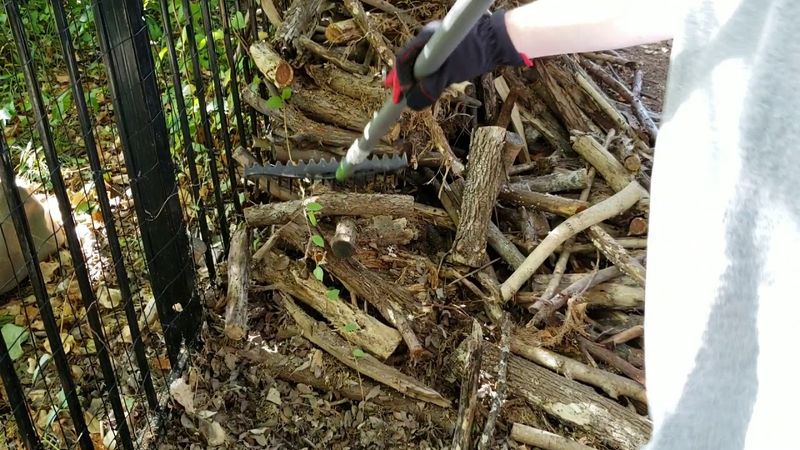
Spotting a snake in the wood is a signal to stop. Put the log down if you can do so without moving closer, step back and keep your body well away from the pile.
Call children and pets inside right away.
NC State Extension says to leave a venomous snake alone. Give it room to move off on its own.
Do not poke at it, pull the stack apart, or try to catch or handle it.
There is a reason for that firm advice. NC Wildlife points out that many bites happen when people try to capture, kill or handle copperheads.
Leaving the snake alone is the safer choice for everyone.
If the snake stays in your woodpile, seek appropriate local help. You might start by contacting a local animal or wildlife authority in your county and asking what they recommend for your situation.
You may have heard that gloves solve the problem. A Virginia Herpetological Society safety sheet suggests staying alert around firewood and wearing heavy work gloves when handling it.
Gloves are for ordinary wood handling. They do not make it safe to reach near or touch a snake you can see.
A suspected bite calls for prompt medical care
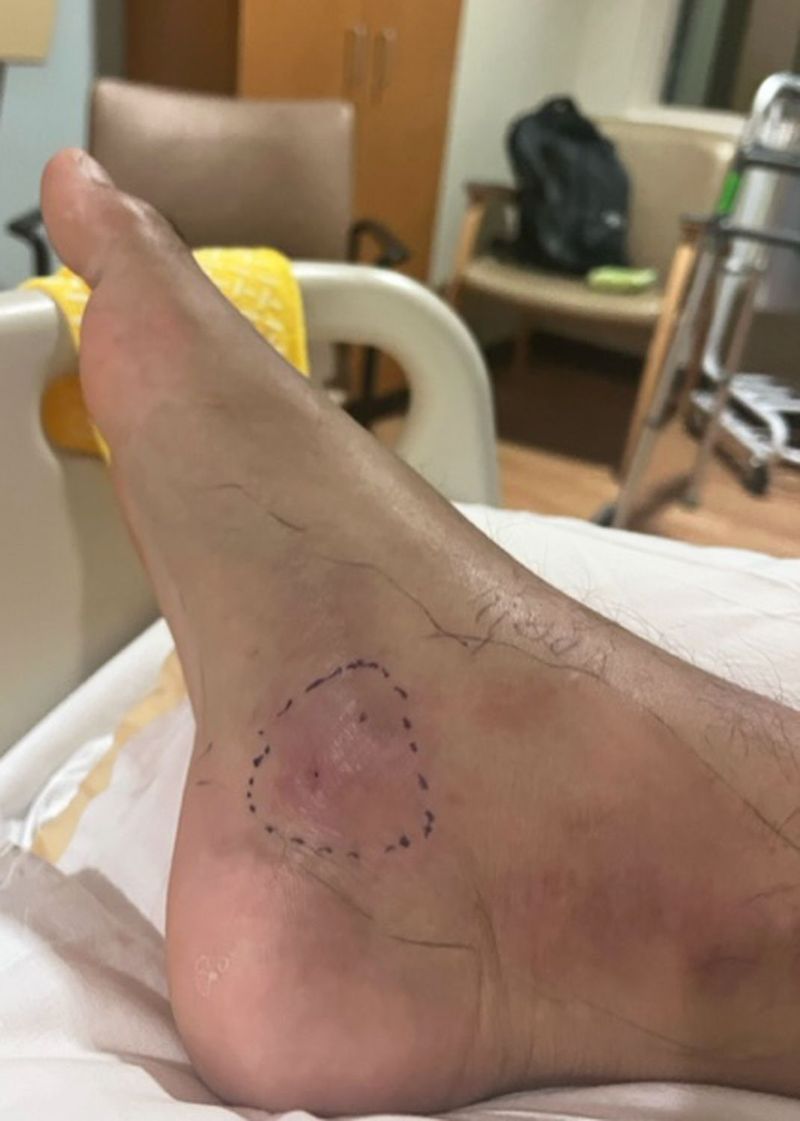
If you think a copperhead has bitten you or someone nearby, act quickly and stay as calm as you can. Go to a hospital right away.
Also call the U.S. Poison Center at 1-800-222-1222 for guidance.
According to Poison Control, there are a few things you should not do. Do not use a tourniquet.
Do not put ice on the bite. Do not cut the wound, and do not try to suck anything out.
Keep the rest simple. Skip extra home steps, and let medical professionals take over as soon as you arrive.
A careful look before every armload of wood is the best habit you can build, and it costs only a few seconds.