
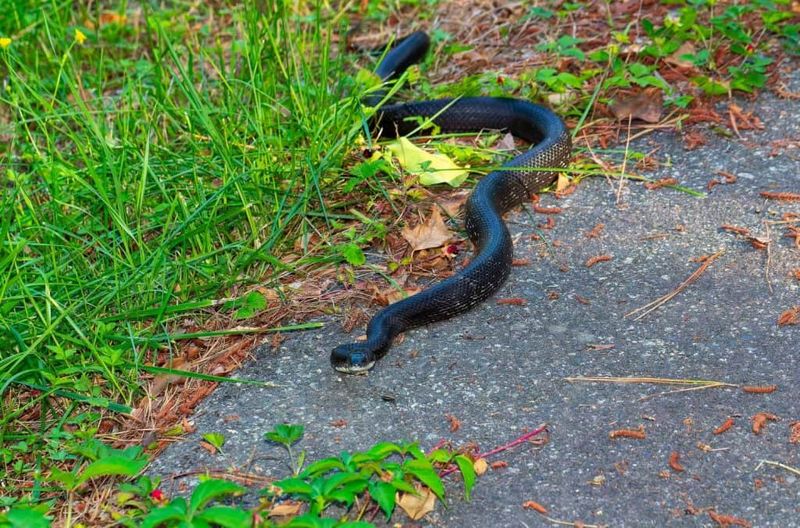
Copperheads are the venomous snake North Carolina families meet most often, and they turn up in leaf piles, mulch beds, and woodpiles from the mountains to the coast. A lot of what people believe about them came from a grandparent or a neighbor, and some of it is flat wrong.
As fall cleanup starts and snakes look for winter shelter, those old ideas matter more than ever. Here are ten common beliefs, sorted out so you know which ones keep you safe and which ones put hands and ankles at risk.
1. Copperheads Smell Like Cucumbers
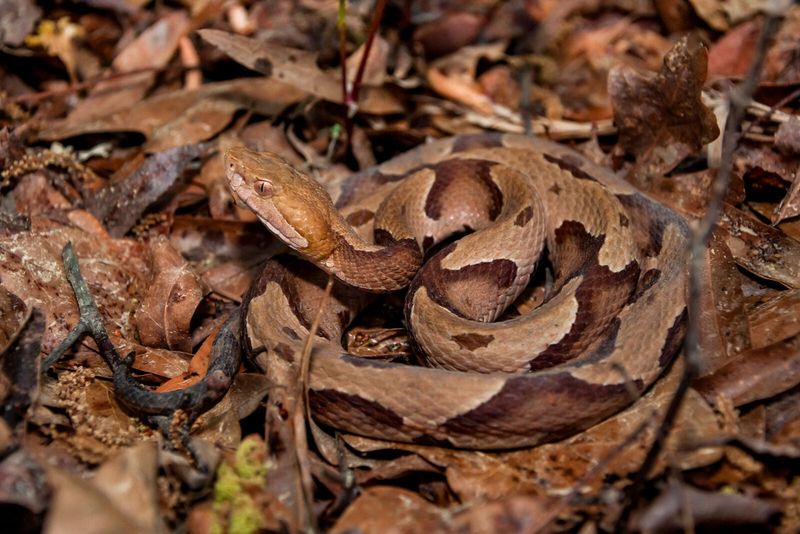
Ask around any Piedmont cookout and somebody will swear they smelled cucumbers right before spotting a copperhead. Snakes can release a musky scent when stressed, and some people describe it as cucumber-like.
So the story has a grain of truth.
The trouble is relying on it. A calm, hidden copperhead usually gives off no smell you can notice, and cut grass, certain plants, and other animals can create similar odors.
Treat a cucumber smell as a reason to look carefully, never as your only warning. Your eyes, gloves, and a flashlight do far more work than your nose ever will.
2. Baby Copperheads Are More Dangerous Than Adults
Here is a myth that sounds scary and spreads fast. The claim says young copperheads cannot control their venom, so their bites are worse.
Research on pit vipers generally suggests adults deliver more venom simply because they are bigger. That said, babies are still venomous and absolutely capable of a painful bite that needs medical care.
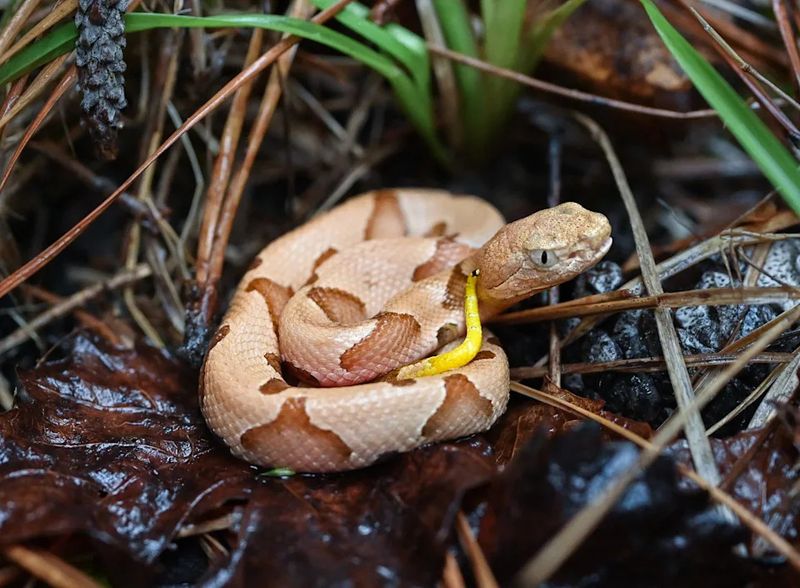
Late summer into early fall is when many NC copperheads are born, so you may see small ones with a bright yellow tail tip right now. Give them the same respect you would give a full-grown snake, and keep kids from picking up any small banded snake they find.
3. Mothballs Keep Snakes Away
Grandma scattered mothballs under the porch, and plenty of families still do. Sadly, studies and wildlife agencies have found little evidence they repel snakes.
Mothballs are also a registered pesticide, and using them outdoors this way is against label directions. They can harm pets, kids, and the soil around your plants.
A better plan is habitat change. Clear leaf piles near doors, keep mulch thin along walkways, and trim shrubs off the ground so snakes have fewer shady hiding spots close to where people walk.
4. Snake Repellent Products Solve the Problem

Walk into any hardware store in Raleigh or Asheville this time of year and you will find shelves of snake repellent granules. Many rely on sulfur or essential oils, and independent testing on their effect has been mixed at best.
Some homeowners feel safer after spreading them, which can lead to careless reaching into beds. That false confidence is the real danger.
If you choose to try a product, keep doing the basics anyway. Wear gloves, look before you grab, and remove cover like boards and debris piles.
5. Every Brown Banded Snake Is a Copperhead
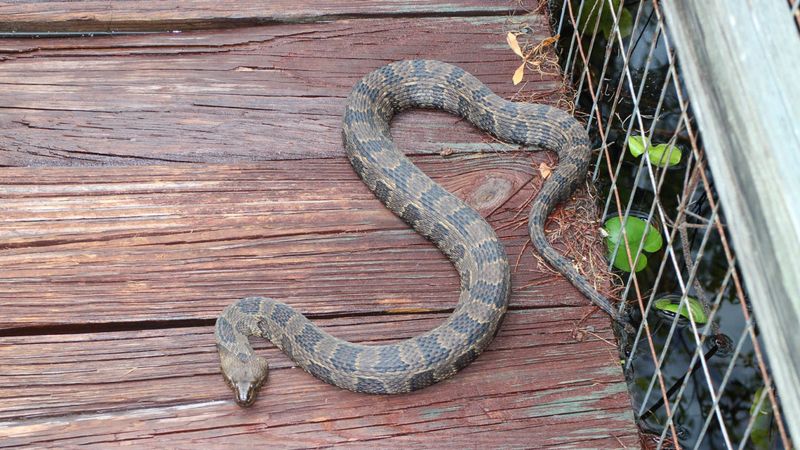
Picture a banded brown snake by the creek behind your house. Odds are decent it is a harmless northern water snake or a young rat snake, both of which get killed by mistake all the time.
Copperheads have hourglass bands that look like a Hershey Kiss from the side, with narrow centers and wide sides. Water snakes have bands that are wide in the middle instead.
Learning that one pattern helps protect helpful native snakes that eat rodents. It also keeps you from walking up close to get a better look at a snake you misjudged.
6. Black Snakes Chase Copperheads Off
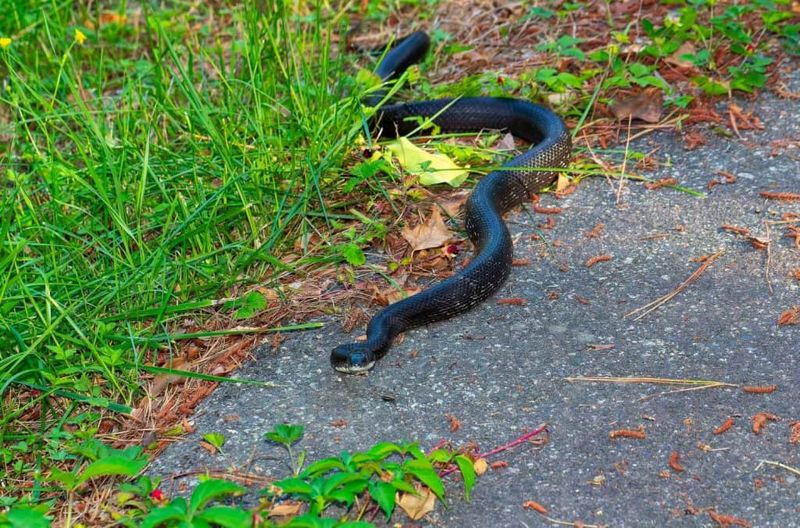
Old-timers love this one: keep a black snake around and copperheads stay away. It feels like a neat trade, and it is partly true.
Eastern kingsnakes do eat copperheads, but black rat snakes and black racers mostly eat rodents, birds, and eggs. A rat snake living in your barn may even share a den with copperheads over winter.
Still, leave black snakes alone. They may help cut rodent numbers, which can mean less food drawing copperheads in.
Just do not count on them as bodyguards.
7. Cutting the Bite and Sucking Out Venom
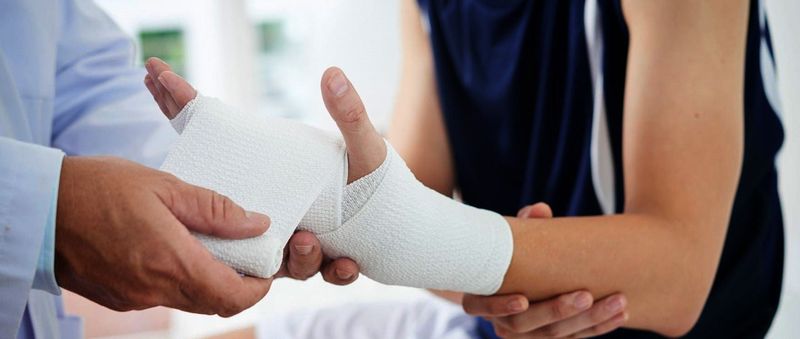
Old western movies made this look heroic. In real life, cutting a bite and sucking on it can cause infection and more tissue damage, and it does not remove meaningful venom.
Tourniquets, ice, and suction kits are also discouraged by medical experts. The useful steps are simple: stay calm, remove rings or tight clothing, keep the limb still, and get to an emergency room.
Calling the North Carolina Poison Control line at 1-800-222-1222 on the way can help too. Most copperhead bites are rarely fatal, but they hurt badly and deserve fast medical care.
8. Copperheads Go Away Once Fall Arrives
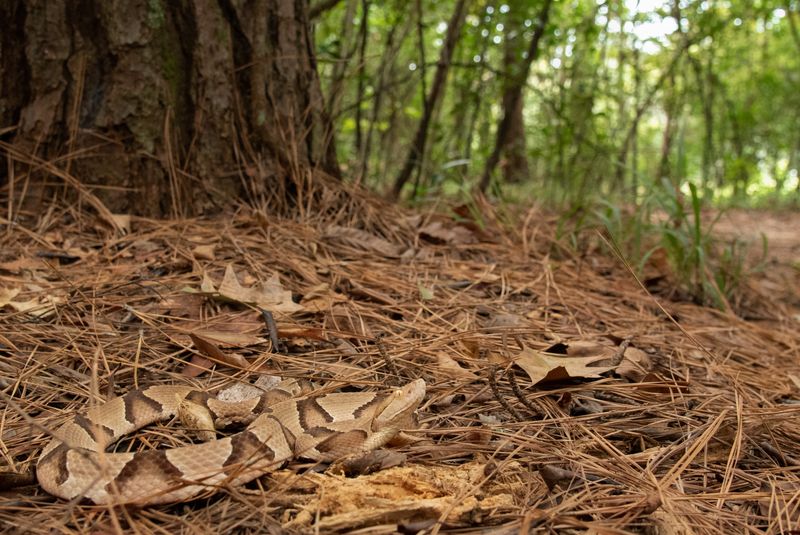
Late September feels like the season is winding down, so people drop their guard. Copperheads did not get that memo.
Across the coastal plain and Piedmont, they often stay active well into October, and warm afternoons can bring them out even later. In the mountains, they tend to head to dens earlier as nights cool.
Fall is also when snakes travel toward winter shelters, which can bring them across yards. Keep gloves and closed shoes on for raking, bulb planting, and firewood stacking until steady cold sets in.
9. Killing the Snake Is the Safest Move
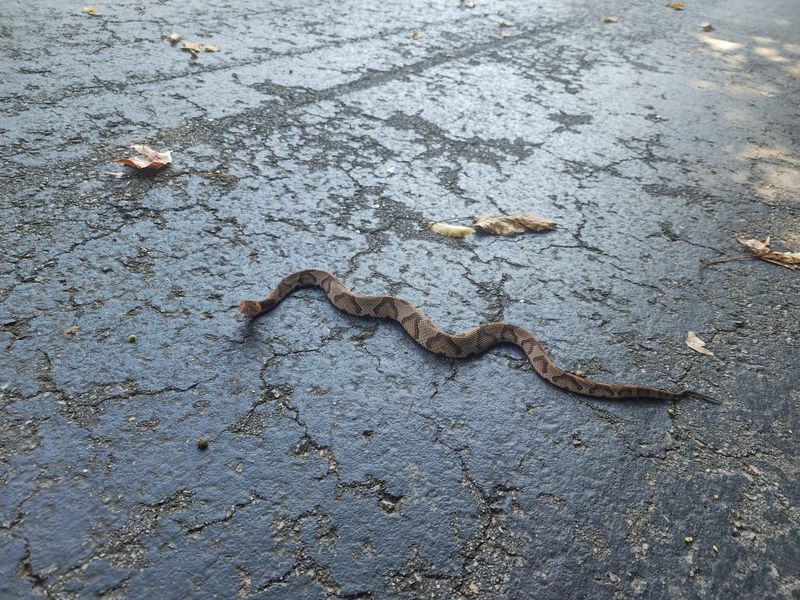
Hospital data has long shown that a big share of snakebites happen when people try to kill or handle the snake. Swinging a hoe puts you right inside striking range.
Copperheads usually freeze or move off if left alone. Stepping back about six feet and watching where it goes is often the safest choice.
If one sits by your door, a licensed wildlife removal pro can relocate it. That keeps your family out of reach and spares a native predator that helps keep mice in check.
10. Tidy Yards Never Get Copperheads
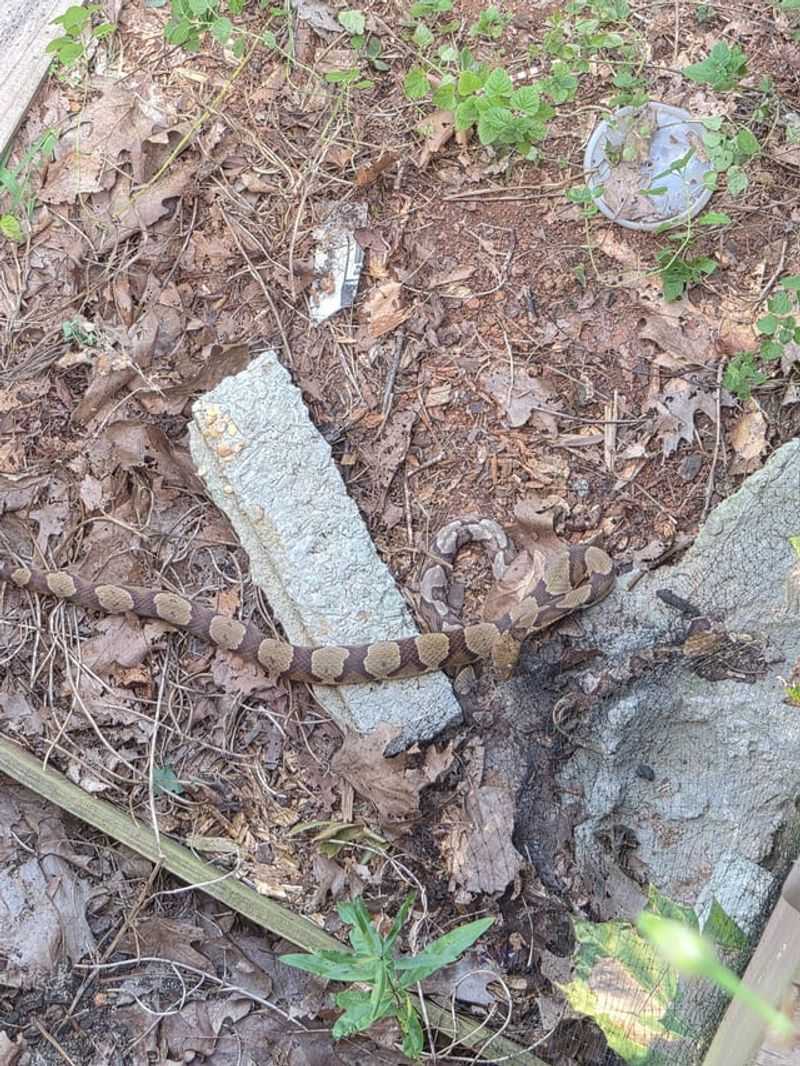
A clean yard helps, and that part is worth believing. Removing woodpiles, rock clutter, and thick leaf litter near the house can reduce the number of hiding spots.
But no yard is snake-proof, especially near woods or creeks. Copperheads may pass through even a perfectly kept lot while hunting.
So pair tidiness with habits. Store firewood on racks away from the house, use a flashlight on evening walks, and teach kids to look before reaching under shrubs.
Those small steps together can lower your risk this fall.