
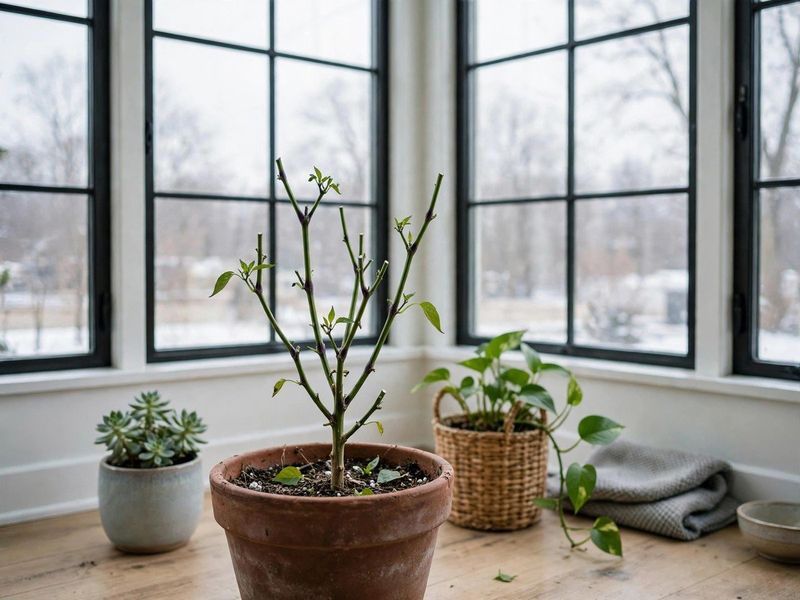
You dug up a pepper plant, set it by a bright window, and now the leaves are falling. It looks like a lost cause, but a bare plant is not always a dead one.
What you do next depends on whether you want the plant to rest or keep growing. A few simple checks can help you decide how to care for it and what to watch for.
Leaf drop after moving indoors does not settle whether a pepper is alive
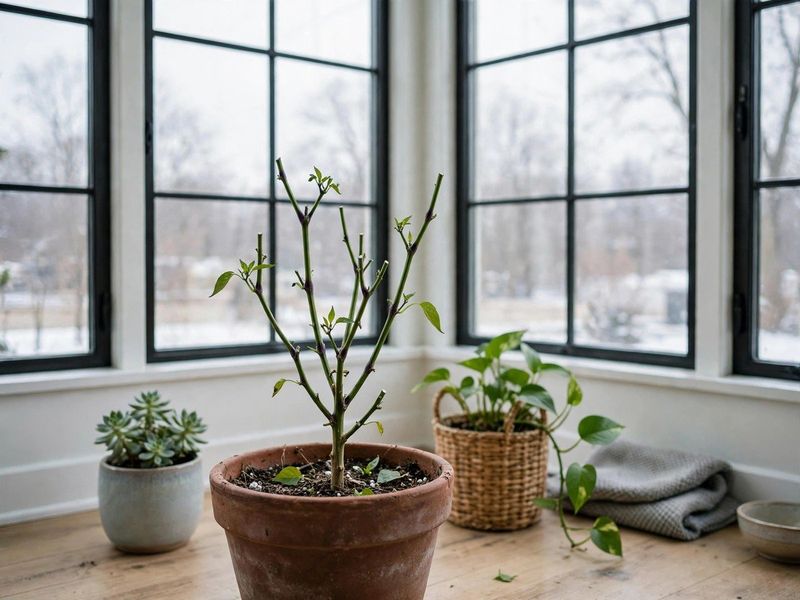
Finding leaves on the floor under your pepper is alarming, but bare stems alone do not prove the plant is gone. A Kansas State Extension account describes peppers that lost some leaves after being moved indoors and still went on to produce new peppers.
That is one reported case, not proof that leaf loss is typical or harmless for every plant.
Neither the month nor the sunny window tells you why leaves are dropping. A bright window does not guarantee the plant is getting enough winter light, and it does not mean the pepper is actively growing.
Moving from outdoor conditions to indoor air, light, and temperature is a big change, and watering habits, pests, or low light can all play a part.
Peppers are frost-tender plants that Missouri Extension notes are generally grown as annuals in temperate regions, so keeping one going is an optional effort. Before changing anything, decide what you want from the plant this winter and look closely at its stems, soil, and leaves.
Choose between dormancy and active indoor growth
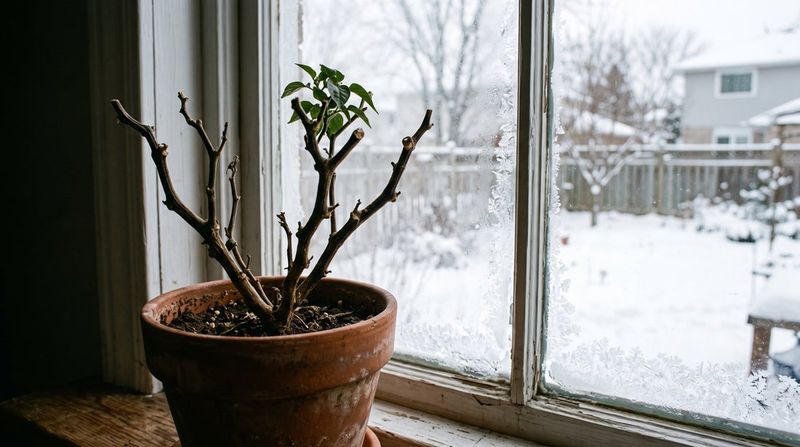
Winter care goes best when you pick a goal first. One path is a cool, dormant rest.
The other is keeping the pepper growing indoors. These call for different light, temperature, and watering, so they are not interchangeable.
For dormancy, a Michigan State Extension expert suggests letting the plant go dormant, trimming it back, keeping it cool, and limiting water. The plant rests rather than producing, so it needs far less than it did in summer.
If you would rather try for peppers indoors, the same guidance points to warmer conditions: daytime temperatures around 70°F, nights above 50°F, and artificial light. It also cautions against overwatering and overfertilizing, both of which can stress a plant that is not growing fast.
A sunny window does not settle the question. Winter sun can be weak and short, and a plant by the glass may still be slowed down.
Match the care to the goal you chose rather than to the window.
Water a dormant pepper by its condition, not the calendar
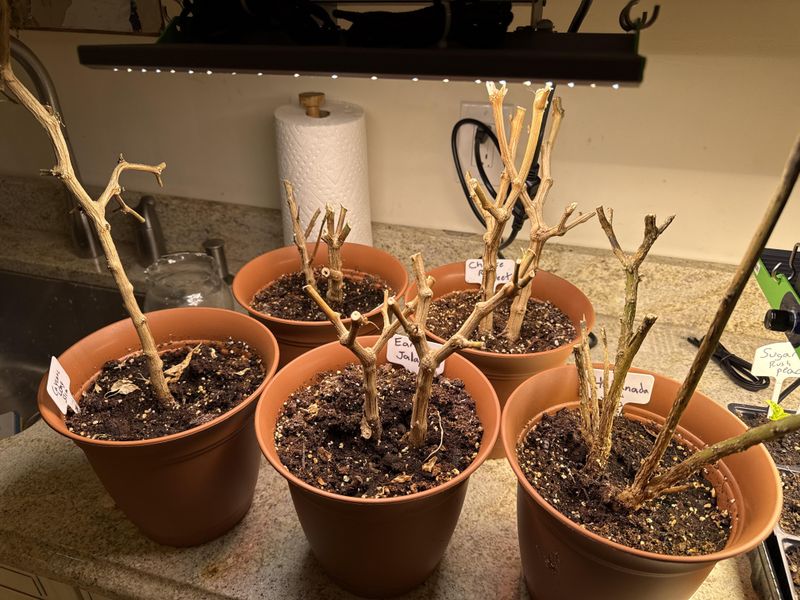
A resting pepper does not drink like a summer one, so keeping up your old routine can leave the soil soggy. At the same time, letting it dry out completely is a risk too.
The goal is sparing water, not none.
One Ask Extension response suggests a cool spot above 50°F and a small amount of water every three to four weeks. A UC Cooperative Extension article gives a similar interval and advises letting the plant dry between waterings without drying out fully.
Treat that as an example only. Pot size, temperature, and soil all change how fast a pot dries.
Instead of marking a calendar, check the mix every week or so. Iowa State Extension advises watering indoor overwintered plants when the soil is dry, and Maryland Extension says stored plants should be checked periodically and not left in wet soil.
Use a pot with drainage holes and empty any water that collects in the saucer. Also look at the stems.
Shriveled, dry stems may mean the plant needs a little more water.
Check for pests and other sources of stress
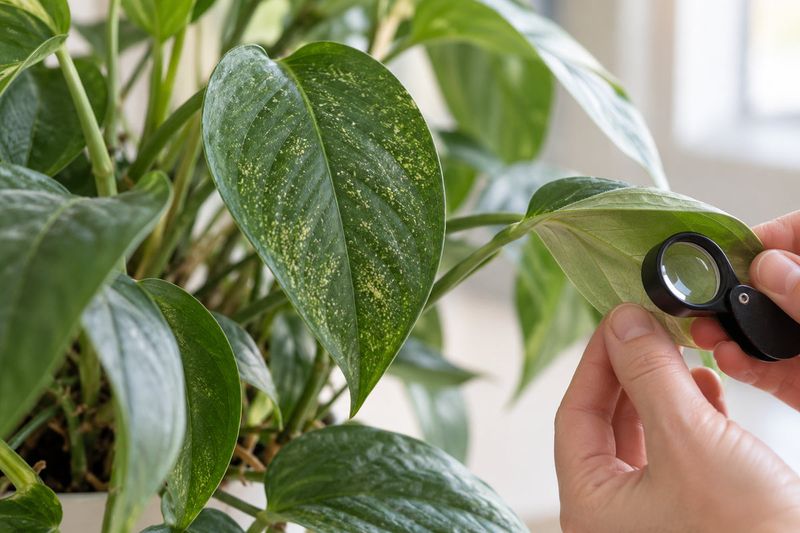
Dropping leaves is a symptom, and many things can cause it. Before you blame water, take a close look at the plant.
UC IPM recommends inspecting plants closely and monitoring them after they come indoors, and it notes that spider mites, thrips, and whiteflies can cause leaf damage or leaf drop.
Turn leaves over and check the undersides. Look along the stems and where leaves join them for fine webbing, tiny moving specks, sticky residue, or small white insects that flutter up when you touch the plant.
Then check the potting mix. If it stays wet for days, too much water may be a problem.
If it is bone dry and the stems look shriveled, too little may be the issue. Changes in light, temperature, and dry indoor air can also add stress.
If you find pests, use only products labeled for indoor use and for both your plant and the pest involved, and follow the label directions. If the plant keeps declining, keep investigating rather than assuming less water will fix it.
Resume growth gradually in spring
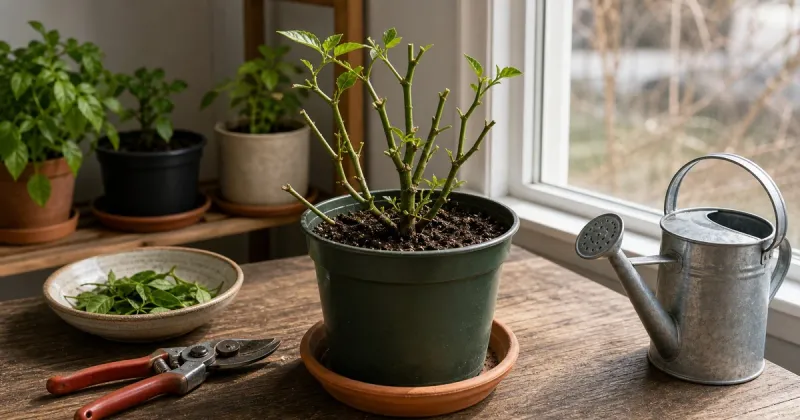
When new buds and leaves appear, the plant is telling you it is ready for more. Ease into it.
UC Cooperative Extension guidance for overwintered peppers recommends giving more light and water as the plants leaf out.
Raise watering a little at a time, still checking that the top of the mix has dried before you add more. Move the pot to brighter light in steps rather than all at once, since a sudden jump can stress soft new growth.
Outdoor sun is much stronger than a windowsill, so the plant needs time to adjust. Iowa State Extension advises gradually acclimating plants to outdoor light before moving them out after frost danger has passed.
Start with short stretches in shade on mild days, then lengthen the time and add sun over a week or two. Bring the pot in if a cold night is forecast.
A slow start does not promise a harvest, but it gives the plant a fair chance.
Treat overwintering as an attempt, not a guarantee
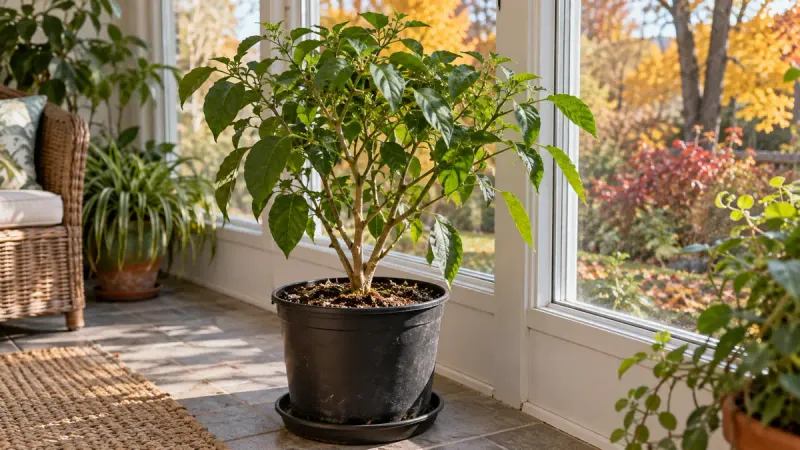
Peppers cannot handle frost, and Missouri Extension describes them as plants generally grown as annuals in temperate regions. Saving one over winter is a bonus project, not a sure thing.
Some plants pull through, and some do not, even with good care.
Keeping a stem alive is also different from getting a plant that grows and fruits. The Michigan State Extension guidance ties indoor peppers to warmer temperatures and artificial light, while a cool, dormant plant is simply resting.
Expect different results from each approach.
If the plant fails, you have lost very little, and a fresh start in spring is always an option.
Pick rest or growth, match your care to it, and keep looking into the cause if the decline continues.