
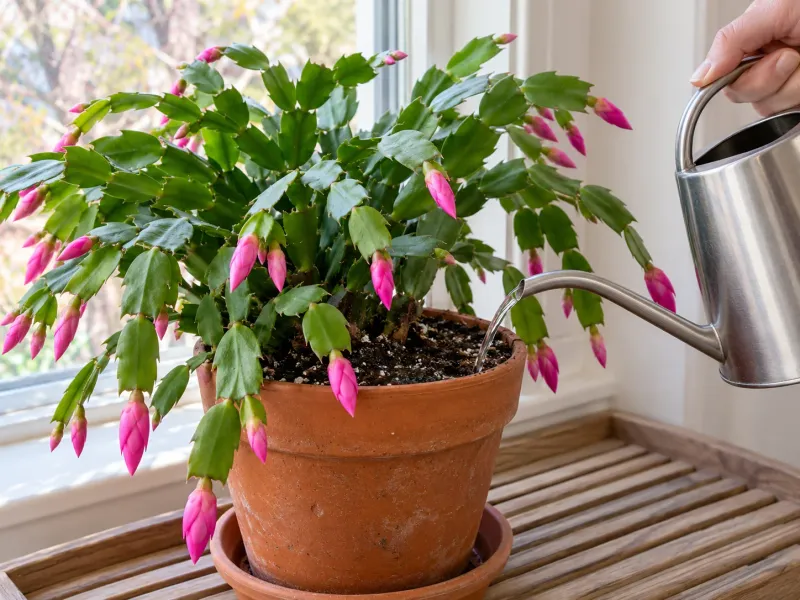
Your Thanksgiving cactus looked healthy all summer, so why are there still no buds by October? The good news is that this plant rarely needs fancy products to bloom.
It mostly needs the right signals at the right time, like shorter days, cooler nights, and a little less water. Get these eight simple habits in place now, and your plant has a much better shot at being covered in pink, red, or white flowers when the turkey hits the table.
1. Give It Long, Dark Nights
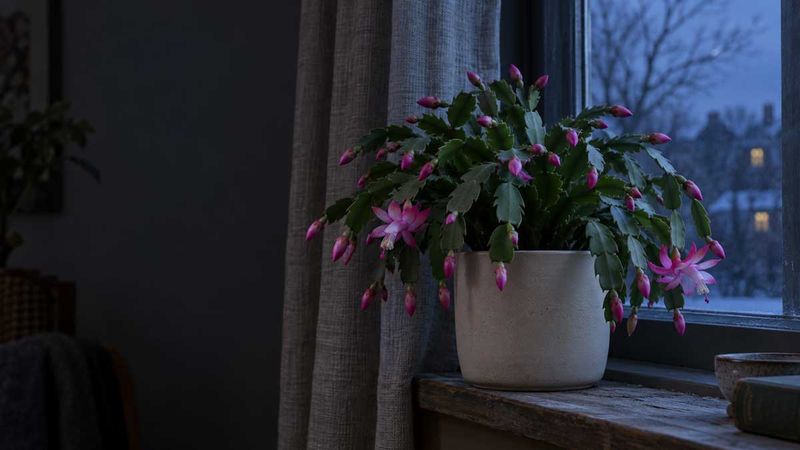
Picture a plant that reads the calendar by counting hours of darkness. That is exactly how a Thanksgiving cactus decides when to bloom.
Once nights stretch past about 12 to 14 hours, the plant starts setting buds.
Here is the catch for most homes. A lamp flicked on in the evening, a TV glow, or even a porch light through the window can interrupt that dark period.
To the plant, a broken night may look like summer, so it keeps growing leaves instead of flowers.
Starting in late September, aim for roughly six weeks of uninterrupted darkness from early evening until morning. A spare bedroom, a guest bathroom, or a low-traffic corner often works well.
Some gardeners simply slip a cardboard box or a dark cloth over the pot each evening and remove it after breakfast.
You do not need total blackout perfection. Consistency matters more than extremes, so pick a spot you can maintain without fuss.
During the day, the plant still wants bright, indirect light to fuel those future flowers.
Once you see tiny pink nubs at the segment tips, the darkness routine has done its job, and you can relax the schedule a bit.
2. Let Nights Turn Cool
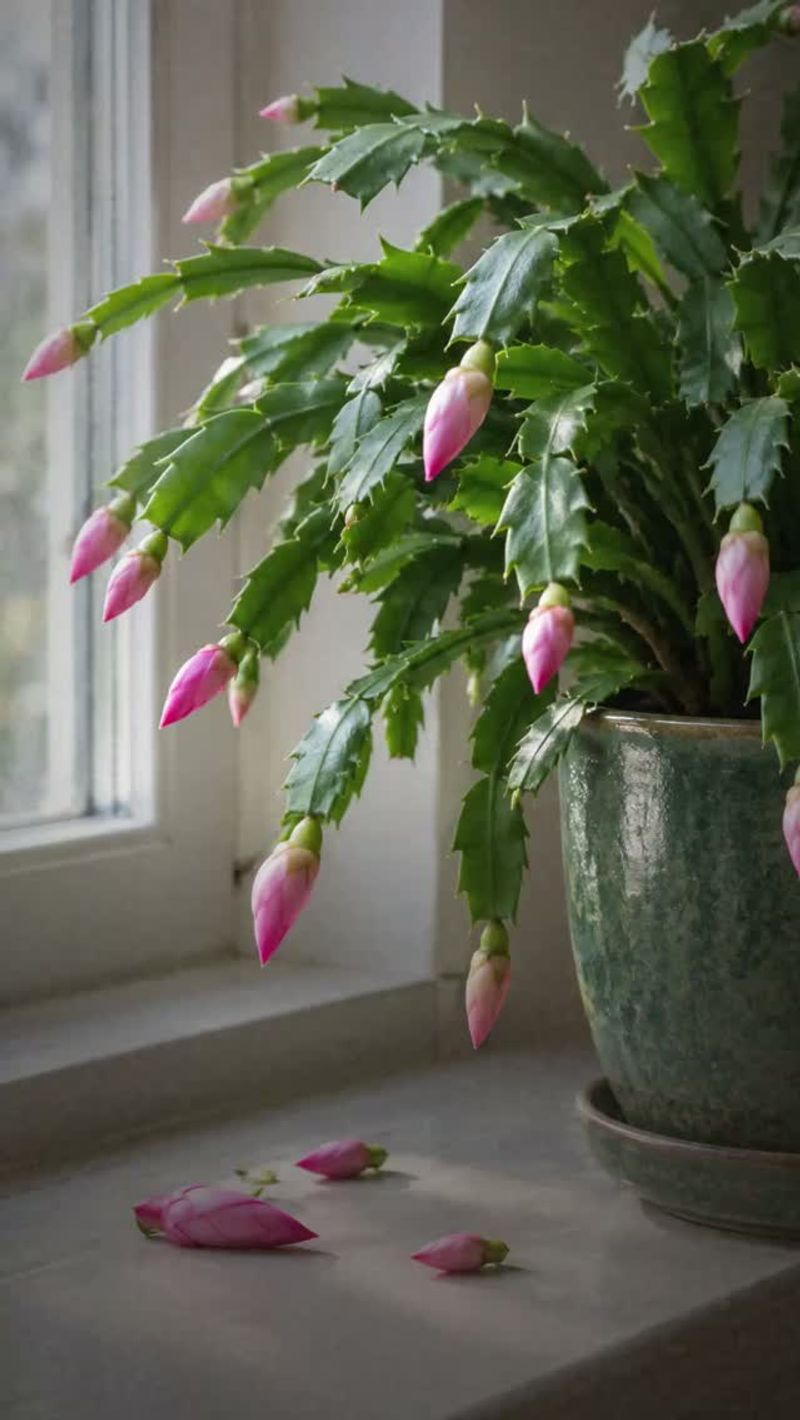
Cool autumn evenings are a hidden bloom trigger that many indoor growers accidentally skip. Thanksgiving cactus originally comes from the mountain forests of southeastern Brazil, where fall nights drop noticeably.
Your plant still remembers that rhythm.
Nighttime temperatures between about 50 and 60 degrees Fahrenheit can encourage bud formation, sometimes even when the darkness routine is a little imperfect. A warm living room kept at 72 degrees around the clock may delay flowering or produce only a handful of buds.
So where do you find that chill? An unheated sunroom, an enclosed porch, or a spot near a cool window often fits the bill.
In much of the temperate US, many people leave plants outdoors in a shaded spot through September and early October, bringing them in before nights dip toward 45 degrees.
Watch out for real cold, though. Frost can damage the fleshy segments quickly, and drafty spots next to an exterior door can swing too far.
A cheap indoor thermometer takes the guesswork out of this habit. Pair cool nights with long darkness, and the two signals together tend to work far better than either one alone.
Think of it as speaking the plant’s native language.
3. Ease Up on Watering in Fall
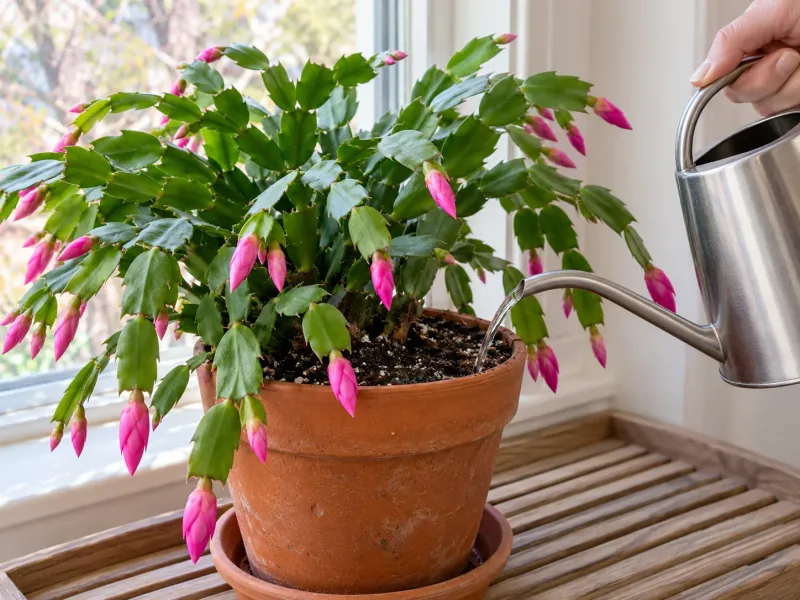
Ever notice how plants sometimes bloom best after a little hardship? A Thanksgiving cactus responds to a short, gentle dry spell in early fall by shifting energy toward flowers.
During spring and summer growth, regular watering keeps segments plump. Around late September, start letting the top inch or two of soil dry out before watering again.
That slight stress mimics the drier season in its native habitat.
Do not confuse dry with neglected. If segments turn limp, wrinkled, or reddish, the plant is thirsty and needs a drink.
The goal is a lean routine, not a drought.
Once buds appear and reach about the size of a pea, gradually return to normal watering. Developing flowers need steady moisture, and a sudden dry stretch at this stage is a common reason buds shrivel and fall.
Always water thoroughly and let the extra drain away. A pot sitting in a saucer of water invites root rot, which is one of the quickest ways to lose this plant entirely.
Quick tip: stick a finger into the soil before reaching for the watering can. It sounds simple, but this one habit may prevent more bloom failures than anything else on this list.
4. Stop Fertilizing at Summer’s End
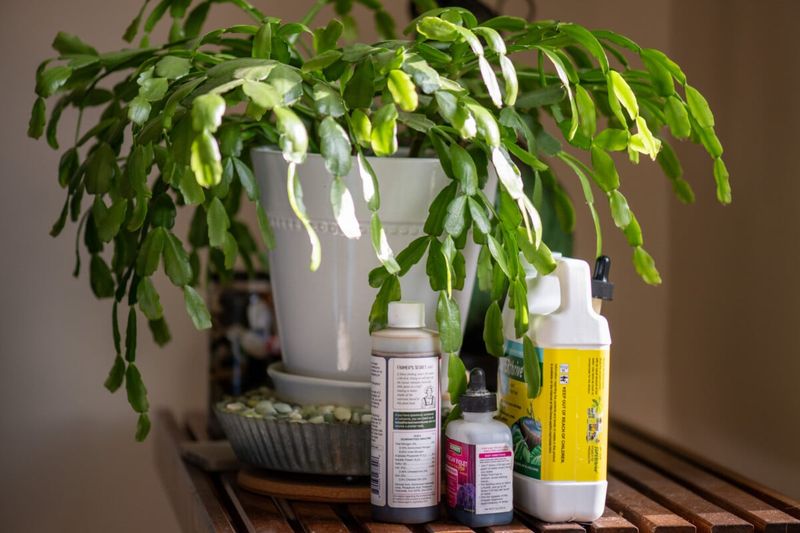
Feeding feels like kindness, but timing turns it into a bloom blocker. Fertilizer pushes fresh green growth, and a plant busy making new segments has less reason to switch into flowering mode.
From spring through mid-summer, a balanced houseplant fertilizer diluted to half strength every few weeks can help build strong, full stems. Those stems are where next season’s flowers will form, so the summer feeding is not wasted.
By late August or early September, put the fertilizer away. That pause signals the growing season is winding down.
Many growers find their plants set noticeably more buds once the nitrogen boost ends.
Some people like to give a light dose of a bloom-oriented fertilizer right before buds form, but results vary, and skipping it entirely is usually fine. Overdoing feed can also cause salt buildup in the soil, which may stress roots.
If you notice a white crust on the soil surface or pot rim, flush the pot with plain water a couple of times to rinse out excess salts.
Once flowering wraps up after the holidays, give the plant a month or so of rest, then restart light feeding as spring growth kicks in. That cycle keeps the plant ready for next year.
5. Keep It Snug in Its Pot
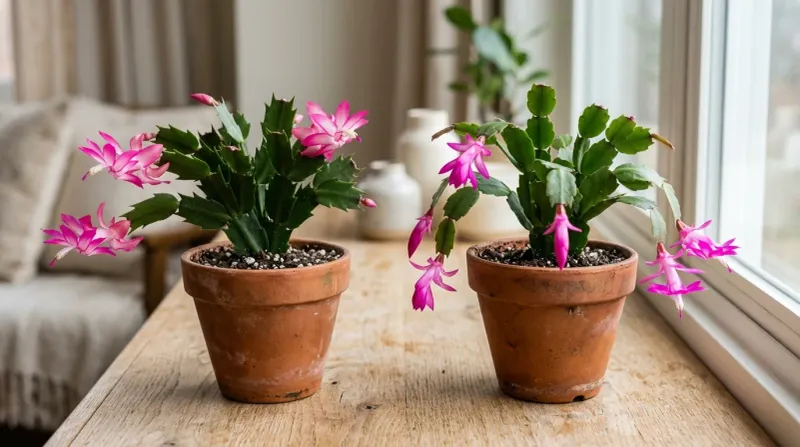
Here is a habit that sounds lazy but works: leave your plant a little crowded. Thanksgiving cactus tends to bloom more freely when its roots fill the pot.
When a plant gets a roomy new container, it often spends its energy chasing roots into all that fresh soil. Flowers can take a back seat for a season or two.
A snug fit nudges it toward blooming instead.
Repot only every two to three years, or when roots are clearly circling and water rushes straight through. Move up just one pot size, roughly an inch wider.
Spring, right after flowering ends, is the best time, never in fall when buds are forming.
The mix matters too. In the wild, these plants grow on tree branches rather than in the ground, so they prefer a loose, fast-draining blend.
A combination of potting soil with orchid bark and perlite often keeps roots happy and less prone to rot.
Choose a container with a drainage hole. Terracotta breathes well and dries faster, which suits gardeners who tend to overwater.
A slightly cramped, well-drained root zone may not look impressive, but it is often the quiet secret behind plants that bloom year after year.
6. Don’t Move It Once Buds Appear
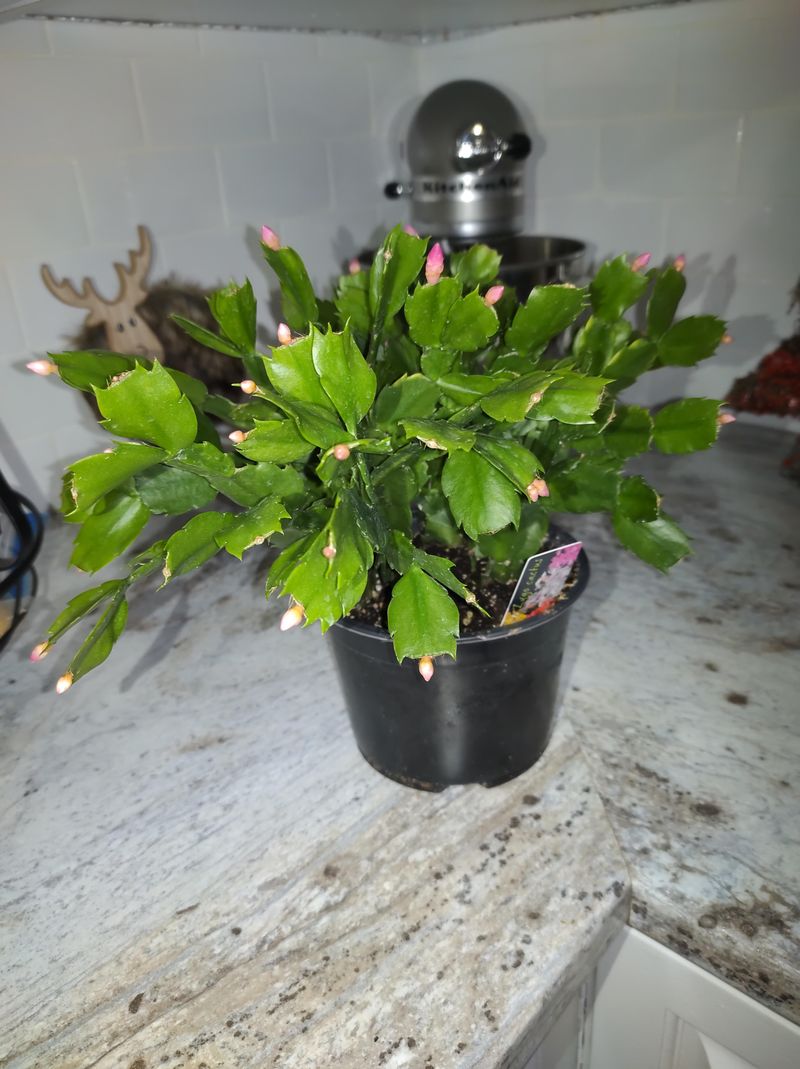
Nothing stings like watching a dozen fat buds drop onto the windowsill a week before Thanksgiving. Bud drop is one of the most common complaints with this plant, and sudden change is often the culprit.
Once buds form, the plant has adjusted to its light, temperature, and humidity. Moving it to a brighter room, a warmer spot, or a new window can shock it.
Sometimes the response is to abort the buds entirely.
Choose the display spot before buds show up, ideally during the darkness and cool-night routine. If you must move it, do it gradually and keep conditions similar.
Other changes can trigger drops too:
Heat vents and fireplaces that dry the air quickly. Cold drafts from doors opening often.
Letting soil go bone dry while buds swell.
Even rotating the pot can matter, since buds orient toward light. Some growers mark the side facing the window and keep it that way.
A little patience pays off here. Leave the plant in peace, keep watering steady, and those tight buds should open into hanging flowers.
Many people find their plant blooms for several weeks when it is left alone.
7. Prune Lightly After Blooming
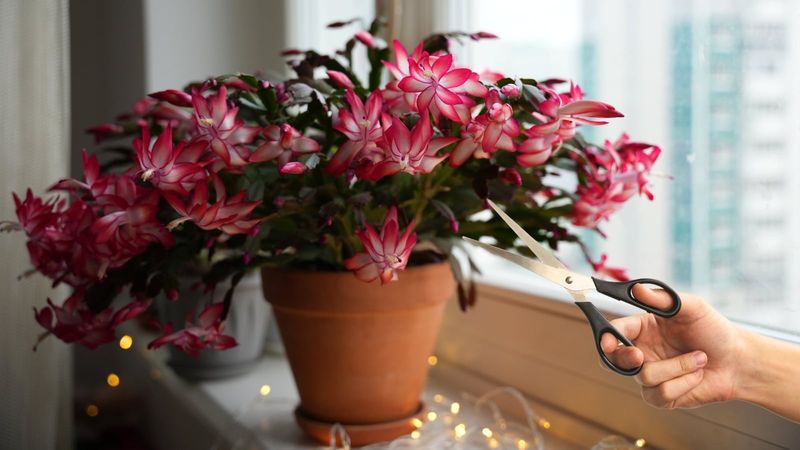
Think of pruning as planting next year’s flowers today. Blooms form at the tips of stem segments, so more branch tips usually mean more flowers.
About a month after flowering finishes, often in late winter or early spring, trim the plant to encourage branching. You do not even need shears.
Simply grip a segment and twist it off at the joint, removing one to three segments from the longer stems.
Each cut point tends to send out two or more new segments. Over the growing season, that turns a leggy plant into a bushy one with dozens of potential bud sites.
Avoid pruning after midsummer. Cutting too late removes the mature tips where buds are about to develop, and you may end up with a sparse holiday show.
Fun bonus: those trimmed pieces root easily. Let them sit a day to dry, then tuck them about half an inch deep into moist, gritty potting mix.
Within a few weeks, many will root, giving you extra plants to share.
Plenty of families have passed Thanksgiving cactus down through generations this way. A piece from Grandma’s plant can carry on the tradition for decades.
8. Give It Bright Indirect Light All Year
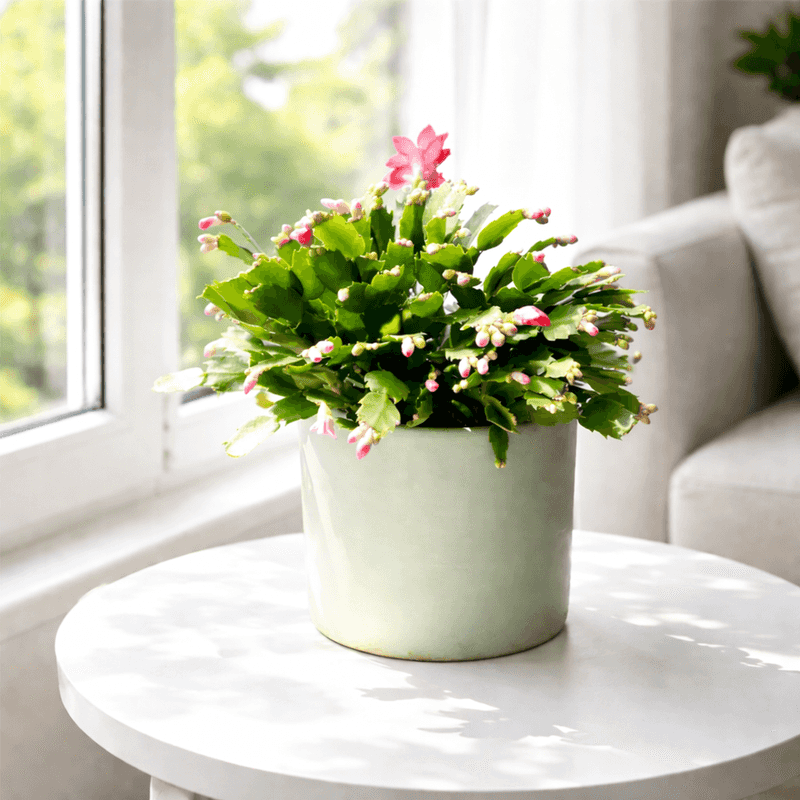
Flowers cost energy, and light is how this plant pays the bill. A Thanksgiving cactus kept in a dim corner all year may stay alive, but it often struggles to produce many buds.
Bright, indirect light is the sweet spot. An east-facing window with gentle morning sun works beautifully, as does a spot a few feet back from a south or west window, perhaps behind a sheer curtain.
Harsh afternoon sun can scorch the segments, turning them reddish, yellow, or bleached. A little reddish tint in fall can be normal from cool temperatures, but widespread discoloration usually means too much direct sun or water stress.
Summers outdoors can give a big boost. Many growers set pots under a tree or on a shaded porch from late spring until early fall, where filtered light builds strong, energy-packed stems.
Just remember that bright daytime light and long dark nights work as a team. Good light during the day fuels bud production, while darkness at night tells the plant when to start.
Keep both halves of that routine, and combined with the other habits here, your plant stands a strong chance of greeting the holidays loaded with color.