
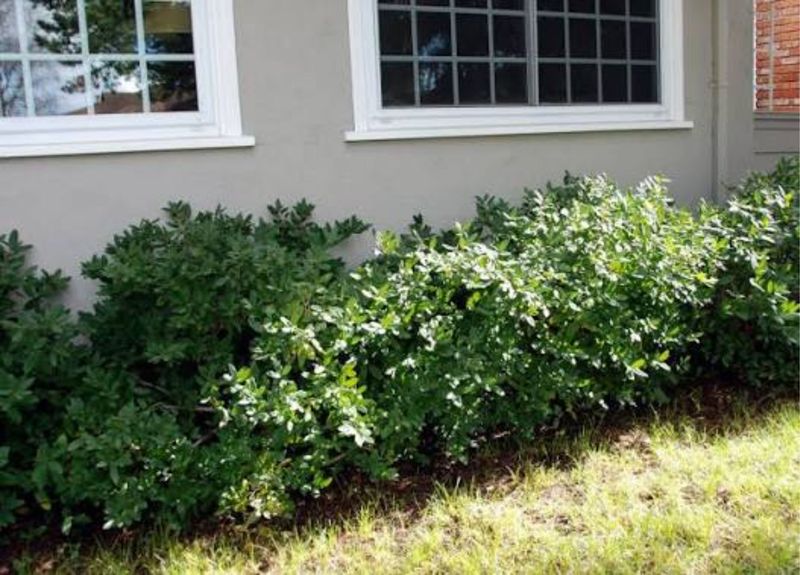
In California, the smartest time to plant a shrub is in fall, right before the rains show up. Roots grow all winter while the soil stays cool and damp, so by the dry months the plant can mostly fend for itself.
That means a lower water bill, less dragging the hose around in July, and a yard full of bees, birds, and butterflies. Here are nine tough native shrubs that settle in fast and then ask for very little.
1. Manzanita
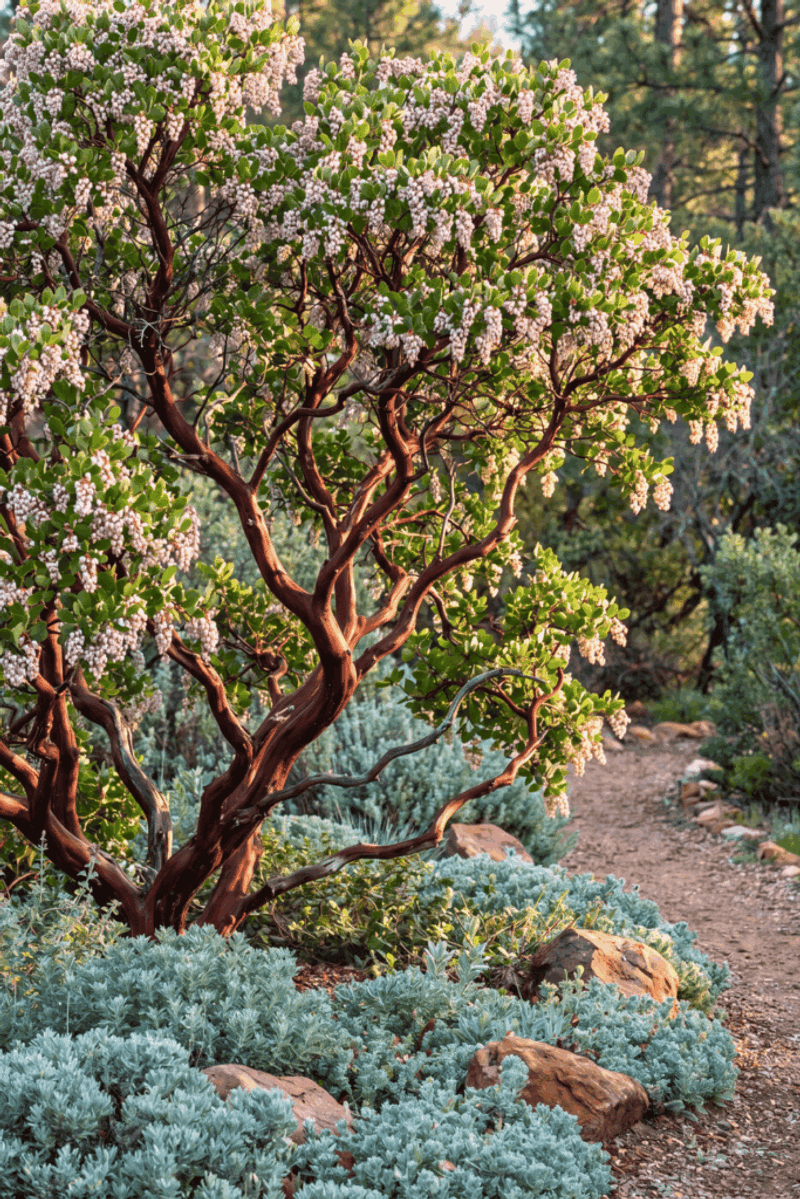
Run your hand along a manzanita branch and it feels almost like polished wood furniture. That smooth, cinnamon-red bark is the first thing people notice, and it looks good every single day of the year.
Planted in October or November, manzanita uses the winter rains to push roots deep into the soil. After the first year or two, many varieties can get by on rain alone in much of the state, and summer watering can actually cause root rot.
Cultivars like ‘Howard McMinn’ and ‘Sunset’ tend to be more forgiving in regular garden soil.
Tiny pink or white bell flowers open in late winter, which is a big deal for early native bees and Anna’s hummingbirds when little else is blooming. Give it good drainage, skip the rich amendments, and let it be.
2. California Lilac (Ceanothus)
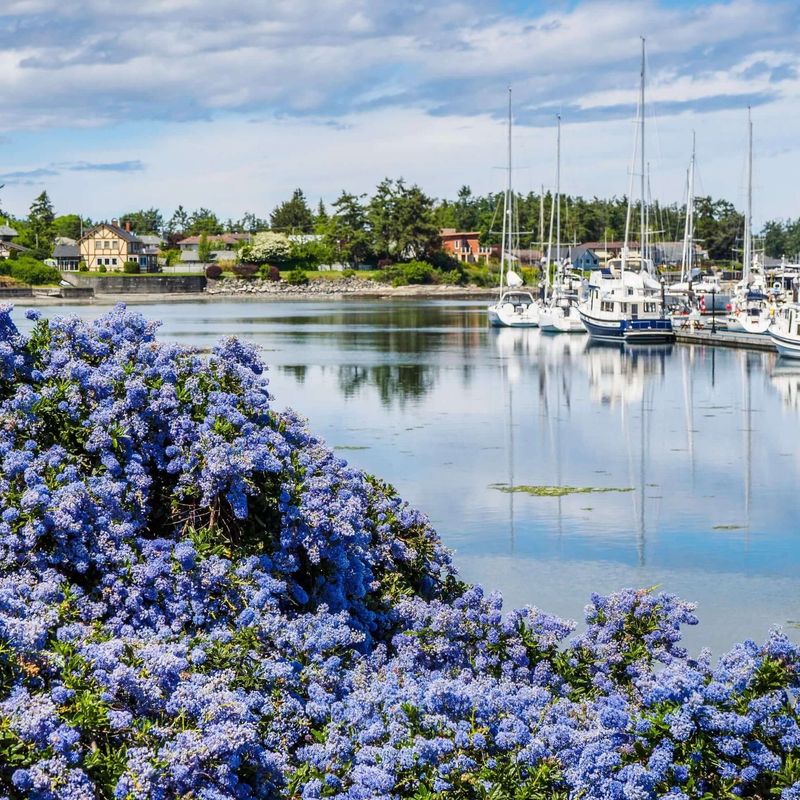
Few sights in a California spring match a ceanothus in full bloom. Whole shrubs turn sky blue or deep cobalt, and the buzzing can be heard from the sidewalk.
Ceanothus grows quickly, sometimes filling a space within two seasons when planted before the rains. Once established, most types prefer dry summers.
Regular sprinklers can shorten their lifespan, so keep them away from lawn irrigation.
Native bees, honeybees, and butterflies all crowd the flowers, and some ceanothus also host caterpillars of the pale swallowtail. Choose a variety sized for your space, since some stay low as groundcovers while others become small trees.
Expect a lifespan of roughly 10 to 15 years, which is part of the deal with this fast-growing beauty.
3. Toyon
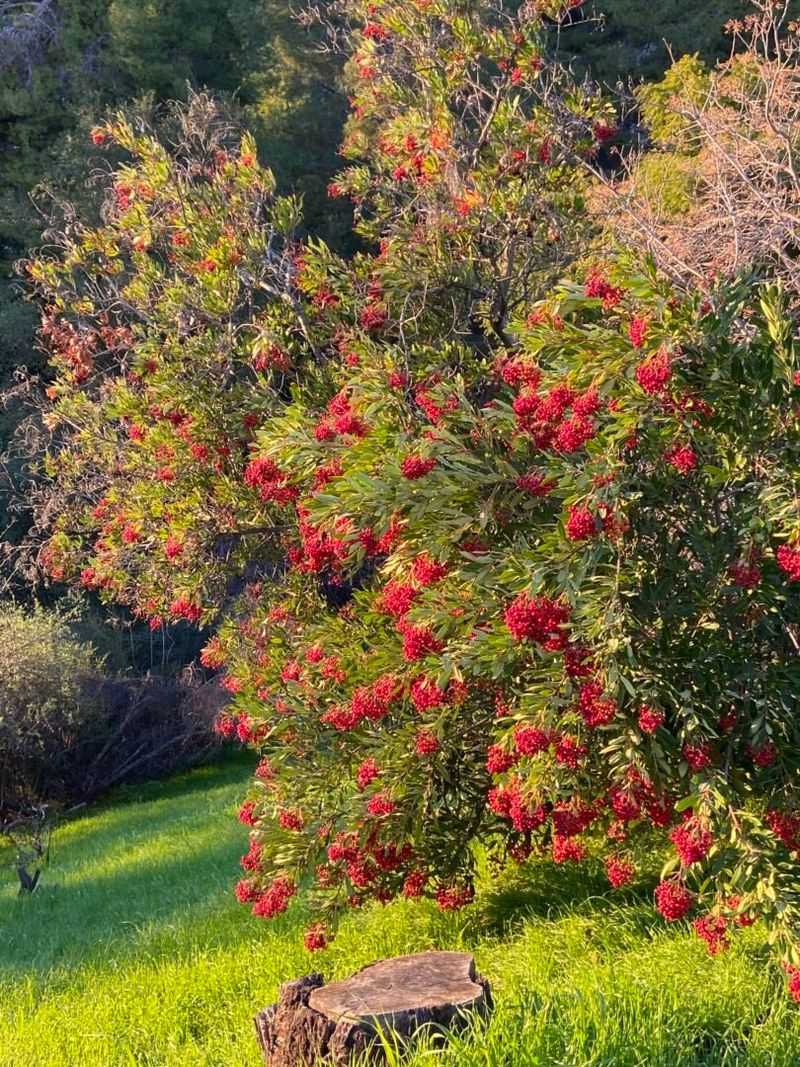
Hollywood got its name from this shrub. Early settlers thought toyon’s red winter berries looked like holly, and the nickname stuck to an entire neighborhood.
Toyon is one of the most adaptable natives around. It handles clay, sun, part shade, and coastal or inland heat.
Plant it in fall, water it through its first dry season, and it can often survive later summers with just an occasional deep soak.
White summer flowers feed pollinators, and the berries ripen just as robins, mockingbirds, and cedar waxwings come looking for food. It works well as a screen or informal hedge and can reach 8 to 15 feet.
If you want one plant that does a little of everything, start here.
4. Coffeeberry
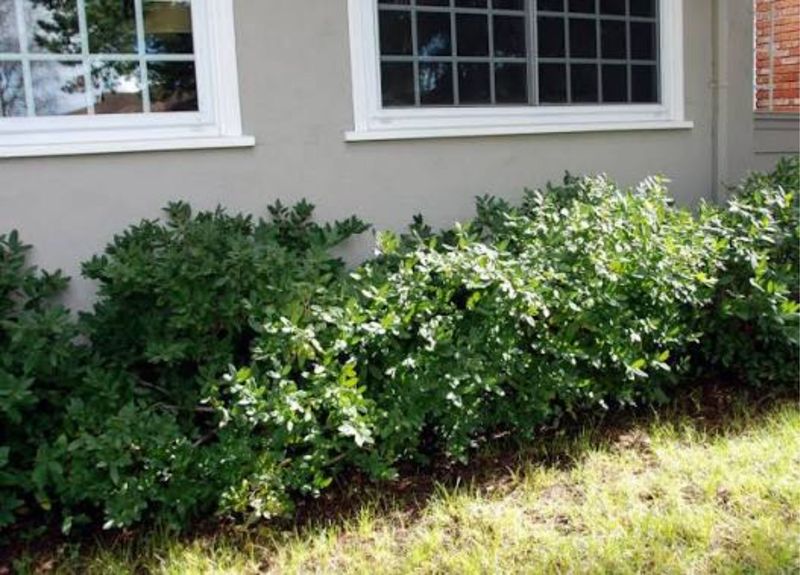
Need a hedge that does not need a hedge trimmer every month? Coffeeberry quietly fills that role.
Its dense, dark green leaves stay neat with little shaping, and compact selections like ‘Eve Case’ and ‘Mound San Bruno’ fit nicely along fences and foundations. Berries shift from green to red to nearly black, and birds pick them off fast.
Fall planting gives roots time to grow through winter. After establishment, a deep watering once a month in the hottest stretch is usually plenty, and coastal gardens may need even less.
It also tolerates some shade, which makes it a handy swap for thirsty privet or boxwood.
5. Cleveland Sage
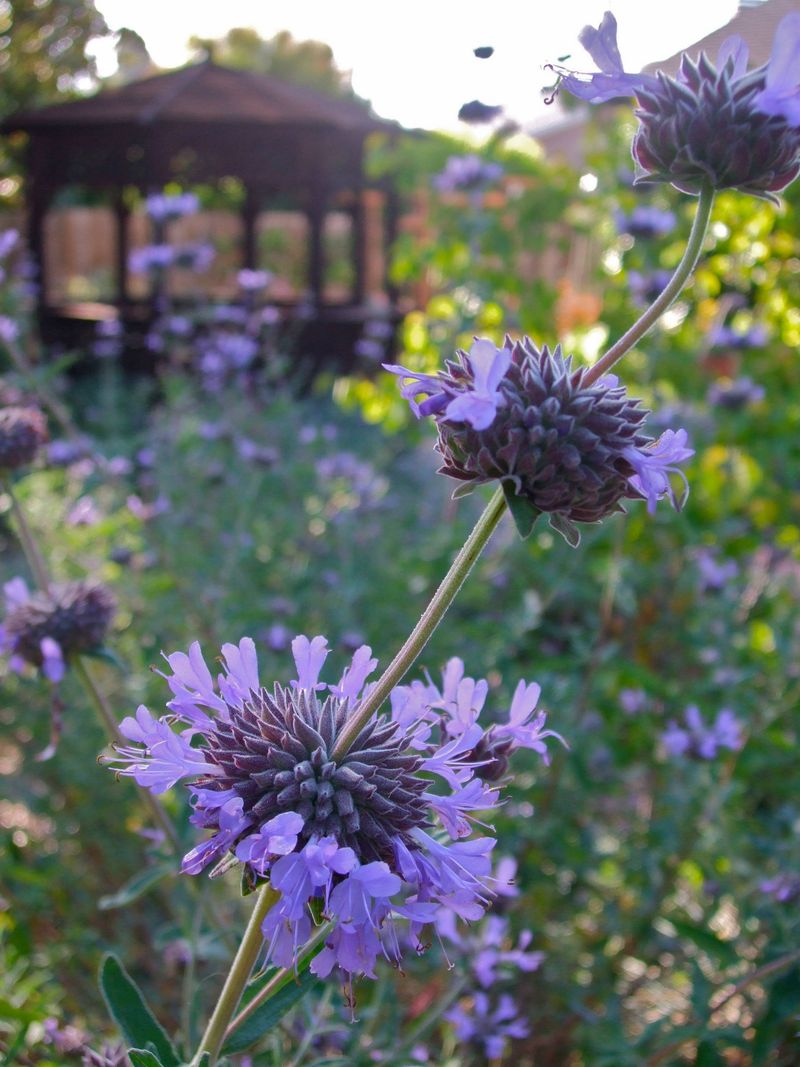
Brush past Cleveland sage on a warm afternoon and the whole path smells sweet and resinous. Many gardeners say this is the plant that sold them on natives.
Native to San Diego County and northern Baja, it thrives in heat and full sun. Its gray leaves help reflect light and save moisture, so after the first summer it can need very little water.
Too much summer water can actually make it floppy and short-lived.
Purple flower whorls stack up the stems in late spring, pulling in hummingbirds, bumblebees, and butterflies. Cut back lightly after bloom to keep it tidy. ‘Winnifred Gilman’ and ‘Allen Chickering’ are popular, reliable picks.
6. Fuchsia-Flowered Gooseberry
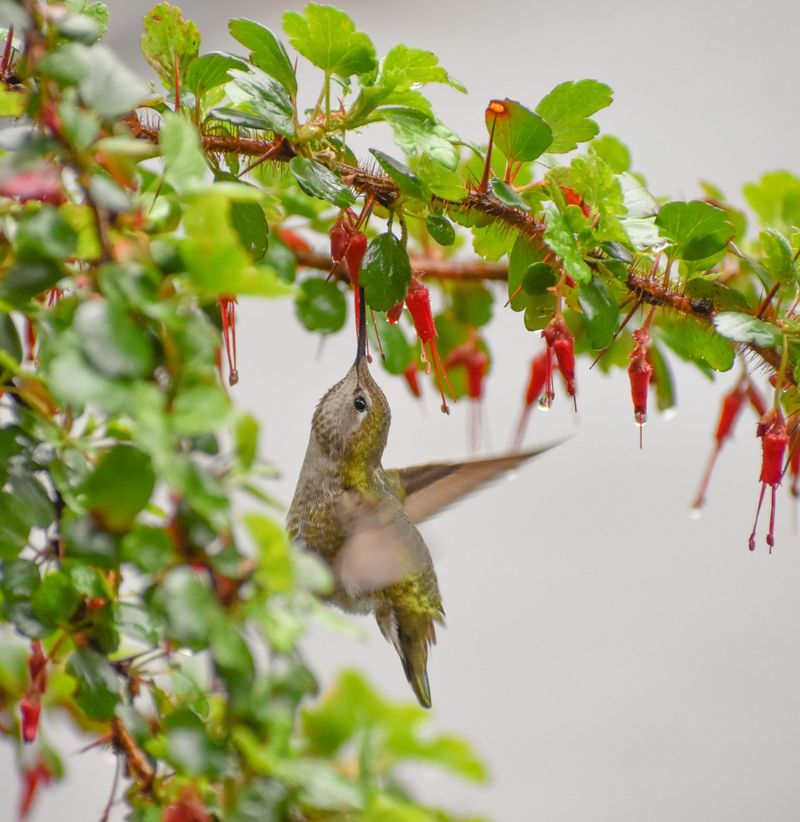
Here is a native for the tricky dry shade under oaks and along north-facing walls. Fuchsia-flowered gooseberry hangs rows of little red lanterns from its branches in winter and early spring.
Hummingbirds treat it like a reliable winter diner. The timing matters, because flowers open right as the rains arrive and new roots are forming, so planting in fall lines everything up nicely.
It may drop leaves in late summer to save water, which is normal and not a sign of trouble. Wear gloves, since the stems are spiny.
Those spines can be useful, though, as a living barrier under windows.
7. Bush Anemone
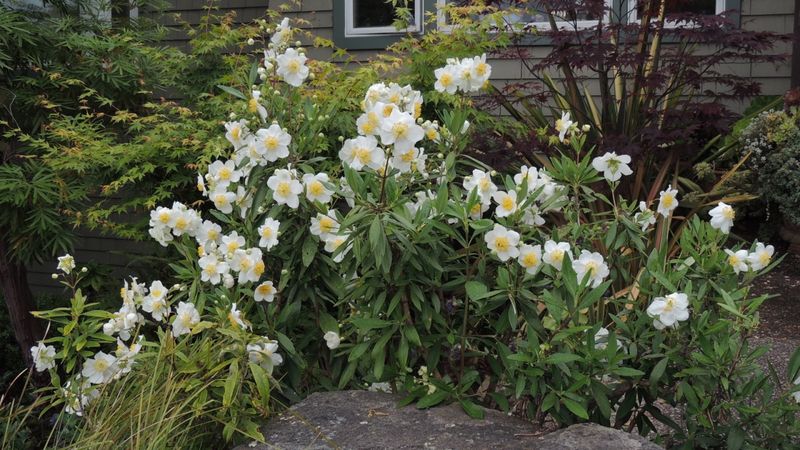
White flowers the size of a silver dollar, each with a bright golden center, make bush anemone look far fancier than its toughness suggests. It is a rare native found wild only in a small area of the Sierra foothills near Fresno.
In gardens, it settles in best when planted in fall and watered through the first summer. Afterward, it generally does well with infrequent deep watering, especially with afternoon shade in hot inland areas.
Glossy evergreen leaves keep it attractive year-round, and early summer blooms give bees a boost after spring flowers fade. It is a great choice for anyone who wants a polished, almost formal look without a thirsty plant.
8. Lemonade Berry
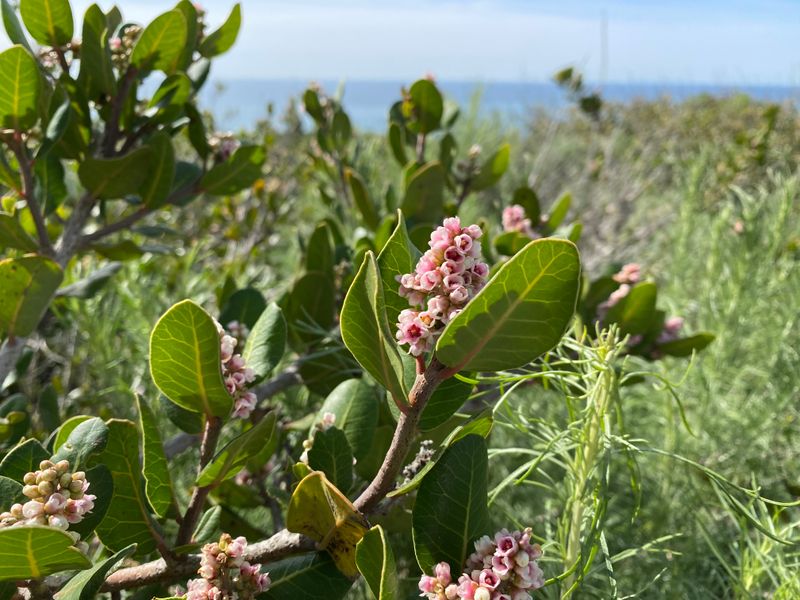
Kids love this one. The sticky, tangy coating on lemonade berry fruit can be soaked in water for a mild lemonade-like drink, a trick used by Indigenous Californians long before anyone else.
Thick leathery leaves help it shrug off wind, salt air, and drought, making it a star for coastal Southern California yards. Planted before the rains, it can anchor slopes and form a dense screen.
Once established, it often needs little or no summer water near the coast.
Pinkish flowers in late winter feed early pollinators, and birds eat the fruit. Keep in mind it is related to sumac, so a few sensitive people may react to it.
9. Western Redbud
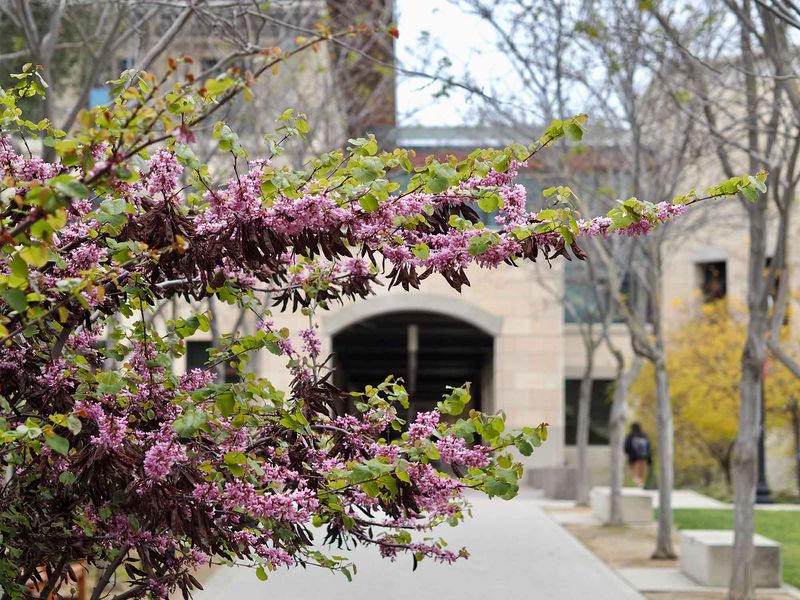
Bare branches suddenly coated in bright magenta flowers are the redbud’s springtime party trick. Blooms show up before leaves, so the color is impossible to miss.
Western redbud needs some winter chill to flower its best, so it shines in inland valleys and foothills more than mild coastal spots. Fall planting lets roots settle during the rains.
Once established, it can often handle summer with an occasional deep drink.
Heart-shaped leaves follow the flowers, then flat purple seedpods add interest through fall. It can be grown as a multi-trunk shrub or small tree, around 10 to 20 feet tall.
Bees adore the early blooms.