
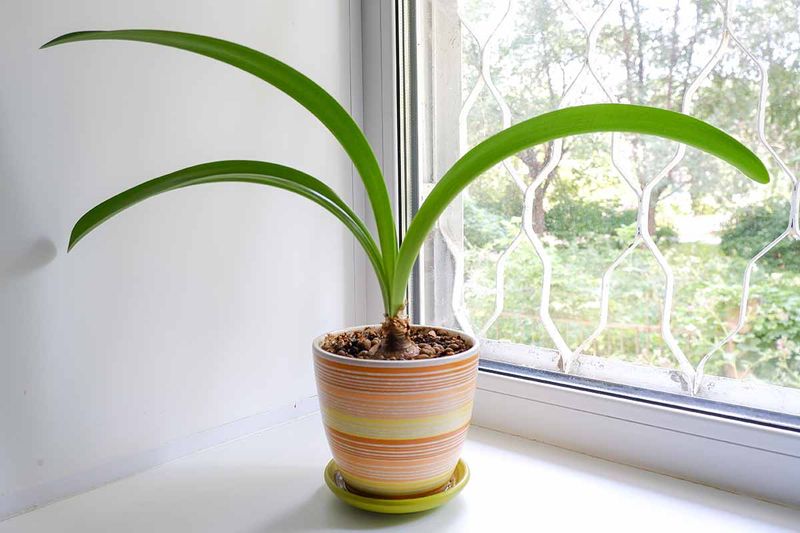
You potted a holiday amaryllis, and now green leaves are climbing up but there is no flower stalk in sight. That can feel like a sign something went wrong, yet leaves are really a clue, not a verdict.
Some bulbs send up leaves first, and others lack the stored energy to flower right now. Knowing the difference helps you care for the plant and set a fair expectation for December.
Leaves first do not automatically mean the bloom has failed
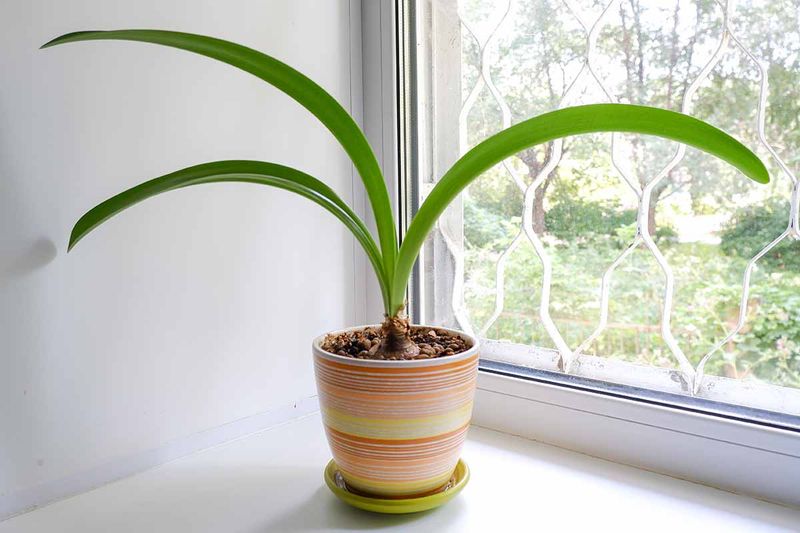
Most of the time the flower stalk shows up first, and the leaves follow. But University of Maryland Extension notes that leaves sometimes come up before the stalk.
So a bulb with leaves and no stalk may simply be running on its own schedule.
There is another possibility to keep in mind. A foliage-only flush can mean the bulb does not have enough stored energy to flower, and the New York Botanical Garden and Iowa State both list weak bulb reserves as one reason for leaves without flowers.
It is not the only reason, though. Timing, bulb condition, past care, too much water, and too much nitrogen can all play a part.
Leaves alone cannot tell you whether a stalk is coming or when.
One small note: the holiday bulbs sold as amaryllis are generally Hippeastrum hybrids, not the true South African Amaryllis genus. The common name is used for both.
Support the leaves while the bulb is actively growing
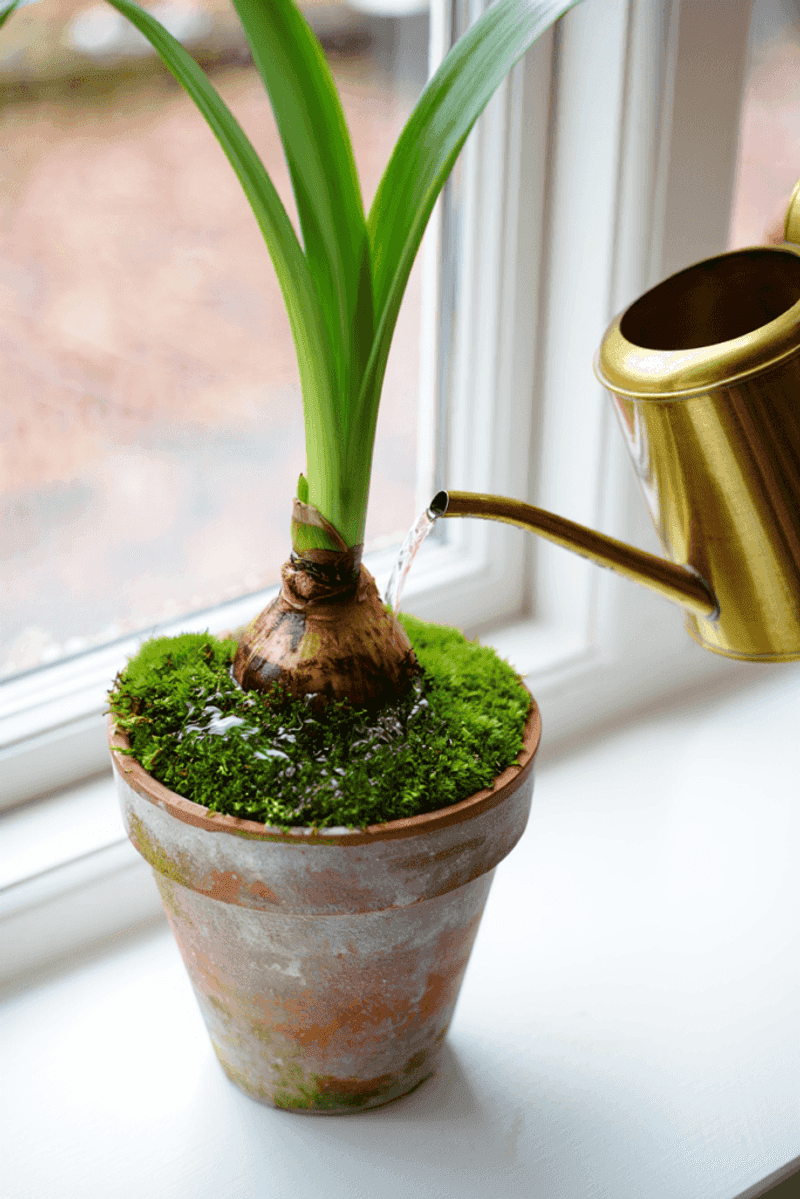
Living leaves are working for you, so give them what they need. Park the pot in bright light, such as a sunny window, and turn it now and then so growth stays upright.
Use a pot with drainage holes, and never leave the bulb sitting in a saucer of water.
Water when the top layer of mix has dried out. Maryland suggests letting the top half inch dry between drinks, while Minnesota advises watering when the top 2 inches feel dry.
Both warn against waterlogged soil, which can harm roots.
Good light and careful watering support healthy growth, but they cannot guarantee a flower stalk. Do not snip off healthy leaves just because no bloom has appeared.
They help the bulb rebuild its reserves.
Fertilizer is not a guaranteed last-minute fix
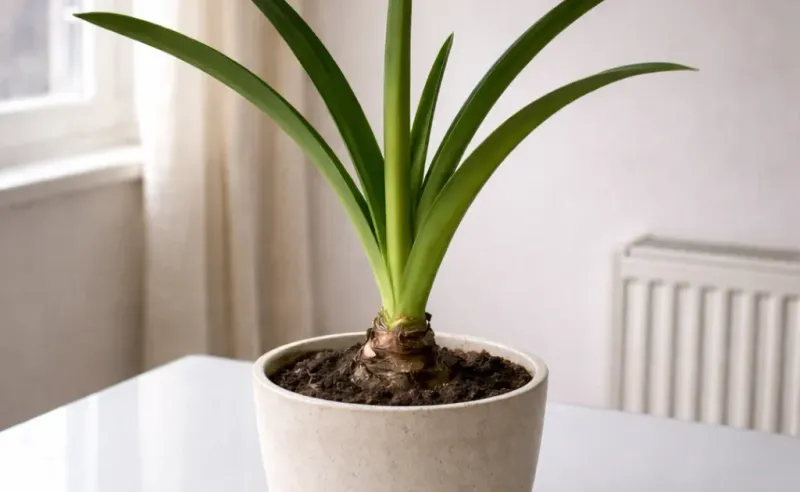
When a bulb stalls, a bottle of plant food looks like the easy answer. The sources reviewed do not back fertilizer as a fast cure for a foliage-only bulb, so it is wise not to count on it for a December flower.
Too much can even work against you. UF/IFAS explains that excess nitrogen or overly rich soil can favor leaves over flowers.
If you have overfed or overwatered, correcting that makes more sense than adding a bloom booster.
Advice also changes with the growth stage. Maryland says feeding is not necessary during the immediate forcing stage and suggests it after flowering.
Minnesota recommends diluted fertilizer once new growth is visible.
Because sources differ, no single formula is the missing ingredient. Treat feeding as part of long-term care, not a rescue.
The bulb’s timing may not match the holiday deadline
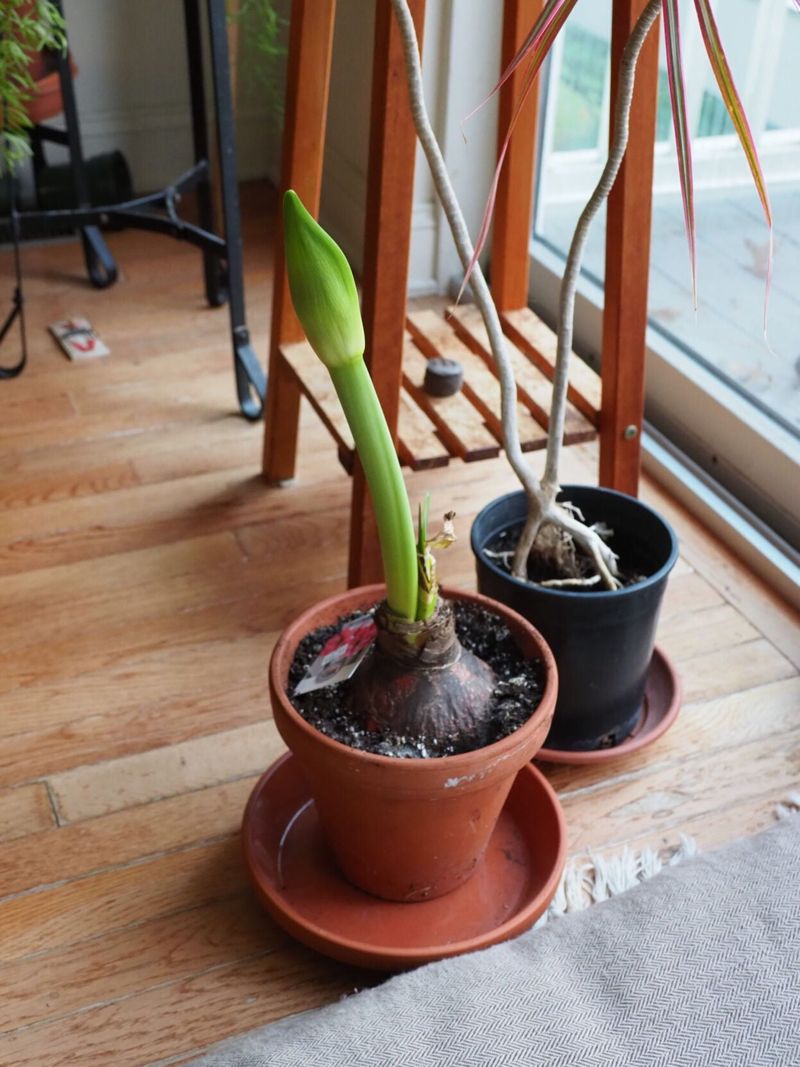
Calendars are stubborn, and bulbs do not read them. South Dakota State Extension describes freshly potted bulbs as commonly taking about six to eight weeks to flower, and sometimes longer.
A bulb potted in late November or already making leaves may well miss December 25.
Timing depends on the bulb’s stage and condition. Some will surprise you with an early stalk, but nobody can promise one, so plan for a bloom that could arrive after the holiday.
Dormancy often comes up here. It is a way to schedule a later growth cycle, not a rescue for a bulb with living leaves.
Minnesota says amaryllis can flower without dormancy, while it is a tool to control bloom time. New Hampshire guidance is similar.
Skip withholding water from an actively growing bulb.
Use this growth to prepare for a later flowering cycle
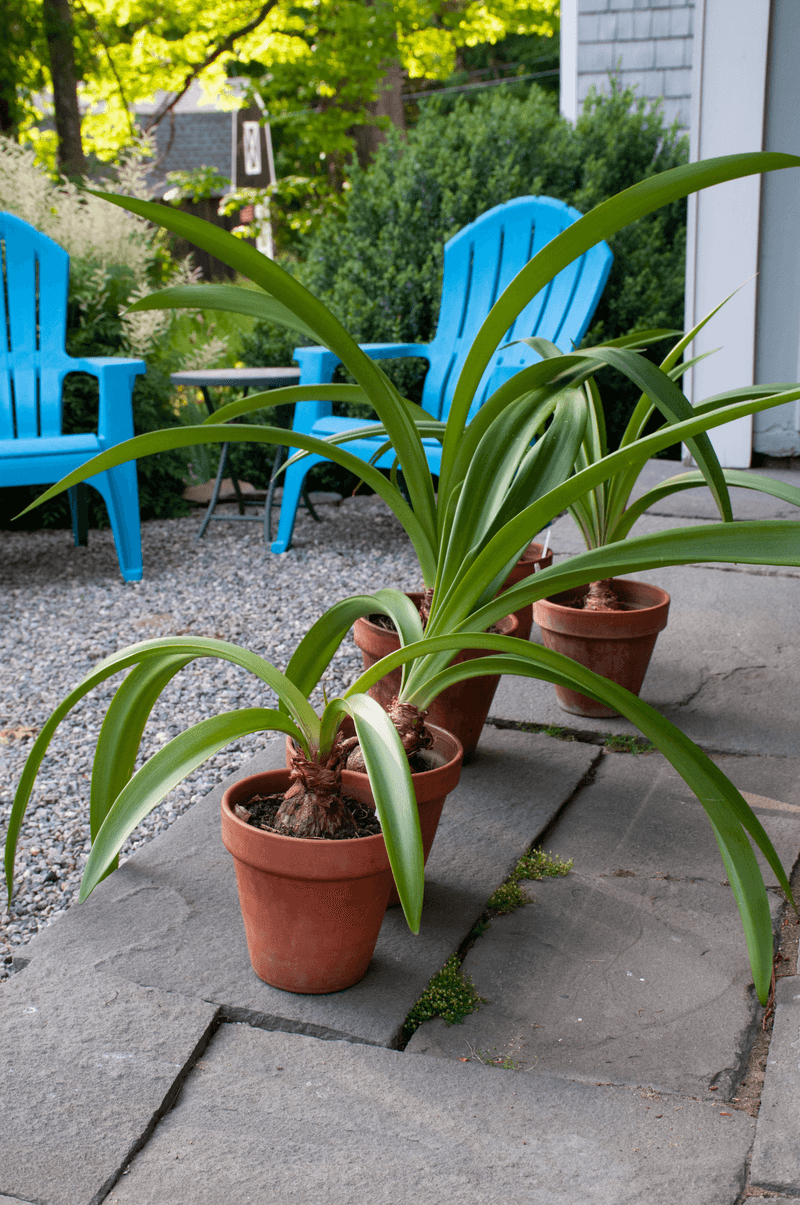
If this year’s bulb misses the holiday, the leaves are still doing useful work. They photosynthesize, turning light into energy the bulb stores for next time.
Healthy foliage today can mean a better chance at flowers later.
After blooming, keep the plant growing with good light and appropriate water. As one example, Minnesota recommends moving it outdoors in summer after gradually acclimating it, with monthly fertilizer during that growth period.
That is one regional example, not a rule for every home.
Extension sources disagree on dormancy. Maryland says it is needed for reblooming, while Minnesota and New Hampshire say it is not required but can help time flowering.
Either way, a well-grown bulb gives you the best shot.
Choose care, not a promised shortcut
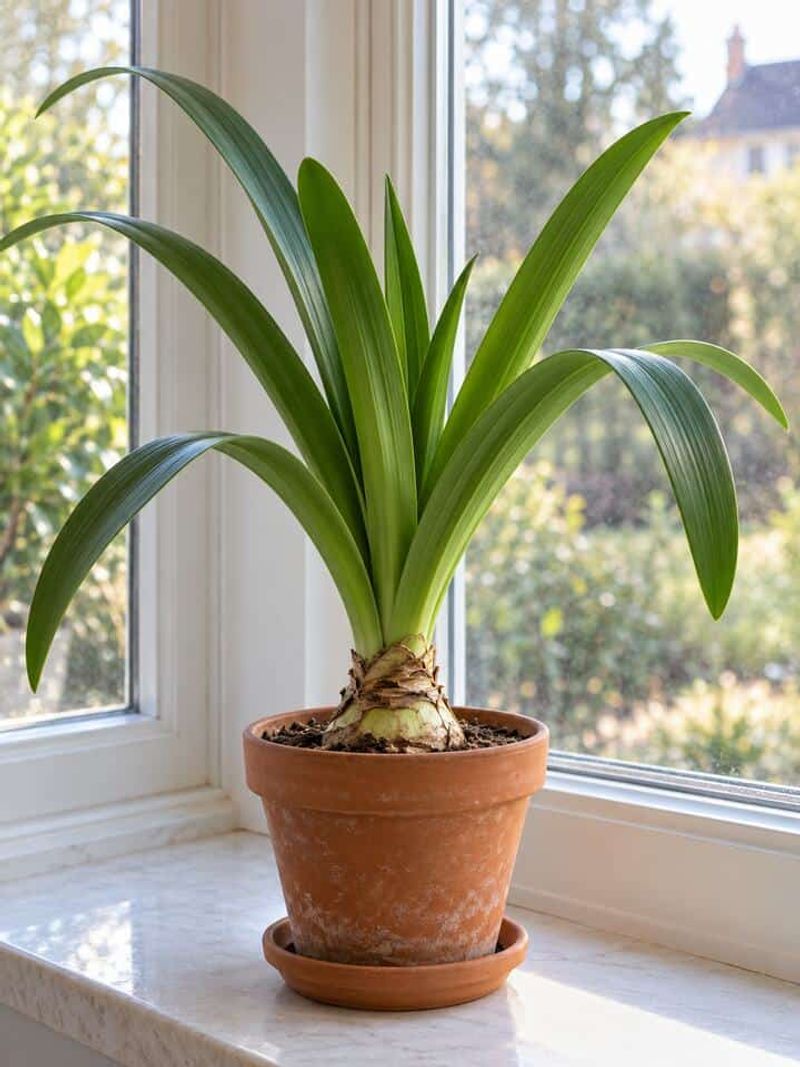
Keep the healthy leaves, give the pot bright light, and fix any soggy soil using the Maryland watering guidance. Skip the fertilizer rescue and the forced dormancy.
Expect that a six to eight week or longer wait may run past Christmas.
Also keep the bulb and plant parts away from pets, since amaryllis is toxic to cats, dogs, and horses if ingested.
You can control the care, but the bulb sets the date.