
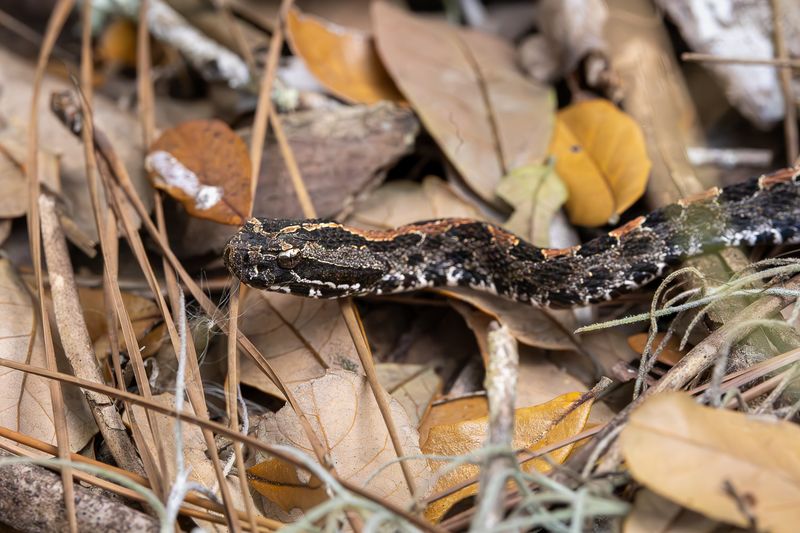
A cool Florida morning feels perfect for catching up on yard work, but a hidden shelter may already have an occupant. Woodpiles, stacked pots, and thick ground cover can shelter venomous snakes or widow spiders, even in winter.
Cold weather slows many animals down, but warm spells can bring them back out. Before you grab that log or reach behind a planter, these seven chores deserve a closer look.
1. Pulling Firewood From a Backyard Stack
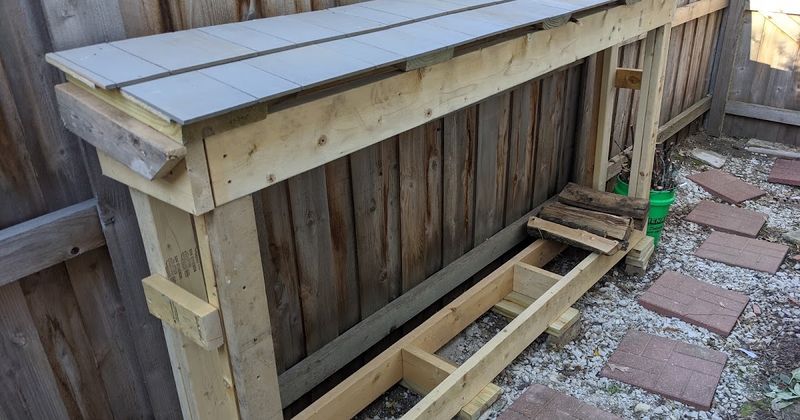
One quick reach for a fireplace log can put your fingers into a space you cannot see. A woodpile offers shade, cover, and gaps that may shelter snakes or widow spiders, especially when it sits undisturbed beside a shed.
Florida does not have one uniform winter. North Florida may have freezing nights, while southern yards stay mild enough for animal activity through much of the season.
Before collecting wood, inspect the stack from a comfortable distance and light up the gaps with a flashlight. Never slide your fingers behind a log or underneath the bottom row, and stop if an animal is visible.
Wear sturdy gloves, long pants, and closed-toe shoes, but do not treat gloves as bite-proof armor. Take only wood you can clearly see and handle without reaching into a concealed space.
For future storage, use a stable rack raised off the ground and keep the area around it open. Separating firewood from the house also makes inspection easier and reduces sheltered clutter near doors.
2. Scooping Leaves From Dense Garden Beds
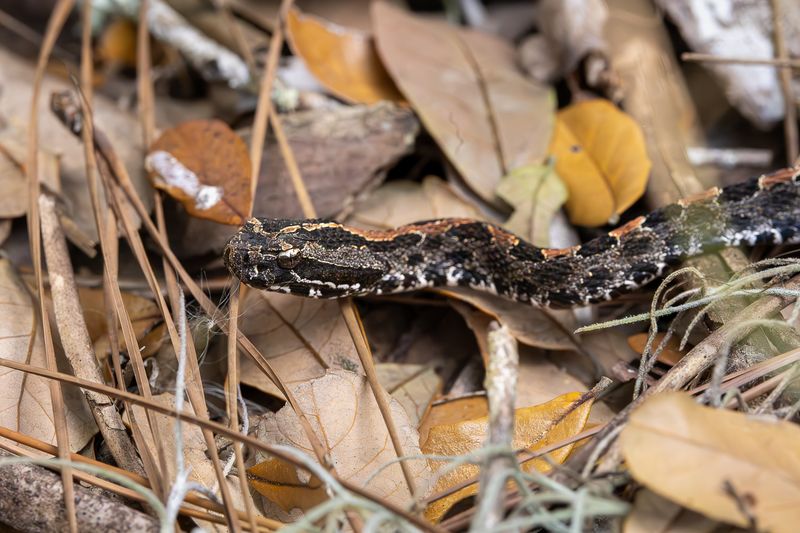
A neat-looking blanket of oak leaves can hide the soil completely. When you scoop it up by hand, you also lose sight of whatever is resting beneath it.
Leaf litter can shelter small animals and the prey that draws snakes into a yard. Pygmy rattlesnakes occur in Florida and can be difficult to spot against leaves, although finding one in any particular garden is far from certain.
Work from an open edge with a long-handled rake rather than kneeling down and gathering armfuls. Move small amounts while watching the ground, and avoid putting your hands into the material as you load it.
You do not need to strip every bed bare to garden safely. Leaves support useful wildlife and help protect soil, so focus cleanup on walkways, work areas, and spots where people routinely reach or step.
Keep children and pets away during the job. If you uncover a snake, stop, back away, and let it leave without poking, cornering, or trying to identify it up close.
3. Sorting Stacked Pots and Seed Trays
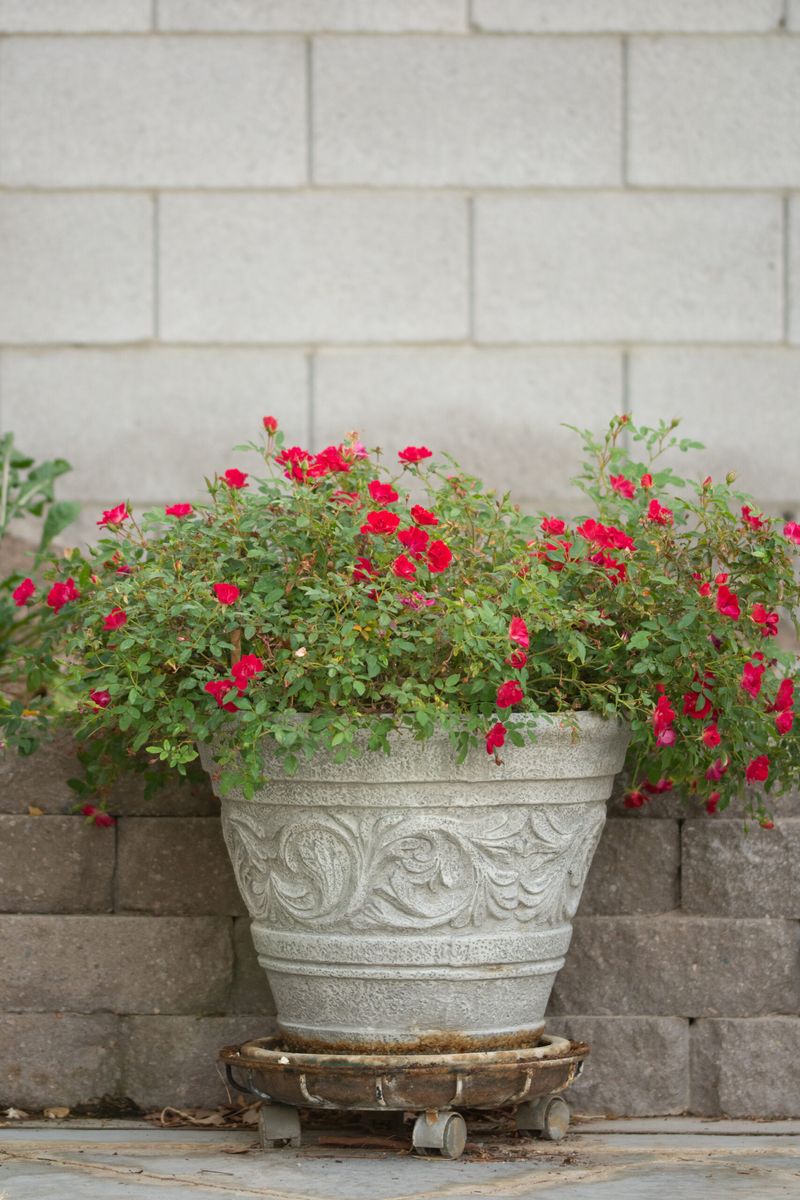
That tower of empty nursery pots has more hiding places than it appears to. Rolled rims, drainage holes, and spaces between nested containers create sheltered corners where widow spiders may build webs.
Brown widows often use human-made objects around Florida homes. Black widows also occur in the state, so an old pot deserves a look before your fingers curl beneath its rim.
Set up a bright sorting area instead of reaching blindly into a dark storage corner. Examine visible surfaces with a flashlight, and do not push fingers into drainage openings or hidden handholds.
If you spot a spider or an occupied web, set the chore aside rather than brushing it away with your hand. Avoid handling a spider for identification, even if it appears dead.
Once containers are inspected and cleaned, store smaller supplies in lidded bins and keep frequently used pots easy to check. Gloves reduce contact with rough edges and dirt, but they do not make hidden spiders safe to grab.
4. Clearing Boards, Tarps, and Leftover Storm Debris
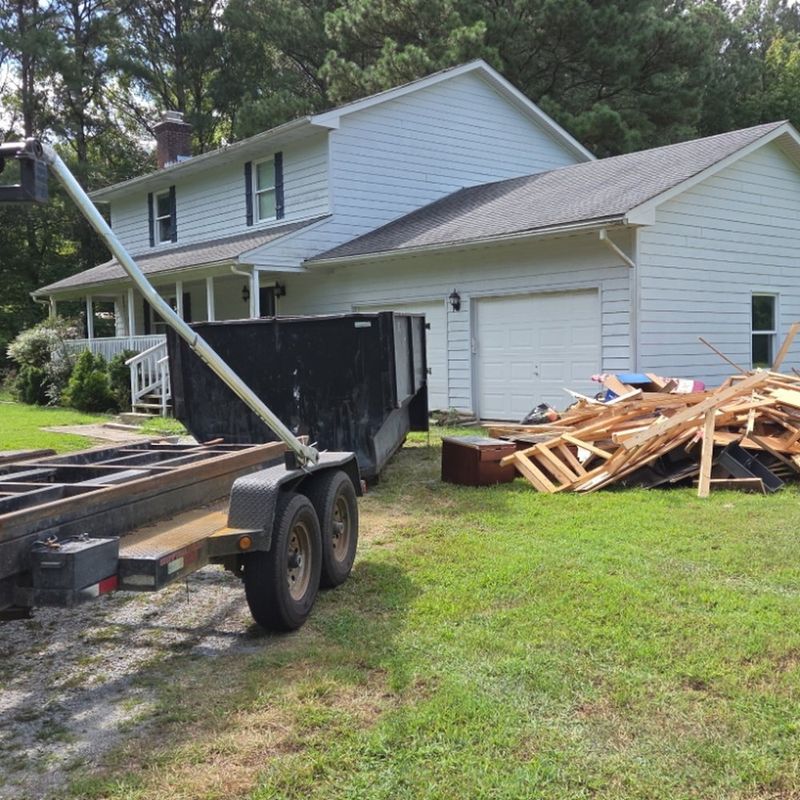
Leftover fence boards have a way of becoming permanent yard furniture. Add a folded tarp or a sheet of plywood, and the quiet space underneath can become useful cover for wildlife.
In Florida, that wildlife can include venomous snakes, depending on the area and nearby habitat. Widow spiders may also occupy protected folds and corners, making this a different challenge from gathering loose leaves.
Plan the cleanup before moving anything. Clear a walking route, keep pets indoors, and decide where each piece will go so you are not standing with a heavy board and nowhere to put it.
Do not slip fingers under edges or drag a tarp toward your feet. Use appropriate long-handled equipment for manageable debris, and get help with large, unstable, or heavy pieces rather than wrestling them alone.
If an animal appears, leave the material alone and retreat. After the area is clear, dispose of unusable scraps and store useful lumber on a stable rack where the ground remains visible.
5. Opening Irrigation Valve Boxes
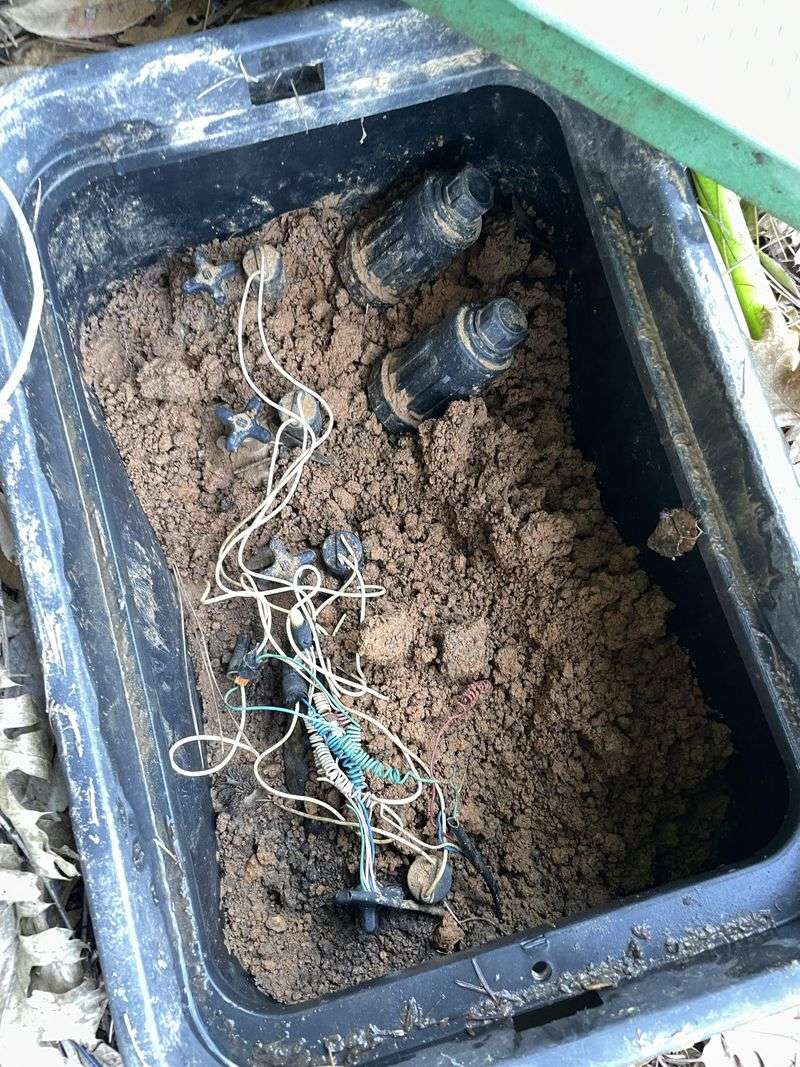
A sprinkler repair can turn into a blind reach surprisingly fast. Underground valve boxes are dark, sheltered spaces, and their lids may conceal spiders, insects, or occasionally a snake.
The risk is not a reason to fear every irrigation box. It is a reason to inspect before putting your hand beside a valve, wire, or pipe that you cannot clearly see.
Clear grass away from the outside first, using a tool rather than your fingertips around hidden edges. Follow the lid design and use a suitable lifting tool so you do not hook bare fingers beneath it.
Stay back as you open the cover, then illuminate the entire interior. If the contents are obscured by webs, soil, or an animal, stop instead of feeling around to find the part.
Have a qualified irrigation professional handle an unsafe or inaccessible repair. Once work is complete, replace cracked lids and secure covers correctly, which helps keep the system protected and makes the next inspection easier.
6. Pruning Low Shrubs and Pulling Tangled Vines
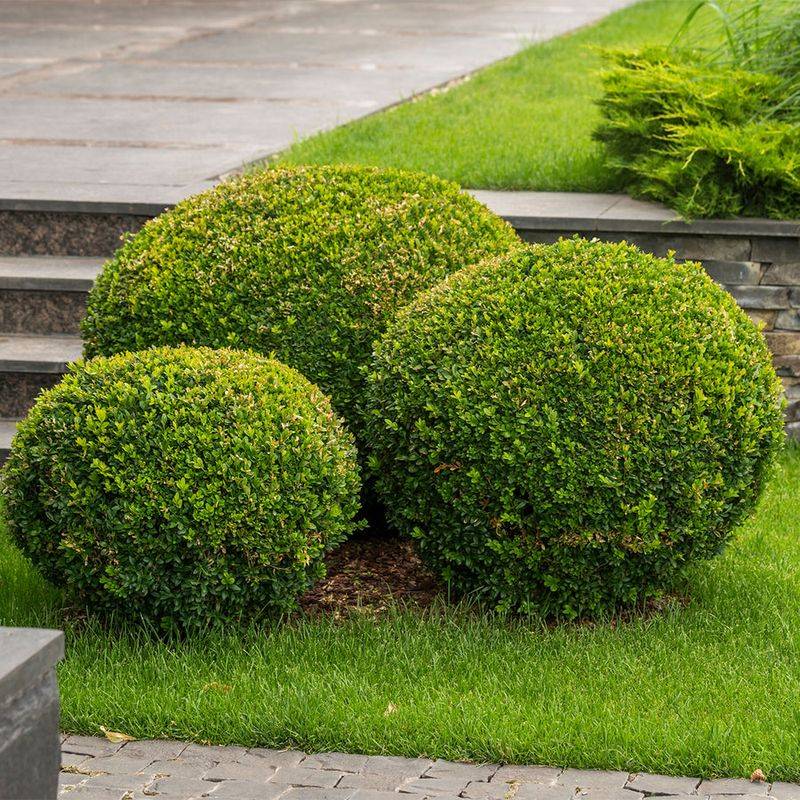
From the sidewalk, an overgrown foundation bed may look like a simple trim. Up close, its lowest branches can hide the ground, the wall, and every space your hand is about to enter.
Snakes may use dense vegetation for cover, while widow spiders can occupy sheltered spots around nearby landscape objects. The trouble starts when you reach through foliage to grab a vine or retrieve a fallen branch.
Inspect the bed from outside before cutting. Use hand pruners or long-handled loppers only where you can see the cutting point, and avoid pushing an arm into greenery to find a stem by touch.
Winter pruning also depends on the plant and your part of Florida. Heavy trimming before a freeze can leave some tender plants vulnerable, so check species-specific UF/IFAS guidance before a major cutback.
Aim for access rather than a bare yard: keep paths usable and leave room to inspect around fixtures. If you see a snake, give it space and postpone work instead of trying to flush it out.
7. Retrieving Gloves and Tools From Outdoor Storage
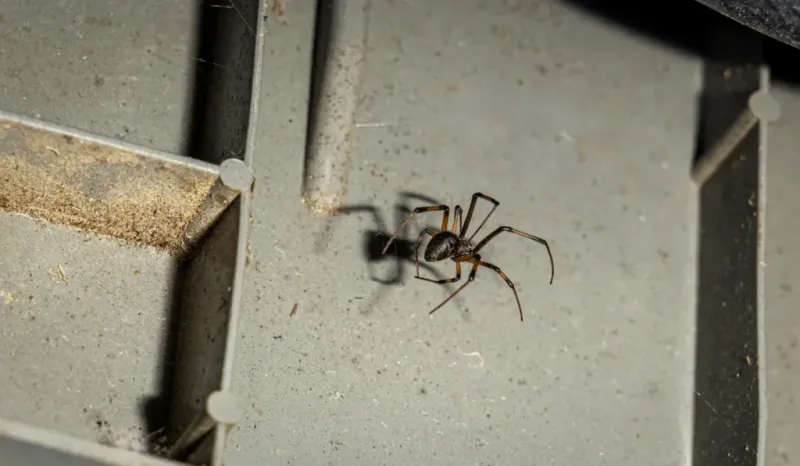
Yesterday’s gloves can become today’s overlooked hiding place. Boots, folded garden aprons, and rarely used tools left in a shed or carport offer dark spaces that deserve inspection before use.
Widow spiders occur around Florida structures, especially in undisturbed areas. A glove on a shelf is not automatically dangerous, but sliding your fingers inside without looking creates avoidable contact.
Bring stored gear into good light and check openings, folds, and undersides before handling it. Do not assume a quick shake proves an item is empty, and never put your hand inside a boot to check.
Keep clean gloves and small supplies in closed containers, hang tools where their handles are visible, and reduce floor clutter. Shake out and inspect clothing carefully before putting it on.
If a suspected venomous snake bites someone, call 911 immediately, limit movement, and never cut, suck, ice, or tourniquet the bite. For a suspected widow bite, contact Poison Control at 1-800-222-1222; call 911 for severe symptoms such as trouble breathing.