
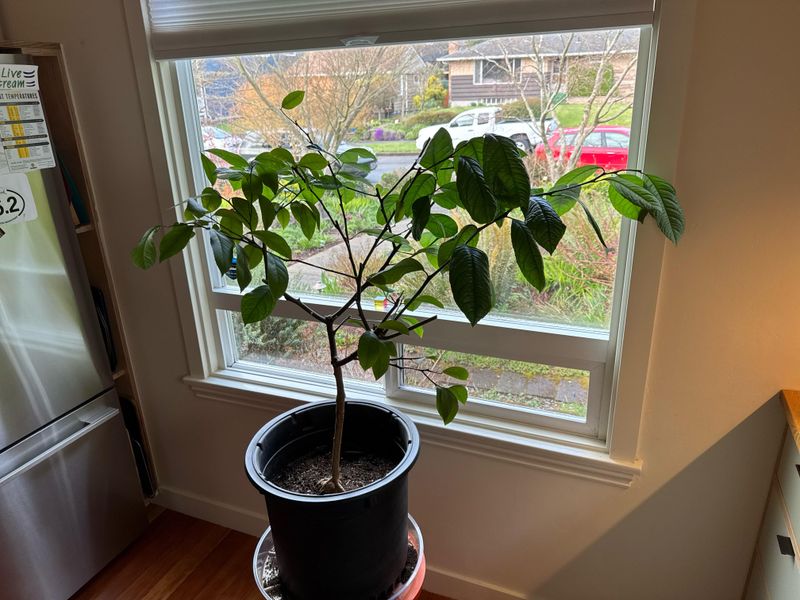
You carried your potted lemon tree inside to protect it from frost, and now leaves are collecting on the floor. That sight is worrying, especially when the tree looked fine a few weeks ago.
Leaf drop after a move has several possible causes, and a nearby heat vent is only one of them. Here is how to lower the stress and check the other likely culprits without making things worse.
Why might a lemon tree drop leaves after moving indoors?
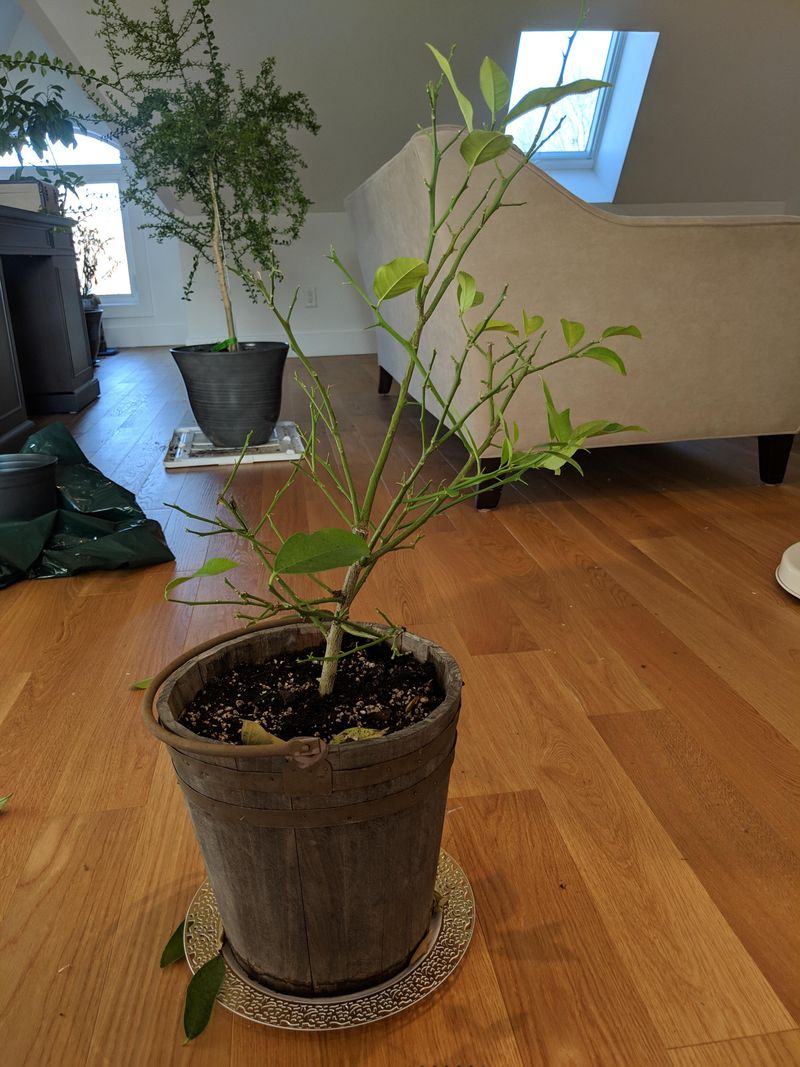
Moving a lemon tree from the patio to the living room changes almost everything about its day. Light is dimmer, temperatures are different, and the air is often drier.
The tree may respond by shedding some leaves while it adjusts.
University of Maryland Extension links citrus leaf drop to too-warm or too-cold conditions, soil that is too wet or too dry, and adjustment to changed light and humidity. That list matters because a fallen leaf looks the same no matter what caused it.
Timing alone will not tell you the answer either. A tree that drops leaves soon after coming inside may be adjusting, but it may also be dealing with soggy soil or a pest problem that was already there.
A UC Integrated Pest Management guide to houseplant problems also notes that several environmental and pest issues can cause similar symptoms.
So treat the heat vent as one suspect, not the verdict. The next sections walk through airflow, light, humidity, watering, and pests so you can narrow things down calmly.
The vent may add stress, but it is not a diagnosis
“Dry forced-air heat” actually bundles together a few separate things. The room air may be low in humidity, warm air may blow straight onto the leaves, or the temperature may swing up and down through the day.
Each one can stress a citrus tree in a different way.
Sources do not pin leaf loss on one of these in a particular tree. Still, Iowa State University Extension advises keeping houseplants away from heat vents and drafts, which is easy to do and costs nothing.
Shift the pot so no register blows directly on the foliage. Keep it away from cold drafts too, such as leaky windows and doors that open often.
Moving the tree out of the airflow reduces one possible stressor, but it is not a guaranteed fix.
As Maryland Extension points out, temperature, soil moisture, and light can all play a part. If leaves keep falling after the move, that is a cue to keep checking rather than assume the vent was the whole story.
Give the tree bright, consistent light
Winter sun is weaker and shorter than what your lemon tree enjoyed outside. Citrus wants bright light, so pick the sunniest spot you can manage.
University of Wisconsin-Madison Extension recommends a sunny window, with south or southwest exposure being the ideal.
If your best window still looks gloomy by midafternoon, a grow light can fill the gap. Texas A&M AgriLife Extension notes that supplemental lighting may help when natural light is not enough.
It may not solve everything, but it removes low light from your list of suspects.
Once you find a good place, try to leave the tree there. Each move changes light and temperature all over again, and a plant that is already adjusting does not need a fresh round of change.
Houseplant guidance from Iowa State also stresses avoiding sudden shifts in conditions.
A simple habit helps: note where the tree sits and how the light falls, then make any change small and deliberate.
Use humidity guidance as a target, not a cure
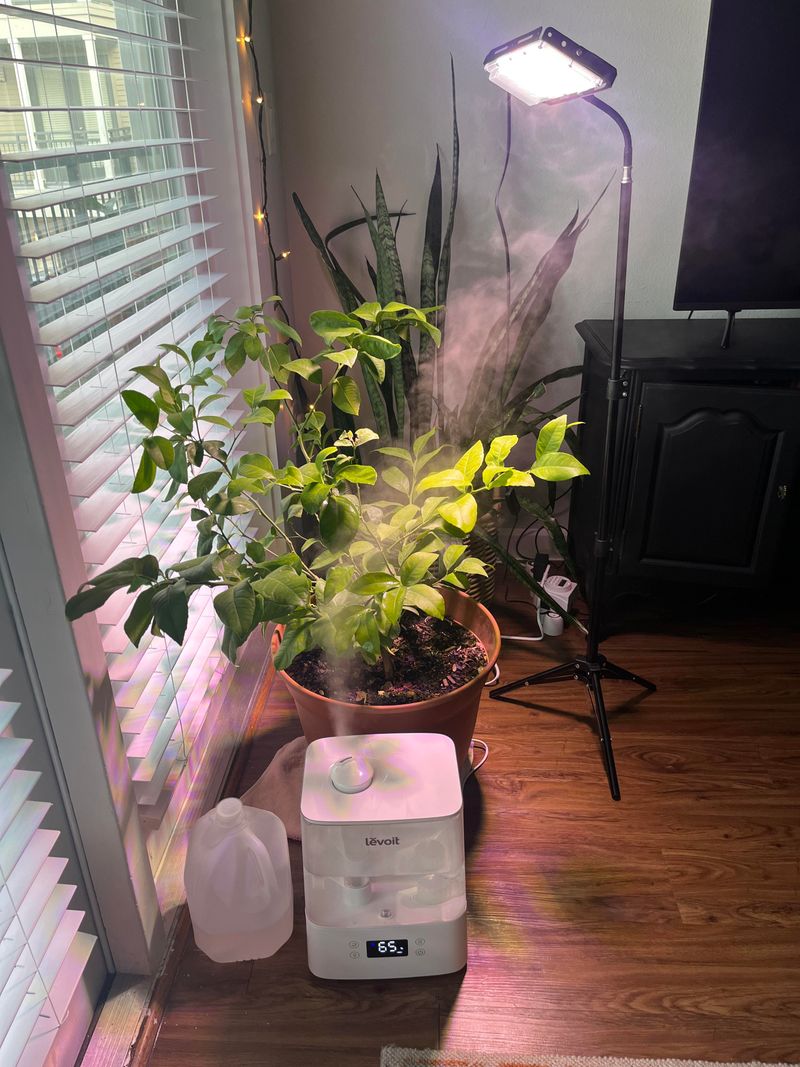
Heated homes in winter can feel parched. A humidifier placed near the tree is a practical way to raise the moisture level in that corner of the room.
Misting and pebble trays are less dependable, so do not count on them as a fix.
For numbers, Clemson Cooperative Extension gives 30 to 60 percent humidity as a range for good citrus growth. Maryland Extension suggests aiming for about 50 percent.
The two sources differ a little, so think of them as a target zone.
An inexpensive hygrometer lets you see what your room really reads before you buy anything. If you are already in range, humidity is probably not your main problem.
Clemson also recommends indoor winter temperatures around 55 to 65 degrees Fahrenheit. That is a guide for a comfortable setting, not a promise that one temperature will end leaf drop.
Keep the tree in a spot that stays fairly steady rather than chasing a perfect number.
Check soil moisture before watering

Falling leaves tempt many of us to grab the watering can, but more water is not always the answer. Overwatering is common with container citrus, and soggy roots can cause leaf loss too.
Check the soil and drainage first.
Citrus likes a mix that stays moist yet drains well. For the dry-down check, the sources differ slightly.
Texas A&M AgriLife Extension suggests looking at the top inch, while Maryland Extension suggests checking about 2 inches down.
Pick one method and use it consistently. When the layer you are checking feels dry, water thoroughly until liquid runs out of the drainage holes.
If it still feels damp, wait.
Then let the pot drain and empty the saucer so the roots are not left sitting in water. Make sure the drainage holes are not blocked.
If the soil stays wet for days, the pot, the mix, or your watering rhythm may need attention.
Inspect leaves and stems for pest clues
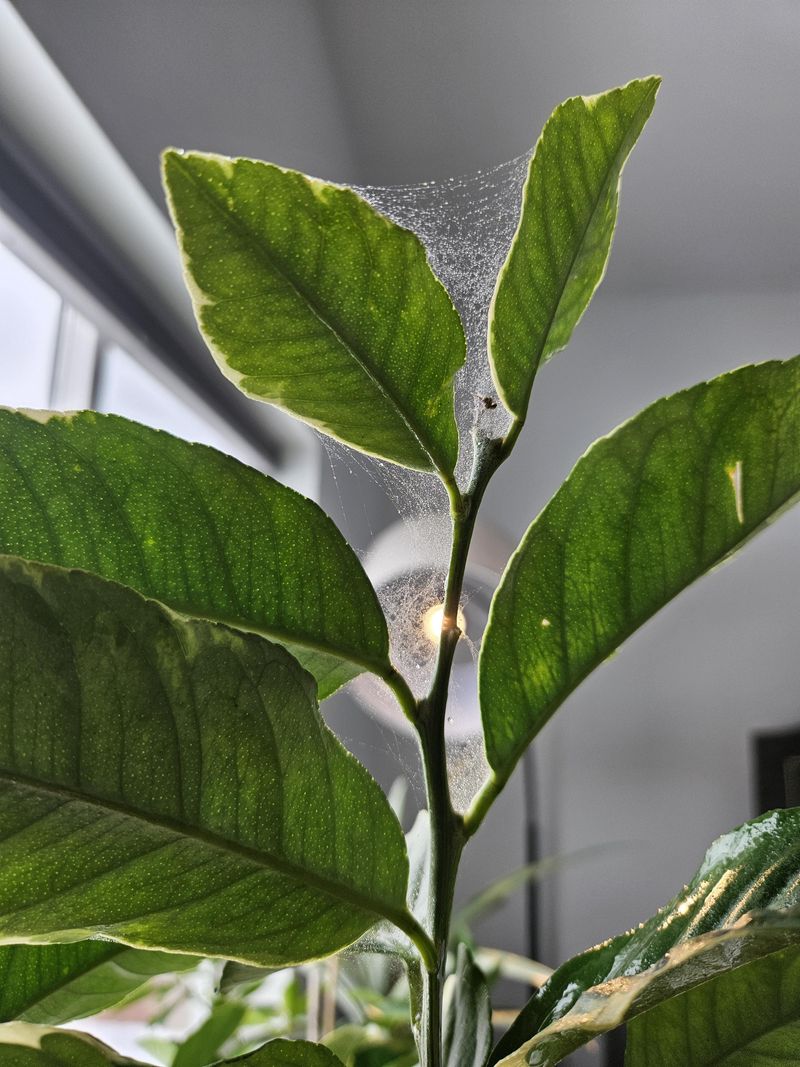
If leaf loss continues or the leaves look off in other ways, take a close look at the tree. Turn leaves over and run your eye along the stems.
Do this in good light, and a magnifying glass helps.
Fine speckling or stippling on leaves, or thin webbing, can be a clue to spider mites. Sticky honeydew or small bumps on stems may point to scale.
Tiny flying insects that lift off when you shake the branches could be whiteflies. Maryland Extension lists these among the pests to watch for on indoor citrus.
Treat these as clues, not a diagnosis. Confirm what you are seeing before acting, and the University of Minnesota Extension guide to insects on indoor plants can help you compare what you find.
If you decide to use a pesticide, read the label first. Choose only a product labeled for indoor use and for both your plant and the pest involved, and follow the directions exactly.
Keep the setup steady and reassess
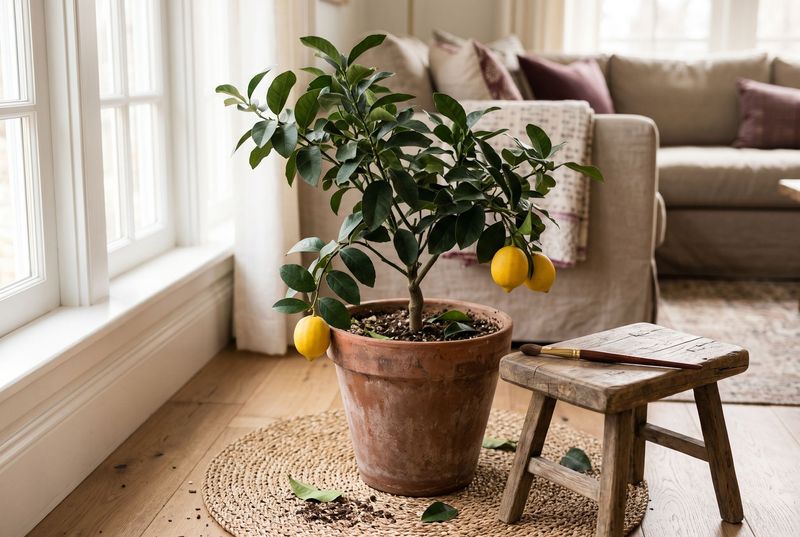
Start with the simple moves. Shift the tree out of direct vent airflow, give it the brightest steady spot you have, add a humidifier if the room is dry, and let soil checks decide when to water.
If leaves keep dropping, go back through light, moisture, temperature, and pests, using Maryland Extension and Iowa State as references. No fixed timeline applies, so change one thing at a time.
A lemon tree that sits quietly in steady conditions is giving you the best chance to settle in.