
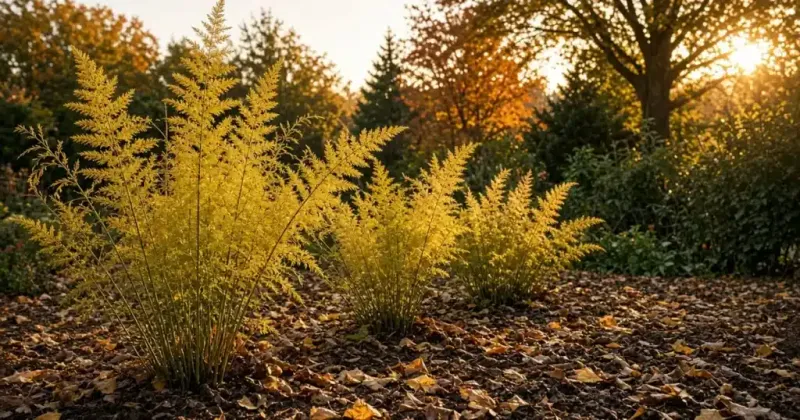
That feathery green asparagus patch looks messy by autumn, and the urge to tidy it up is strong. But those ferns are still working hard after harvest ends.
Knowing when to cut them can help protect your crowns and your spring harvest. Here is a simple, practical way to decide when your bed is ready.
Green ferns help replenish the asparagus crown
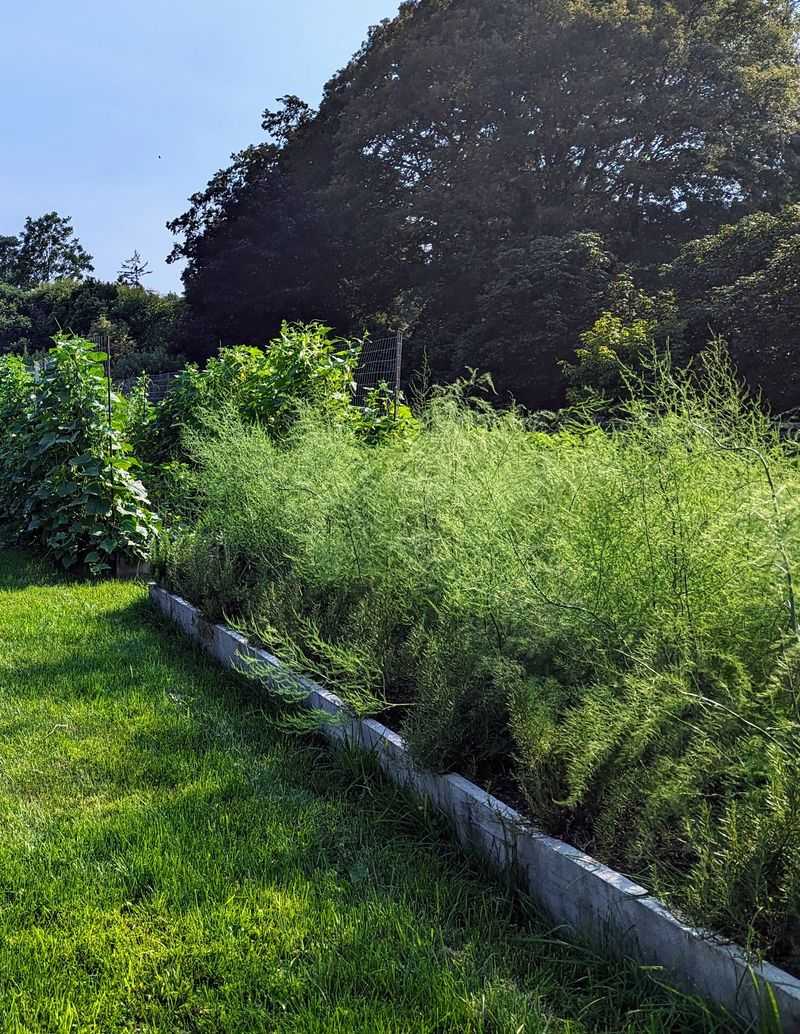
Once the last spears are picked, asparagus does not shut down. The plant sends up tall, feathery fern growth, and that foliage keeps working through the rest of the growing season.
According to University of Illinois Extension, healthy ferns after harvest support the nutrients the roots store for the next season. Think of the green fronds as solar panels charging a battery under the soil.
That is why a bed that looks scruffy in September is not a problem to fix. Cutting green ferns just to make things look neat takes away leaves that are still busy feeding the crowns, and there is little to gain from it.
Fern storage is only one piece of the puzzle. Spear thickness depends on many things, including water, weeds, and how heavily you harvested in spring.
Still, letting healthy foliage keep doing its job is an easy habit that costs you nothing. Put the pruners away for now, and use the time to pull weeds and water the bed during dry spells.
Use natural dieback as a practical cutting cue
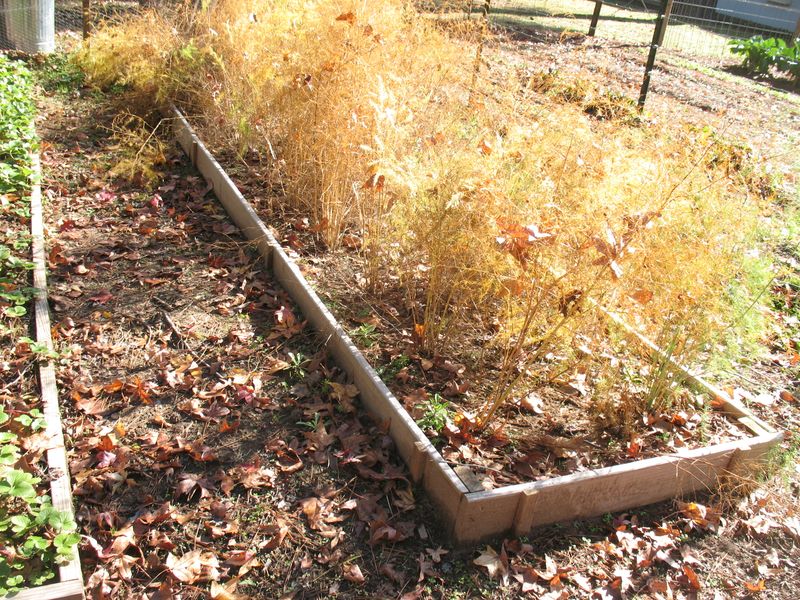
Late fall brings an easy signal. As frost and shorter days arrive, asparagus ferns yellow and then turn brown on their own.
Many extension guides, including University of New Hampshire Extension, suggest cutting once the foliage has died.
Treat brown foliage as a cautious, conservative cue rather than a strict scientific deadline. Nobody has proven an exact threshold for next year’s spear size, and you do not need every last frond to be brown before you act.
If most of the patch has clearly died back and a few stragglers remain, you are in good shape.
The condition of your ferns matters more than a date on the calendar. A warm autumn in one region may keep ferns green well into November, while an early freeze elsewhere can end the season weeks sooner.
Check the plants themselves, and keep in mind the Illinois guidance to avoid cutting while foliage is still green.
What research says about early cutting and spear size
Extension advice to wait is common, but the direct research is more limited than the saying suggests. In a field study of asparagus crowns, researchers measured reserve carbohydrates in the storage roots as the ferns aged.
When ferns were cut after yellowing had begun, those stored carbohydrates dropped for a while. By November, though, the levels had recovered.
The authors said early removal might not harm the following year’s yield, and they also said more experiments were needed.
So what does that mean for your garden? The study did not show that early cutting causes skinny spears or lowers next year’s harvest.
It also does not mean cutting is risk-free. A single early cleanup is unlikely to ruin your crop, but there is no real benefit to rushing.
Letting healthy ferns die back on their own remains a sensible, low-risk habit. You keep the plant’s natural process intact while the science sorts out the finer details.
Cut dormant foliage carefully and remove it when needed
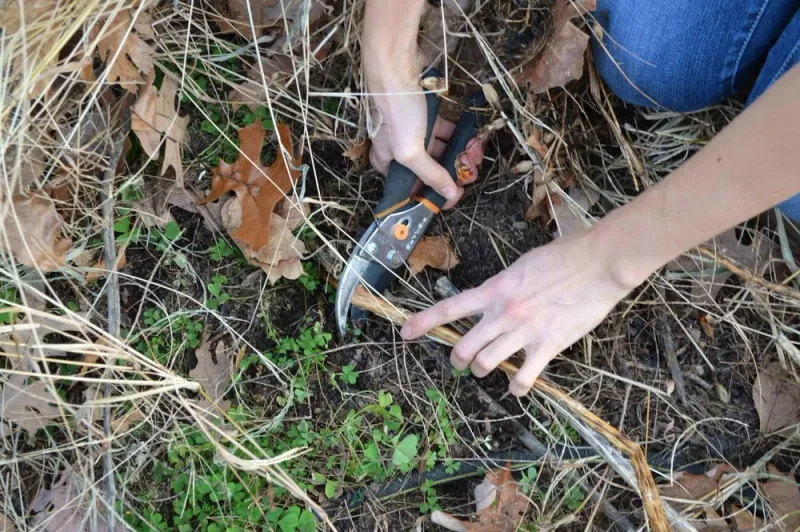
Once the foliage is brown and brittle, grab sharp pruners or a hedge trimmer. Cut the old growth close to ground level, as UNH Extension describes.
Leaving long stubs makes spring harvest harder.
If you put cleanup off until spring, go slowly. New spears can poke up through last year’s dead stalks, and a careless cut can slice them off.
Removing the debris can matter too. University of Minnesota Extension notes that asparagus beetles overwinter in dead ferns, and some disease spores can survive on old foliage.
If you have had beetles or leaf problems before, haul the cuttings away rather than leaving them in the bed.
Skip the match. Some commercial guidance mentions burning, but fire safety rules and air-quality limits vary by location.
Bagging the debris for yard waste pickup, or following your local rules for disposal, is the safer route.
Match dormant-fern cleanup to local conditions
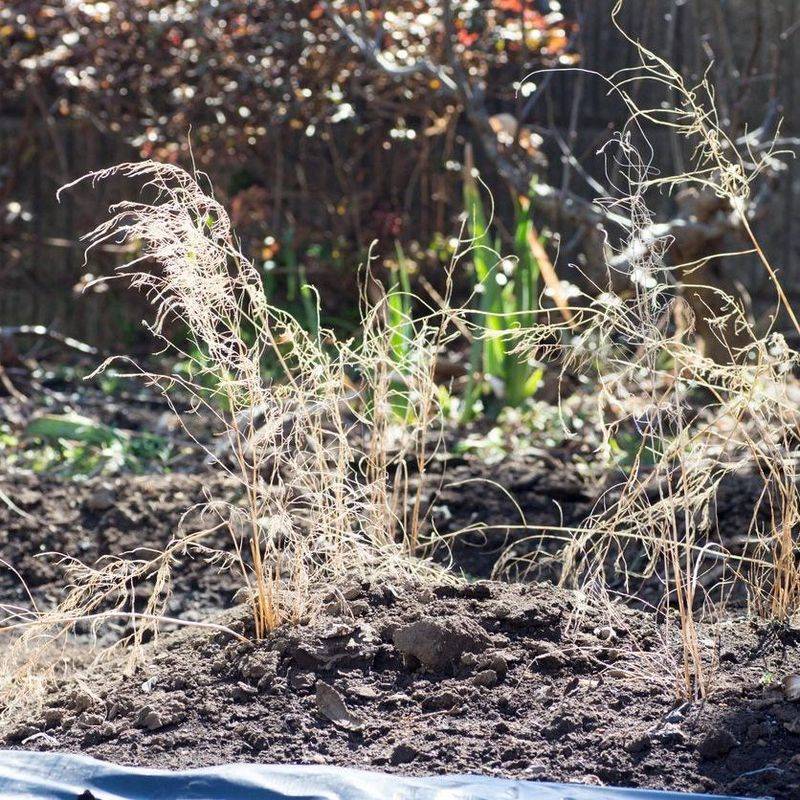
Ask gardeners in two states when to clear the bed and you may hear opposite answers. Both can be reasonable, because winters and pests differ.
In snowy country, Iowa State points out that standing dead tops can catch snow, which helps protect the crowns. That guidance then says to remove the tops before spears emerge in spring.
Minnesota guidance leans the other way. Because beetles can shelter in dormant foliage, fall removal gets priority for beetle control.
So which should you follow? Look at your own yard.
If winters bring reliable snow and your patch has never had beetles, leaving the stalks until late winter may make sense. If you saw beetles or spotted leaf disease this year, cleaning up in fall may help reduce problems next season.
Your local extension office can tell you what suits your area best.
Thin spears can have causes beyond fall pruning
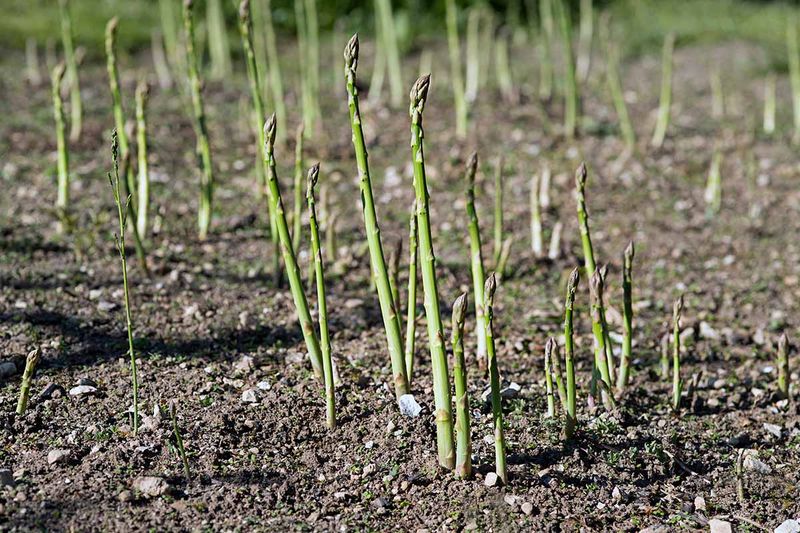
If your spears came up skinny this spring, resist blaming last fall’s cleanup. UC IPM lists several culprits, including weeds, pests, frost, drought, dry wind, overharvesting, and poor care.
Spear size also naturally shrinks as the picking season goes on, and Utah State Extension adds summer water stress to the list. Walk through that checklist first: Was the bed weedy?
Did it dry out in July? Did you harvest too long?
When spears look weak, leave them unharvested so the plants can recover. Do not count on thin spears to fatten up later, since Illinois Extension says they do not get thicker with age.
For fall, the plan stays simple: keep healthy ferns standing while green, then clear dormant foliage following local guidance. Good asparagus comes from years of steady care, not one afternoon of pruning.