
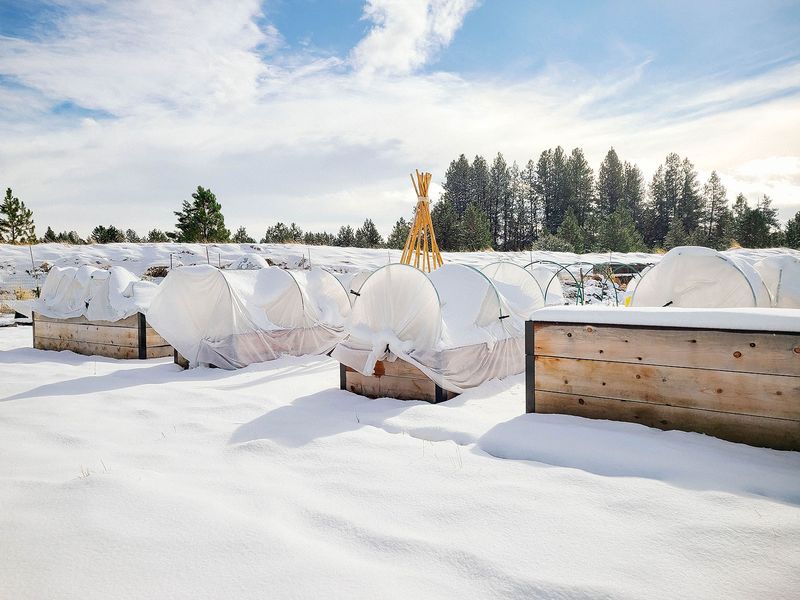
Few things sting like walking out to a bed of lush fall spinach and finding it limp and blackened after one hard night. A row cover is a cheap piece of fabric that can soften the blow from cold and wind.
It will not work miracles, and January picking depends on where you live and how you set things up. Here is how to protect your crop and what to expect.
What a row cover can do during a cold snap
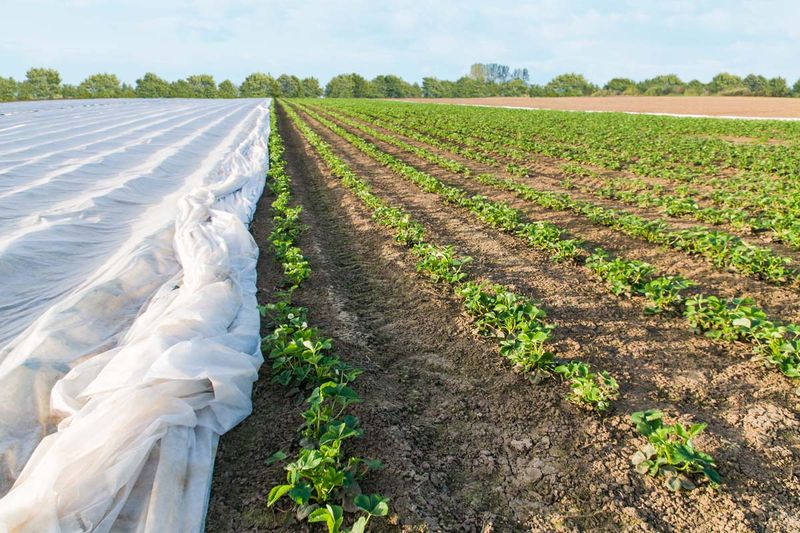
Spinach is tougher than most garden greens. University of Minnesota Extension describes it as a crop that survives light frost and may even overwinter, though how well it does varies with the weather and the variety you planted.
A fabric row cover helps by taking the edge off cold and wind. Think of it as a blanket for plants that are already established, not a repair kit for leaves that are already damaged.
Frost-burned leaves will not turn green again under fabric.
It also helps to separate three ideas. Protection means the plants take less of a beating.
Survival means the roots and crown make it through winter. Active growth means you get fresh leaves to pick, and that is the hardest of the three in deep winter.
Wisconsin Extension suggests a late-September planting for a winter crop that grows first and then goes dormant.
So check your bed before buying anything. Sturdy, well-rooted plants are good candidates for cover.
Tiny seedlings may simply sit through the cold.
Choose fabric for the protection you need
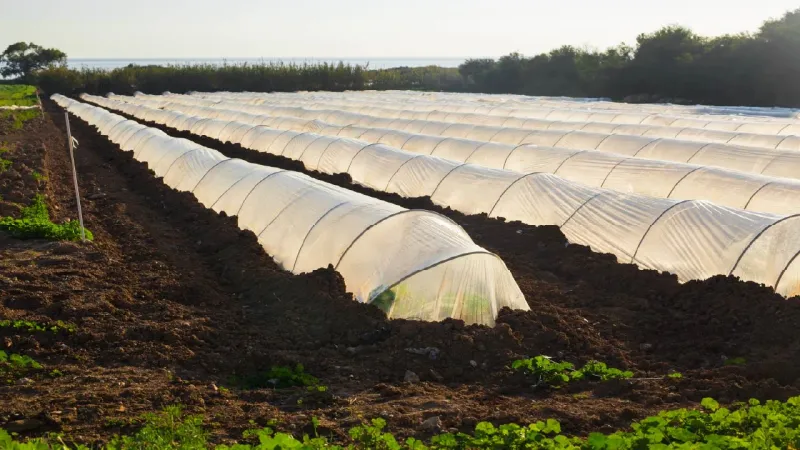
Row cover weight makes a real difference, and so do your expectations. Wisconsin Extension reports that row covers add roughly 2 to 8°F of warming depending on weight, and heavyweight covers are rated for about 4 to 8°F of frost or freeze protection.
That helps on a borderline night, but it will not carry plants through a long, severe freeze.
Lightweight fabric adds very little warmth and is better suited to pests and wind. Medium-weight cover stretches the season and handles light frost.
Heavyweight cover gives the most freeze protection, but it lets in less light, which matters when winter days are already short. University of Minnesota Extension lays out the same trade-offs.
Frost can still reach plants under fabric. Utah State Extension notes that damage can show up where the material touches leaves.
For most home beds, a medium-weight cover is a sensible starting point, with heavier fabric kept for the coldest stretches.
Keep moving fabric off spinach leaves
Wind is the sneaky problem. When fabric lies directly on spinach and gusts push it around, the leaves get scuffed.
Wisconsin Extension specifically cautions that spinach foliage can be abraded when fabric moves against it.
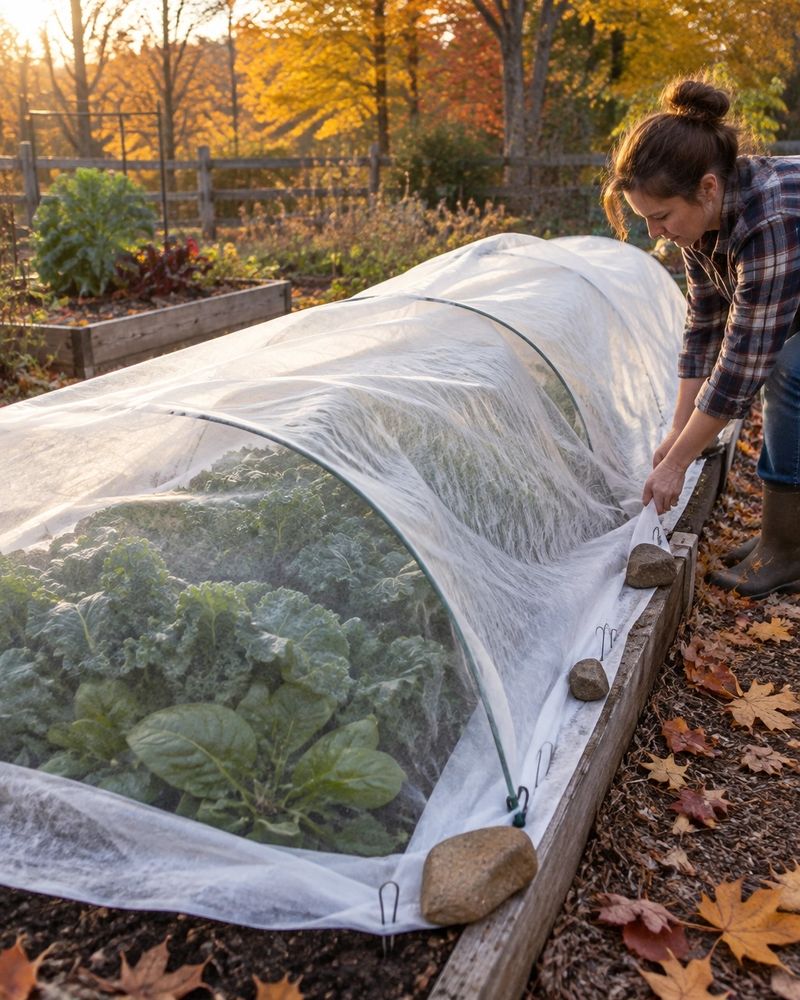
Hoops fix that by holding the cover above the plants. Wire, flexible tubing, or even bent fence wire all work.
Set them every few feet so the fabric does not sag between them.
Next, secure the edges. Bury them in soil, or weigh them down with boards, rocks, or landscape staples.
A loose edge lets wind get underneath and turns your cover into a flag.
Leave slack too. Wisconsin Extension’s row cover guidance calls for extra room so growing plants do not push the fabric tight.
One caution: hoops keep fabric from rubbing, but they do not make plants frost-proof. Treat them as an installation tool, not extra warmth.
January picking depends on an established crop
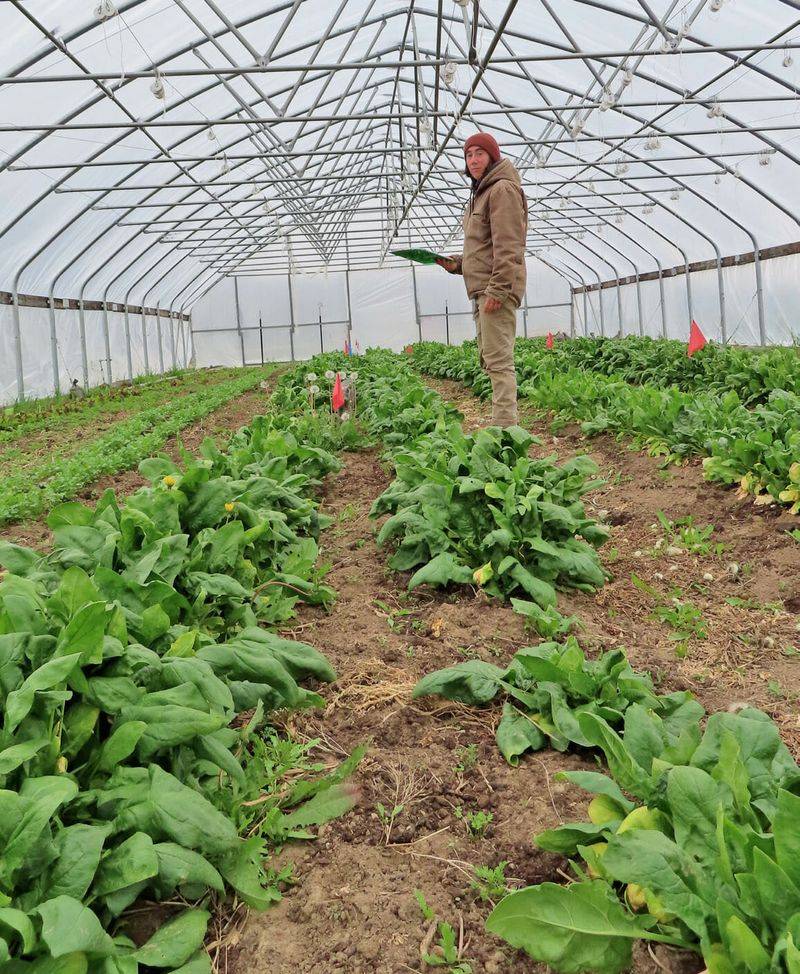
Plant size going into winter matters more than the cover itself. Short fall days slow growth, so a late planting can stall at seedling size and never catch up.
Iowa State’s guidance for central Iowa shows the timing. Iowa State Extension says crops should be full-sized by early November, which typically means sowing spinach around mid-September.
It also says spinach can overwinter under a plastic low tunnel.
That calendar is regional. Gardeners in warmer or colder places will need to shift the dates to match their own first frosts and winter lows.
The takeaway is conditional. January picking is possible in some settings when plants are established, protection fits the climate, and winter is not unusually harsh.
It is not something a simple fabric cover can promise on its own.
If you missed the window this year, note your planting date and the weather. Next fall you can adjust earlier.
Manage a plastic low tunnel through winter
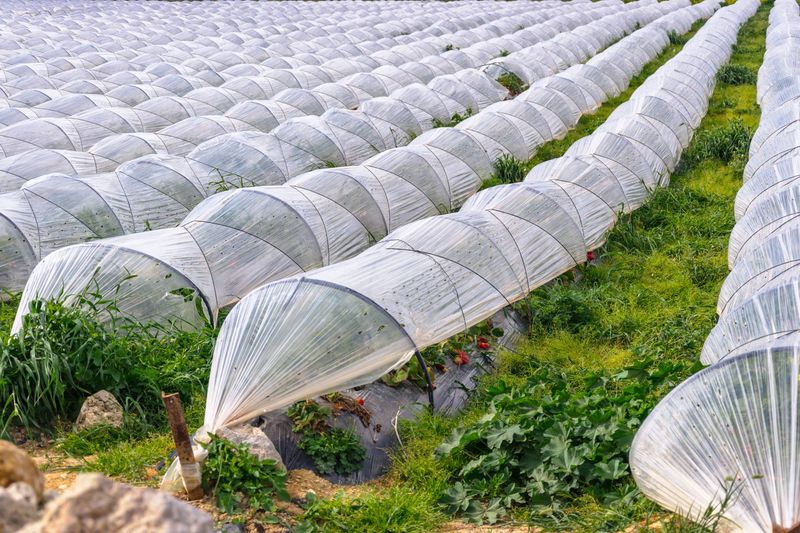
The clearest January-harvest guidance uses a plastic low tunnel, which is a different tool from floating fabric. Plastic holds more heat and sheds rain, so it needs hands-on care.
Iowa State says to place the tunnel in full sun, vent it on sunny days above 40°F, and close it before temperatures fall into the mid-to-low 30s, as described by Iowa State Extension. Venting matters because Utah State Extension warns that plastic tunnels can run 25 to 30°F warmer than outside on sunny days, enough to injure plants.
Never leave a sealed tunnel closed through a warm, bright afternoon. A cheap thermometer inside takes the guesswork out.
Watch the soil, too. Plastic blocks rain, so beds can dry out while snow or showers fall right outside.
Push a finger into the soil every week or so, and water gently if it feels dry.
Wait for frozen leaves to thaw before harvesting
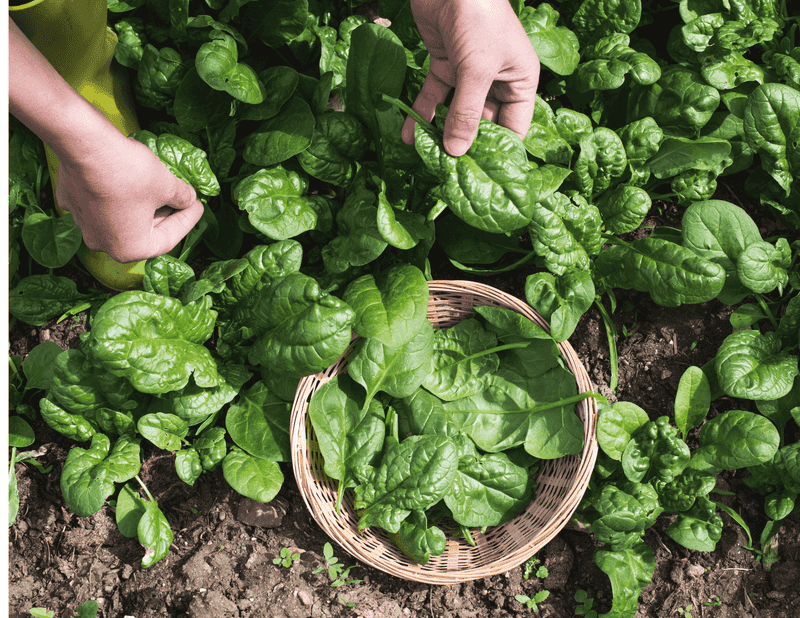
Frosty spinach looks tempting, but hold off. Picking leaves while they are frozen can damage them, and Iowa State Extension notes that frozen leaves can turn limp after thawing.
Give them time to warm up on the plant, usually by midday.
When it is time to pick, take the outer leaves and leave the center. Wisconsin Extension says this lets fall spinach keep growing.
Do not expect fast regrowth in deep winter, since growth can slow to a crawl.
Harvest small amounts. A handful from each plant is kinder than stripping a row, and it leaves enough leaf to keep the plant working.
A fabric cover can shield a crop from some cold stress, but winter picking hinges on your local conditions and may call for a managed low tunnel, as Iowa State’s low-tunnel guidance describes.
Some winters, a few good salads are a win.