
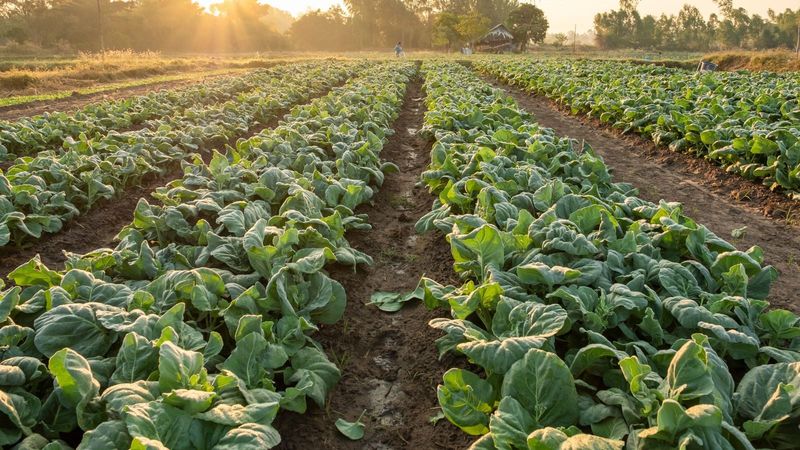
Collards are one of the toughest greens a home gardener can grow, and a cold snap does not always spell the end for them. Many established plants come through freezing nights and still have leaves worth picking.
How you harvest matters, because cutting the wrong part can end the plant’s chance to give you more. Here is how to pick smart in cold weather and what to expect once the temperature drops.
Cold tolerance is not a guarantee of winter growth
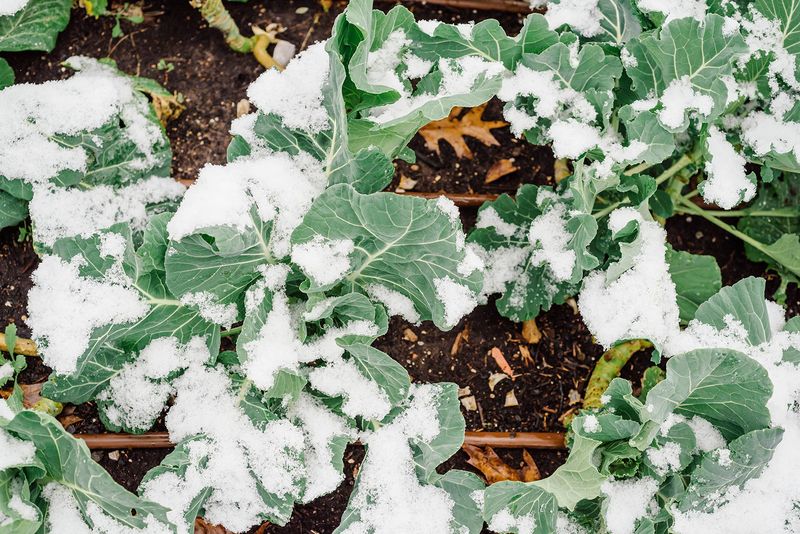
Collards rank among the hardiest garden greens, and established plants can handle a lot of cold. The National Weather Service defines a hard freeze as 28°F or lower for an extended period.
That sounds harsh, yet mature collards often come through it.
Kansas State says mature collards can tolerate temperatures down to 20°F without significant damage. Treat that number as a broad benchmark.
It will not fit every variety, plant, garden spot, or weather event.
Both temperature and time matter. North Carolina State Extension notes that actual temperature and how long plants stay cold both shape the damage.
A few hours at 22°F is a very different test than several days at that level.
Surviving a freeze is also not the same as growing. A collard can stay alive and green while adding almost no new leaves, so think of cold hardiness as the plant staying in the game, not as a promise of steady production.
Leave the growing bud intact for later harvests
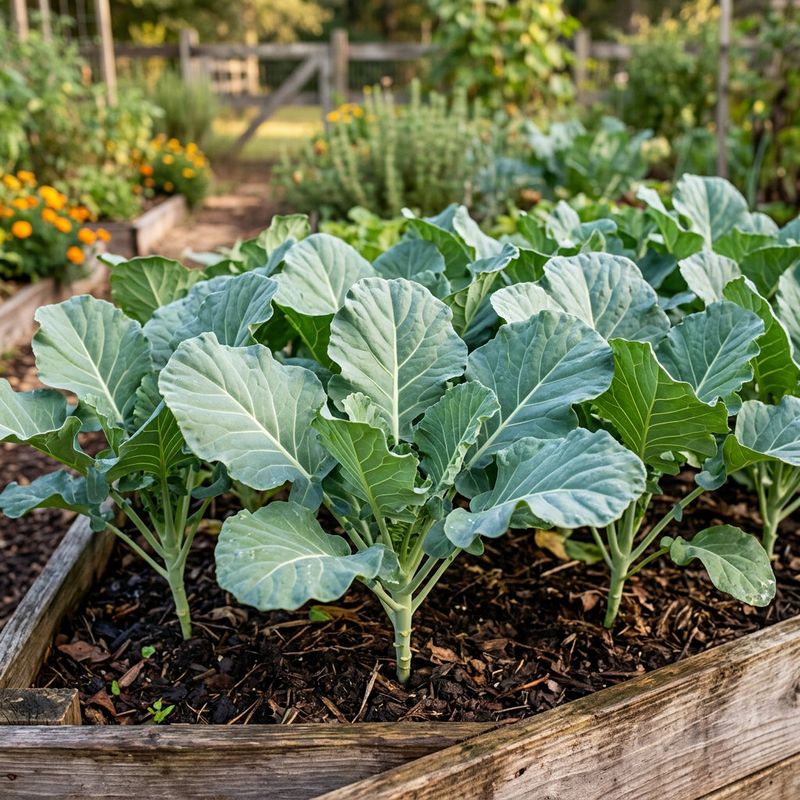
Look at the top of your collard plant. The small, tightly packed young leaves in the center surround the growing bud, which is where new foliage comes from.
Larger, older leaves hang lower on the stalk.
Mississippi State Extension advises leaving the growing bud and young leaves in place. Kansas State likewise suggests taking only a few lower leaves at a time so the plant can keep building new growth.
Think of the bud as the plant’s engine. If you leave it alone, the plant still has a way to make more leaves for later picking.
That said, an intact bud is no insurance policy. A plant with a perfect crown can still be hurt by severe or prolonged cold, and it may sit idle instead of producing.
If the bud turns mushy or brown after a deep freeze, new growth is unlikely.
Pick a few large outer leaves at a time
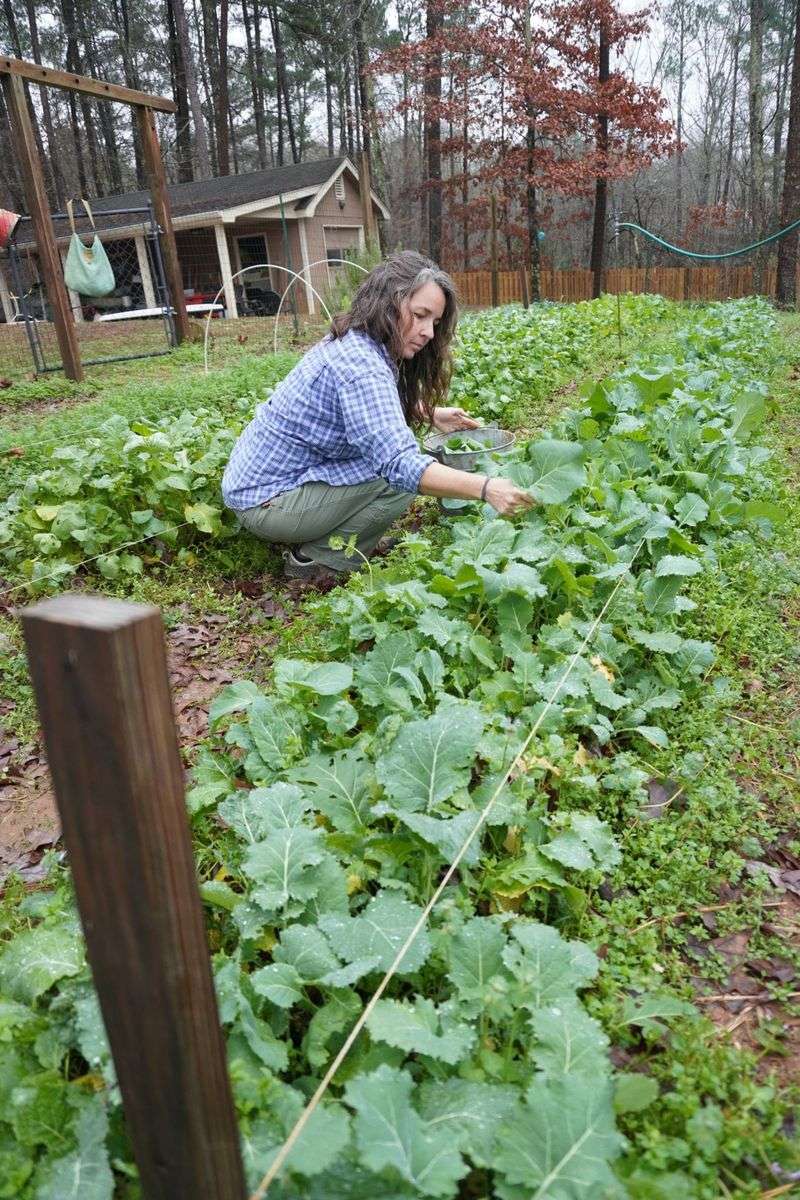
Start at the bottom. Choose the oldest, largest leaves on the outside of the plant and cut them close to the stalk, leaving the young center growth undisturbed.
Healthy, deep green leaves are the best picks.
For a handy guide, Alabama Extension suggests removing about one-third of the lower leaves at a time. Treat that as a reference point, not a rigid rule.
A small or stressed plant may need a lighter touch.
University of Florida gardening guidance also points to harvesting older outer leaves to keep the plant going. Kansas State gives similar advice.
Skip any leaf that is yellow, torn, or collapsed from cold. A good habit is to take a few leaves per plant and spread your picking across several plants, so no single one gets stripped bare.
Wait for leaves to thaw before picking
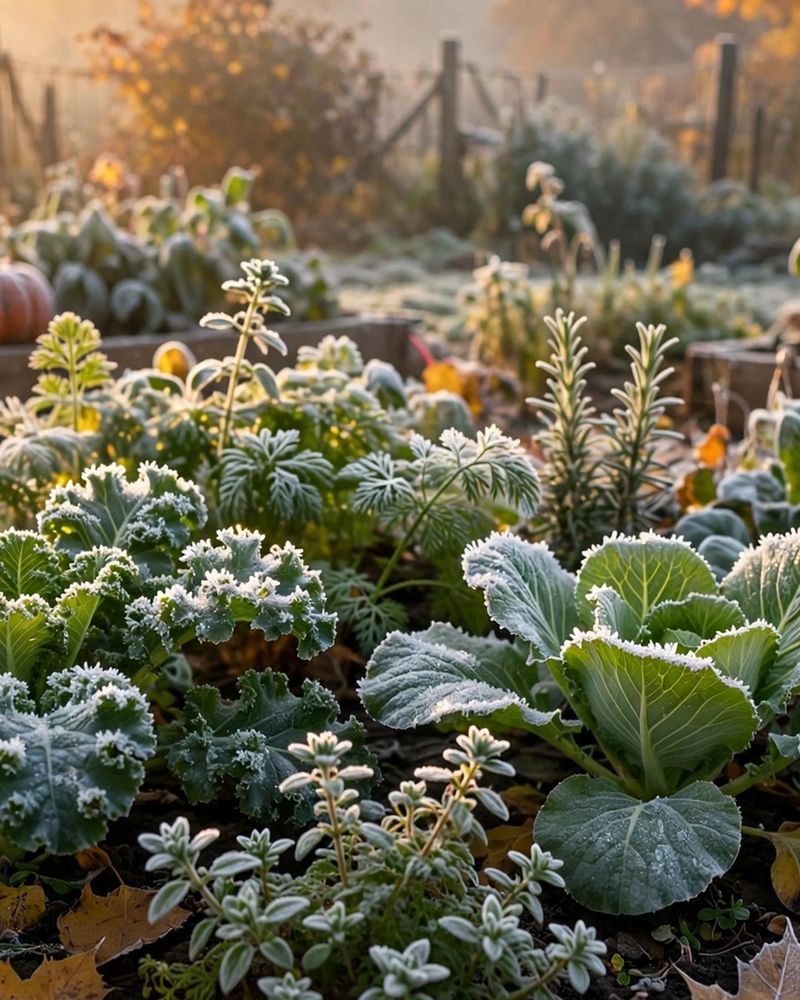
Patience pays off on frosty mornings. Pick only after the leaves have fully thawed, since handling frozen foliage can damage it.
Iowa State Extension notes that frozen leaves can turn limp after thawing, so they are not worth harvesting while stiff.
Once the sun or warmer air has done its work, look closely. Choose leaves that are still green, firm, and healthy.
Leave behind any that look slimy, dark, or wilted.
Frost may leave collards tasting a bit sweeter, as University of Florida guidance mentions. That is just a flavor effect.
It does not mean the plant will shrug off the next, colder freeze.
Bring your harvest inside and wash the leaves thoroughly before cooking, since garden soil clings to the crinkled surface and tucks into the folds.
A surviving plant may pause or bolt
Collards in the South have a real advantage. North Carolina State’s plant guide says they can grow all winter there, but that picture does not fit every region.
In colder places, like those covered by Illinois Extension, collards are mainly a fall crop.
Even a plant that lives through the cold may stop adding leaves. Iowa State explains that cold and freeze damage can slow or halt growth, and the severity depends on how low and how long temperatures drop.
Watch for clues. Water-soaked, blackened leaves point to freeze injury, while a plant that looks fine but makes no new center leaves is probably just paused.
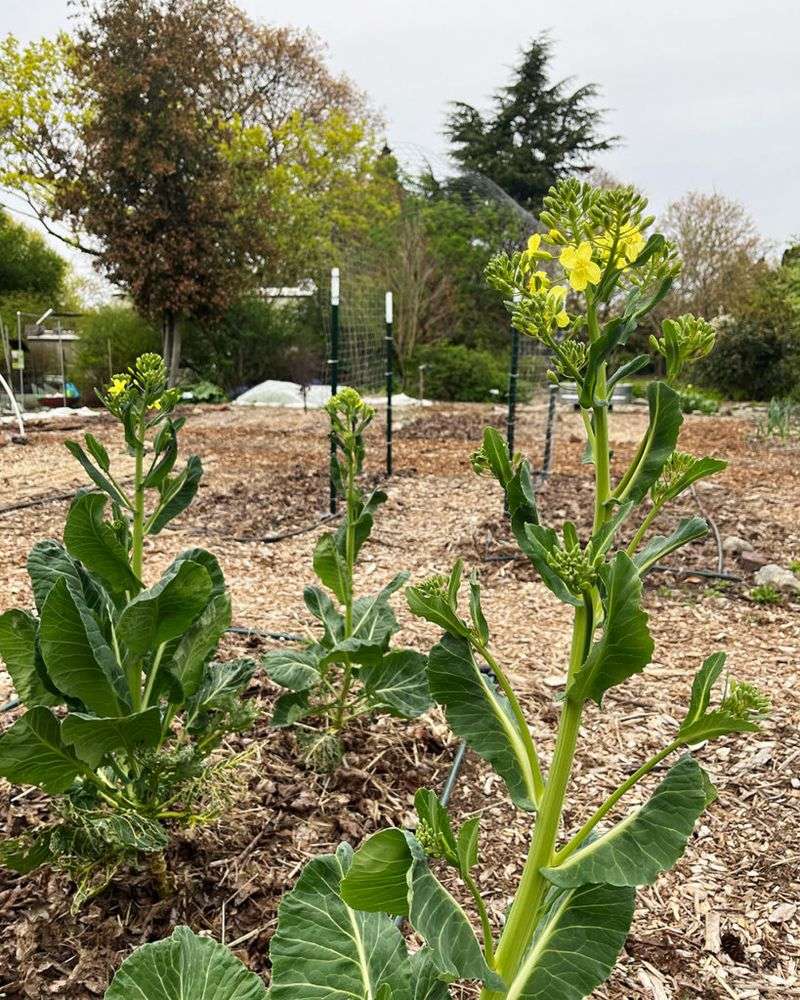
Later, plants that survive winter may bolt, sending up a flower stalk, particularly after prolonged cold, according to Clemson Extension. Bolting usually ends good leaf picking, so plan on a limited window, not steady or endless harvests.
Choose gradual or whole-plant harvesting
Your goal decides the method. If you want the possibility of more meals later, keep the growing bud and pick leaves gradually from the bottom up.
If you need a big batch at once, cutting the whole plant is a perfectly valid choice.
Kansas State describes both approaches: cutting a few lower leaves at a time or harvesting the entire plant. Whole-plant harvest simply ends further leaf-by-leaf picking from that plant.
Gradual picking can support future harvests, but it cannot guarantee them. Weather, site, and plant health all play a part, and a hard stretch of cold may stall or end production no matter how carefully you pick.
A flexible plan works well: pick lightly from most plants, and cut a few whole when a freeze looks too severe. Either way, the cold-weather pot of greens is yours.