
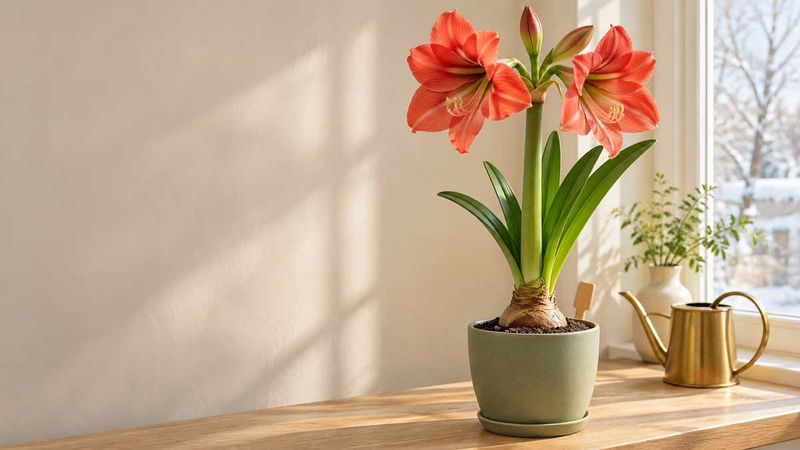
Few things feel as magical as a giant red amaryllis flower opening right on Christmas morning. The trick is that this big bulb runs on its own clock, and that clock starts weeks before the holidays.
If you plant at the right time and give it the right setup, you can nearly guarantee blooms for the big day. Here are nine simple secrets that put you in charge of the timing.
1. Plant Six to Eight Weeks Before Christmas
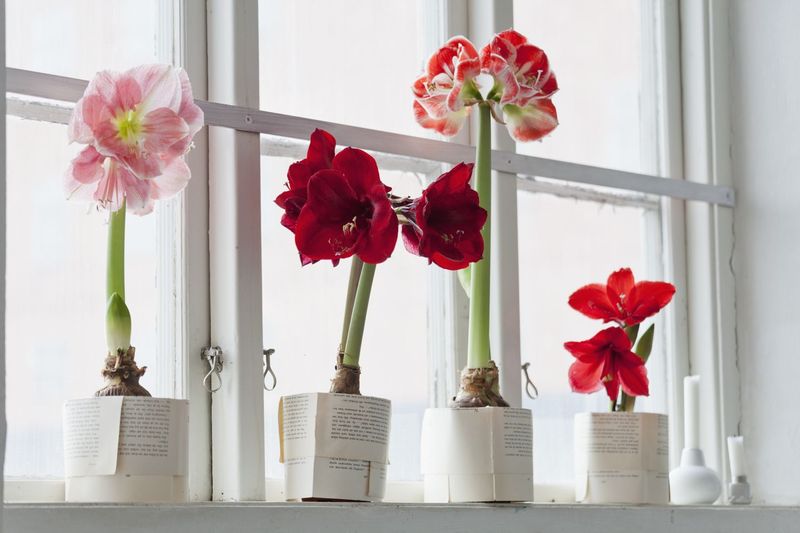
Mark your calendar for the first week of November, because that date is the real starting line. Most amaryllis bulbs need six to eight weeks from planting to their first open flower.
Count backward from December 25, and you land somewhere between late October and mid November.
Bigger hybrids from Holland tend to move a bit faster, often blooming in about six weeks. Bulbs grown in South Africa or South America can run slower or faster depending on how they were stored.
Check the label or the seller’s notes, since many will list an expected bloom window.
Here is a smart move many seasoned growers use. Plant two or three bulbs about a week apart instead of all at once.
If one races ahead or lags behind, another will likely hit the target right on time.
Keep a little note on your phone with each planting date. When the first bud starts to swell, you will know exactly how your bulbs behave in your home.
Next year, that record becomes your personal cheat sheet, and you can fine tune the schedule down to the day.
2. Choose a Big, Firm Bulb
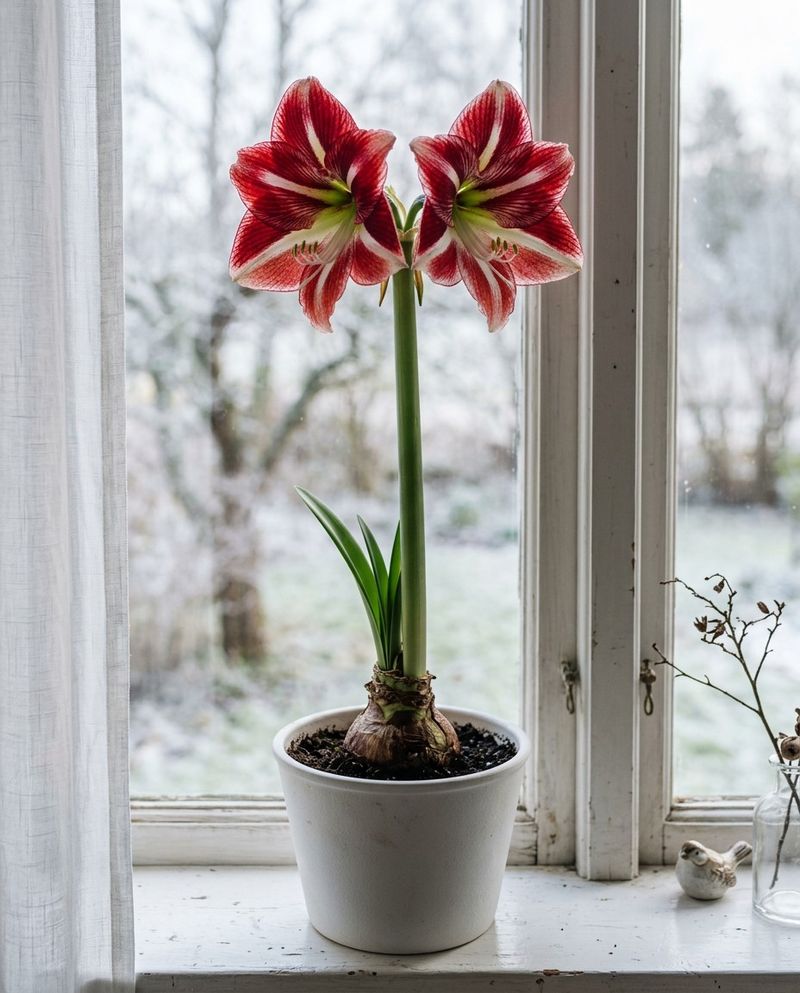
Picture two bulbs side by side at the garden center, one the size of a softball and one closer to a lemon. The bigger one is not just showing off.
Bulb size tells you how much stored food is packed inside, and that food powers the flowers.
Look for bulbs measuring at least 26 to 28 centimeters around, often labeled as jumbo or top size. These usually push up two flower stalks, each carrying four or more blooms.
Smaller bulbs may give you just one stalk, and they can be slower to get going.
Give each bulb a gentle squeeze before you buy. It should feel firm, like a fresh onion, with no soft spots, mold, or sour smell.
Dry papery skin on the outside is completely normal, so do not worry about that.
Fun fact: the plant most of us call amaryllis actually belongs to the genus Hippeastrum, native to Central and South America. The true Amaryllis is a different South African flower.
Whatever you call it, a hefty, healthy bulb is the single best head start you can give your Christmas display.
3. Wake the Roots With a Warm Soak
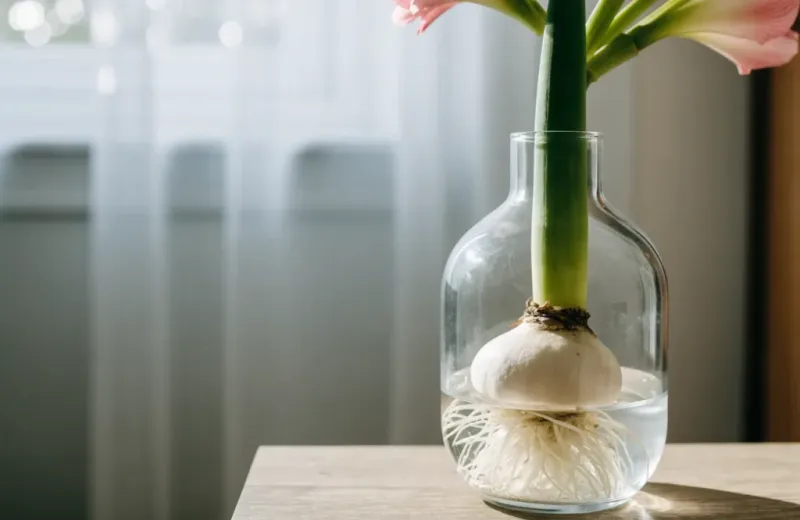
Think of this step as a morning cup of coffee for a sleepy bulb. Before planting, set just the root plate and roots in a bowl of lukewarm water for a few hours.
Keep the bulb itself above the water line so it stays dry.
Those roots have often spent weeks drying out in a box or warehouse. A soak plumps them back up and signals that growing season has arrived.
Many growers notice faster top growth after this simple trick, sometimes by several days.
Aim for water that feels comfortably warm on your wrist, not hot. Three to eight hours is plenty, and an overnight soak works fine if you forget about it.
Leaving them in for days, though, invites rot.
While the roots soak, take a quick peek at them. Trim off any that look mushy or black with clean scissors, but leave the pale, wiry ones alone even if they look dried out.
They often spring back to life once they hit fresh potting mix. A few minutes of prep here can shave valuable time off your countdown.
4. Pick a Snug, Heavy Pot
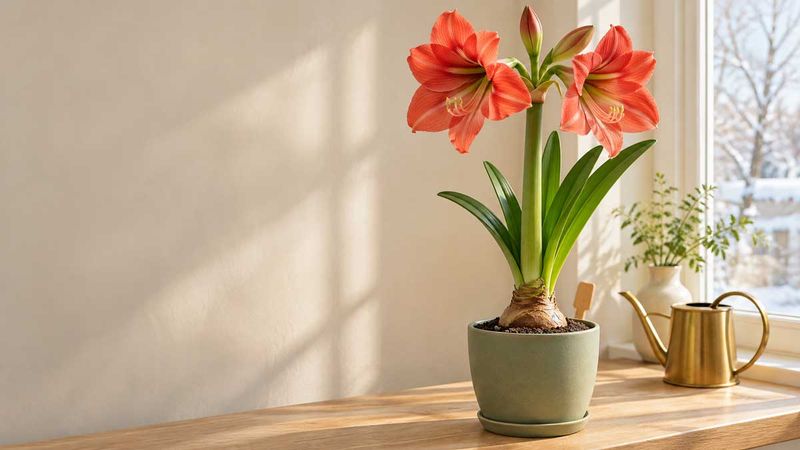
Amaryllis love a tight squeeze, which surprises plenty of new growers. A pot only about one to two inches wider than the bulb is ideal.
Too much extra soil stays soggy and can rot the roots before a single bud appears.
Weight matters just as much as width. A full bloom stalk can stretch two feet tall with several huge flowers on top, and a light plastic pot may tip right over.
Ceramic, clay, or a plastic pot set inside a heavier decorative cover keeps everything steady.
Drainage holes are a must, no exceptions. If your favorite holiday container has none, use it as an outer sleeve and keep the real pot inside on a layer of pebbles.
That way water can escape and the bulb stays happy.
A cozy pot also helps with timing. When roots quickly fill the space, the bulb feels secure and shifts its energy toward flowering instead of building more roots.
So skip the oversized planter, even if it looks roomy and generous. Your amaryllis will reward a snug little home with faster, sturdier stalks.
5. Leave the Shoulders Above the Soil
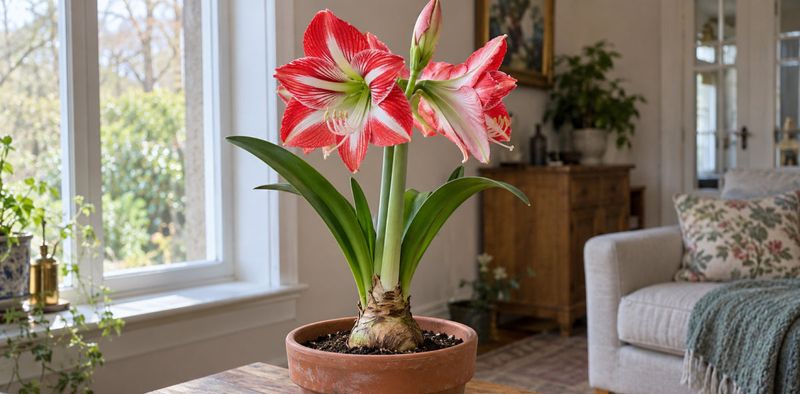
Burying an amaryllis bulb like a tulip is one of the most common mistakes out there. Instead, plant it so the top third, often called the shoulders, sits above the soil line.
Only the bottom portion and the roots should be tucked in.
Why so exposed? The neck and upper bulb rot easily when they sit in damp soil.
Keeping them up in the air lets them stay dry while the roots do the drinking below.
Use a light, fast draining potting mix, the kind sold for houseplants. Heavy garden soil holds too much water and packs down hard.
Firm the mix gently around the bulb so it stands upright without wobbling.
Once planted, give it one good watering and let the excess drain away completely. Then hold back.
The bulb needs very little water until you see green growth poking from the tip, often within one to three weeks. Watering heavily before that point can drown roots that are not ready to drink yet.
Patience during these quiet early days keeps your bulb healthy and right on schedule for December.
6. Give It Gentle Bottom Heat
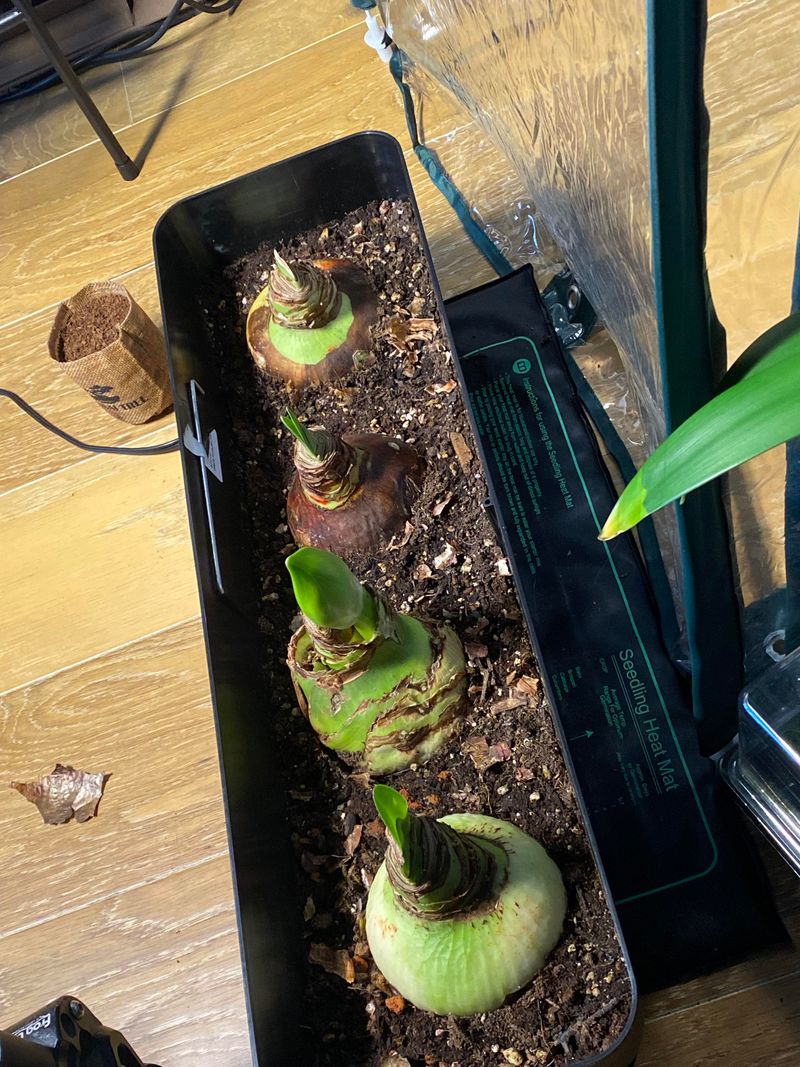
Cold floors and chilly windowsills are the sneaky reason many amaryllis miss Christmas. These tropical bulbs sprout fastest when their roots stay around 70 to 75 degrees Fahrenheit.
Drafty November homes often run much cooler than that near the glass.
A seedling heat mat is a simple fix that works wonders. Set the pot on top for the first couple of weeks, until the flower stalk is a few inches tall.
Warm roots wake up quickly and start pushing growth upward.
No heat mat? The top of a refrigerator, a spot near (not on) a radiator, or a warm laundry room can do the trick.
Just avoid placing the bulb directly against a heat vent, which dries it out and can scorch it.
Here is where the clock control comes in. Warmth speeds things up, while cooler temperatures slow them down.
So if your bulb seems behind, add heat. If it looks like it might bloom by mid December, move it somewhere cooler.
You can actually steer the bloom date with temperature, which makes this one of your most powerful tools.
7. Find the Brightest Window and Rotate Often
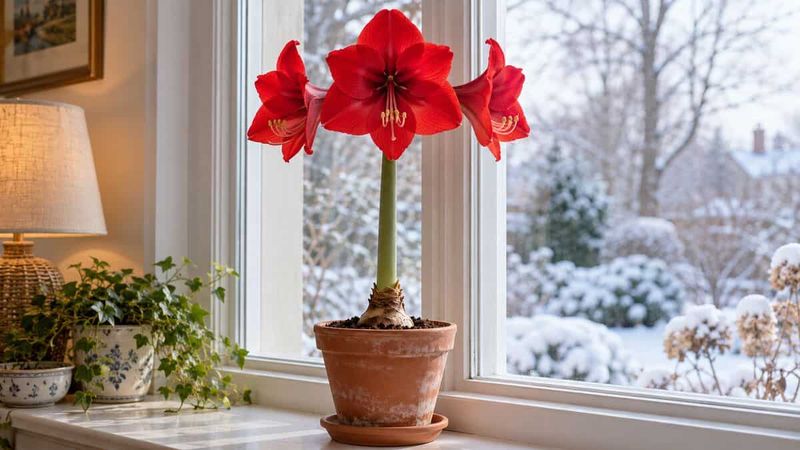
Once that green stalk appears, sunshine becomes your best friend. Move the pot to the brightest window you have, ideally one facing south or west.
Short winter days mean every bit of light counts.
Amaryllis stalks lean hard toward the light, sometimes so much that they look like they are bowing. A quick quarter turn of the pot every day or two keeps the stem growing straight and strong.
Make it part of your morning routine, maybe while the coffee brews.
Low light causes trouble beyond leaning. Stalks stretch tall and floppy as they reach for the sun, and the flowers may open smaller or later than expected.
If your home is dim, a basic LED grow light placed a foot above the bud for 12 hours a day can help a lot.
Keep an eye on cold glass, too. Leaves or buds touching a frosty window pane can get damaged overnight.
Pull the pot back a few inches on bitter nights. Bright, even light plus a steady rotation gives you a tall, elegant stalk worthy of a spot on the holiday table.
8. Water Sparingly, Then Increase With Growth
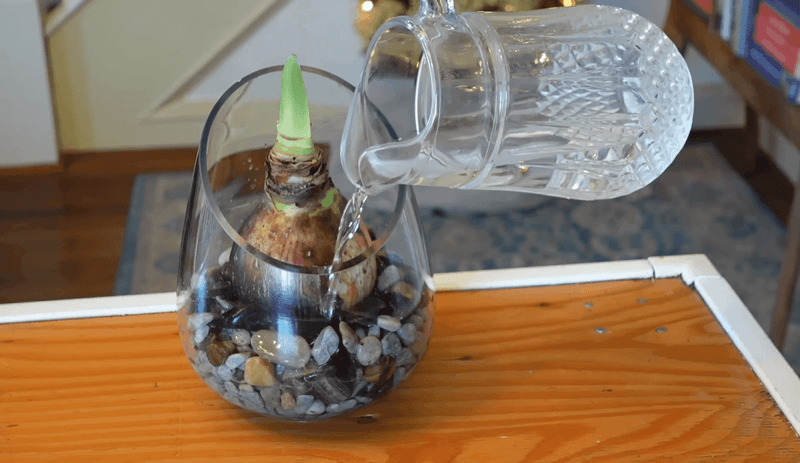
Overwatering kills more amaryllis than neglect ever does. In the first weeks, the soil should feel barely moist, never wet.
Push a finger an inch into the mix, and only water when it feels dry.
As the stalk grows and leaves unfold, the plant gets thirstier. That is your cue to water a bit more often, usually once a week or so.
Always pour around the edge of the pot, away from the bulb’s neck, and let extra water drain from the bottom.
Never let the pot sit in a saucer of standing water. Soggy roots turn brown and mushy, and the plant may stall completely right when you need it to push buds.
Tip out the saucer about 15 minutes after watering.
Skip fertilizer for now. The bulb already holds all the food it needs to flower this season.
Feeding becomes important later, after blooming, when the leaves are rebuilding energy for next year. During the Christmas countdown, a light hand with the watering can keeps the roots healthy and the buds moving forward steadily toward opening day.
9. Use the Bud Stage to Fine Tune Timing
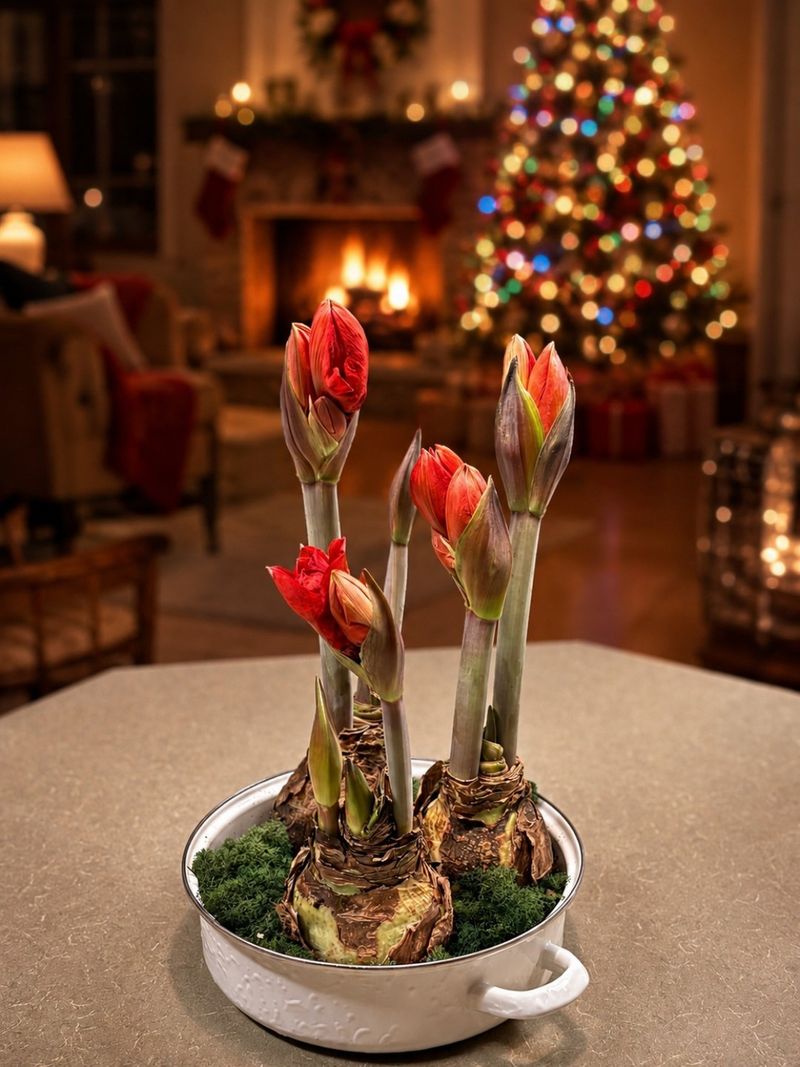
Watching the bud is like reading a countdown timer. When the fat bud first shows its color and starts to split open, flowers are usually about a week away.
That is your moment to make final adjustments.
Running early in mid December? Move the plant to a cooler room, around 60 to 65 degrees, and out of direct sun.
Cooler air slows development, often holding back the opening by several days. A chilly guest room or entryway works well.
Running late? Bring it to the warmest, sunniest spot in the house and keep it there.
A little extra warmth can nudge the petals open faster. Just avoid sudden extremes that could stress the plant.
Once flowers open, cooler temperatures also help them last longer, sometimes two weeks or more. Keep the plant away from fruit bowls, since ripening fruit gives off ethylene gas that can shorten bloom life.
Snip off yellow pollen anthers if you like, which prevents staining tablecloths. Then sit back and enjoy the show, because on Christmas morning, your amaryllis will be standing tall and dressed in full holiday color.