
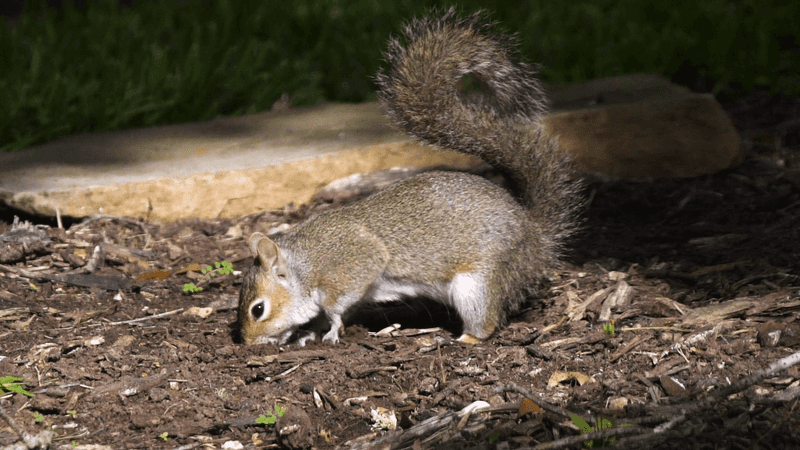
Squirrels burying acorns in your yard can help oaks reproduce, even though they are only stocking their own pantry. When a squirrel digs a small hole and tucks an acorn inside, that nut sometimes gets forgotten and may sprout.
The benefit is a bit of luck, not a yard service you can count on. Here is what is really going on under that little pile of dirt.
Squirrels store acorns for later
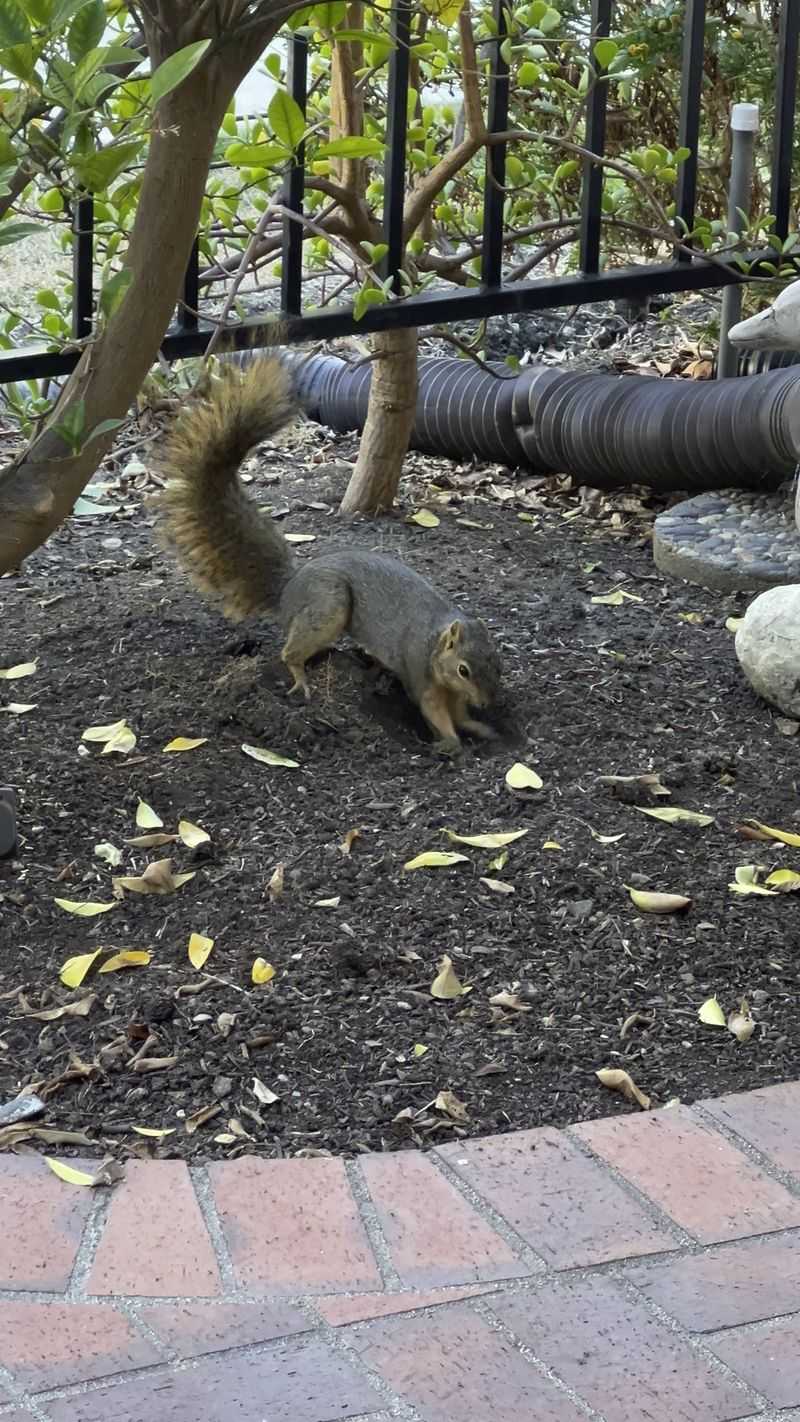
Squirrels can help oaks reproduce when they carry and bury acorns. The squirrel has no such goal.
It is storing food for later, and that stash can end up spreading oak seeds as a side effect.
According to Texas Parks and Wildlife Department, Texas fox squirrels bury nuts for winter food, recover only some of them, and in that way help plant nut trees. The key word is some.
Whatever the squirrel does not dig back up stays in the ground, and that leftover is where the oak chance comes from.
Fox squirrels are the most common squirrel in Texas, and they eat acorns and bury nuts for later. Gray squirrels also live in the state, though, as the TPWD guide to squirrels notes.
So do not assume the squirrel on your fence belongs to one species. Fox squirrels tend to look rusty orange below and larger overall, while grays look silvery with a fluffy tail.
Because the squirrel is feeding itself, the benefit to any single oak is incidental. Your yard might get a seedling or it might get nothing.
Think of it as a happy accident that plays out across many acorns and many seasons, not a planting plan with your address on it.
How a forgotten cache can help an oak
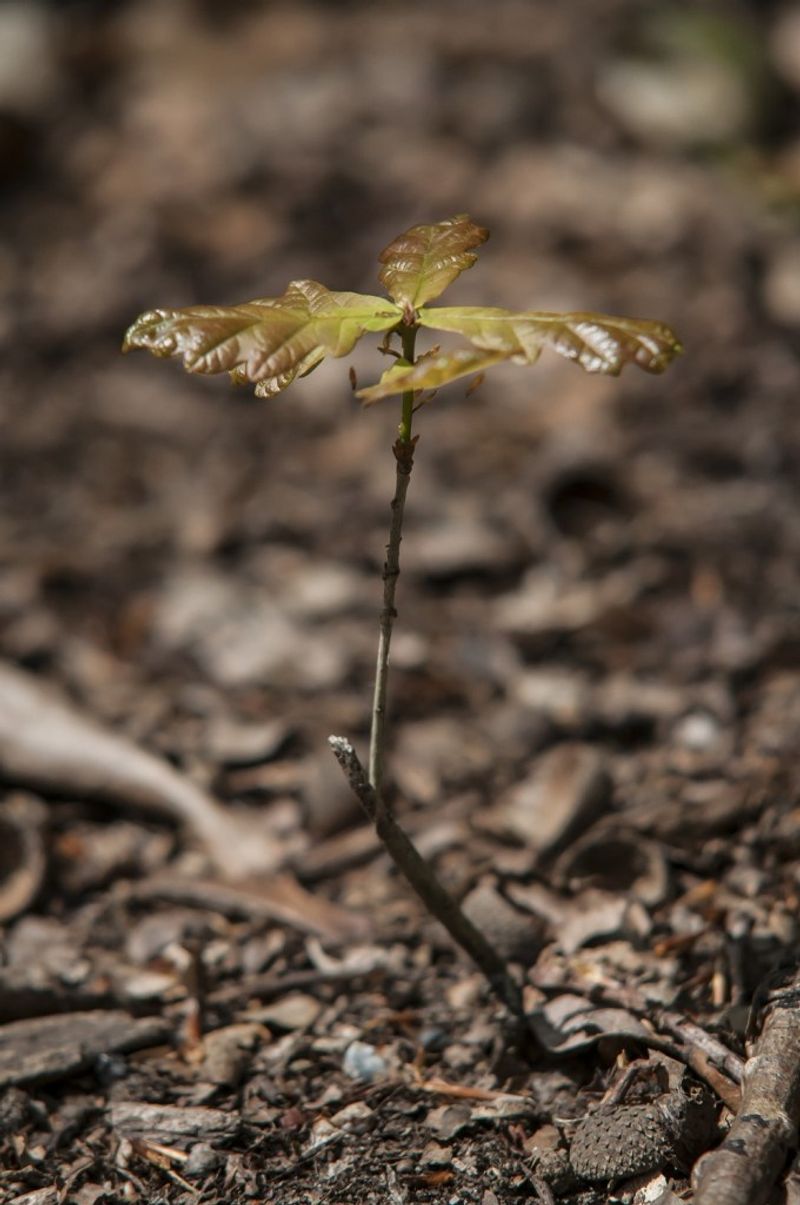
Picture the path of one acorn. A squirrel picks it up, carries it off, and presses it into loose soil or leaf litter.
If the squirrel later eats it or digs it up, the story ends there. If the squirrel forgets it or never returns, the acorn sits tucked in the ground, where it has a chance to germinate.
That chance also needs the right setting. The acorn has to stay healthy, and the spot needs enough light, moisture, and room for a seedling.
A hole beside a concrete slab or under a dense shrub may never produce a tree, even if the acorn stays put.
A 2026 Ecology study in Florida looked at fox squirrels and turkey oaks. In that setting, buried acorns survived longer than acorns left on the surface.
That supports the idea that burying helps, but it comes from Florida, a different place with a different oak. It is not a result for Central Texas yards.
The same fox squirrel that TPWD describes as burying nuts for winter food is behind the pattern, but a forgotten cache is a matter of chance. Treat it as a possibility worth knowing about, not something to expect.
A buried acorn still has a long way to go
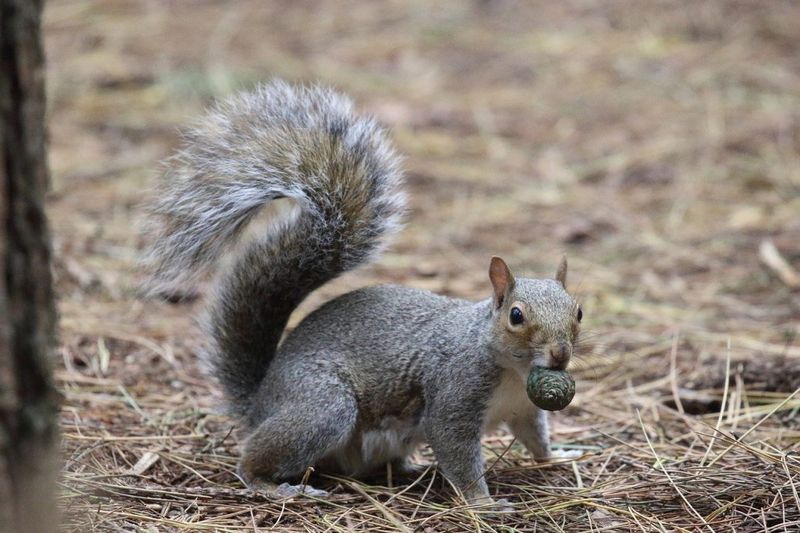
Plenty can go wrong for a buried acorn. It can be eaten, dug up, damaged, or left in a spot where a seedling cannot thrive.
Burying gives an acorn a better shot, but it is far from a guarantee.
A peer-reviewed Illinois study found that buried red-oak acorns germinated more often than acorns left on the surface. The same work also showed that squirrels and other rodents ate or removed seeds.
So the good news and the bad news showed up together.
A study of European oaks and yellow-necked mice, published in the Journal of Ecology, went further. In that study’s conditions, the damage from seed predation outweighed the benefit of caching.
That is a different animal and different oaks on another continent.
None of these studies, including the Florida work mentioned earlier, tells us the net effect for Central Texas squirrels, oaks, or yards. Each shows what happened in its own setting.
A practical takeaway is to expect that most buried acorns never become trees, and that a seedling in your yard is a pleasant surprise rather than a result you can plan around.
Texas acorns do not all follow the same clock
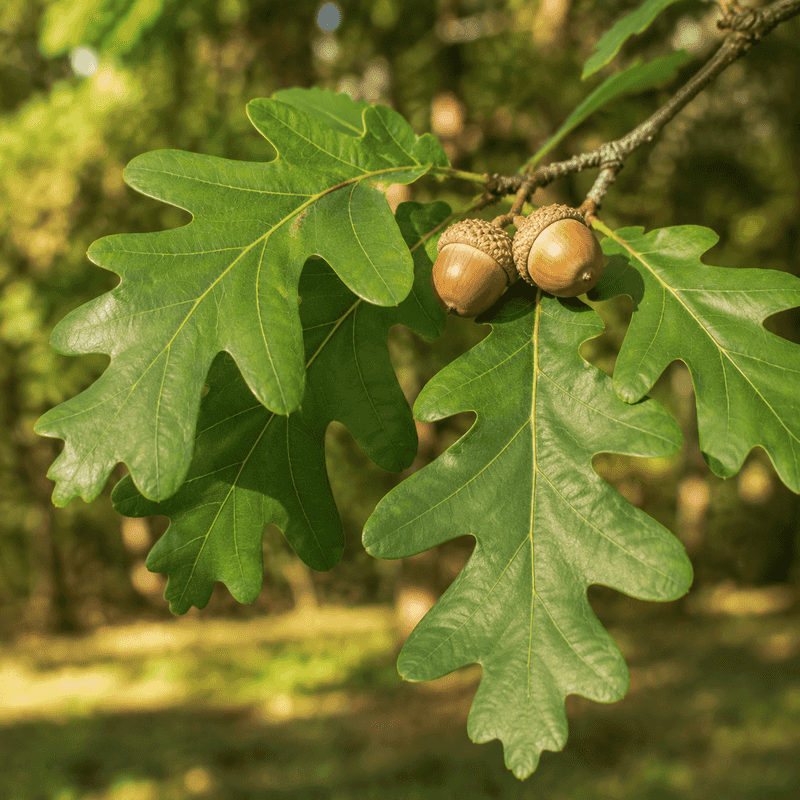
Texas has more than one kind of oak, and they do not all keep the same calendar. Oaks fall into two main groups, white oaks and red oaks, and their acorns behave differently.
As Texas Parks and Wildlife explains, white-oak-group acorns can begin germinating soon after they fall. Red-oak-group acorns need winter dormancy before they sprout.
So an acorn you see on the ground in one month may be on a very different schedule from one under a neighbor’s tree.
There is another twist. Some squirrels remove the embryo from white-oak-group acorns before caching them.
That stops those acorns from germinating, no matter how well they are buried.
A handy clue is to look at the leaves. Rounded lobes point to the white-oak group, and pointed, bristle-tipped lobes point to the red-oak group.
Knowing which kind you have helps you guess what the acorns might do, and it is a good reason not to assume that every cache in your yard will sprout in the same season.
Cache holes are not lawn aeration
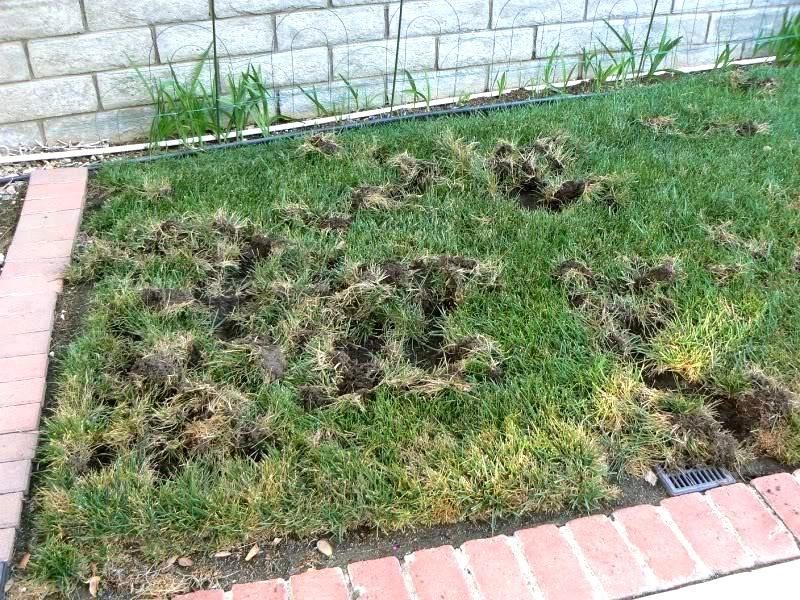
If you have spotted little holes across your grass, you may wonder whether the squirrel is doing you a favor. Not really.
A cache hole is a small pit dug to hide one nut, and it is a long way from a lawn-care treatment.
Lawn aeration is aimed at problems like soil compaction. University of Illinois Extension describes it as a lawn-care task for compaction and related conditions.
It is done across the whole lawn in an even pattern, which scattered squirrel holes are not.
Nothing suggests squirrel digging stands in for aeration or improves soil or lawn health in a meaningful way. If your St. Augustine or Bermuda grass sits on hard clay and seems thin, treat that as its own job and look into proper aeration.
In practice, squirrel holes are mostly a cosmetic nuisance. You can press the soil back down and smooth the spot if it bothers you.
Just keep in mind that a patch with a tiny pit is not a sign of healthier ground.
Leave a cache—or choose an oak yourself
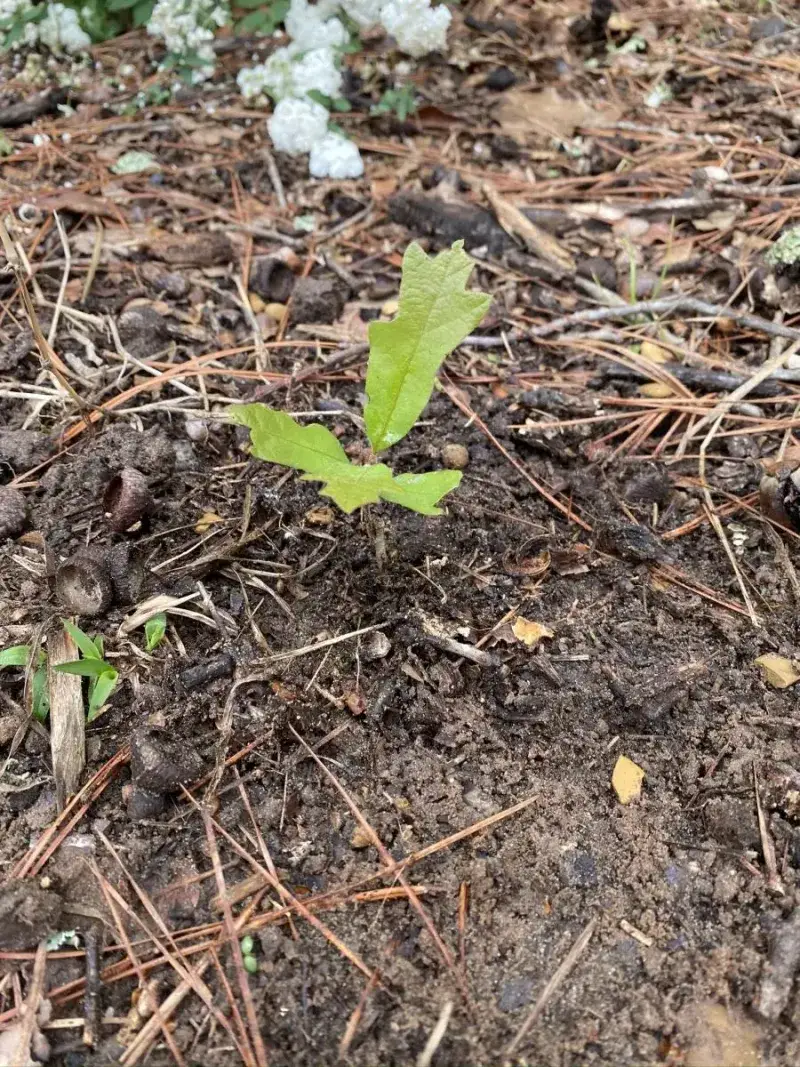
You have two sensible choices. If you like the idea of a volunteer oak, leave a few caches undisturbed and watch for a seedling.
Treat that as a chance to observe, not a dependable way to grow a tree. As the Florida study suggests, burying can help acorns last, but many never make it.
If you want a reliable tree, choose an oak suited to your exact site, considering soil, space, sun, and water. A nursery or your local extension office can help you match a species to your yard.
You may come across Texas A&M Forest Service direct-seeding advice. It is reforestation guidance with site requirements, not a universal backyard planting recipe, so do not copy it onto a small lot without checking those requirements.
Skip any urge to feed or approach squirrels to encourage caching. TPWD and the U.S.
Fish and Wildlife Service warn that feeding wildlife can attract rodents, spread disease, and make animals too comfortable around people. Do not handle them either.
Any oak that comes from a squirrel starts with an animal simply saving lunch, and sometimes forgetting where it left it.