
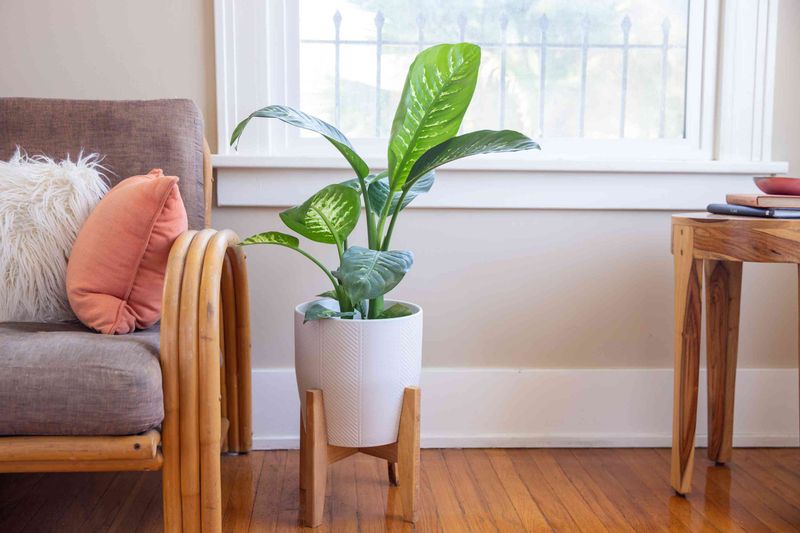
When the cold sets in, lots of us carry our favorite plants inside or pick up a few new ones to brighten the gray days. The trouble is that bored, indoor pets suddenly have those leaves right at nose level.
Some of the most common winter plants can make cats and dogs sick, and a few can be truly dangerous. Here are eight to watch closely, plus simple ways to keep everyone safe.
1. Poinsettia
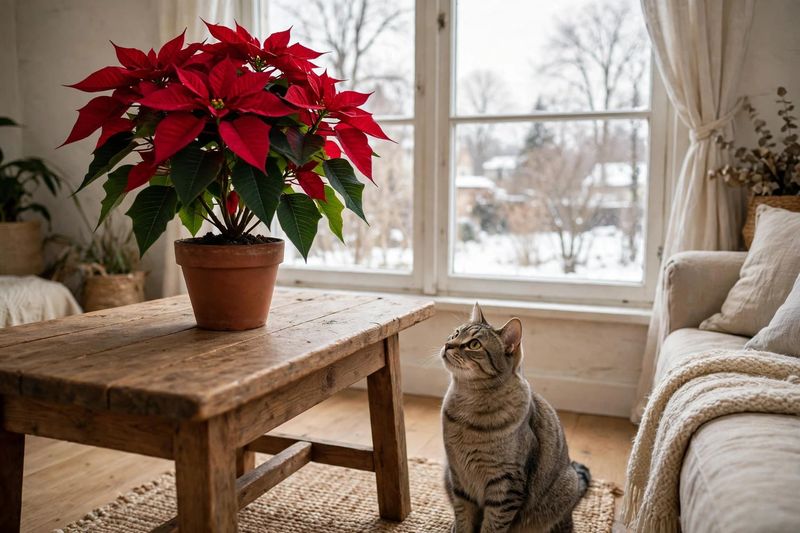
Few plants say holiday season like a red poinsettia on the coffee table. Good news first: its reputation is scarier than the real risk.
Still, scarier than nothing is not the same as safe.
The milky white sap inside the stems and leaves contains irritating compounds. When a cat or dog chews on it, you may see drooling, licking of the lips, vomiting, or mild diarrhea.
Sap on the skin or near the eyes can also cause redness and itching.
Most pets recover on their own within a day, but nobody wants to clean up after a sick puppy on Christmas morning. Puppies and kittens are the biggest chewers, so they face the most trouble.
Did you know? Poinsettias come from Mexico, where they grow into shrubs taller than a person.
They got their English name from Joel Poinsett, the first US minister to Mexico, who brought them north in the 1820s.
To enjoy the color without the worry, set your plant on a high shelf, a mantel, or a table your pet cannot reach. Sweep up any dropped leaves quickly.
If your pet eats a lot or seems very uncomfortable, call your vet for advice.
2. Amaryllis
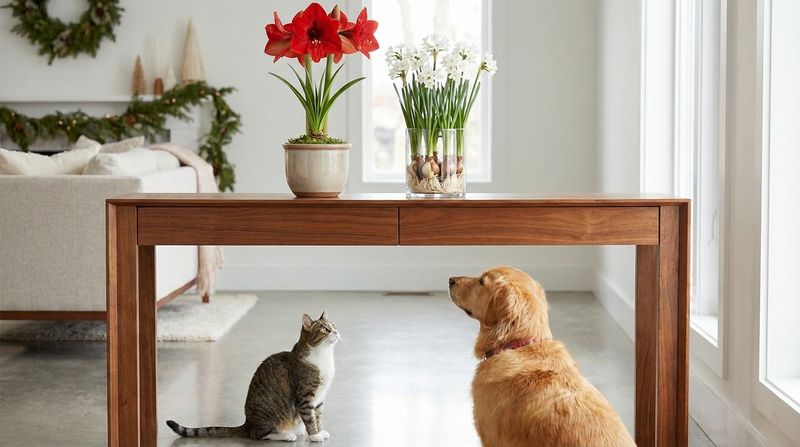
Picture a dog nosing through a gift basket and finding a plump, round bulb that looks a lot like a tennis ball. That is exactly how many amaryllis accidents begin.
Amaryllis is a winter favorite because its giant trumpet flowers bloom when everything outside looks brown. The whole plant contains toxins called lycorine and related alkaloids, but the bulb holds the highest amount.
A pet that chews it may vomit, drool, have stomach pain, or seem very tired.
In bigger doses, some animals show tremors or a drop in blood pressure. That makes amaryllis more serious than a plant that only causes a mild upset stomach.
Bulb kits are especially risky. They often sit on the floor or a low table while you unpack them, and dogs love to dig in fresh potting soil.
Store loose bulbs in a closed cabinet until planting time.
Once your amaryllis is potted, keep it out of reach and consider a heavy container that will not tip over. If you ever find chew marks on the bulb, call your vet or a pet poison hotline right away.
Quick action makes a big difference with this one.
3. Lilies
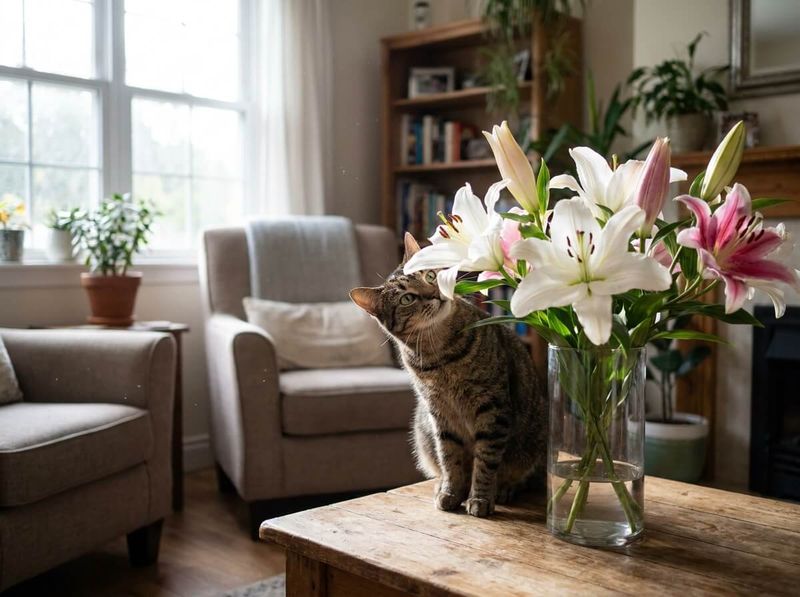
Cat owners, please read this one twice. True lilies are among the most dangerous plants a cat can touch, and the danger is shockingly easy to miss.
Easter lilies, stargazer lilies, tiger lilies, and daylilies all fall into this group. Holiday flower bouquets often include them, which is why winter is a risky time.
A cat only needs to chew a small piece of leaf, lick some pollen off its fur, or even drink the water from the vase.
The result can be sudden kidney failure. Early signs include vomiting, drooling, hiding, and not wanting to eat.
Within one to three days, the kidneys can stop working, and without fast treatment, many cats do not survive.
Dogs usually only get an upset stomach from lilies, but cats are in serious danger. There is no safe amount for them.
The best plan is simple. Do not bring true lilies into a home with cats at all.
If a bouquet arrives as a gift, pull out the lilies before setting it down. If you think your cat touched one, go to an emergency vet immediately, even if your cat seems fine.
4. Christmas Cactus
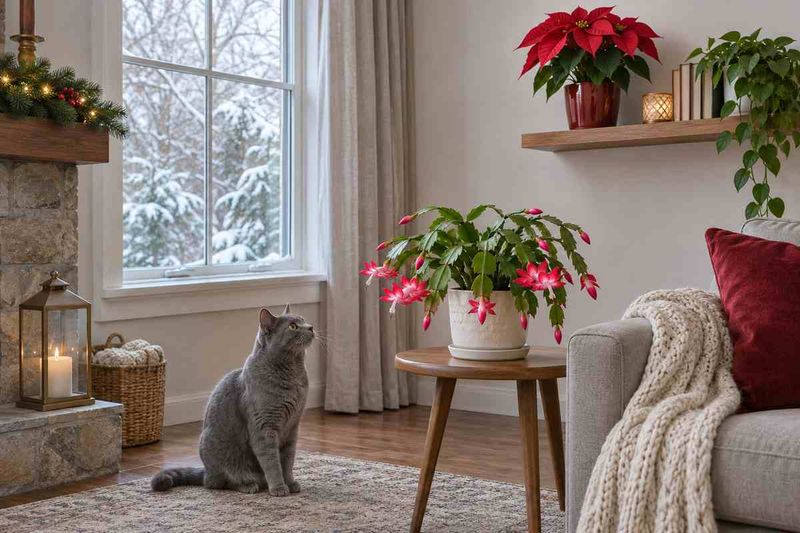
Grandma probably had one of these on her windowsill for forty years, blooming pink every December like clockwork. Many families pass cuttings down through generations, which makes the Christmas cactus feel like part of the family.
Here is the twist that surprises people. The Christmas cactus is actually considered nontoxic to cats and dogs by the ASPCA.
So why is it on this list? Because its long, dangling stems are a magnet for playful cats, and eating the fibrous pieces can still cause vomiting and diarrhea.
It also gets mixed up with look-alike plants. Some sellers label other succulents or similar holiday plants loosely, and those may be more harmful.
Knowing exactly what you own matters.
Another sneaky risk comes from the care routine. Many people treat plants with fertilizers or pest sprays, and those chemicals can make pets sick even when the plant itself is mild.
Fun fact: these cacti come from the rainforests of Brazil, where they grow on tree branches instead of in desert sand. Hang yours in a basket out of paw range, use pet-safe products, and enjoy those cheerful blooms without stress.
5. Pothos
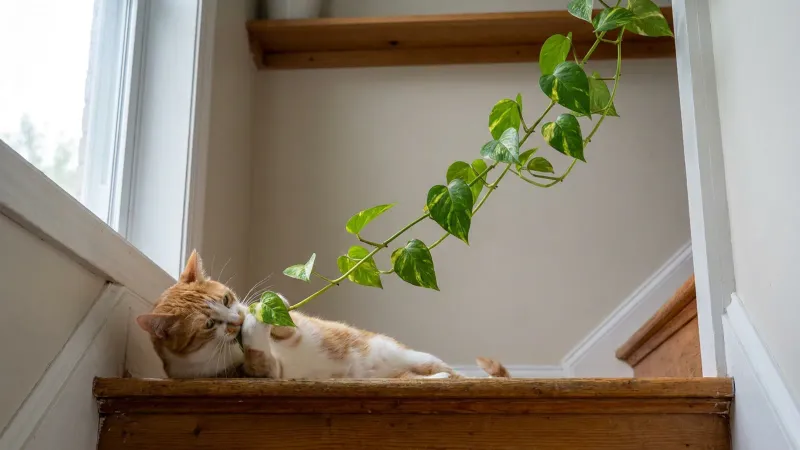
Ask any plant lover what to buy first, and pothos will probably top the list. It grows in low light, forgives missed waterings, and drapes beautifully off shelves.
Unfortunately, those trailing vines look like the perfect toy to a cat or puppy.
Pothos leaves contain tiny, needle-shaped crystals called calcium oxalates. When a pet bites down, the crystals poke into the mouth, tongue, and throat.
The reaction is fast and uncomfortable.
You might notice pawing at the mouth, heavy drooling, foaming, vomiting, or trouble swallowing. Luckily, the pain usually stops pets from eating very much, and serious problems are rare.
In unusual cases, swelling can make breathing harder, so watch closely.
Winter makes pothos more tempting. Pets spend more time indoors, and many people move vines closer to sunny windows where cats love to lounge.
Try training vines upward on a hook or moss pole instead of letting them hang low. Trim any long strands that dangle near the floor.
If your pet does take a bite, rinse the mouth gently with water and offer a little milk or a treat, then call your vet for next steps.
6. Snake Plant
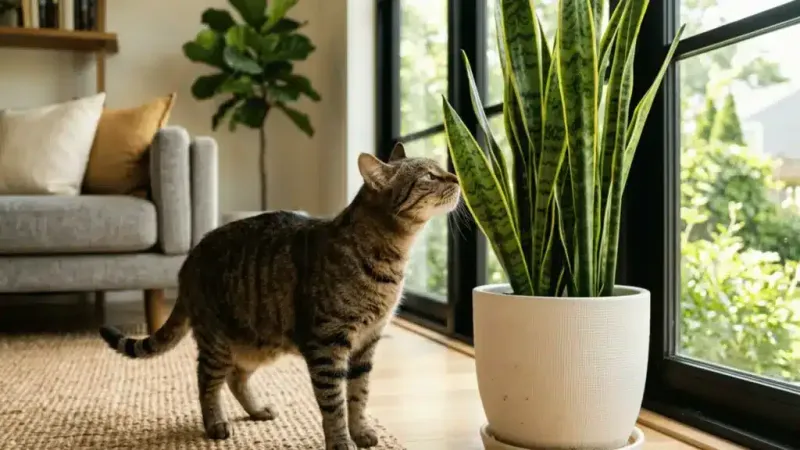
Stiff, upright, and nearly impossible to kill, the snake plant is a favorite for dark winter corners. It barely needs water, shrugs off dry heating air, and looks sharp in almost any room.
Those sword-like leaves contain natural soaps called saponins. Plants use them to taste bad and scare off insects and hungry animals.
When a dog or cat chews a leaf, saponins can cause nausea, vomiting, and diarrhea.
Compared with some others here, the snake plant is on the milder side. Most pets nibble once, decide it tastes awful, and walk away.
The real concern is a pet that chews again and again out of boredom during long indoor days.
Did you know? This plant has a lot of nicknames, including mother-in-law’s tongue, a joke about its sharp, pointy leaves.
Its scientific name changed a few years ago, so you may see it labeled Dracaena trifasciata.
Because snake plants are heavy and tall, they often sit right on the floor. That puts them at perfect nibbling height.
Raise the pot onto a plant stand, and give your pet safe chew toys or cat grass so it has something better to munch on.
7. Dieffenbachia
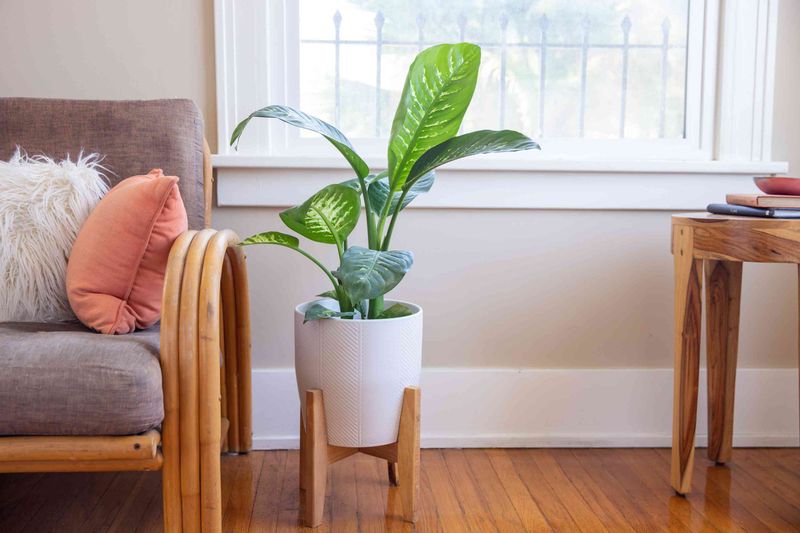
Ever heard someone call a plant dumb cane? That old nickname belongs to dieffenbachia, and it is a big clue about what the plant can do to a curious mouth.
Long ago, people noticed that chewing the stem made the tongue and throat swell so badly it was hard to speak. Like pothos, dieffenbachia is packed with sharp calcium oxalate crystals, but it often carries a stronger punch.
For pets, the effects show up almost instantly. Expect drooling, pawing at the face, crying out, vomiting, and a swollen mouth or tongue.
Thick stems hold the most crystals, so a dog that gnaws on the base can get a heavy dose.
Big, bold leaves make dieffenbachia a popular choice for brightening up a room in winter. Because it grows tall and wide, it usually sits on the floor where pets roam freely.
Wear gloves when you prune it, and wash your hands afterward, since the sap can irritate people too. Keep cuttings off counters and out of trash cans your dog can raid.
If your pet shows any swelling or breathing trouble after a nibble, treat it as an emergency and call the vet.
8. Jade Plant
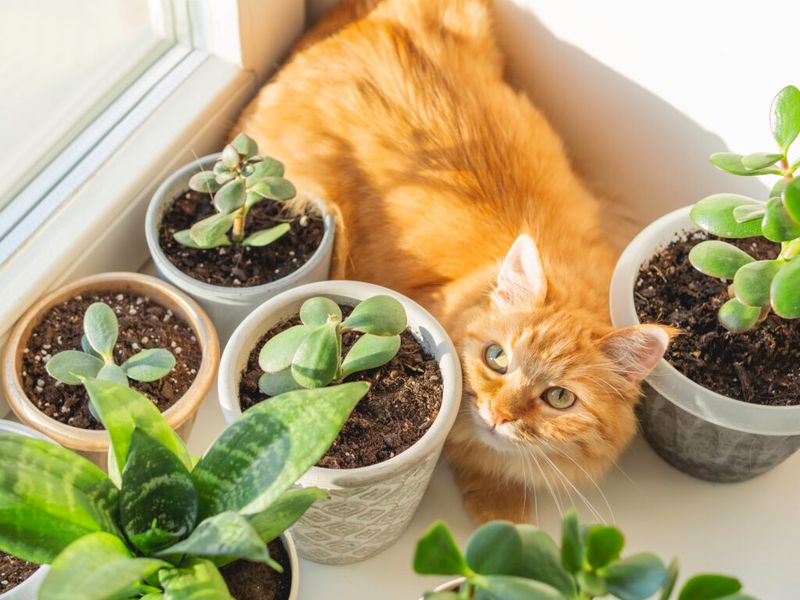
Some people keep a jade plant by the front door for good luck and money. It is a charming tradition, but the luck runs out fast if your cat decides those chubby leaves look like snacks.
Jade is a succulent, and many folks assume all succulents are harmless. That is a common mistake.
The ASPCA lists jade as toxic to both cats and dogs, though scientists still are not sure exactly which compound causes the trouble.
What they do know is the list of symptoms. Pets may vomit, act sluggish, seem wobbly, or show a slow heart rate.
Some cats also look depressed and stop eating for a while.
In winter, jades get moved onto sunny sills to soak up every bit of light. Unfortunately, cats adore those same warm windowsills, which puts nose and leaf side by side all day.
Fun fact: a healthy jade can live for decades and slowly grow into a small tree. To keep yours and your pets thriving, give it a sunny spot your cat cannot reach, like a hanging shelf.
Pick up fallen leaves, since they root easily and tempt pets to play.