
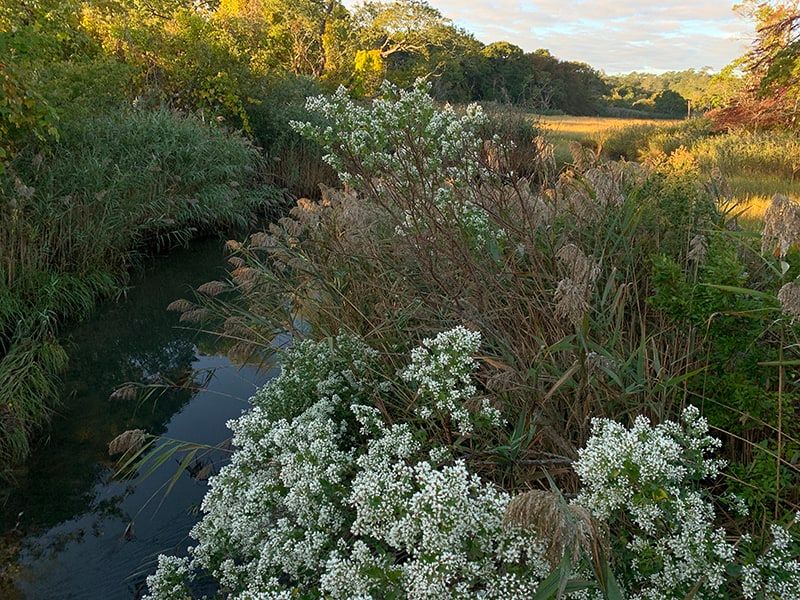
A butterfly yard should not run out of food when spring flowers fade. Florida has native shrubs that offer nectar through summer and fall, plus leaves that feed hungry caterpillars.
The trick is choosing plants that fit your part of the state and bloom at different times. These nine shrubs can help turn a short spring show into a much longer season of butterfly visits.
1. Firebush
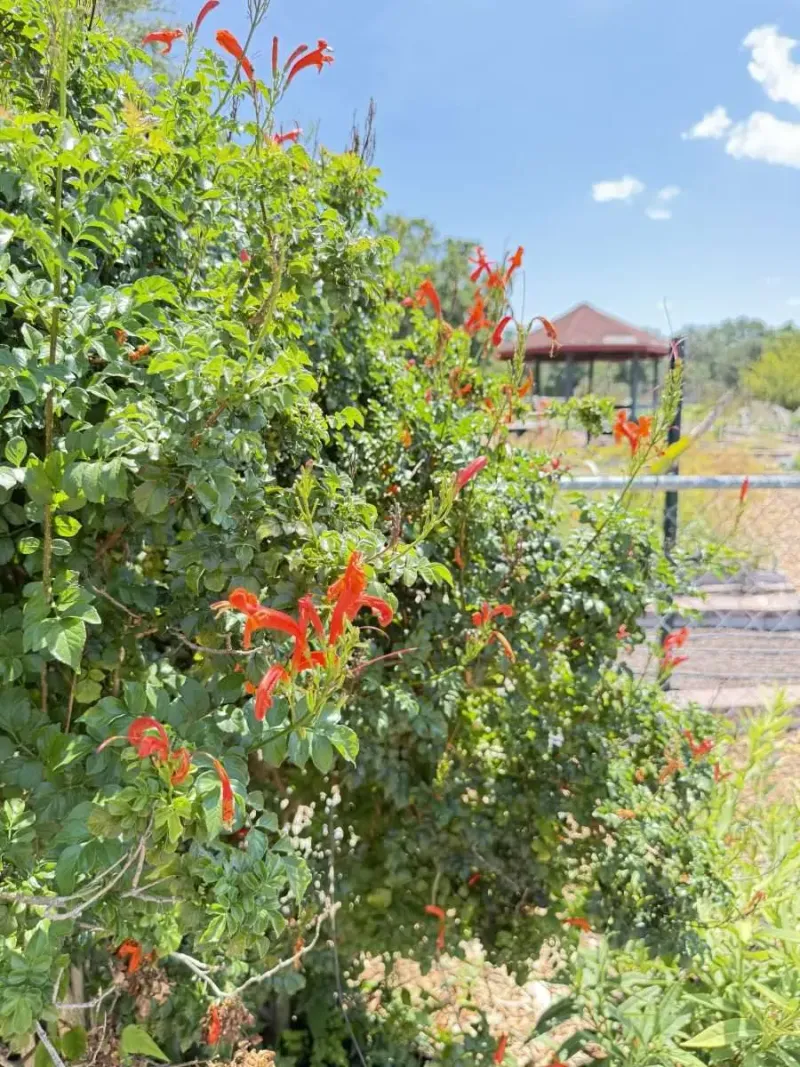
Orange flowers can turn an ordinary summer afternoon into a butterfly-watching session. Native firebush, Hamelia patens, keeps producing its narrow blooms through warm weather, often continuing into fall and beyond in frost-free parts of Florida.
Zebra longwings, gulf fritillaries, and several swallowtails visit the flowers for nectar. That long flowering season makes firebush especially useful when shorter-lived blooms elsewhere in the yard have finished.
Give it sun for the heaviest flowering, although it tolerates partial shade. Allow room for a large, loose shrub, commonly 5 to 12 feet tall and sometimes larger in South Florida, rather than trying to squeeze it beneath a low window.
Cold can damage the top growth in Central Florida, and North Florida gardeners should not expect dependable winter structure or flowers. Water new plants regularly while roots establish, then reduce irrigation as conditions allow.
Ask a native nursery for locally appropriate native stock, since plants sold under the firebush name can differ. Skip frequent hedge trimming, which removes the flower-bearing tips and much of the reason butterflies stop by.
2. Wild Coffee
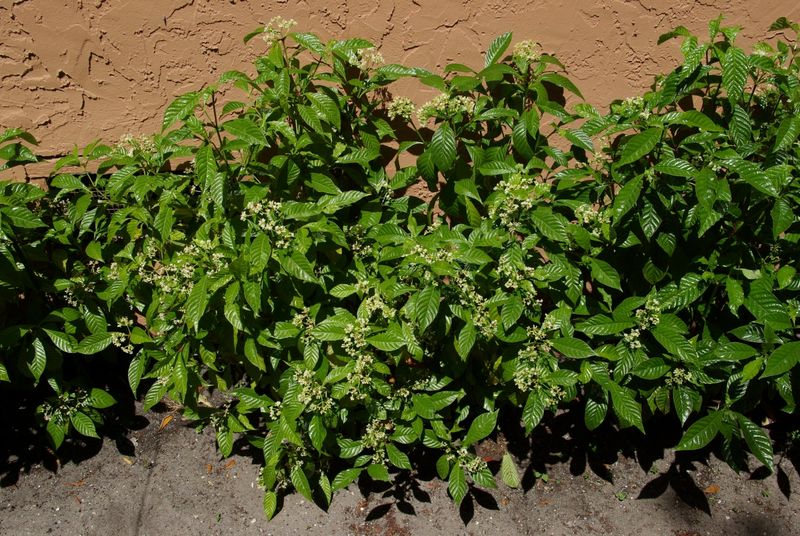
A partly shaded corner does not have to sit out butterfly season. Wild coffee, Psychotria nervosa, brings glossy, deeply textured leaves and clusters of small white flowers to spots where many sun-loving nectar plants struggle.
Its blooms attract butterflies and other small pollinators, with flowering generally occurring from spring into summer and sometimes in later flushes in warm areas. Red fruits add another layer of wildlife value by feeding birds after flowers fade.
Use wild coffee as a leafy backdrop near a patio, along a shaded path, or beneath an open tree canopy. It commonly reaches about 4 to 10 feet, depending on growing conditions, and looks best when allowed to keep its natural shape.
Partial shade and well-drained soil suit it well. Once established, it handles some dry weather, but a hot, exposed site with reflected afternoon heat is not its happiest home.
Gardeners in Central and South Florida have the best fit, especially in protected locations. Despite the familiar name, this is a wildlife shrub, not a substitute for the coffee in your kitchen.
3. Privet Senna
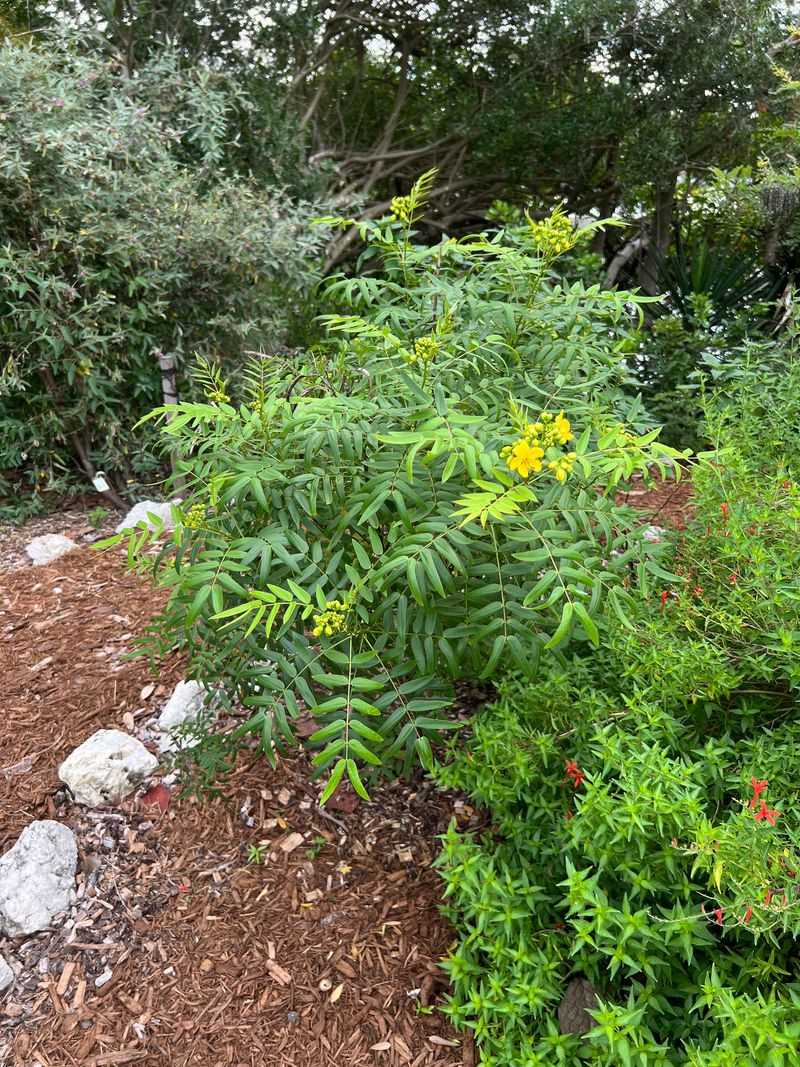
Chewed leaves can be a sign that your butterfly garden is working. Privet senna, Senna ligustrina, feeds the caterpillars of sulphur butterflies, making it valuable even when an adult butterfly is not perched on a flower.
Its yellow blooms brighten the garden during the warmer months, often with a strong late-season display. The flowers mainly offer pollen to bees, so think of this shrub as a caterpillar nursery rather than your main butterfly nectar station.
Plant it beside nectar-rich neighbors such as firebush or buttonsage. That pairing gives adult butterflies a place to refuel near foliage where the next generation can grow.
A sunny to partly sunny location with well-drained soil works well, and mature plants tolerate periods of drought. Expect an airy shrub roughly 4 to 8 feet tall, with size varying by site and pruning.
Choose the native species by its botanical name, since several unrelated or nonnative plants share the senna label. Avoid spraying caterpillar damage, including with caterpillar-targeting products such as Bt, if supporting butterflies is your goal.
4. Buttonsage
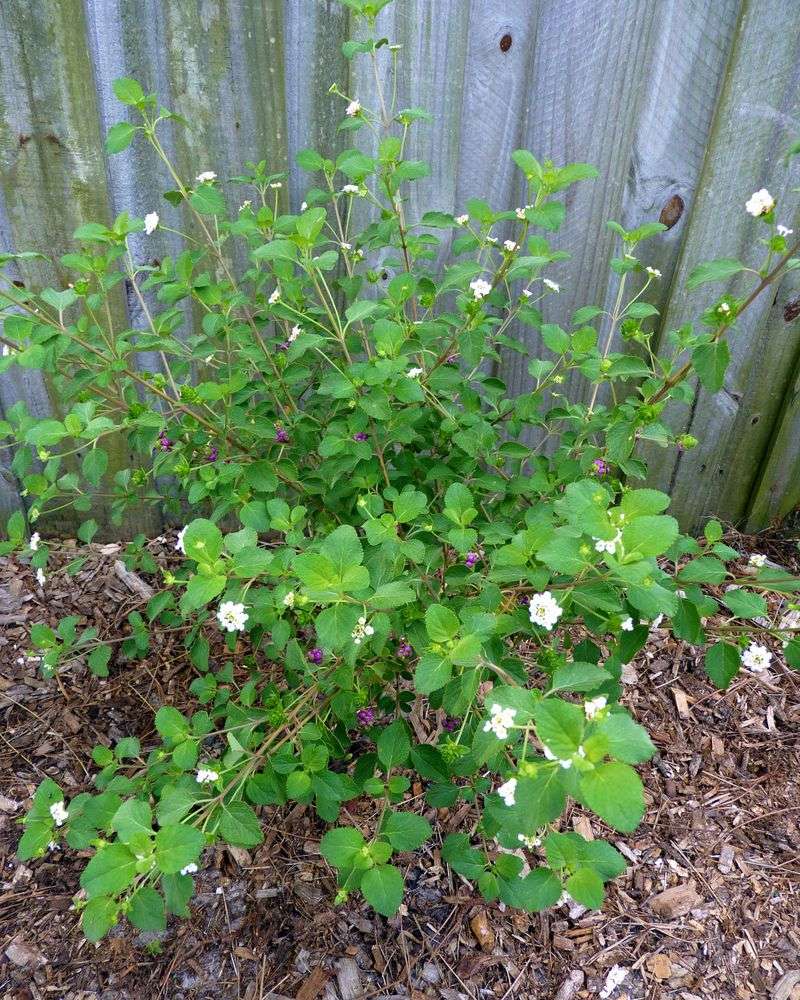
Small white flower clusters can draw a surprisingly busy crowd. Buttonsage, Lantana involucrata, offers accessible nectar to butterflies, including smaller visitors that are easy to miss among larger garden blooms.
In warm South Florida locations, flowering can continue through much of the year. Its pale flowers, textured leaves, and branching habit make it a useful choice for a relaxed border rather than a tightly clipped hedge.
Give buttonsage full sun or light shade and soil that drains freely. Established plants handle drought and coastal conditions well, making them practical for sandy yards where thirsty ornamentals need constant attention.
Leave several feet of space around the plant, since it often grows about 4 to 8 feet tall and can spread broadly. Light, selective pruning keeps paths clear without stripping away every new flower cluster.
Check the botanical label carefully before buying. Native buttonsage is not the same as the invasive lantanas commonly sold or found growing wild in Florida, and cold limits its usefulness farther north.
5. Scorpiontail
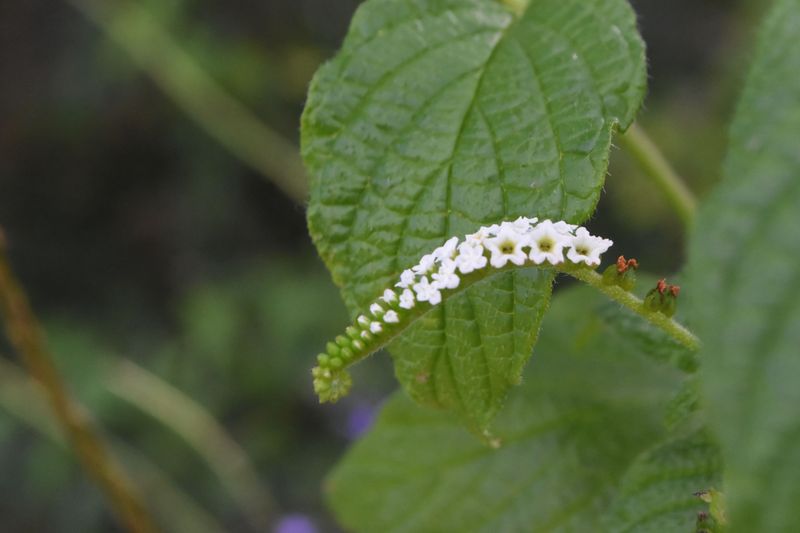
Curled flower spikes give this little plant a name you will remember. Scorpiontail, Heliotropium angiospermum, carries rows of tiny white blooms along curved stems that slowly unfurl as flowering continues.
Small butterflies and skippers visit those flowers for nectar. In warm parts of Florida, its extended bloom season helps fill the spaces between bigger floral displays, especially through summer and fall.
Although often described as a short-lived perennial or subshrub, scorpiontail develops a woody base and earns a spot along the front of an informal shrub border. It usually stays around 2 to 3 feet tall, making its flowers easy to watch from a nearby chair.
Sun to partial shade and well-drained soil are good starting conditions. Plants may reseed, so leave a few seedlings where they fit and remove extras before the bed becomes crowded.
Scorpiontail is best suited to Central and South Florida, with cold limiting its persistence farther north. Give it a little freedom to lean and wander, since a rigid, clipped shape does not suit its loose flower stems.
6. Wild Lime
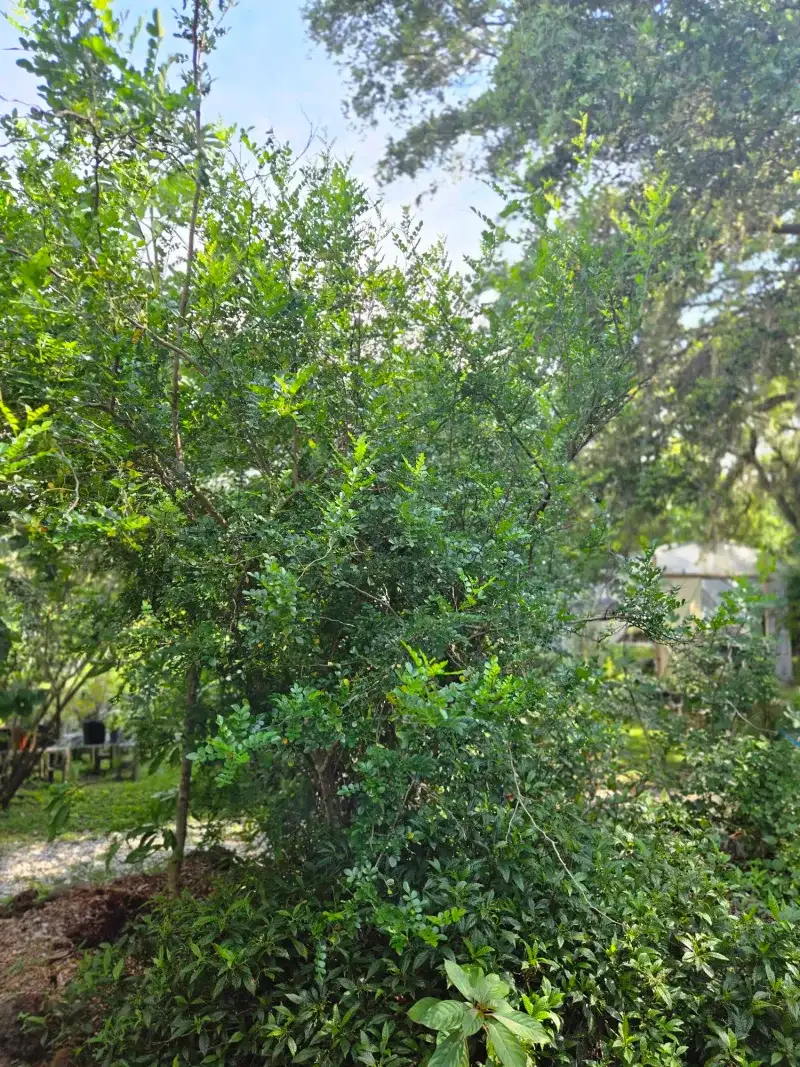
A giant swallowtail drifting across the yard is a good reason to make room for a thorny shrub. Wild lime, Zanthoxylum fagara, provides leaves for this butterfly’s caterpillars, extending your garden’s value far beyond a seasonal nectar display.
The caterpillars resemble bird droppings when young, a disguise that can make them easy to overlook. Finding one on a leaf means the shrub is doing something a flower-only planting cannot: helping produce future butterflies.
Wild lime is a member of the citrus family, but it is not the lime tree grown for kitchen fruit. Its small flowers are less showy than many plants on this list, so combine it with summer- and fall-blooming nectar shrubs.
Choose a sunny to partly shaded position with good drainage in Central or South Florida. It can become a large shrub or small tree, so allow ample space for its branching habit.
Because its stems have sharp thorns, keep it away from narrow walkways and children’s play areas. Place it toward the back of the border, where butterflies can use it without snagging passing gardeners.
7. Buttonbush
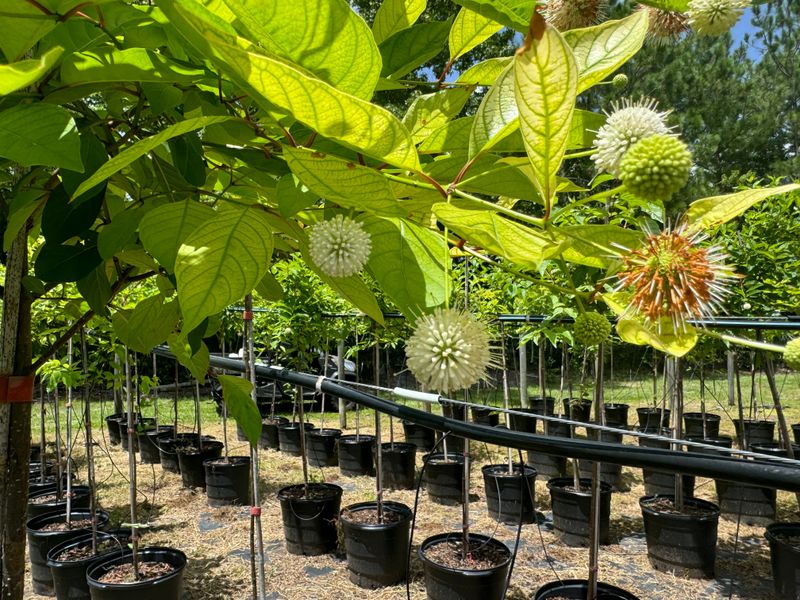
That soggy patch near the downspout may be your best butterfly-garden opportunity. Buttonbush, Cephalanthus occidentalis, thrives in moist to wet ground and produces round white flower heads that look like little pincushions.
Butterflies visit these nectar-rich globes during the warm season. Its summer bloom gives wet areas a clear purpose when many familiar landscape shrubs would struggle with the same conditions.
Across Florida, buttonbush works near freshwater pond edges, in suitable rain gardens, or in low spots that stay moist. Sun encourages flowering, although the shrub can tolerate some partial shade.
Plan for a substantial plant, often 6 to 12 feet tall and sometimes larger. It is deciduous, so bare branches during the cooler season are normal rather than a sign that something has gone wrong.
Do not place it in a dry sandy bed and expect carefree results, because steady moisture is the key to success. Keep it away from areas where children or pets might eat plant parts, which are considered toxic if ingested.
8. Groundsel Bush
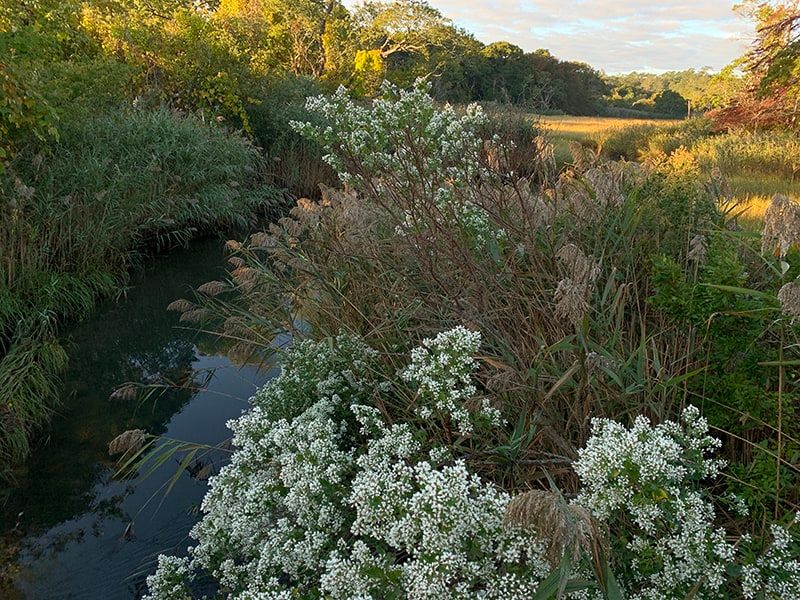
Fall deserves its own nectar stop, not just the leftovers of summer. Groundsel bush, Baccharis halimifolia, also called saltbush, flowers late in the year when butterflies may still be active across much of Florida.
Its small blooms do not have the bold color of firebush, but they attract a wide range of insects, including butterflies. Female plants later develop masses of fluffy white seed heads that make the shrub much more noticeable.
Use it where a loose, natural shape belongs, such as a broad property edge or wildlife planting. It commonly reaches 6 to 12 feet tall, so it can overwhelm a narrow foundation bed.
Full sun and moist soil suit it, and established plants tolerate salt exposure and some dry periods. Its toughness makes it useful in challenging sites, but that same vigor means seedlings may appear nearby.
Remove unwanted seedlings early and prune selectively after the seasonal display if needed. For homeowners who can offer enough room, groundsel bush adds a valuable late chapter to the butterfly calendar instead of repeating the spring show.
9. Fiddlewood
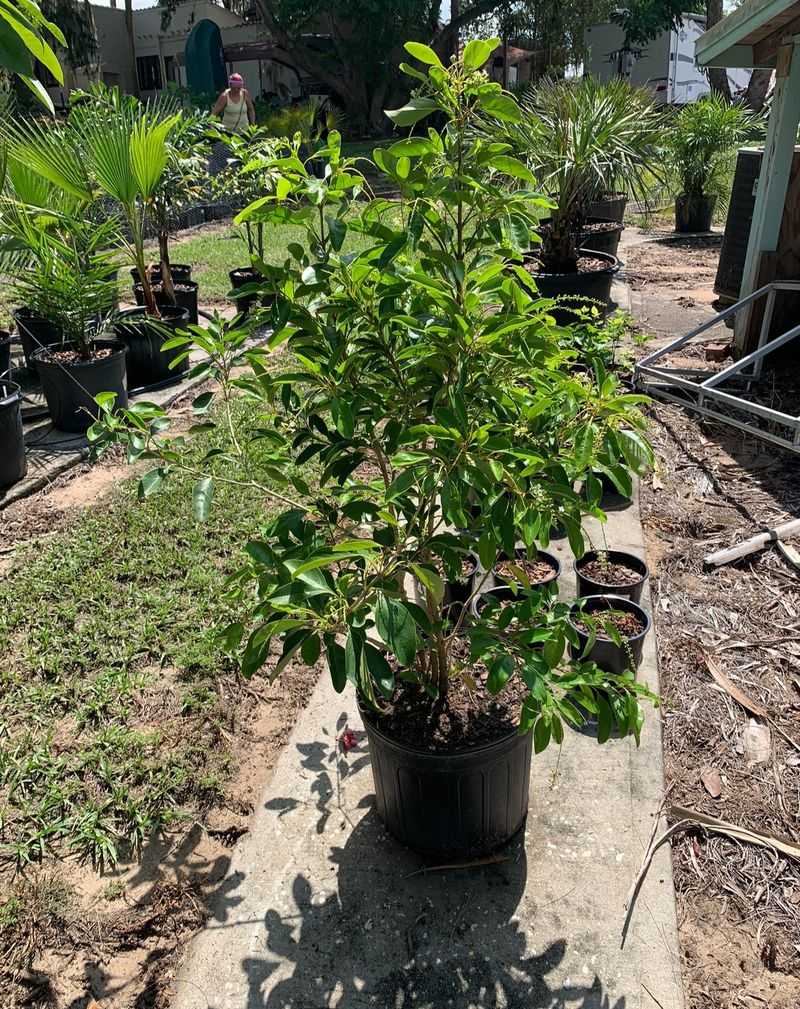
Sweet fragrance gives you another reason to pause beside the butterfly border. Fiddlewood, Citharexylum spinosum, produces hanging clusters of small white flowers that draw butterflies and other pollinators during its flowering periods.
In warm South Florida gardens, blooms can appear at several times of year, including beyond spring. Flowering varies with weather and site, so treat it as part of a mixed planting rather than a promise of nonstop nectar.
Glossy leaves give fiddlewood a polished look that fits near a patio or along a broad landscape border. Birds may also visit for the fruits that follow the flowers, adding wildlife interest after a bloom cycle ends.
Allow generous room, since this large shrub can grow into a small tree, often reaching 15 to 25 feet if left unpruned. Sun to partial shade and well-drained soil generally suit it, and established plants tolerate some drought.
Its cold sensitivity makes it primarily a South Florida choice. Keep pruning light and selective, then pair it with a host shrub and a reliable fall bloomer to support butterflies at several stages of their lives.