
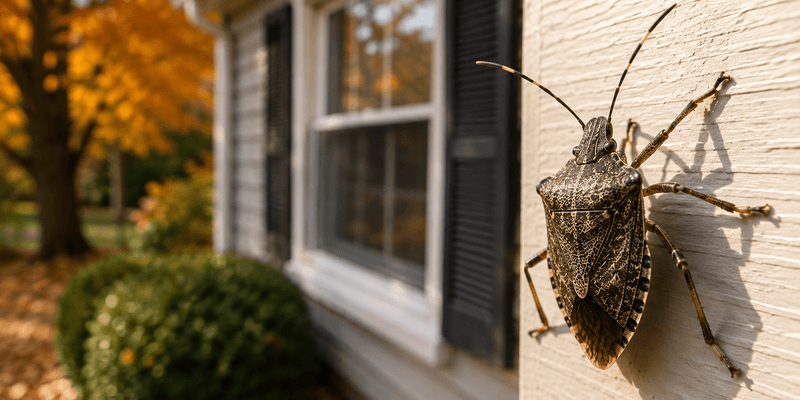
If your sunny siding looks like it’s crawling with little brown shields, you’re seeing brown marmorated stink bugs scouting for a winter home. Across North Carolina, from Asheville to the Outer Banks, these bugs pile onto warm walls in fall and then squeeze through any crack they can find.
Once inside, they hide in wall voids and attics, then wander out on warm winter days to buzz around your lamps. The good news is that a few hours of sealing the right gaps now can keep most of them outside where they belong.
1. Window Frame and Trim Cracks
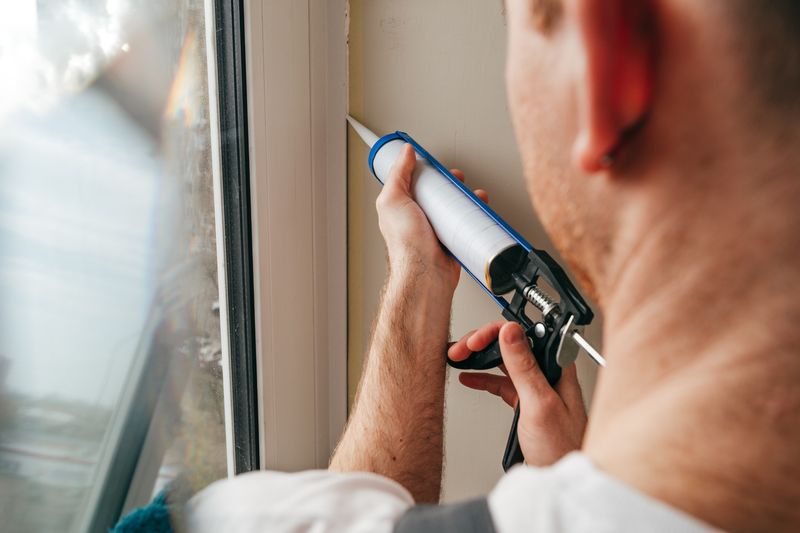
Watch a sunny window on a crisp October afternoon and you’ll see stink bugs marching straight for the corners. Old caulk around window trim shrinks and splits after a few hot Carolina summers, leaving thin slits that are perfect bug doorways.
Run your fingernail along the seam where trim meets siding. If the caulk feels brittle or pulls away, cut it out with a utility knife and lay a fresh bead of exterior-grade silicone or siliconized acrylic.
Pick a dry day above 50 degrees so the caulk bonds well. South and west windows deserve attention first, since those walls warm up the most and draw the biggest crowds.
2. Torn or Loose Window Screens
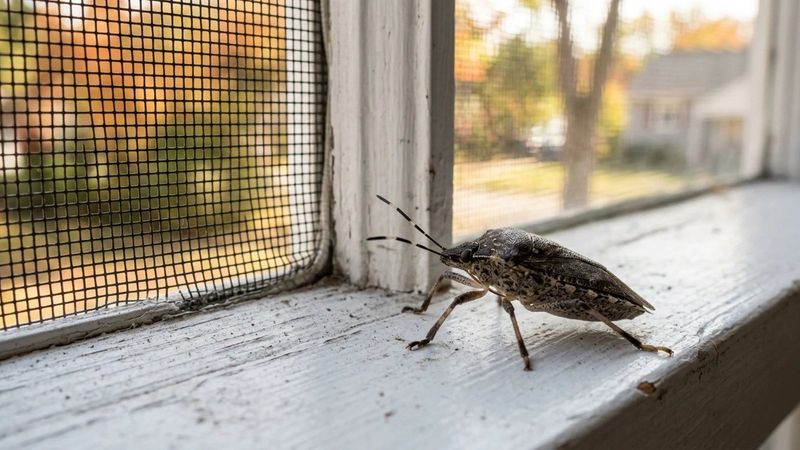
A pinhole in a screen sounds harmless. To a bug shaped like a flat little shield, though, it’s an open gate.
Check every screen for rips, bent frames, and gaps along the edges where the spline has slipped. Small tears can be patched with stick-on screen repair kits, while badly damaged panels are cheap to rescreen at most hardware stores.
Don’t forget windows you rarely open, like those in guest rooms and basements. Stink bugs love quiet, undisturbed spots, and a forgotten window is exactly where a whole cluster can slip in unnoticed.
3. Gaps Under Siding and Corner Boards
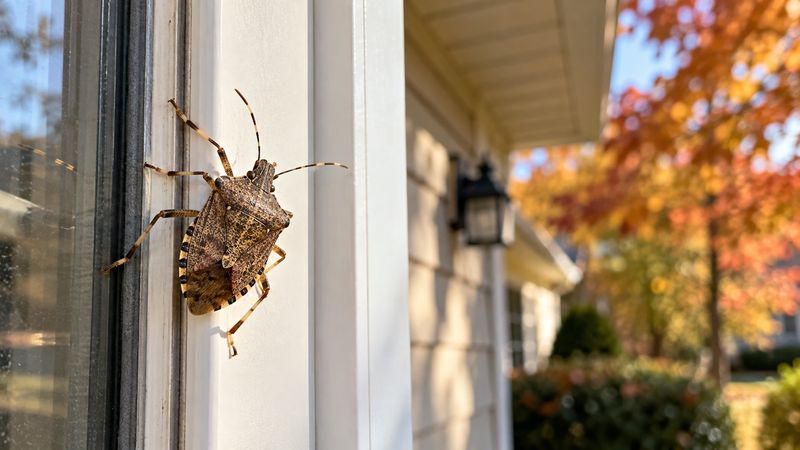
Here’s a quirky fact: stink bugs crawl upward and toward cracks by instinct, so siding laps act like a staircase to your walls. Vinyl siding especially has natural gaps where it expands and contracts.
You can’t caulk every lap on vinyl, since it needs room to move. Instead, focus on corner boards, J-channels, and spots where siding meets the foundation or roofline.
For wood or fiber cement siding, seal open seams with paintable caulk. Look closely at places where pieces were patched after storms, because repair jobs often leave sloppy joints.
4. Utility Penetrations
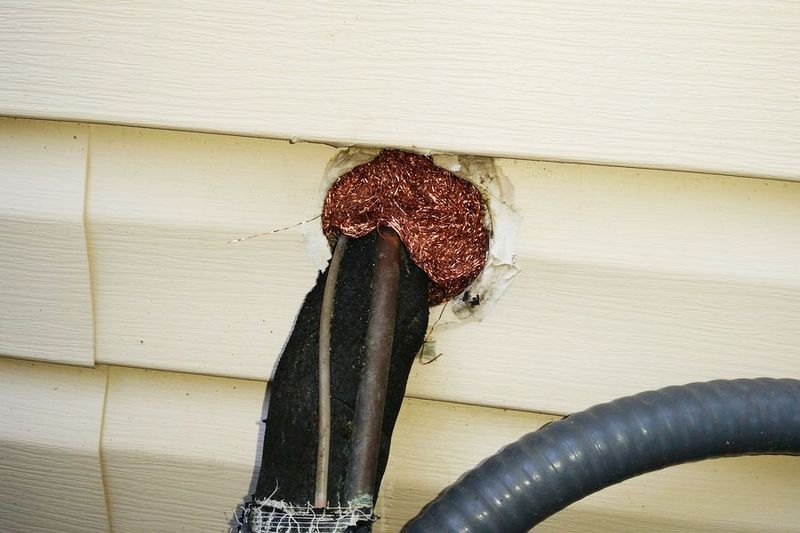
Cable guys, plumbers, and HVAC techs all drill holes, and few of them seal those holes well. Walk around your house and count every wire, pipe, and line that enters the wall.
You’ll often find gaps around AC line sets, outdoor faucets, dryer cords, and satellite cables. Small gaps take caulk, while bigger ones need low-expansion spray foam or copper mesh stuffed in first.
Copper mesh is a smart choice because bugs and mice can’t chew through it. Finish with caulk over the top for a tight, weatherproof seal.
5. Attic and Gable Vents
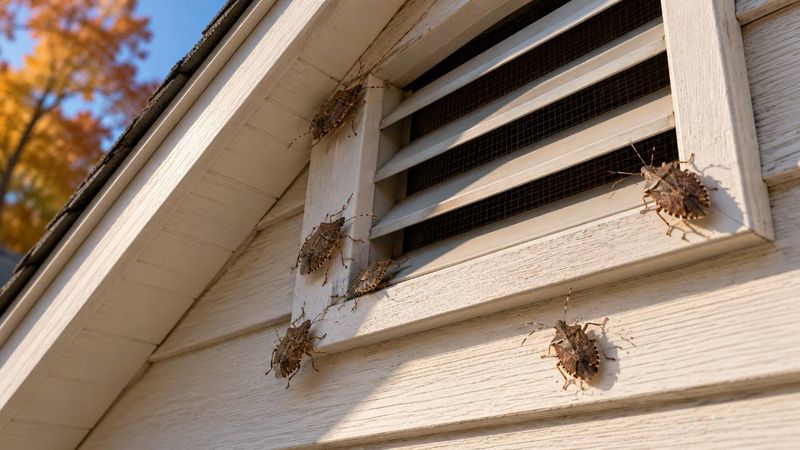
Plenty of homeowners never think about the attic until they hear buzzing up there in January. Gable vents, soffit vents, and ridge vents need airflow, but many have screens too coarse to stop a stink bug.
From a safe ladder, check that each vent has intact screening. Adding fine mesh, around 1/16 inch, behind louvers will block bugs while still letting the attic breathe.
Never seal vents shut, since attics need ventilation to avoid moisture and mold. Keep the air moving, just filter out the hitchhikers.
6. Door Sweeps and Thresholds
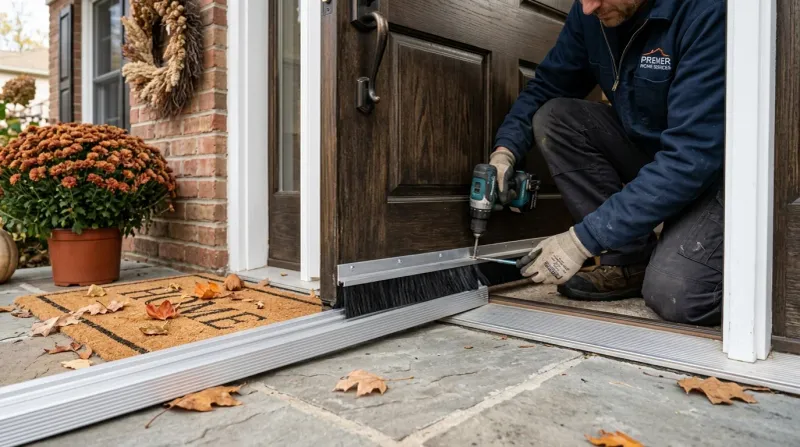
Try this tonight: turn off the inside lights and look at the bottom of your exterior doors. If you see daylight or porch light leaking through, bugs see an entrance.
Door sweeps are cheap and take about ten minutes to install. Pick a brush or rubber style that touches the threshold fully when the door is closed.
Also check weatherstripping along the sides and top of each door, including the one from the garage. Garage doors themselves often have worn bottom seals that are worth replacing before the first cold snap.
7. Chimney and Fireplace Openings
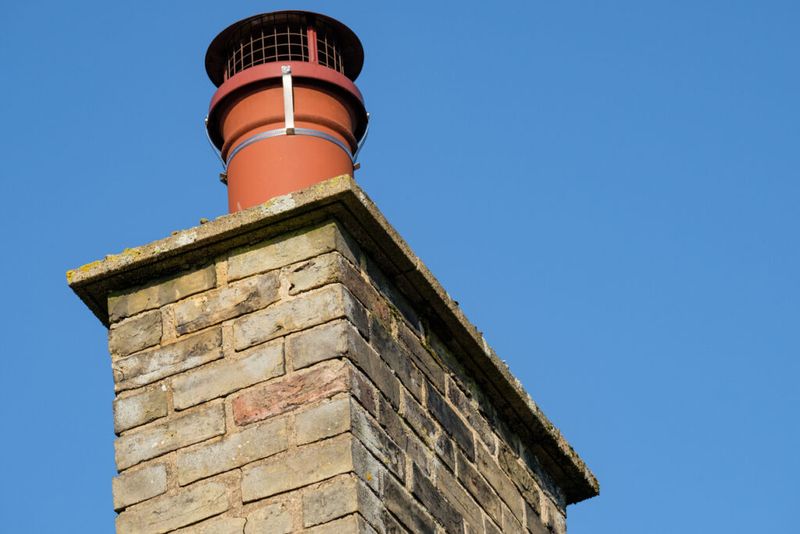
Grandparents across the Carolinas used to say a cold chimney lets in more than drafts, and they were right. An uncapped flue is a wide-open highway for stink bugs, plus birds and squirrels.
A stainless chimney cap with mesh sides stops most pests while letting smoke out. Inside, close the damper tightly when the fireplace isn’t in use.
Check where the chimney meets siding and roof, too. Gaps in flashing or mortar can be sealed with high-temperature caulk or mortar repair.
8. Dealing With the Bugs Already on Your Walls
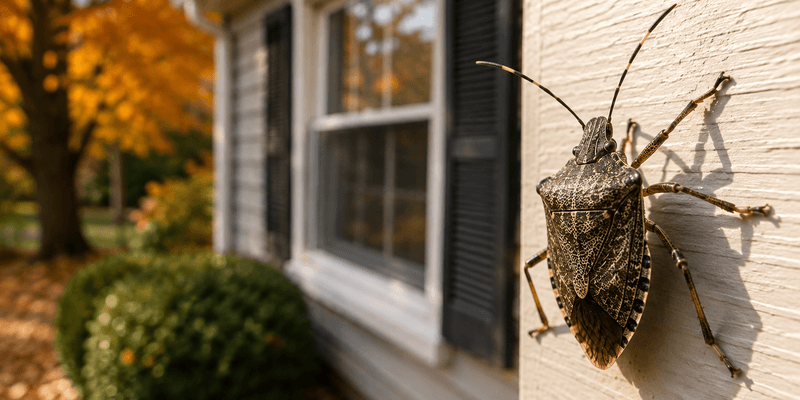
So what about the crowd sunning itself on your siding right now? Skip the swatter.
Squishing stink bugs releases that famous cilantro-like smell.
Knock them into a bucket of soapy water instead, and they’ll drown quickly. A shop vac works too, but use a dedicated one, because the odor lingers in the canister.
Spraying insecticide on siding gives short-lived results and can harm helpful insects. Sealing gaps is still the real fix, and bugs that can’t get in will eventually move on or die off outdoors as temperatures drop.