
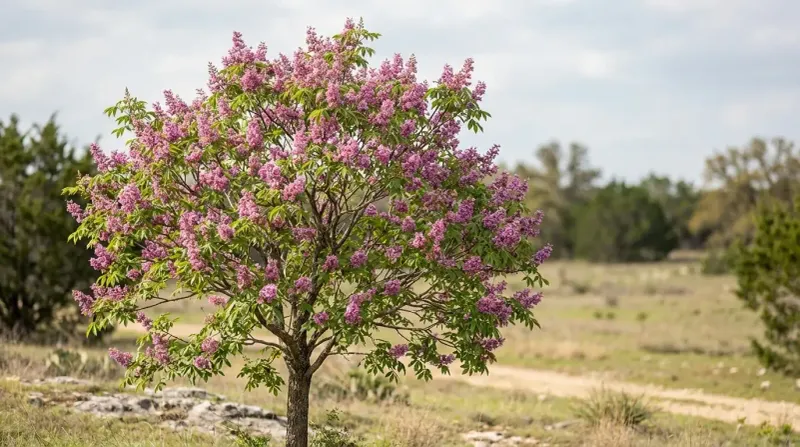
Mexican buckeye is the Texas native that lights up Central Texas yards with bright yellow to golden leaves when much of the landscape fades. It is a tough, good-looking plant that also offers spring flowers and interesting seed capsules.
It does grow bigger than many people expect, and it likes good drainage. Here is how to tell whether it fits your yard.
Golden fall leaves make Mexican buckeye worth a closer look
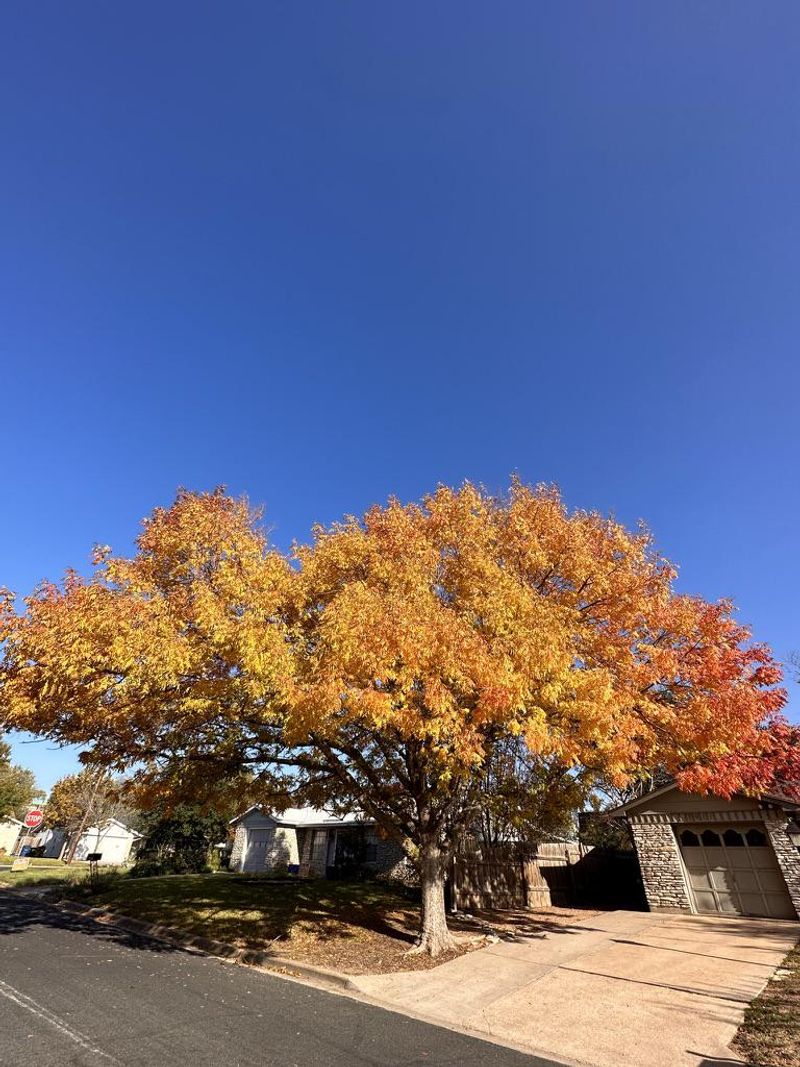
Fall in Central Texas can feel like a letdown. Many plants simply dry out and fade to brown or gray, and yards lose their spark.
Mexican buckeye (Ungnadia speciosa) is a Texas native that pushes back against that.
It is deciduous, which means it drops its leaves for the cold season, but before they fall they put on a show. Texas A&M AgriLife describes the fall color as bright yellow, and the Lady Bird Johnson Wildflower Center also lists golden fall foliage.
That makes it a proud local answer for homeowners who want native autumn color.
A little honesty helps here. No source promises a particular week for the color change, a set number of days the leaves will glow, or the same intensity in every yard.
Sun, soil, and the weather of each year can all shape what you see, so think of the golden leaves as a likely reward and not a guarantee.
The bigger question is whether this plant suits your space and soil. Mexican buckeye is not a tiny, tidy bush, and it has some site needs worth knowing before you buy.
The next sections walk through size, light, drainage, planting, and a few other traits so you can decide with confidence.
Its mature size changes the small-yard pitch
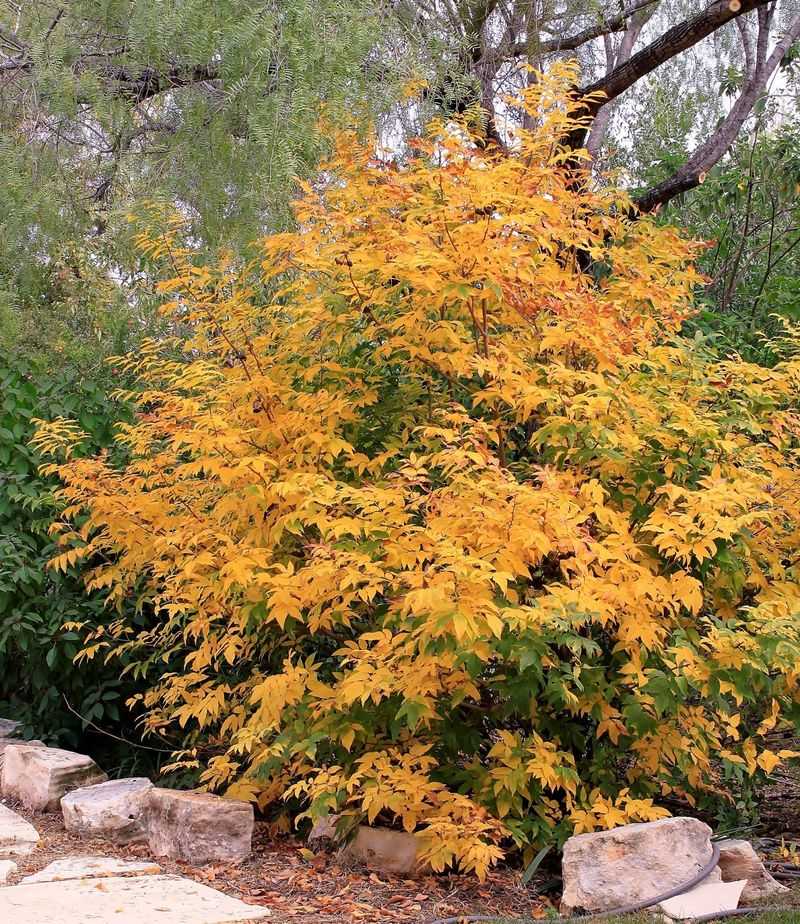
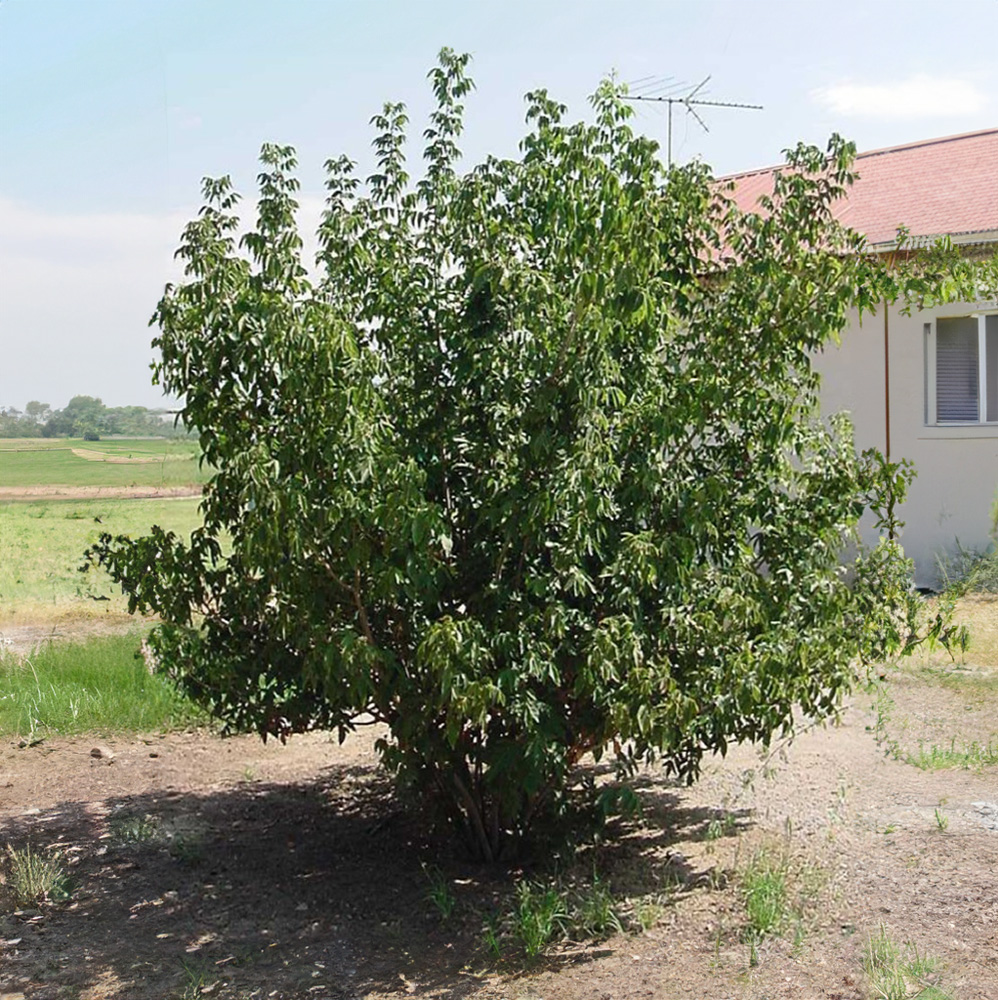
Here is the candid part. Mexican buckeye is a large shrub or small tree, not a reliably compact shrub.
If you picture a neat little mound under a window, this plant will likely outgrow that picture.
The City of Austin plant guide gives a typical mature range of 12 to 20 feet in both height and spread. Texas A&M notes that some plants can reach 30 feet.
That is a lot of plant for a narrow side yard or a bed beside the walkway.
The form is usually shrubby and multi-trunked, with several stems rising from the base. Central Texas Gardener says it can be trained to a single trunk if you prefer a tree look.
Training changes the shape, but it does not make the plant reliably small, so do not count on it to save space.
The practical move is to measure before you buy. Picture a circle 12 to 20 feet across and check it against fences, eaves, sidewalks, and neighbors.
If that circle fits, you are in good shape. If it does not, a smaller plant may serve you better.
Could it get enough sun in your yard?
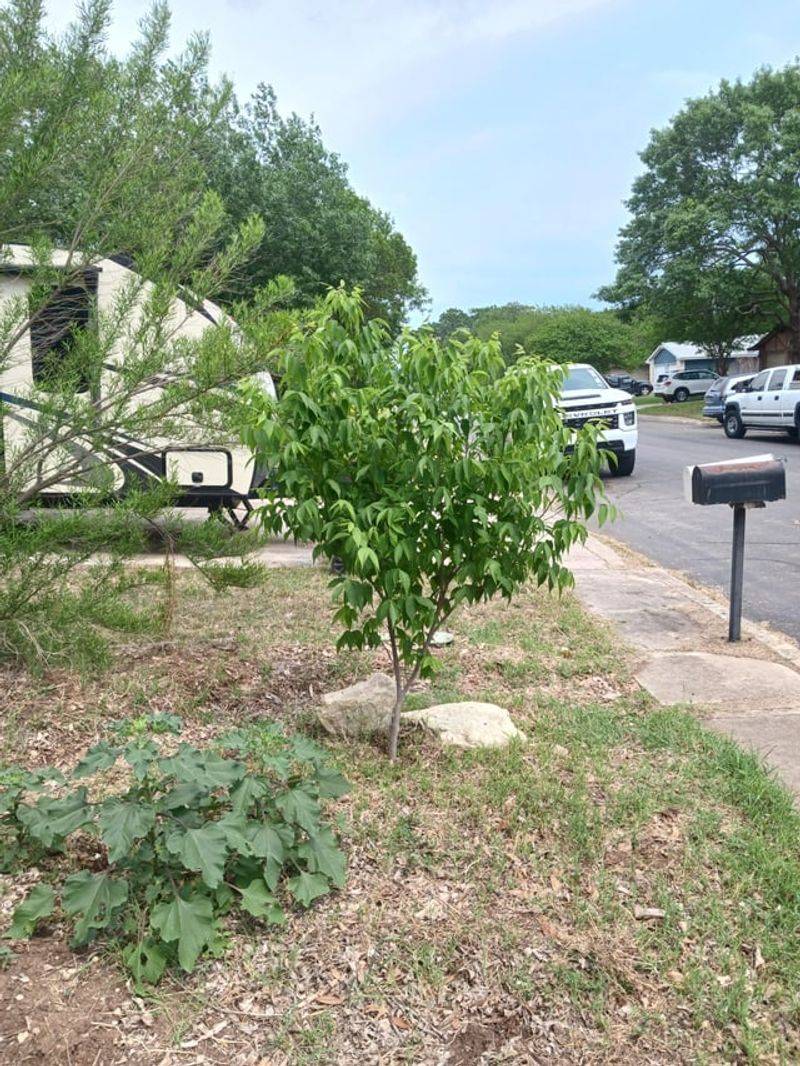
Light is the easiest thing to check, and it costs nothing. Mexican buckeye can grow in sun or part shade, which gives you more choices than a plant that demands full blazing exposure.
Austin’s plant guide says it needs about half a day of sun. Central Texas Gardener also describes it as adaptable to sun or part shade.
Those are the documented conditions, so there is no need to chase a stricter rule.
To test a spot, visit it a few times through a day. Note when direct sun arrives and when it leaves.
Morning sun with afternoon shade, or the reverse, can both add up to a good chunk of the day.
A spot that sits in deep shade from a big oak or a tall north wall all day is a poor match. A spot that gets roughly half a day of direct light is a reasonable candidate, as long as the plant also has room to grow and soil that drains.
Alkaline clay still needs good drainage
Central Texas soil is often alkaline and heavy, and plenty of plants struggle with it. Mexican buckeye handles the alkaline part well.
The catch is that tolerating alkaline soil is not the same as tolerating soggy soil.
The Texas Tree Selector lists it as tolerant of alkaline conditions and able to grow in clay. Texas Parks and Wildlife lists sands, loams, and clays, but specifies well-drained conditions.
Central Texas Gardener says it can take slightly heavy soil but prefers good drainage.
So the honest summary is that it can grow in clay where drainage is adequate. It is not a plant for the low corner where water pools after a storm.
You can learn a lot by watching your yard. Look at where puddles linger a day or more after rain, and where water runs off quickly.
Choose a spot in the second group, such as a gentle slope or a raised area, and skip the first.
Planting in Austin clay calls for restraint with amendments
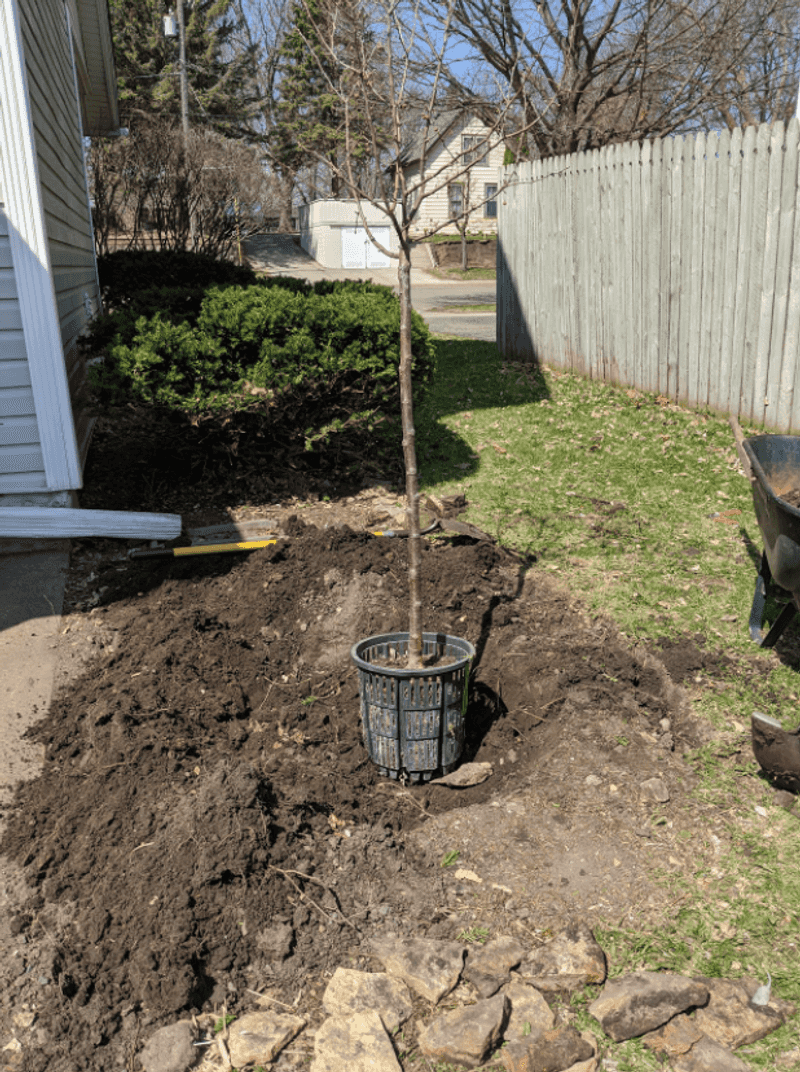
It is tempting to dig a big hole and fill it with rich compost, thinking you are doing the plant a favor. In clay, that can backfire.
Texas A&M AgriLife Extension in Travis County warns that a heavily amended planting hole can hold excess water in clay. The hole becomes a bowl that collects moisture instead of letting it drain away.
The guidance is not to fill the hole with compost or peat in place of the soil you dug out.
That fits neatly with what Mexican buckeye wants, which is good drainage. A soggy pocket around the roots works against it.
The source stops there, and so will this article. There are no extra planting steps, depths, or schedules here beyond what the Extension guidance supports.
If you want more detail, your local Extension office is a good place to ask.
Spring flowers and persistent capsules add another season of interest
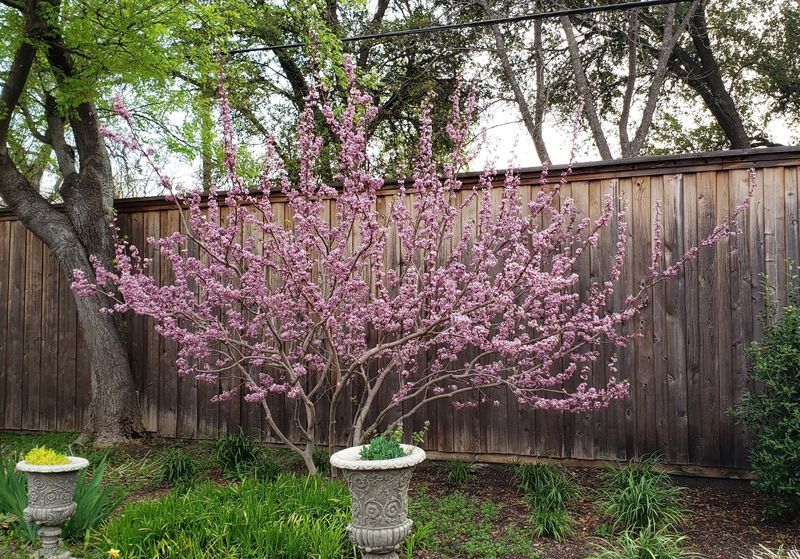
Gold leaves are not the only reason to like this plant. In spring, Mexican buckeye produces fragrant pink flowers, according to the Lady Bird Johnson Wildflower Center.
They add color and scent to the yard long before fall arrives.
Later, the plant forms brown fruit capsules that persist on the branches. Texas A&M AgriLife notes this feature as well.
The capsules give the bare branches some interest as the season winds down.
There is one safety point to take seriously. The seeds inside are poisonous to humans, as noted by the City of Austin plant guide.
Do not eat them.
If you have young children who put things in their mouths, keep that in mind when choosing a planting spot. Teaching kids that the seeds are not for tasting is a simple habit that goes a long way.
Choose it for the space you have, not the size you wish it had
Mexican buckeye is a fit when three things line up. You have room for a plant that may reach 12 to 20 feet across, a spot with about half a day of sun, and soil that drains.
If one of those is missing, think twice.
Soil is a good place to start, since Texas A&M’s tree selector points to alkaline tolerance but not to wet feet. Check how your yard drains before you buy.
Get those right, and the golden fall leaves are a lovely reward. A plant sized to its space tends to be the one you end up loving.