
When the first hard frost hits, it is tempting to rescue every pot on the porch and line them up by the living room window. But some plants actually do worse inside, and a few can even bring trouble into your home.
Some need a cold rest to bloom again, while others carry pests or simply cannot handle dry indoor air. Here are seven plants that are better off staying outside, plus what to do with them instead.
1. Hostas
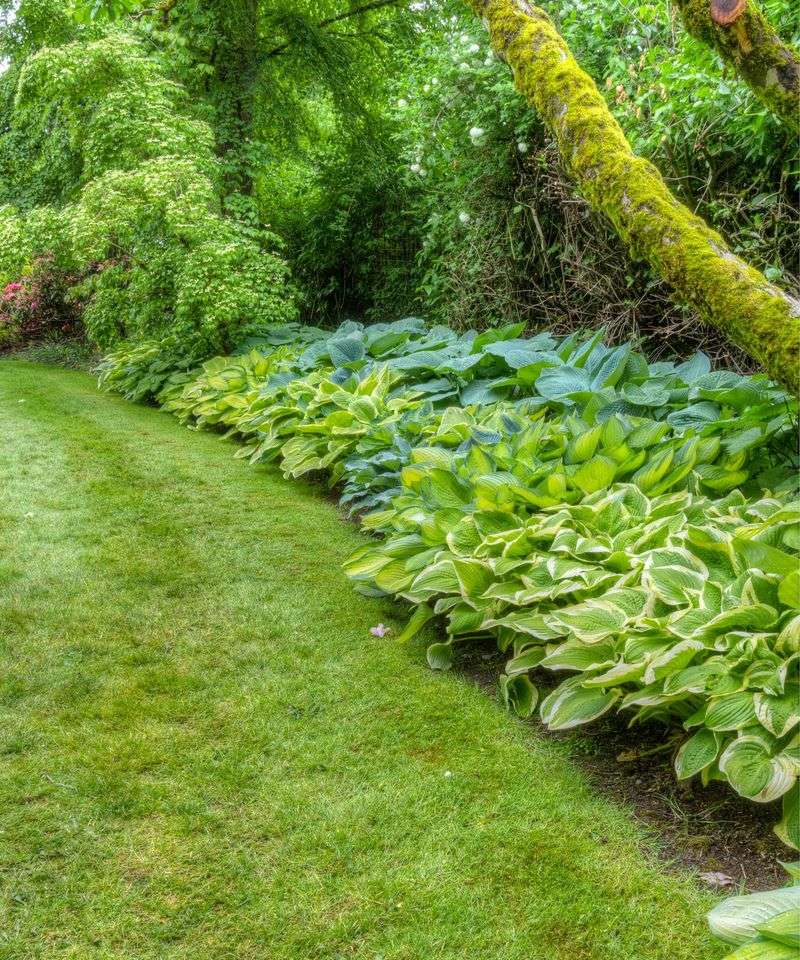
Picture a hosta sulking on a sunny windowsill in January, leaves drooping and pale. That sad sight happens all the time, because hostas are built to sleep through winter, not stay awake for it.
These shade lovers need a long stretch of cold, usually around six weeks below 40 degrees, to reset their internal clock. Skip that chill and the plant comes back weak in spring, or it may not come back at all.
Indoor warmth tricks it into pushing out thin, floppy growth that has nothing left to give.
So what should you do with a hosta in a container? Tuck the pot against the north side of the house, or sink it into a garden bed up to the rim.
A layer of shredded leaves or straw on top adds extra protection from freeze and thaw swings.
An unheated garage or shed also works well, since it stays cold but shields roots from the worst wind. Water just once a month if the soil feels bone dry.
Come April, you will see fat purple shoots poking up, and you will be glad you let your hosta enjoy its winter nap.
2. Lavender
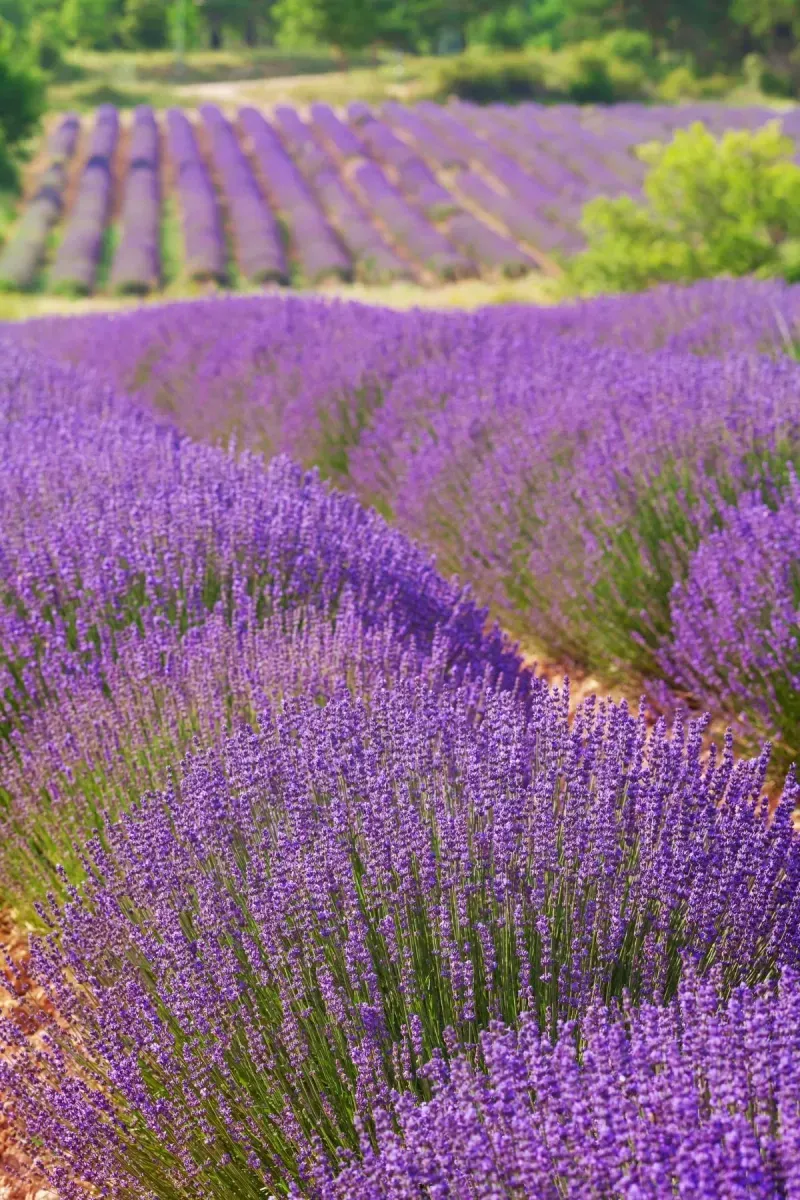
Lavender hails from rocky Mediterranean hillsides, where winters are cool and the air moves freely. Bring it into a cozy, stuffy house and the plant practically gasps for breath.
Indoors, lavender faces two big problems: weak light and poor airflow. Short winter days through a window rarely give it the six or more hours of strong sun it craves.
Meanwhile, still indoor air and moist potting soil invite root rot and powdery mildew, which can wipe out a plant in a few weeks.
Here is the good news. Hardy types like English lavender, including popular varieties such as Hidcote and Munstead, handle cold down to about zone 5 without fuss.
What truly kills them in winter is soggy soil, not frost.
Keep potted lavender outdoors in a spot with great drainage, and raise the container on pot feet so water does not pool underneath. Skip heavy mulch around the stems, since trapped moisture causes rot.
If you live somewhere colder than zone 5, move the pot to an unheated porch or garage. Fun fact: ancient Romans tossed lavender into their bathwater, and the name likely comes from the Latin word for washing.
3. Spring-Flowering Bulbs
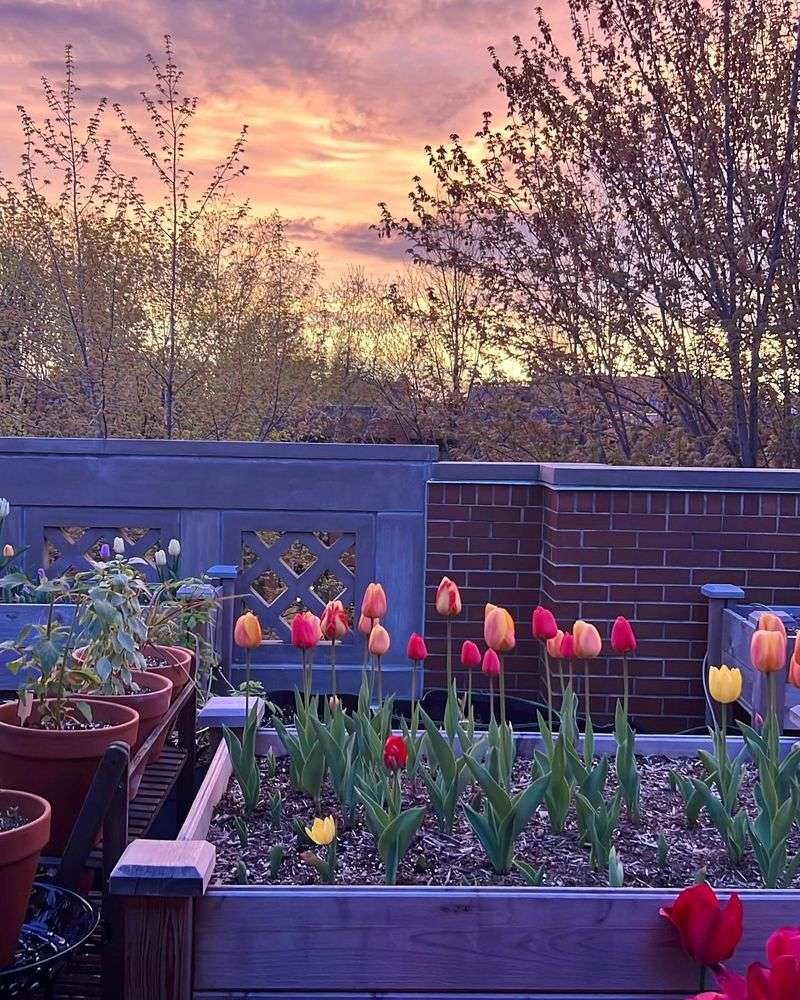
Ever wonder why tulips bloom so reliably after a brutal winter? The cold is the secret ingredient.
Tulips, daffodils, crocuses, and hyacinths all need a chilling period before they will flower.
Most of these bulbs require 12 to 16 weeks at temperatures between 35 and 45 degrees. During that time, they quietly build roots and convert stored starches into the sugars that fuel blooms.
Pull a pot of bulbs into your warm kitchen too early and you will likely get leaves with no flowers, or blooms that open stunted and fall over.
Gardeners who plant bulbs in containers often panic when snow piles up. Relax.
Group the pots together in a sheltered corner, wrap them in burlap or bubble wrap, or bury them in a pile of mulch. An unheated garage is another solid choice in very cold regions.
Want early color indoors? That is called forcing, and it still starts with a cold treatment.
Once bulbs have chilled for the full stretch, you can bring them inside to bloom. Just never skip the chill.
A little patience in winter pays off with a burst of color that makes March feel like a party.
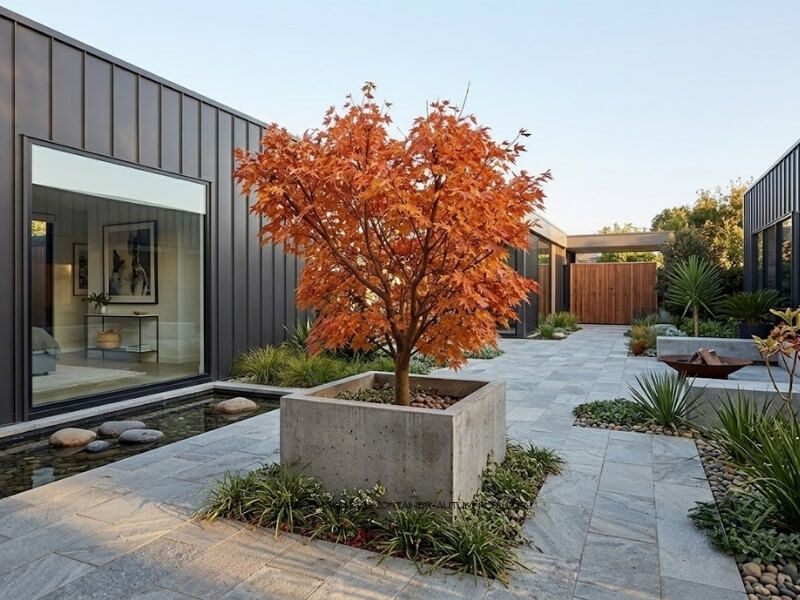
4. Japanese Maple
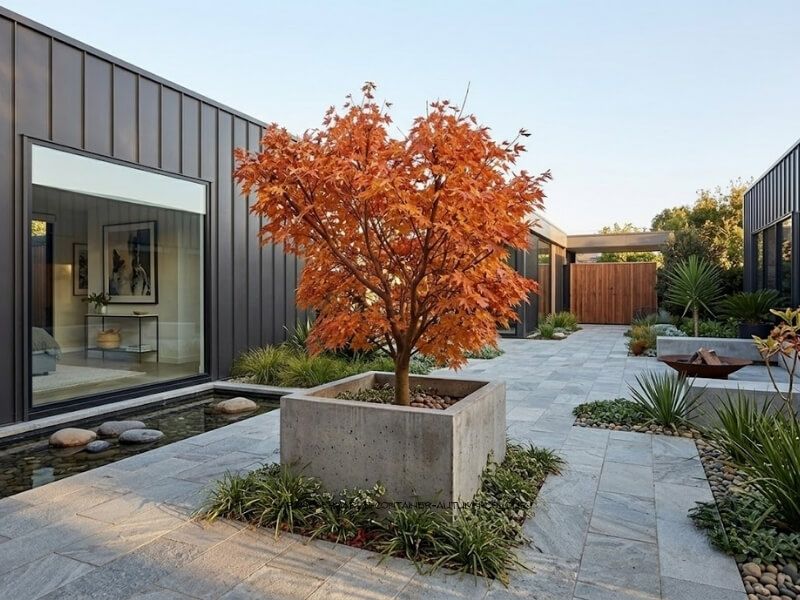
Few things look sadder than a potted Japanese maple dropping crispy leaves on a living room rug in December. Well-meaning gardeners do it every year, thinking a delicate tree needs pampering.
In truth, Japanese maples are deciduous and must go fully dormant to stay healthy. Their buds need several weeks of cold to set up the next season of leaves.
A warm house confuses the tree, which may push out new growth that is pale, weak, and starved for light. By spring, the plant can be exhausted.
Roots are the real worry with containers. Branches handle freezing well, but roots in a pot are more exposed than those in the ground.
Protect them by moving the container against a wall, wrapping it in burlap, or burying it partly in soil or mulch.
An unheated garage works nicely if your winters dip well below zero. Water lightly during thaws so roots do not dry out completely.
Then sit back and enjoy the tree’s graceful bare branches, which have their own quiet beauty against fresh snow. When those first red leaves unfurl in spring, you will see the payoff of leaving it out.
5. Garden Mums
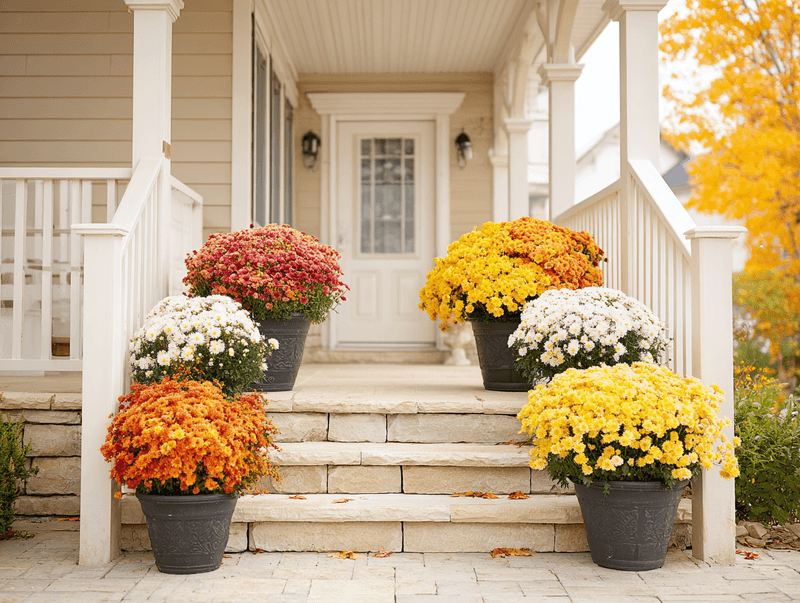
Garden mums are the porch stars of fall, and it feels wrong to leave them shivering once the blooms fade. Yet hauling them indoors is one of the fastest ways to lose them.
Hardy mums are perennials that want a cold, dark rest. Inside a heated house, they face dry air, low light, and a sudden rush of aphids and spider mites.
Those tiny pests love warm, still rooms and can easily spread to your houseplants. Before long, you have a crispy mum and a bigger problem on your windowsill.
A better plan? Plant your mums in the ground before the soil freezes, ideally at least six weeks before a hard frost.
If that is not possible, keep the pot outdoors in a protected spot or move it to an unheated garage.
Leave the old stems standing until spring. They catch snow and insulate the crown, which is the part that sprouts new growth.
Add a thick layer of mulch, then pinch back new shoots in late spring for bushy plants. With that simple routine, the same mum can brighten your steps for many autumns to come.
6. Peonies
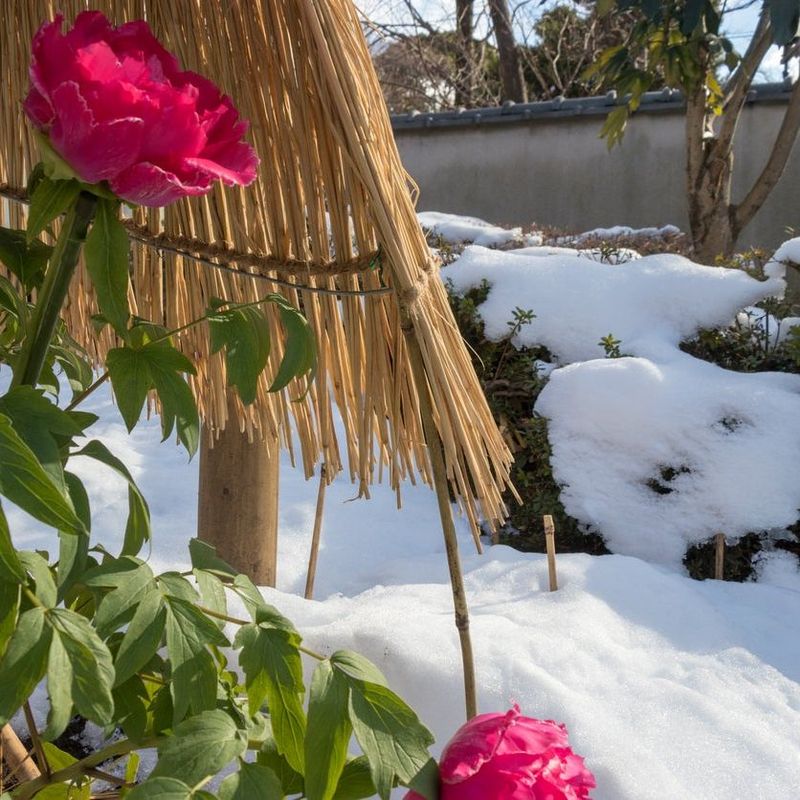
Grandma’s peony bush may have bloomed faithfully for fifty years, and the reason is simple. She never fussed over it in winter.
Peonies are tough, long-lived plants that depend on a cold season to produce those big, fragrant flowers. They need roughly 500 to 1,000 chill hours below about 40 degrees each year.
Without that, the plant stays leafy but refuses to bloom. Bringing a potted peony indoors cancels its chill time and sets it back badly.
Thankfully, caring for peonies outside is easy. After the first frost blackens the foliage, cut the stems down near the ground and toss them out to prevent fungal disease.
In their first winter, a light layer of pine needles or shredded bark helps, though older plants rarely need it.
Potted peonies need extra root protection, so sink the container into the garden or move it to an unheated shed. Did you know some peonies have lived over 100 years in the same spot?
Ants crawling over the buds in spring are harmless, by the way, so no need to worry. Let winter do its job, and your peony will reward you with a show-stopping June.
7. Ornamental Grasses
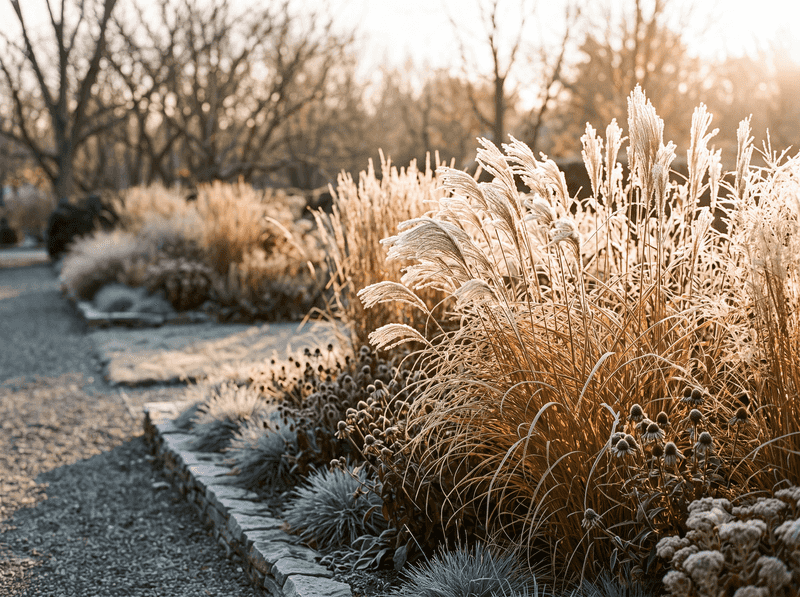
Walk through a winter garden and the ornamental grasses steal the show. Their golden plumes sway in the wind and sparkle with frost, adding movement when everything else looks bare.
Hardy grasses like switchgrass, little bluestem, and feather reed grass are made for cold weather. Indoors, they get leggy, shed messy seeds and dry blades everywhere, and can carry hidden insects tucked deep inside their dense clumps.
Many also grow far too large for any reasonable room.
Leaving them outside has a bonus for wildlife. Seed heads feed hungry birds like juncos and finches, while hollow stems give beneficial insects a safe place to spend the winter.
The standing foliage even shields the crown from icy blasts.
Wait until late winter or early spring to cut grasses back, trimming them to a few inches tall before fresh green shoots appear. For potted grasses, choose varieties rated at least two zones colder than your area, since container roots get colder than ground roots.
Group pots in a sheltered spot to keep them cozy. One quick warning, though: tender types like purple fountain grass are often sold as annuals, so check the label before assuming yours can stay out.