
When that first blue norther rolls across Texas and the temperature drops thirty degrees by suppertime, you are not the only one looking for a warm place to sleep. Plenty of local wildlife suddenly decides your attic, walls, and crawl spaces look like a five-star hotel.
Knowing who might be scratching above your ceiling helps you protect your wiring, insulation, and peace of mind. Here are eight common Texas critters that come knocking when the cold winds blow, plus how to spot them and send them packing.
1. Roof Rats
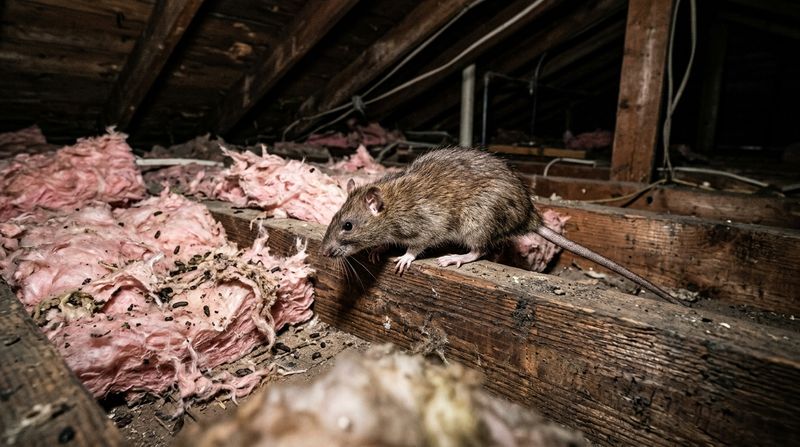
Picture a tightrope walker with a tail longer than its body. Roof rats are the acrobats of Texas neighborhoods, scampering along power lines, fence tops, and live oak limbs that brush against your shingles.
Once a norther cools the nights, they slip through gaps as small as a quarter and set up house in attic insulation. Homeowners in Houston and Austin often hear them first as quick, light footsteps right around bedtime.
Trim tree limbs at least six feet back from the roof and seal openings around vents and soffits with hardware cloth. Snap traps baited with dried fruit or nuts work better than cheese, since these rats have a sweet tooth for pecans and citrus.
2. House Mice
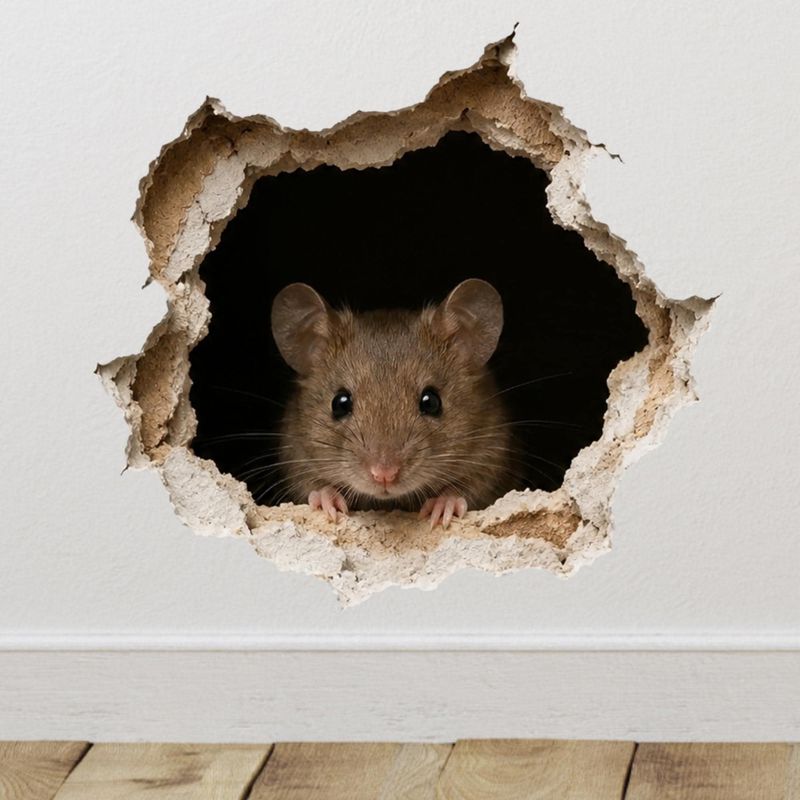
Tiny, quiet, and ridiculously flexible, the house mouse can squeeze through a hole the width of a pencil. That talent makes it the most common winter roommate in Texas homes, from DFW suburbs to Hill Country cabins.
Mice usually head for wall voids near kitchens, where crumbs and warmth sit side by side. Little dark droppings in a pantry corner or chewed cereal boxes are dead giveaways.
Here is a fun fact: a single pair can produce dozens of offspring in one season. Steel wool stuffed into gaps around pipes, plus tight food storage, stops a small problem before it turns into a family reunion.
3. Raccoons
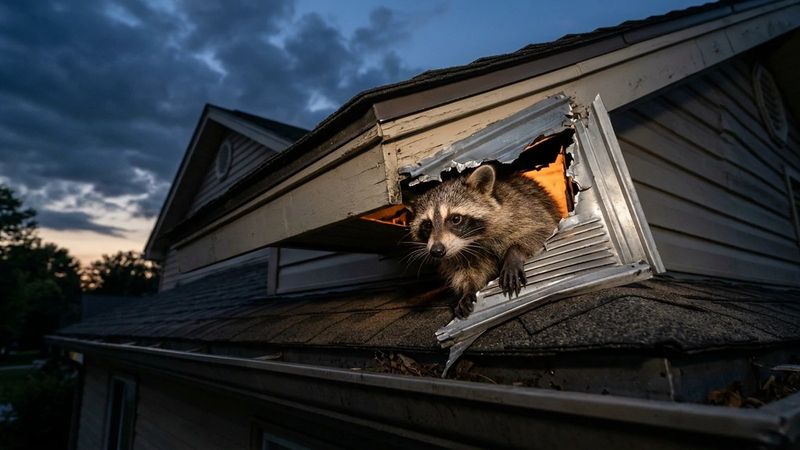
Ask any San Antonio homeowner who has woken up to thumping at 2 a.m., and they will tell you raccoons do not knock politely. These masked bandits will peel back loose shingles, tear open soffit vents, and climb downspouts with zero shame.
Mother raccoons especially love attics as a safe den. They are big and heavy, so the noise sounds less like scurrying and more like someone moving furniture.
Because raccoons can carry roundworm and rabies, this is a job for a licensed wildlife pro. Secure trash can lids, bring pet food inside at night, and repair weak roof spots before winter hits.
4. Fox Squirrels
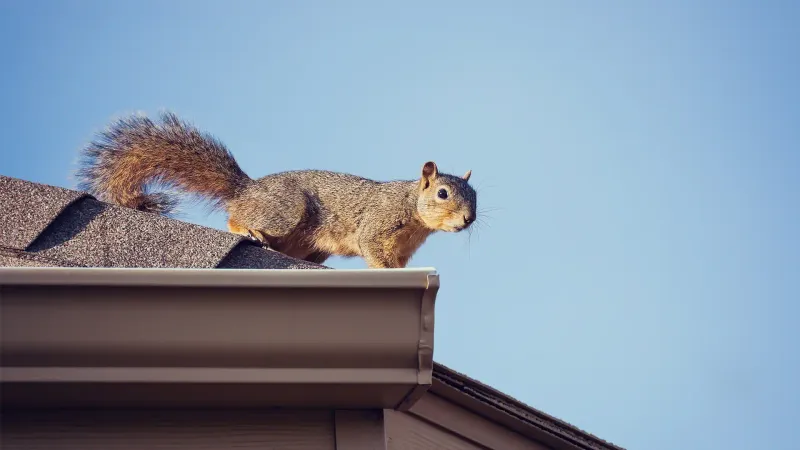
Cute? Absolutely.
Harmless? Not even close once they get inside.
Fox squirrels, those big rusty-bellied fellows raiding your pecan trees, start scouting attics in late fall for a cozy nest site.
Unlike rats, squirrels are active in daylight, so morning and late afternoon scratching points straight at them. Their teeth never stop growing, which means they gnaw on wood, wiring, and even PVC pipe.
Chewed electrical lines are a real fire risk. Install one-way exclusion doors so squirrels can leave but not return, then patch the entry hole with metal flashing.
5. Virginia Opossums
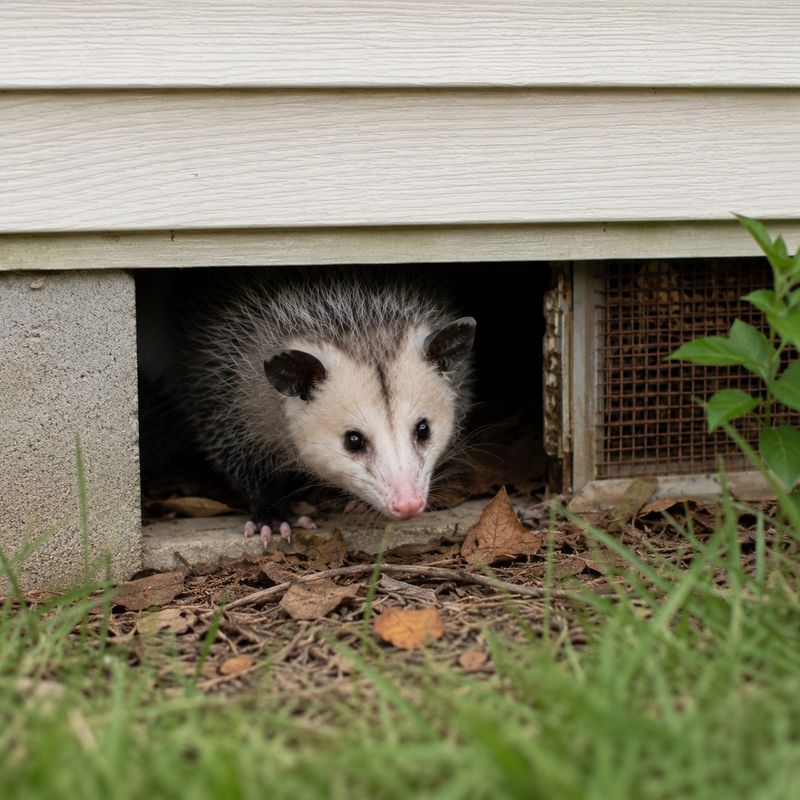
North America’s only marsupial has a surprisingly good reputation among gardeners. Opossums gobble up ticks, snails, and fallen fruit, so they are handy to have in the yard.
Trouble starts when a cold front sends one under your pier-and-beam floor or into a garage attic. They are not great builders, so they look for ready-made holes and loose vent covers.
A strong smell or rustling under the floor is your clue. Gently encourage them out with lights and a radio at night, then close the gap once they wander off to forage.
6. Mexican Free-Tailed Bats
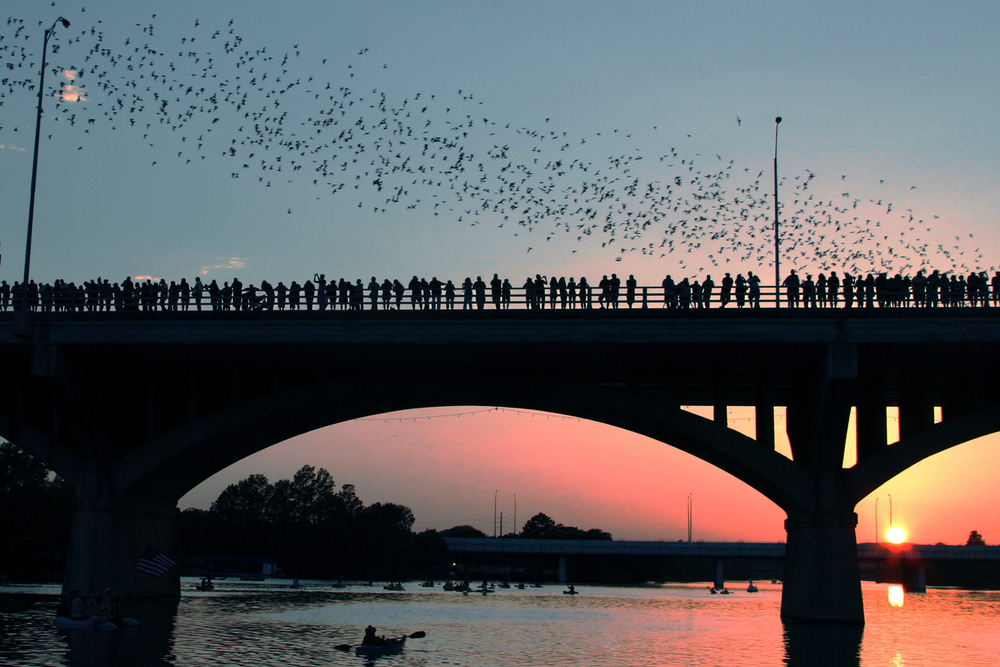
Texas is bat country, home to the famous Congress Avenue Bridge colony in Austin. Mexican free-tailed bats are the official state flying mammal and eat tons of mosquitoes and crop pests every night.
Most migrate south for winter, but some stay put, and stragglers tuck themselves under eaves or into wall gaps when temperatures plunge. Dark smudge marks and small piles of droppings near an opening often tell the story.
Bats are protected, so never trap or poison them. Call a bat-friendly removal service, and consider a bat house nearby so they keep working your yard from the outside.
7. Rat Snakes
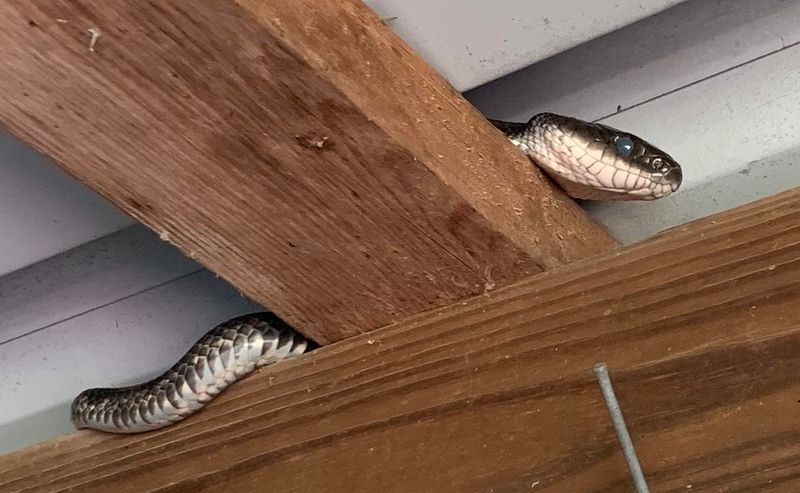
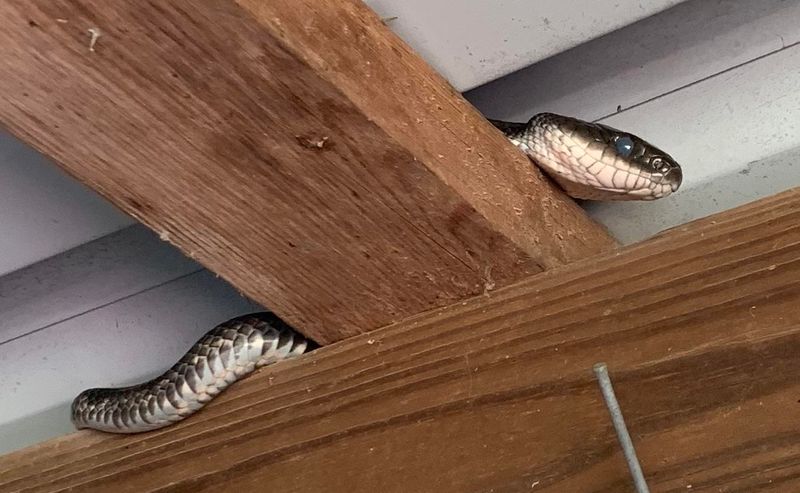
Finding shed skin in the attic will make anyone yell. Texas rat snakes are excellent climbers that slither up brick walls and tree trunks, and they often follow rodents straight inside.
When nights cool off, a warm attic full of mice looks like an all-you-can-eat buffet. The snake is not venomous, but it may hiss and strike if cornered.
Here is the upside: a rat snake in your attic usually means you have a rodent issue to fix. Clear out the mice, seal entry points, and the snake will lose interest fast.
8. Mediterranean House Geckos
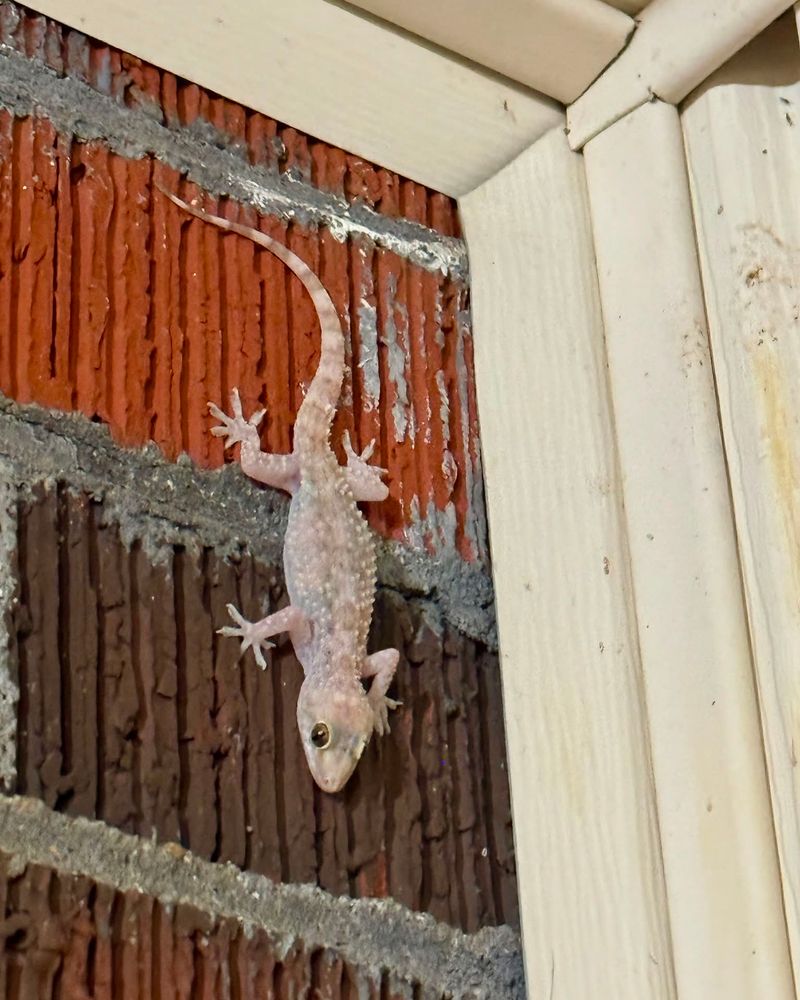
Those little pinkish lizards hanging around your porch light all summer? Mediterranean house geckos are curious, chirpy visitors that eat moths and crickets drawn to your bulbs.
As soon as a norther blows through, they crawl into siding cracks, behind shutters, and inside wall voids to stay warm. Sometimes one ends up in the house, clinging to a bathroom ceiling.
Honestly, they are about the friendliest freeloaders on this list. Catch strays with a cup and paper and release them outside, and caulk larger cracks if you would rather keep them on the porch.