
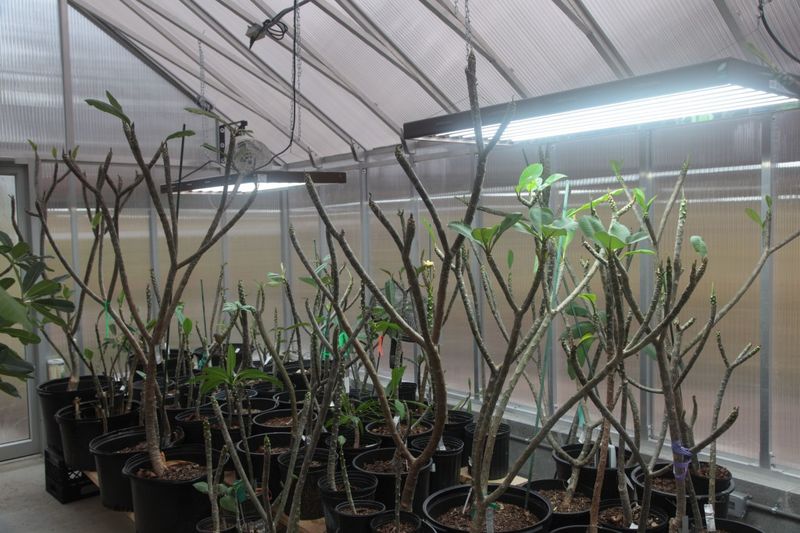
A bare plumeria in December looks like a bundle of gray sticks, but that is usually just winter rest. The plant still needs a plan for cold nights, and the plan is simple: bring potted plants to a protected spot, go easy on water, and decide how to shelter any plant in the ground.
Here is how to handle each step in North and Central Florida without panic.
Leaf drop is often dormancy, but check for other symptoms
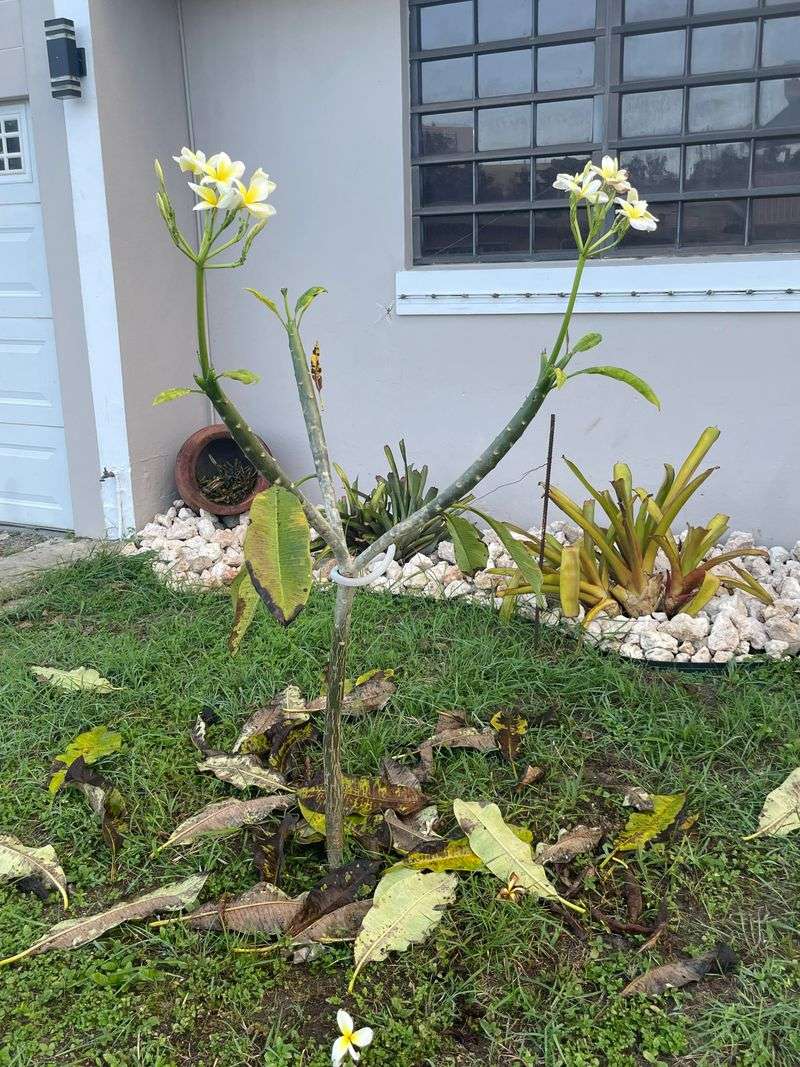
Seeing a plumeria drop its leaves can be alarming, but UF/IFAS says most Florida plumerias lose their leaves and go dormant in winter. Leaves often turn yellow first and then fall as the days get shorter.
That pattern is common and is not proof that the plant is dying.
Still, not every fallen leaf means rest. Leaf loss can also come from rust, watering problems, or root trouble, so look closely before you settle on a storage plan.
Flip a few leaves over. UF/IFAS rust guidance points to orange-yellow powdery spots on the undersides, and Extension staff in Indian River County note that rust can cause early yellowing, curling, browning, and leaf drop.
If you find it, pick up the infected leaves and put them in a bag with the trash instead of the compost pile.
Also think about recent watering. Soggy soil, a pot that stays wet, or a plant that dried out completely can all turn leaves yellow.
If the leaves fell in fall, the plant looks firm, and you see no spots, dormancy is the most likely answer, and you can move on to choosing how to keep it safe from the cold.
Dormancy does not make plumeria freeze-safe
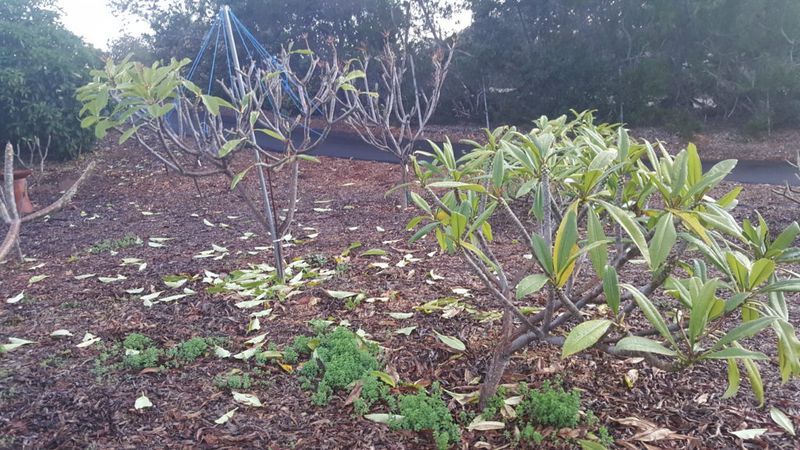
A sleeping plumeria can still be hurt by the cold. Dormancy does not protect it from freezing conditions, and a leafless plant is not proof of toughness.
Plumerias are cold-sensitive. UF/IFAS says they suit USDA Zones 10B to 11, and much of interior Central Florida sits in Zone 9B, where tropical plants stay vulnerable to frost.
Farther north, even protected landscape plants may be severely damaged or die.
You may see 50°F mentioned as a cold line. UF/IFAS describes it as a broad caution, since many tropical plants suffer chilling injury below that point.
It is not a plumeria-specific damage threshold, and it is not a cutoff that works for every plant.
Your best tool is the local forecast. Watch for frost and freeze warnings for your own town, because a lakeside yard and an inland low spot can differ a lot on the same night.
Plan ahead rather than racing the clock after sunset.
That leaves a practical choice: shelter the plant indoors, or protect it where it stands. The next sections cover both.
Where to store a potted plumeria
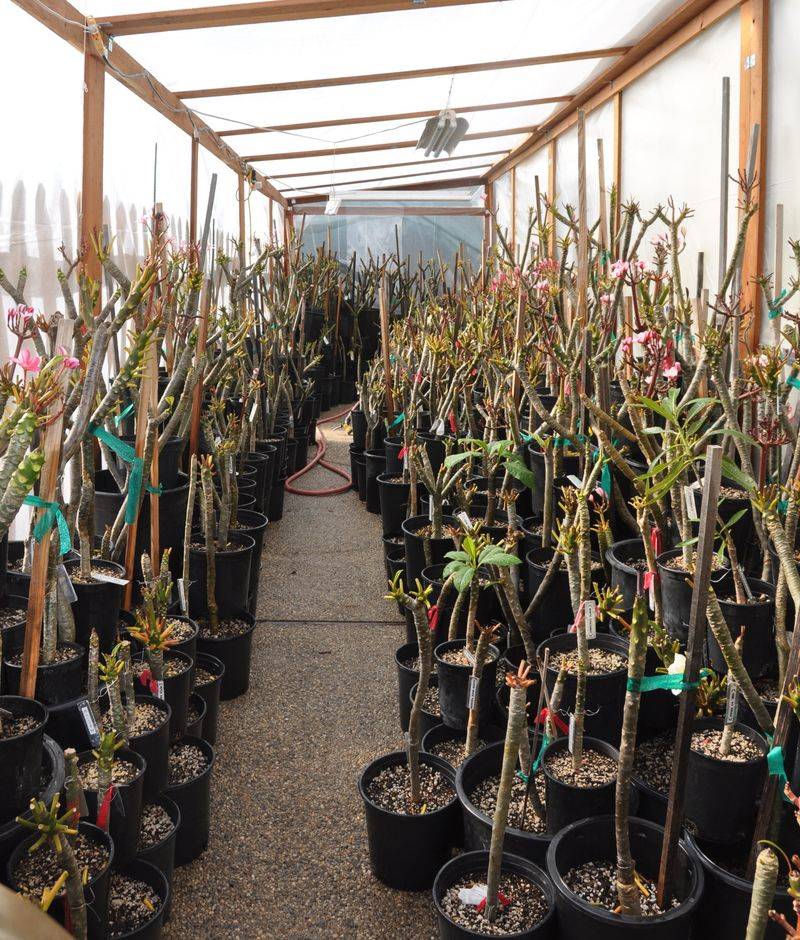
Potted plants have the easiest option: move the pot to a protected place before freezing conditions arrive. A garage, shed, or enclosed porch can work well.
The Plumeria Society of America says dormant plants need no light. It recommends storage above 40°F and describes 32°F as the absolute minimum for most plumerias.
Treat those numbers as guardrails, and choose a spot that stays comfortably above them.
Set the pot on a board, pallet, or stand so it is not sitting on cold concrete, since the floor can chill the roots. Leave some space around the plant so air can move, and avoid cramming it behind boxes.
Check the branches and soil every couple of weeks for pests such as mealybugs or scale. Handle cuttings and broken tips carefully, because UF/IFAS notes the sap contains harmful irritants.
One caution: this advice is for a dormant, leafless plant. A plumeria kept warm and still growing indoors is a different case, so it will need light and will not follow the same rules.
Water less while the plant is cool and dormant
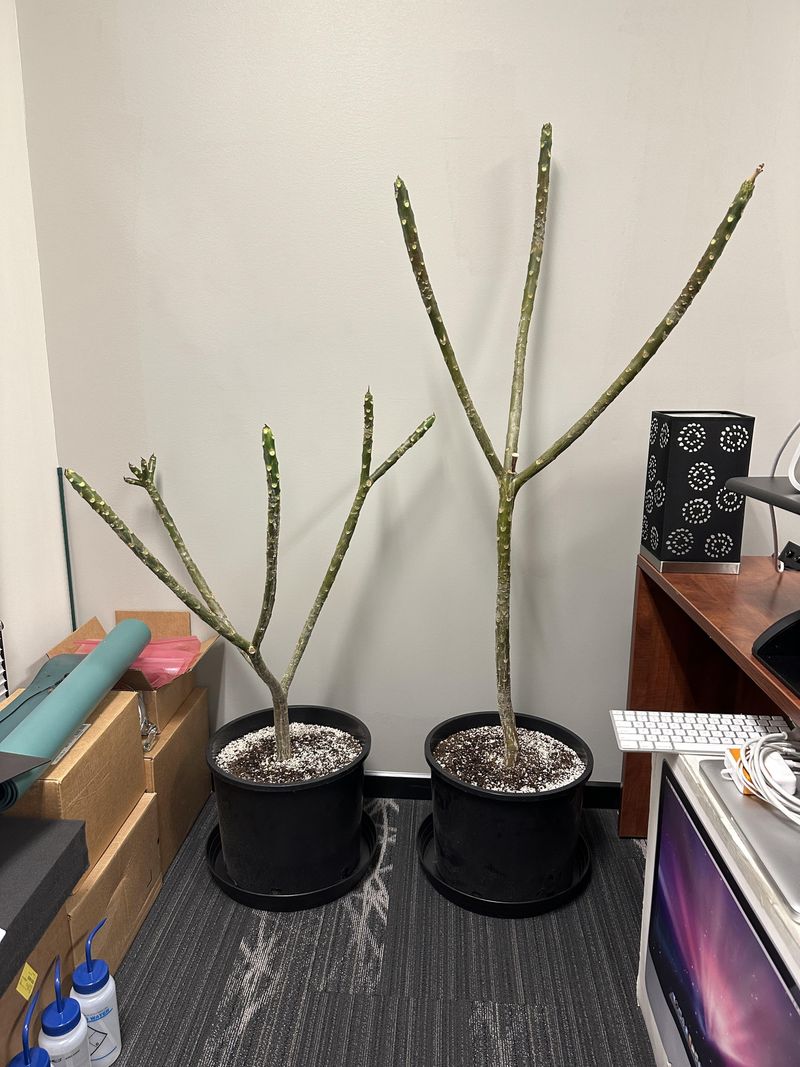
Your summer watering schedule needs to go. A cool, leafless plumeria uses very little water, and extra moisture can contribute to root rot while it rests.
Wait until the plant shows signs of life before returning to regular watering. Feeling the soil a couple of inches down helps, and a pot that stays damp for weeks is a warning sign.
There is one cautious exception. The Plumeria Society says a small occasional amount of water may help keep stems from drying out, especially on small plants, but it stresses that less is better.
That is not a fixed monthly dose for every plant.
Keep the situation in mind, too. A plumeria kept warm and actively growing indoors is not genuinely dormant, so the reduced-water advice does not automatically apply to it.
Match the water to what the plant is actually doing.
If a plant must stay outside, reduce its exposure
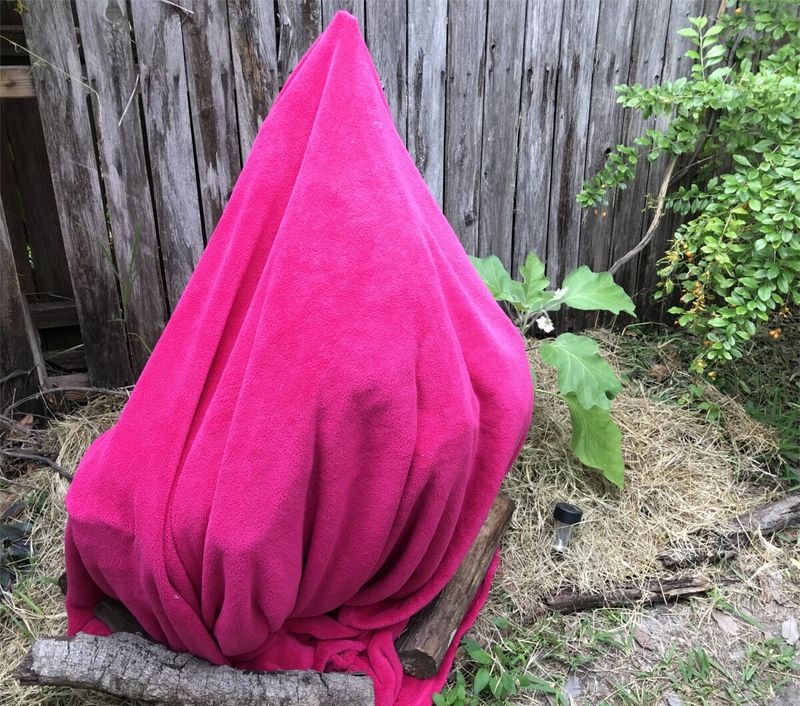
Sometimes a plant is too big to move, or it is planted in the ground. In that case your goal is to lower its exposure, not to guarantee that it comes through unharmed.
For pots, UF/IFAS advises grouping containers and insulating their sides with mulch before a freeze. Tucking them close to a wall can help too.
For in-ground plants, use a cover that reaches the ground and does not touch the foliage or branches. A frame of stakes can hold fabric away from the plant.
If you use plastic, ventilate it or remove it during sunny daytime conditions so heat does not build up inside.
Be realistic. Covers work better against frost than extreme cold, and cold injury also depends on how fast temperatures fall and how ready the plant is.
A cover can reduce damage, but it cannot promise survival.
Finally, do not mix up ordinary watering with freeze-protection irrigation. UF/IFAS describes continuous overhead sprinkling as a specialized technique that must run through the whole freeze and thaw, and ordinary home systems are not designed for it.
It is not a reason to water a dormant plumeria before every cold night.
Bare-root storage is an option for in-ground plants
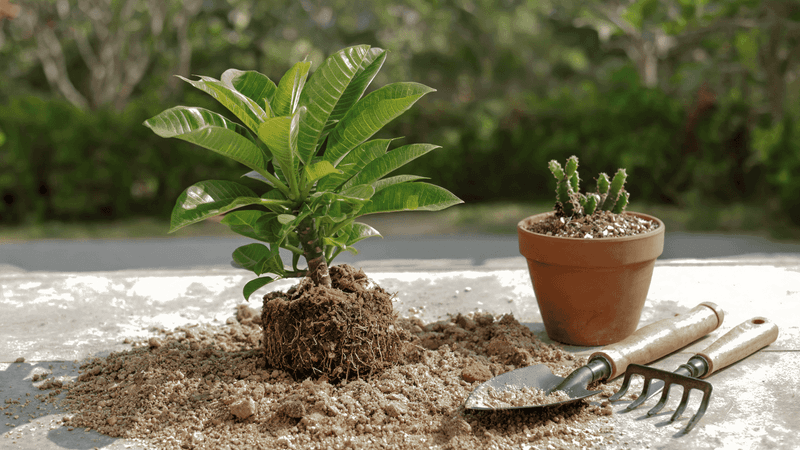
If you are willing to put in the work, an in-ground plumeria can be lifted and stored bare-root. It is an option, not a rule for North or Central Florida gardeners, and it takes real effort.
The Plumeria Society describes the method this way: lift the plant, remove excess soil, trim the roots to a manageable size, and store the root ball in a protected area. Because it is a specialist-society technique, many home gardeners will prefer other routes.
Compare that with the general guidance. UF/IFAS favors container growing and moving plants indoors farther north, and it recognizes protected landscape growing where conditions allow.
If you do lift a plant, wear gloves and long sleeves. The sap contains harmful irritants, and cutting roots or stems can release it.
Keep it away from your eyes and skin.
Think about space and time before you start. A large, established tree is hard to dig, so many gardeners choose cover and a watchful eye over lifting.
After a freeze, wait for spring growth before severe pruning
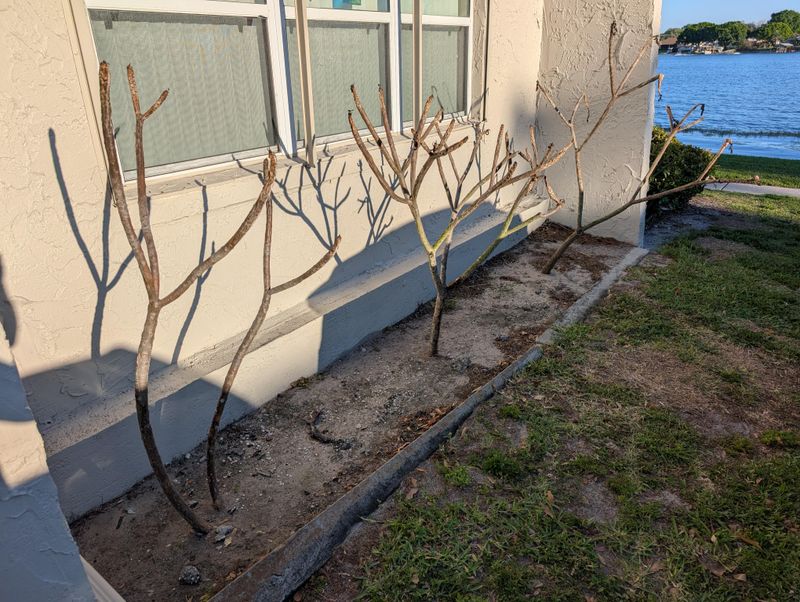
After a hard freeze, a plumeria can look ruined, with limp or darkened tips. Resist the urge to cut it all back right away.
UF/IFAS advises waiting for spring growth to show what survived before doing any severe pruning. Branches that look dead may still hold living tissue, and cutting too early can remove wood that would have recovered.
When you do prune, wear gloves and protect your eyes, since plumeria sap contains harmful irritants.
Shelter dormant plants where you can, protect outdoor ones with realistic hopes, and give the plant time to show its answer.